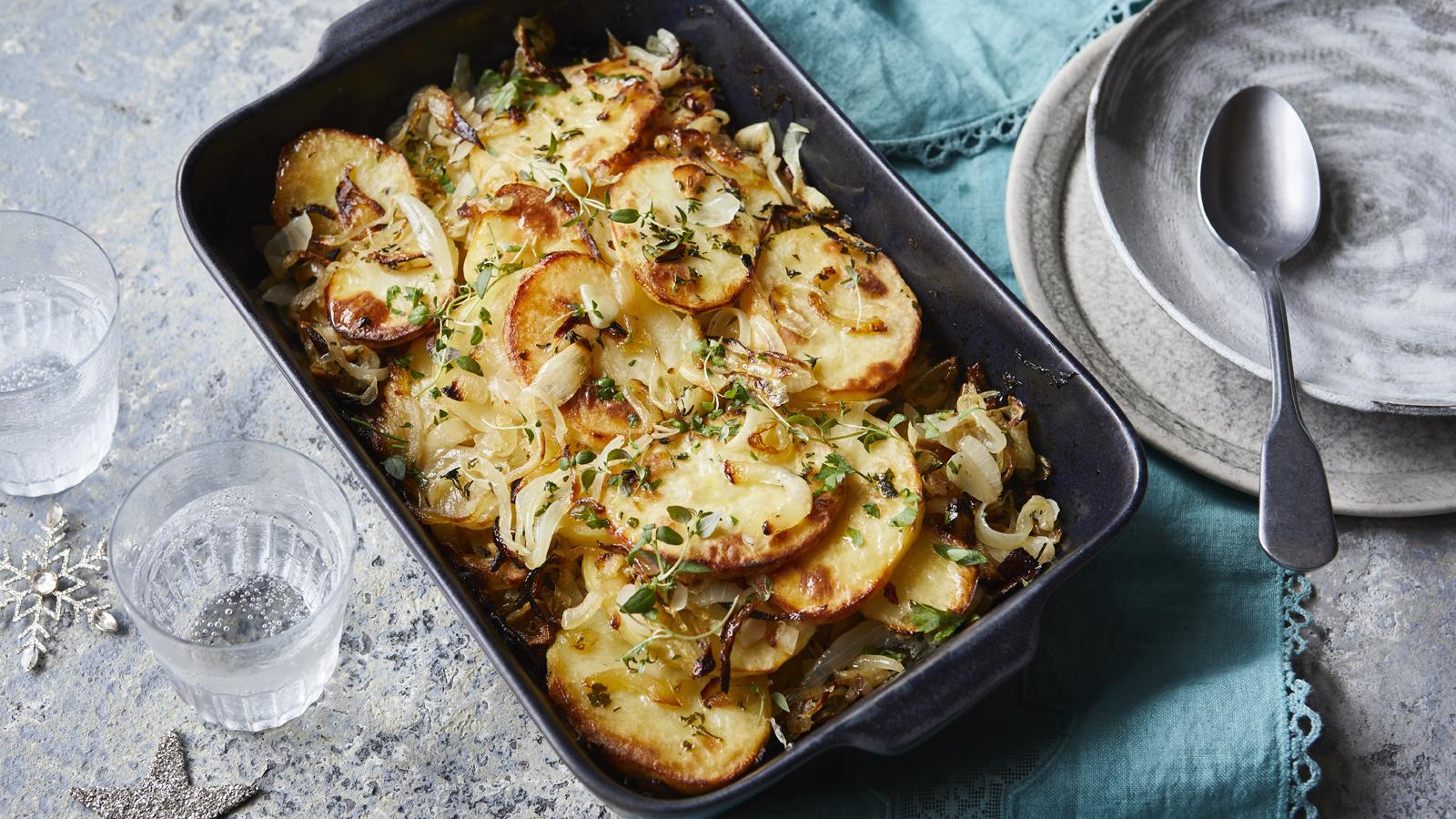
Lyonnaise Potatoes Recipe: Lyonnaise potatoes are a timeless French-inspired side dish made with golden pan-fried potatoes and soft, sweet caramelized onions. The beauty of this recipe is its balance of texture and flavor. We get a crisp, lightly browned exterior on the potatoes, a tender center, and rich onion flavor in every bite. It is a dish that feels elegant, yet it is made from simple pantry ingredients and straightforward cooking techniques.
This classic potato dish pairs beautifully with roasted chicken, grilled steak, pan-seared fish, or even a simple salad when we want something hearty and comforting. The key to making the best Lyonnaise potatoes is controlling each stage properly. We need to cook the potatoes until just tender, brown them without breaking them apart, and allow the onions to soften and sweeten without burning. When these steps are done well, the result is deeply flavorful and beautifully rustic.
Ingredients You’ll Need
To make a rich and satisfying batch of Lyonnaise potatoes, we need the following ingredients:
- 2 pounds potatoes such as Yukon Gold or russet
- 2 large onions, thinly sliced
- 3 tablespoons unsalted butter
- 2 tablespoons olive oil
- 2 cloves garlic, minced
- 1 tablespoon fresh parsley, chopped
- Salt, to taste
- Black pepper, to taste
Optional additions for more flavor:
- 1 teaspoon fresh thyme
- 1 tablespoon chicken stock
- A small splash of white wine
- Extra butter for finishing
The best potatoes for this recipe are those that hold their shape while still developing a creamy interior. Yukon Gold potatoes are especially ideal because they offer a buttery texture and a naturally rich taste. Russet potatoes can also work well, especially if we want slightly crispier edges, but they are more delicate and should be handled gently after boiling.
Why Lyonnaise Potatoes Taste So Good
What makes this dish so memorable is the combination of pan-browned potatoes and slow-cooked onions. The onions become silky and sweet as they cook, which creates a rich contrast against the savory potatoes. Butter adds depth, olive oil helps the potatoes brown evenly, and fresh parsley lifts the final dish with a bright, clean finish.
This recipe also succeeds because it uses layers of simple flavor instead of relying on heavy seasoning. Each ingredient plays a distinct role. The potatoes provide substance, the onions bring sweetness, the butter creates richness, and the garlic and herbs add fragrance. The result is a side dish that tastes refined without becoming complicated.
How to Prepare the Potatoes Properly
The first important step is choosing how to prepare the potatoes before frying. For the best texture, we should parboil them first. This ensures that the inside becomes tender before the outside is browned in the skillet. If we try to fry raw potato slices from the start, they may brown unevenly or remain firm in the center.
We begin by peeling the potatoes if desired, although leaving some skin on can give the dish a more rustic appearance. Then we slice them into rounds about 1/4 inch thick. Keeping the slices uniform is important because evenly cut potatoes cook at the same rate. Once sliced, we place them in a pot of salted water and bring them to a gentle boil. They should cook just until slightly tender, not fully soft. This usually takes around 5 to 7 minutes depending on the thickness.
After draining, we let the slices cool slightly. This step matters because warm, very soft potatoes can break apart in the skillet. Slightly cooled potatoes hold their shape better and form a more attractive golden crust when fried.
How to Cook the Onions for Maximum Flavor
The onions are one of the defining features of Lyonnaise potatoes, so they deserve careful attention. We slice them thinly so they soften evenly and blend naturally into the potatoes. In a large skillet, we heat part of the butter and olive oil over medium heat, then add the onions with a pinch of salt.
The goal is not to rush them. We want the onions to become soft, lightly golden, and sweet. Stirring occasionally allows them to cook down gently without burning. If the heat is too high, the onions may brown too fast and develop bitterness. Properly cooked onions should look tender and glossy, with a mild sweetness that deepens the whole dish.
At this stage, we can also add the garlic for the final minute or two. Garlic burns quickly, so it should go in after the onions are already softened. This creates a fragrant base that spreads through the potatoes once everything is combined.
Step-by-Step Guide for Lyonnaise Potatoes
Step 1: Slice and parboil the potatoes
Wash the potatoes thoroughly and peel them if preferred. Slice them into even rounds, about 1/4 inch thick. Add them to a pot of salted water and boil until just tender. Drain well and allow them to cool slightly so they remain intact during frying.
Step 2: Cook the onions slowly
Heat 1 tablespoon butter and 1 tablespoon olive oil in a large skillet over medium heat. Add the sliced onions and a pinch of salt. Cook slowly, stirring often, until they become soft, golden, and sweet. Add the minced garlic near the end and stir for another minute. Remove the onions from the pan and set aside.
Step 3: Brown the potatoes
Add the remaining butter and olive oil to the skillet. Arrange the parboiled potato slices in a single layer. Let them cook undisturbed for a few minutes so a crust develops. Turn them carefully and brown the other side. Work in batches if needed to avoid overcrowding, because crowded potatoes steam instead of crisping.
Step 4: Combine the potatoes and onions
Once the potatoes are golden on both sides, return the onions to the skillet. Season with salt and black pepper. Toss gently so the onions coat the potatoes without breaking them apart. Add thyme or a small splash of stock if using.
Step 5: Finish and serve
Sprinkle fresh parsley over the potatoes and serve immediately. The final dish should be warm, glossy, and aromatic, with crispy edges and tender centers.
Best Tips for Perfect Lyonnaise Potatoes
One of the most important details is not overcooking the potatoes during the boiling stage. If they become too soft, they will fall apart when turned in the skillet. We want them just tender enough to finish cooking during frying.
Another important point is skillet space. If too many potato slices are placed in the pan at once, moisture gets trapped and the potatoes will not brown properly. Frying in batches may take a little more time, but it produces a far better result. Crisp, golden surfaces are one of the signature traits of excellent Lyonnaise potatoes.
Using both butter and olive oil is also helpful. Butter adds rich flavor, while olive oil raises the cooking tolerance slightly and helps prevent the butter from browning too quickly. This combination creates both flavor and control, which is ideal for skillet cooking.
Fresh herbs should be added near the end so they stay bright and fragrant. Parsley is traditional and works especially well because it brings freshness that balances the buttery onions and potatoes.
Serving Suggestions
Lyonnaise potatoes are wonderfully versatile. They pair especially well with:
- Roast beef
- Grilled chicken
- Pan-seared steak
- Baked salmon
- Pork chops
- Egg dishes for brunch
They also work well as part of a larger holiday or dinner spread because they feel more refined than ordinary fried potatoes while still being comforting and approachable. Their rich onion flavor makes them a strong companion to simple proteins, especially dishes with mild seasoning.
For a complete plate, we can serve Lyonnaise potatoes with green beans, asparagus, or a crisp salad. The potatoes bring richness, so a fresh vegetable on the side helps create balance.
Common Mistakes to Avoid
A common mistake is slicing the potatoes too thin. Very thin slices can break apart easily and may become too crisp before the centers are properly tender. Slightly thicker rounds hold up better and create a more satisfying bite.
Another mistake is rushing the onions. Properly cooked onions should be soft and sweet, not sharply raw or dark and bitter. Gentle cooking makes a major difference in the final flavor.
Over-stirring the potatoes is also a problem. Once the slices are in the skillet, they need time to develop color before being turned. Moving them too soon prevents browning and can cause them to stick or tear. Letting them sit undisturbed creates the golden crust that makes the dish special.
How to Store and Reheat
If we have leftovers, Lyonnaise potatoes can be stored in an airtight container in the refrigerator for up to 3 days. To reheat, the best method is to warm them in a skillet over medium heat with a small amount of butter or oil. This helps restore some crispness to the outside.
Microwaving is possible, but it softens the texture and reduces the contrast between the crisp edges and tender center. For the best eating experience, skillet reheating is the better choice.
Why This Recipe Belongs in Every Kitchen
Lyonnaise potatoes deserve a place in every home cook’s recipe collection because they transform humble ingredients into something deeply flavorful and elegant. Potatoes and onions are simple, affordable, and easy to find, yet together they create a side dish that feels classic and impressive. This is the kind of recipe we can serve on a weekday, at a family dinner, or as part of a special occasion meal without needing to change much at all.
The texture is one of the most satisfying parts of the dish. Each bite offers tender potato, golden crisp edges, and sweet buttery onions. The flavors are rich without being overwhelming, which makes the recipe easy to pair with many main dishes. It is both comforting and polished, which is exactly why it has remained popular for so long.
FAQs about Lyonnaise Potatoes Recipe
1. What are Lyonnaise potatoes?
Lyonnaise potatoes are a classic potato dish made with sliced potatoes and caramelized onions. They are usually cooked in butter or oil until tender and golden, then seasoned for a rich, savory flavor.
2. Which potatoes are best for Lyonnaise potatoes?
Yukon Gold or other waxy potatoes are often the best choice because they hold their shape well during cooking. You can also use russet potatoes, but they may break more easily.
3. Do I need to boil the potatoes first?
Yes, many recipes call for parboiling the potatoes before frying. This helps them cook faster and gives them a soft inside with a crisp, golden outside.
4. How do I keep Lyonnaise potatoes from sticking to the pan?
Use a good nonstick or well-seasoned skillet and make sure there is enough butter or oil in the pan. Also, avoid stirring too often so the potatoes can form a golden crust.
5. Can I make Lyonnaise potatoes ahead of time?
Yes, you can prepare them ahead and reheat before serving. However, they taste best when freshly made because the potatoes stay crispier and the onions remain more flavorful.
Conclusion
Lyonnaise potatoes are a beautifully simple dish that delivers rich flavor, attractive presentation, and satisfying texture with very little complication. By parboiling the potatoes, slowly cooking the onions, and browning everything carefully in a skillet, we create a side dish that feels classic and dependable every time. The combination of golden potatoes, sweet onions, butter, and fresh herbs makes this recipe a standout addition to any meal.
When prepared correctly, Lyonnaise potatoes are crisp on the outside, tender in the center, and full of savory depth. Whether served with roasted meats, fish, or brunch favorites, they bring warmth and elegance to the table. This recipe proves that a few well-handled ingredients can create a side dish that is both timeless and unforgettable.