Kombucha Tea Recipe: Kombucha tea is a naturally fermented beverage known for its refreshing tangy flavor, probiotic benefits, and gentle effervescence. Crafted from sweetened tea and a SCOBY (Symbiotic Culture of Bacteria and Yeast), this ancient drink has become a modern favorite for those seeking a healthy, homemade alternative to sugary beverages.
In this comprehensive guide, we walk through the exact process to brew kombucha tea at home, ensuring perfect taste, safe fermentation, and consistent results every time.
Ingredients You’ll Need for Kombucha Tea
To create authentic, high-quality kombucha, we carefully select the following ingredients:
- 1 SCOBY (Symbiotic Culture of Bacteria and Yeast)
- 1 cup starter tea (previously brewed kombucha)
- 4 cups filtered water
- 2–3 black tea bags (or loose leaf equivalent)
- ½ cup granulated sugar
- Glass jar (1-liter capacity)
- Breathable cloth or paper towel
- Rubber band
Optional Flavoring Ingredients (for second fermentation):
- Fresh fruits (ginger, berries, pineapple)
- Herbs (mint, basil)
- Natural juices
Step-by-Step Guide to Brewing Kombucha Tea
Step 1: Prepare the Sweet Tea Base
We begin by boiling the filtered water and adding the black tea bags. Allow the tea to steep for 10–15 minutes, ensuring a rich and full-bodied flavor.
Next, we dissolve the sugar completely into the hot tea. This step is crucial, as the sugar serves as fuel for the fermentation process.
Allow the sweet tea to cool to room temperature before proceeding.
Step 2: Transfer to Fermentation Jar
Once cooled, we pour the tea into a clean glass jar. Avoid metal or plastic containers, as they may interfere with fermentation.
We then add:
- The SCOBY
- Starter tea
This combination introduces the beneficial bacteria and yeast cultures necessary for fermentation.
Step 3: Cover and Ferment
We cover the jar with a breathable cloth secured with a rubber band. This allows airflow while keeping contaminants out.
Place the jar in a warm, dark environment (20–26°C) and allow it to ferment for 7 to 14 days.
During this period:
- The tea becomes slightly fizzy
- Sugar converts into organic acids and probiotics
- Flavor shifts from sweet to tangy and slightly sour
Step 4: Taste and Monitor Progress
After 7 days, we begin tasting daily using a clean spoon. The ideal kombucha should have a balanced sweet-tart flavor.
- Short fermentation (7 days): Sweeter taste
- Long fermentation (10–14 days): More acidic and bold
Once the desired flavor is achieved, we proceed to bottling.
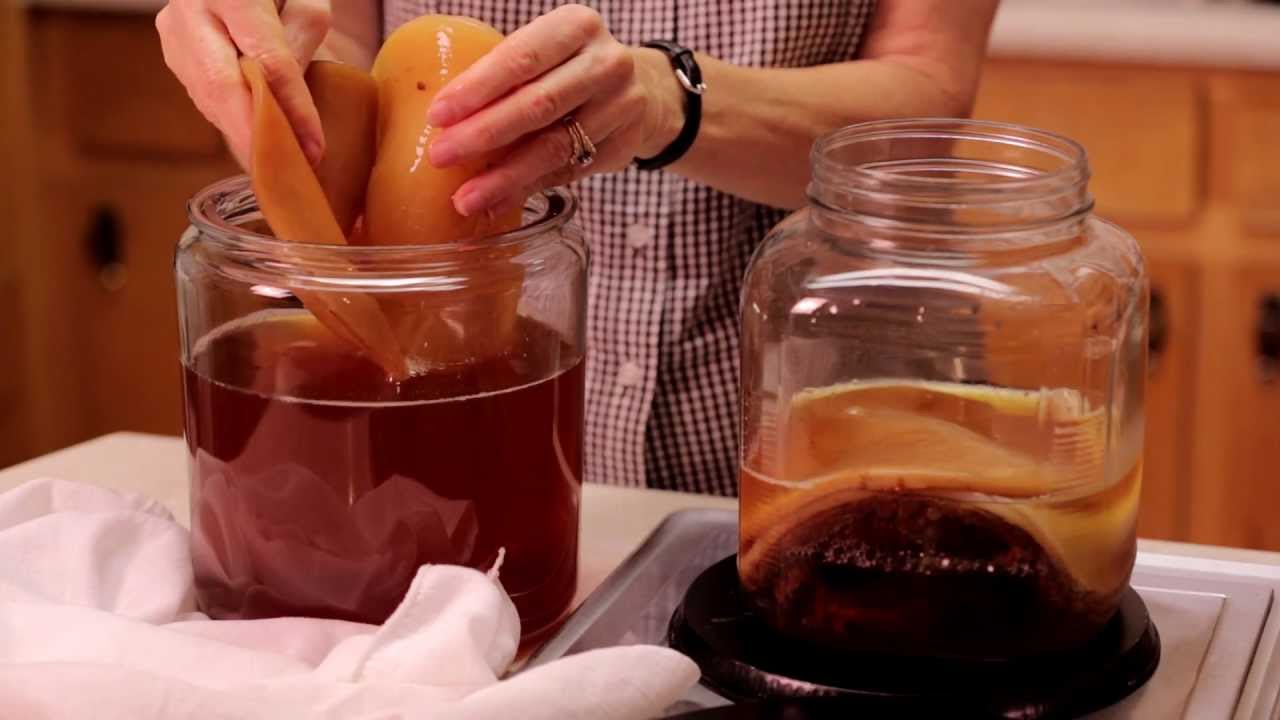
Step 5: Remove SCOBY and Reserve Starter Tea
We carefully remove the SCOBY and set it aside with 1 cup of kombucha to use as starter for the next batch.
This ensures a continuous brewing cycle, allowing us to produce kombucha regularly.
Step 6: Bottle the Kombucha (Optional Second Fermentation)
We pour the kombucha into airtight glass bottles, leaving some space at the top.
At this stage, we can enhance flavor by adding:
- Fresh ginger slices
- Fruit chunks
- Natural juices
Seal the bottles tightly and allow them to sit at room temperature for 2–5 days.
This process creates:
- Natural carbonation
- Enhanced flavors
- A more refined drinking experience
Step 7: Refrigerate and Serve
After achieving the desired carbonation, we transfer the bottles to the refrigerator to slow fermentation.
Serve chilled for the best experience. The final drink should be:
- Lightly sparkling
- Crisp and refreshing
- Perfectly balanced in flavor
Pro Tips for Perfect Kombucha Tea
- Always use filtered water to avoid chlorine interference
- Maintain clean equipment to prevent contamination
- Avoid direct sunlight during fermentation
- Use organic tea and sugar for best results
- Monitor fermentation daily for consistent flavor control
Health Benefits of Kombucha Tea
Regular consumption of kombucha tea offers several benefits:
- Supports gut health with natural probiotics
- Aids digestion and improves nutrient absorption
- Provides antioxidants from tea
- Boosts energy with mild natural caffeine
- May contribute to immune system support
Common Mistakes to Avoid
- Using metal containers during fermentation
- Adding SCOBY to hot tea, which kills beneficial cultures
- Skipping starter tea, leading to unsafe fermentation
- Over-fermenting, resulting in excessive acidity
- Not sealing bottles properly during second fermentation
Flavor Variations to Elevate Your Kombucha
We can easily customize kombucha with exciting flavors:
- Ginger Lemon Kombucha – refreshing and zesty
- Berry Blast Kombucha – sweet and vibrant
- Pineapple Mint Kombucha – tropical and cooling
- Apple Cinnamon Kombucha – warm and aromatic
Each variation enhances both the taste profile and drinking experience, making kombucha versatile and enjoyable.
How to Store Kombucha Tea Properly
- Refrigerate immediately after fermentation
- Consume within 2–3 weeks for optimal freshness
- Keep bottles sealed to maintain carbonation
- Avoid shaking before opening to prevent overflow
FAQs about Kombucha Tea Recipe
1. What is kombucha tea?
Kombucha tea is a fermented beverage made from sweetened tea and a SCOBY (Symbiotic Culture of Bacteria and Yeast). It develops a slightly fizzy, tangy flavor during fermentation.
2. What ingredients are needed for kombucha tea recipe?
A basic recipe requires black or green tea, sugar, water, a SCOBY, and a small amount of starter tea (previously brewed kombucha) to begin fermentation.
3. Why is sugar added to kombucha tea?
Sugar is essential because it feeds the yeast and bacteria in the SCOBY. Most of the sugar is consumed during fermentation, leaving behind a less sweet drink.
4. How long does kombucha tea need to ferment?
Kombucha tea usually ferments for about 7 to 14 days, depending on room temperature and desired taste. Longer fermentation produces a stronger, more tangy flavor.
5. Can I use any type of tea?
Black and green teas are most commonly used because they support healthy fermentation. Herbal teas can be used, but they may not always produce consistent results.
6. Is kombucha tea safe to make at home?
Yes, it is generally safe if you follow proper hygiene and brewing guidelines. Always use clean equipment and monitor for any unusual smells or mold.
7. How do I know when kombucha tea is ready?
It is ready when it tastes slightly tangy and balanced, not overly sweet. You can sample it after a few days and continue fermenting until it reaches your preferred flavor.
Conclusion
By following this precise step-by-step kombucha tea recipe, we consistently create a delicious, probiotic-rich beverage at home. The process is simple yet rewarding, offering complete control over flavor, sweetness, and fermentation strength.
With practice, we refine our technique and produce kombucha that rivals — and often surpasses — store-bought versions in both taste and quality.