Kombucha Drink Recipe: Kombucha is a naturally fermented tea beverage known for its refreshing tangy flavor, light carbonation, and probiotic benefits.
By combining sweetened tea with a living culture called a SCOBY (Symbiotic Culture of Bacteria and Yeast), we create a drink that is both delicious and beneficial for gut health.
Preparing kombucha at home allows us to control flavor, sweetness, and fermentation strength, ensuring a superior-quality drink.
Ingredients You’ll Need for Kombucha
To achieve a balanced, flavorful, and properly fermented kombucha, we carefully select the following ingredients:
- 8 cups of filtered water
- 4–5 black tea bags (or 2 tablespoons loose leaf tea)
- ½ to ¾ cup granulated sugar
- 1 cup starter tea (previous kombucha batch)
- 1 SCOBY (Symbiotic Culture of Bacteria and Yeast)
- Glass jar (1–2 liters capacity)
- Breathable cloth and rubber band
Optional for flavoring:
- Fresh fruits (ginger, berries, citrus)
- Herbs (mint, basil)
- Natural juices
Essential Equipment for Brewing Kombucha
For a clean, safe, and successful fermentation process, we use:
- Large glass brewing jar
- Wooden or plastic spoon
- Fine mesh strainer
- Glass bottles with tight lids (for second fermentation)
- Clean cloth cover
Avoid metal containers, as they may interfere with the fermentation process.
Step-by-Step Guide to Making Kombucha
Step 1 – Brew the Tea Base
We begin by boiling 8 cups of filtered water. Once boiling, we remove it from heat and add black tea bags. Allow the tea to steep for 10–15 minutes to extract full flavor.
After steeping, we remove the tea bags and stir in the granulated sugar until it dissolves completely. This sugar acts as the primary food source for fermentation.
Step 2 – Cool the Tea Completely
We allow the sweet tea to cool to room temperature. This step is critical because hot liquid can damage the SCOBY, preventing proper fermentation.
Step 3 – Add Starter Tea and SCOBY
We pour the cooled tea into a clean glass jar. Then we add:
- 1 cup of starter tea
- The SCOBY
The starter tea ensures a proper acidic environment, preventing unwanted bacteria growth.
Step 4 – Cover and Ferment
We cover the jar with a breathable cloth secured with a rubber band. This allows airflow while keeping contaminants out.
We place the jar in a warm, dark area (20–30°C) and let it ferment for:
- 7–10 days for mild flavor
- 10–14 days for stronger, tangier kombucha
Step 5 – Taste and Adjust Fermentation
After 7 days, we begin tasting daily. The kombucha should have a slightly sweet, tangy, and vinegary taste. Once the desired flavor is achieved, we move to the next step.
Step 6 – Bottle for Second Fermentation
We remove the SCOBY and set aside 1 cup of kombucha as starter for the next batch.
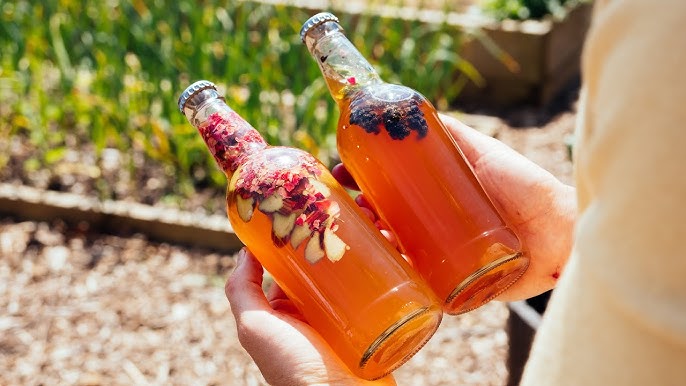
We pour the remaining kombucha into airtight glass bottles, adding optional flavorings such as:
- Fresh ginger slices
- Fruit chunks
- Herbal infusions
We seal the bottles and allow them to sit for 2–5 days at room temperature. This step creates natural carbonation.
Step 7 – Refrigerate and Serve
Once carbonation is achieved, we refrigerate the bottles to slow fermentation. Serve chilled for the best taste.
Pro Tips for Perfect Kombucha
- Always use filtered water to avoid chlorine interference
- Maintain consistent temperature for stable fermentation
- Use clean equipment to prevent contamination
- Avoid flavored teas during first fermentation
- Do not over-ferment, as it may become too acidic
Flavor Variations for Kombucha
We can elevate kombucha by experimenting with unique flavors:
Ginger Lemon Kombucha
- Fresh ginger slices
- Lemon juice
Berry Blast Kombucha
- Strawberries, blueberries, raspberries
Tropical Mango Kombucha
- Mango puree
- Pineapple juice
Mint Citrus Kombucha
- Fresh mint leaves
- Orange zest
Each variation enhances the drink with natural sweetness and aroma.
Health Benefits of Kombucha
Regular consumption of kombucha offers:
- Probiotics for improved gut health
- Antioxidants from tea
- Detoxifying properties
- Improved digestion
- Enhanced energy levels
Its fermentation process produces beneficial acids and enzymes that support overall wellness.
Common Mistakes to Avoid
- Using metal containers
- Adding SCOBY to hot tea
- Skipping starter tea
- Over-fermenting beyond taste preference
- Using dirty or contaminated equipment
Avoiding these ensures consistent, high-quality results.
How to Store Kombucha Properly
- Keep bottled kombucha in the refrigerator
- Consume within 2–4 weeks
- Open bottles carefully to release pressure
Proper storage maintains flavor and carbonation.
Scaling Your Kombucha Production
For larger batches:
- Increase ingredient quantities proportionally
- Use larger fermentation jars
- Maintain proper SCOBY-to-liquid ratio
This allows us to produce consistent results at scale.
FAQs about Kombucha Drink Recipe
1. What is kombucha?
Kombucha is a fermented tea drink made by combining sweetened tea with a culture of bacteria and yeast known as a SCOBY (Symbiotic Culture of Bacteria and Yeast). It has a slightly tangy, fizzy taste.
2. What ingredients are used in a kombucha drink recipe?
A basic recipe includes tea (usually black or green), sugar, water, and a SCOBY. The sugar feeds the fermentation process and is mostly consumed during brewing.
3. Is kombucha healthy?
Kombucha is often considered beneficial because it contains probiotics, which support gut health. However, it should be consumed in moderation.
4. How long does kombucha take to ferment?
Kombucha typically ferments for about 7 to 14 days, depending on temperature and taste preference. Longer fermentation results in a more tangy flavor.
5. Does kombucha contain alcohol?
Yes, kombucha naturally contains a small amount of alcohol due to fermentation, but it is usually very low and considered non-alcoholic.
6. Can I flavor kombucha at home?
Yes, after the first fermentation, you can add flavors like fruit, ginger, or herbs during a second fermentation to enhance taste and carbonation.
7. How should I store kombucha?
Store kombucha in sealed bottles in the refrigerator to slow fermentation and maintain freshness.
Conclusion
By following this precise step-by-step kombucha recipe, we achieve a perfect balance of sweetness, acidity, and carbonation. Homemade kombucha offers control, freshness, and customization, making it superior to store-bought alternatives. With consistent practice, we can refine our brewing process and create signature kombucha flavors that stand out.