Koginut Squash Recipe: Koginut squash recipe lovers appreciate this unique winter squash for its sweet, nutty flavor, smooth texture, and beautiful deep-orange flesh. It combines the best qualities of kabocha and butternut squash, making it one of the most delicious squash varieties for roasting, mashing, pureeing, or serving as a hearty side dish. In this guide, we prepare a simple, flavorful, and reliable koginut squash recipe that delivers rich taste, caramelized edges, and a tender center every time.
Whether we are planning a cozy family dinner, a holiday menu, or a healthy vegetable side for a weeknight meal, this recipe gives us a practical and satisfying way to cook koginut squash with excellent results.
What Is Koginut Squash?
Koginut squash is a hybrid winter squash known for its dense flesh, natural sweetness, and silky texture when cooked. It has a shape similar to butternut squash, but the taste is often deeper, richer, and more complex. Once roasted, the flesh becomes soft and almost creamy, which makes it ideal for both simple side dishes and elegant seasonal meals.
One of the best things about cooking with koginut squash is that it does not need much to taste outstanding. A little olive oil, salt, pepper, and heat are enough to bring out its naturally sweet, earthy flavor. That is why a well-made koginut squash recipe can feel refined while staying very easy to prepare.
Ingredients You’ll Need
For this classic roasted koginut squash recipe, we use simple ingredients that enhance the squash without overpowering it.
- 1 medium koginut squash
- 2 tablespoons olive oil
- 1 teaspoon kosher salt
- 1/2 teaspoon black pepper
- 1/2 teaspoon garlic powder
- 1/2 teaspoon smoked paprika
- 1 tablespoon maple syrup or honey
- 1 tablespoon melted butter
- Fresh thyme or rosemary, optional
- Pumpkin seeds, chopped parsley, or grated Parmesan, optional for garnish
These ingredients create a balanced result with savory depth, subtle sweetness, and a beautifully roasted finish.
Kitchen Tools for the Best Results
Before we begin, it helps to have the right tools ready. A few basic kitchen essentials make this recipe easier and safer.
- Sharp chef’s knife
- Cutting board
- Spoon for scooping seeds
- Vegetable peeler if peeling is preferred
- Large mixing bowl
- Sheet pan or baking tray
- Parchment paper
- Pastry brush, optional
Because winter squash can be firm, a sharp knife is especially important for cutting through the skin cleanly and safely.
How to Choose a Good Koginut Squash
A good koginut squash should feel heavy for its size and have firm skin without soft spots. Look for a squash with a dull, matte exterior rather than one that appears shiny. A firm stem is another good sign of freshness. The squash should feel solid and dense, which usually indicates flavorful flesh inside.
Smaller to medium-sized squashes often roast more evenly and are easier to cut. If the squash feels overly light or has wrinkled skin, it may be older and less flavorful.
How to Prepare Koginut Squash
Preparing the squash correctly is the first step toward a successful recipe.
1. Wash the Squash
Rinse the outside of the squash under cool water and dry it thoroughly. Since we cut through the skin, cleaning the exterior first keeps the inside flesh clean.
2. Trim the Ends
Place the squash on a stable cutting board and slice off the top and bottom ends. This creates a flat surface and makes the squash easier to handle.
3. Cut in Half
Using a sharp knife, carefully cut the squash lengthwise from top to bottom. If it is very firm, we can microwave it for 1 to 2 minutes to soften it slightly before cutting.
4. Scoop Out the Seeds
Use a spoon to remove the seeds and stringy center. The cavity should be clean and smooth before seasoning.
5. Peel or Leave the Skin On
For this koginut squash recipe, we can roast it either with the skin on or peeled, depending on the presentation we want. If the skin is tender enough after roasting, it may be edible. For cubes or a cleaner texture, peeling is the better option.
Step-by-Step Guide for Koginut Squash
Step 1: Preheat the Oven
Preheat the oven to 400°F (200°C). A hot oven is essential for caramelization and even cooking. Line a baking sheet with parchment paper for easier cleanup and better roasting.
Step 2: Cut the Squash
We can prepare koginut squash in two common ways:
- Halves for a simple roasted presentation
- Cubes for quicker cooking and more caramelized edges
For this version, cutting the squash into 1-inch cubes works especially well because it creates more surface area for browning and flavor.
Place the peeled and cubed squash into a large mixing bowl.
Step 3: Season the Squash
Add the olive oil, salt, black pepper, garlic powder, and smoked paprika to the bowl. Toss until all the pieces are evenly coated. Then drizzle in the maple syrup and melted butter for a touch of sweetness and richness.
At this stage, we may also add a few leaves of fresh thyme or a pinch of chopped rosemary for extra aroma.
Mix thoroughly so each piece is well seasoned.
Step 4: Arrange on the Baking Sheet
Spread the squash cubes in a single layer on the prepared baking sheet. Do not overcrowd the pan. Leaving space between the cubes helps them roast rather than steam.
If the pieces are piled too closely together, they will soften without developing that flavorful browned exterior that makes roasted squash so good.
Step 5: Roast Until Tender and Caramelized
Roast the squash for 30 to 40 minutes, turning once halfway through cooking. The exact time depends on the size of the cubes and the squash itself.
The squash is ready when:
- The edges are golden brown
- The centers are fork-tender
- The sugars have begun to caramelize
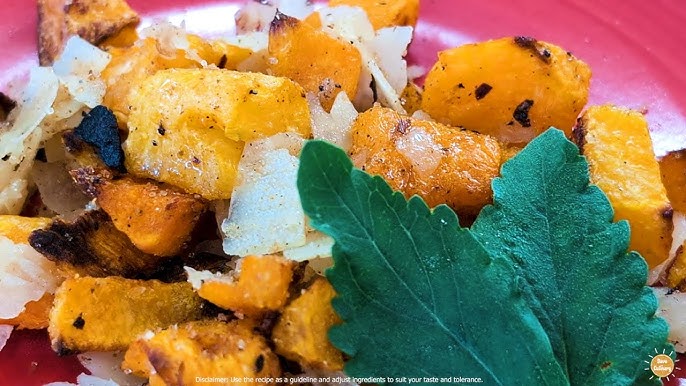
This roasting stage is what gives a koginut squash recipe its signature flavor. The natural sweetness becomes deeper, the texture softens beautifully, and the seasoning settles into the flesh.
Step 6: Finish and Serve
Remove the squash from the oven and let it rest for 2 to 3 minutes. Transfer to a serving dish and garnish as desired.
Excellent finishing options include:
- Fresh parsley
- Toasted pumpkin seeds
- Extra cracked black pepper
- A light sprinkle of Parmesan
- A final drizzle of maple syrup
Serve warm for the best texture and flavor.
Why This Koginut Squash Recipe Works
This recipe works because it lets the squash remain the star. The seasoning is simple, but every ingredient has a purpose.
- Olive oil helps the squash roast evenly
- Salt and pepper enhance the natural sweetness
- Garlic powder and smoked paprika add depth
- Maple syrup supports caramelization
- Butter gives richness and a smooth finish
The result is a dish that tastes warm, slightly sweet, savory, and deeply comforting.
Best Ways to Serve Roasted Koginut Squash
This koginut squash recipe is highly versatile and pairs well with many meals. We can serve it as:
- A holiday side dish
- A healthy weeknight vegetable
- A topping for grain bowls
- A filling addition to warm salads
- A side for roast chicken, turkey, or beef
- A base for a seasonal vegetarian plate
It also pairs well with wild rice, quinoa, lentils, sautéed greens, and creamy cheeses. The sweet-earthy flavor of koginut squash makes it easy to include in both simple and elevated menus.
Flavor Variations for Koginut Squash
One reason this recipe is so useful is that it can be adapted in several delicious ways.
Savory Herb Version
Use olive oil, salt, black pepper, rosemary, thyme, and garlic. Skip the maple syrup for a more herb-forward result.
Sweet and Spiced Version
Add cinnamon, nutmeg, and a little brown sugar or maple syrup. This variation works well for festive meals.
Spicy Roasted Version
Add chili flakes or cayenne pepper to introduce heat. The sweetness of the squash balances spice beautifully.
Cheesy Finish
Top the roasted squash with grated Parmesan or crumbled goat cheese just before serving for a more indulgent side dish.
How to Store Leftovers
If we have leftover roasted squash, let it cool completely before storing.
- Place it in an airtight container
- Refrigerate for up to 4 days
To reheat, place the squash in the oven at 375°F for about 10 minutes or warm it in a skillet over medium heat. Microwaving works too, though the edges may lose some crispness.
Leftover roasted koginut squash can also be added to wraps, pasta, soups, and grain bowls.
Can We Make This Recipe Ahead of Time?
Yes, this recipe is very make-ahead friendly. We can peel and cube the squash a day in advance and store it in the refrigerator. We can also roast it earlier in the day and reheat it just before serving.
This makes it especially useful for entertaining, meal prep, and holiday cooking when we want to reduce last-minute work in the kitchen.
Common Mistakes to Avoid
To get the best results from a koginut squash recipe, avoid these common issues:
Overcrowding the Pan
Crowded squash steams instead of roasts. Use enough space so the pieces brown properly.
Cutting Uneven Pieces
Uneven cubes cook at different rates. Try to keep them similar in size for even roasting.
Underseasoning
Squash needs proper seasoning to bring out its best flavor. Salt is especially important.
Roasting at Too Low a Temperature
A low oven can leave the squash pale and soft instead of caramelized and rich.
FAQs about Koginut Squash Recipe
1. What is koginut squash?
Koginut squash is a sweet and flavorful winter squash that is a cross between butternut squash and kabocha squash. It has smooth skin, deep orange flesh, and a rich, naturally sweet taste.
2. What does koginut squash taste like?
Koginut squash has a sweet, nutty, and creamy flavor. Many people say it tastes richer and sweeter than regular butternut squash, which makes it great for both savory and slightly sweet recipes.
3. Do I need to peel koginut squash before cooking?
Not always. The skin softens during roasting, so you can eat it if you like. However, some people still prefer to peel it for soups, purees, or smoother dishes.
4. How can I cook koginut squash?
You can prepare koginut squash by roasting, steaming, mashing, or adding it to soups and salads. Roasting is one of the most popular methods because it brings out its natural sweetness.
5. What seasonings go well with koginut squash?
Koginut squash pairs well with olive oil, butter, garlic, sage, rosemary, cinnamon, nutmeg, salt, and black pepper. Both savory and warm sweet spices work well.
6. How do I know when koginut squash is fully cooked?
It is done when the flesh becomes soft and tender and can easily be pierced with a fork. Roasted squash should also look lightly caramelized around the edges.
7. Can I store leftover koginut squash?
Yes, cooked koginut squash can be stored in an airtight container in the refrigerator for about 3 to 4 days. You can reheat it or use it in other meals later.
Final Thoughts
A well-prepared koginut squash recipe brings out everything that makes this winter squash special: sweetness, depth, creaminess, and beautiful roasted flavor. With a few pantry ingredients and a straightforward roasting method, we can turn a simple vegetable into a memorable dish that feels both nourishing and impressive.
This recipe is ideal for anyone who wants a dependable way to cook koginut squash with excellent flavor and texture. It is easy enough for a weeknight dinner, yet elegant enough for a holiday table. Once roasted until tender and golden, koginut squash becomes one of the most rewarding seasonal ingredients we can serve.
When we want a side dish that is comforting, flavorful, and visually appealing, this step-by-step koginut squash recipe is one of the best ways to bring seasonal cooking to the table.