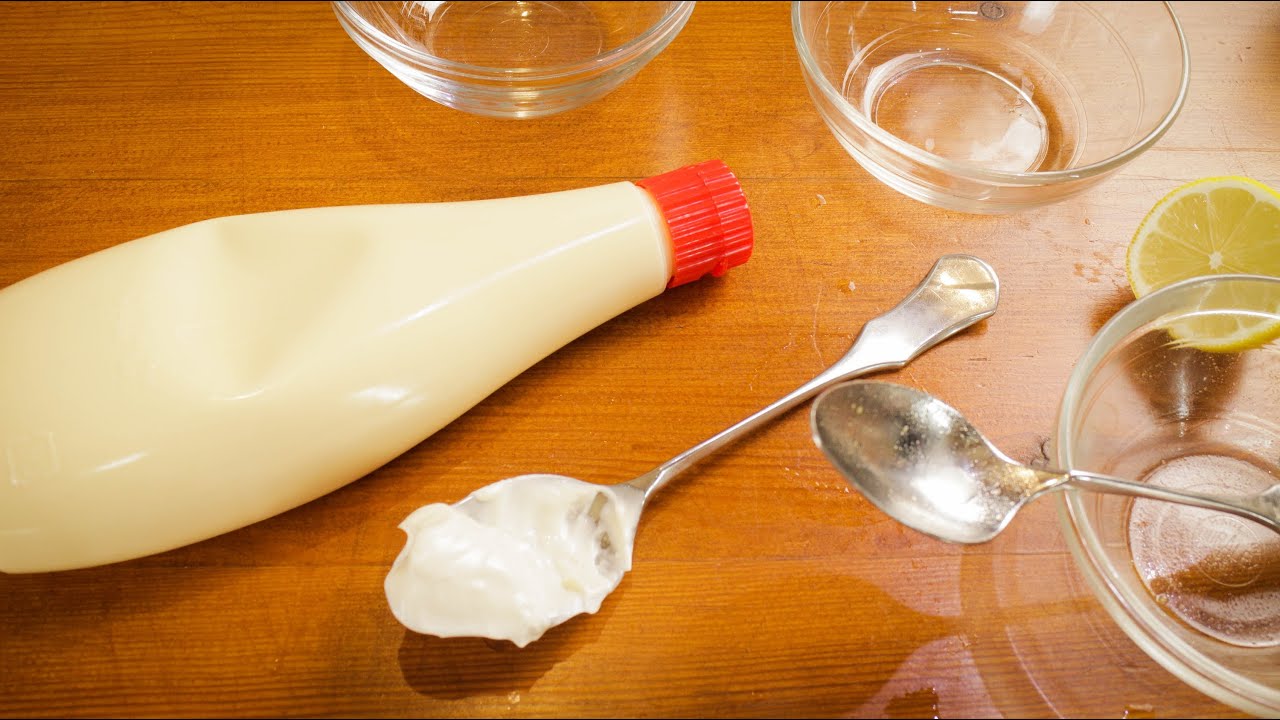
Kewpie mayonnaise recipe is loved for its rich texture, deep umami flavor, and silky finish. Unlike standard mayonnaise, this Japanese-style version is known for its egg-yolk richness, mild sweetness, and balanced tang. When we make it at home, we get full control over the flavor, texture, and quality of ingredients. The result is a smooth, creamy, restaurant-style mayonnaise that works beautifully in sandwiches, salads, sushi bowls, dips, wraps, burgers, and marinades.
Making this recipe from scratch is simple when we follow the right method. With a few pantry staples and the correct mixing technique, we can create a homemade version that tastes luxurious, fresh, and deeply satisfying.
What Makes Kewpie Mayonnaise Different
Kewpie mayonnaise stands apart from regular mayonnaise because it uses egg yolks instead of whole eggs. This creates a thicker, richer, and more velvety consistency. It also usually includes rice vinegar or a milder vinegar, which gives it a softer tang than traditional Western mayonnaise. A touch of sugar helps round out the acidity, while mustard adds subtle depth without overpowering the overall flavor.
Another key part of its flavor is umami. Traditional Japanese-style mayonnaise often has a savory depth that makes it addictive. This is why it tastes excellent not only as a spread, but also as a finishing sauce drizzled over fried foods, roasted vegetables, grilled meats, and rice dishes.
Ingredients You’ll Need
To make a smooth and flavorful Kewpie mayonnaise recipe, we need the following ingredients:
- 2 large egg yolks
- 1 tablespoon Dijon mustard
- 1 tablespoon rice vinegar
- 1 teaspoon lemon juice
- 1 teaspoon sugar
- 1/2 teaspoon salt
- 1 cup neutral oil such as canola, sunflower, or vegetable oil
- 1/4 teaspoon MSG for authentic umami flavor, optional but highly recommended
These ingredients create a balanced mayonnaise with the classic creamy taste and light tang associated with Japanese mayo.
Best Ingredients for the Most Authentic Flavor
The quality of ingredients matters. For the best results, we should use fresh egg yolks, a neutral-flavored oil, and rice vinegar. Olive oil is not ideal here because its flavor can be too strong and bitter. Neutral oil allows the yolks, vinegar, and seasoning to shine.
For the umami character, adding a small amount of MSG makes a noticeable difference. It helps recreate the signature savory taste associated with authentic Japanese mayonnaise. If we want a cleaner flavor profile, we can leave it out, but the final result will be slightly less complex.
Kitchen Tools We Need
This recipe is easy with basic kitchen equipment. We only need:
- A mixing bowl
- A whisk or hand mixer
- A measuring spoon
- A small jug for pouring oil slowly
- A clean jar or airtight container for storage
A whisk gives great control, while a hand mixer makes the process faster. Both methods work well.
How to Make Kewpie Mayonnaise Step by Step
Step 1: Prepare the Base
Place the egg yolks, Dijon mustard, rice vinegar, lemon juice, sugar, salt, and MSG into a clean mixing bowl. Whisk them together until the mixture becomes smooth, glossy, and fully combined.
This first stage is important because it creates the flavor base and helps the emulsion form correctly once the oil is added.
Step 2: Start Adding the Oil Very Slowly
Begin adding the oil drop by drop while whisking constantly. This is the most important part of the recipe. If we add the oil too quickly in the beginning, the mayonnaise may not emulsify properly.
Once the mixture starts to thicken, we can pour the oil in a very thin, steady stream while continuing to whisk. The mixture will gradually become pale, creamy, and thick.
Step 3: Whisk Until Thick and Silky
Continue whisking until all the oil has been incorporated. At this stage, the mayonnaise should look smooth, dense, and luxuriously creamy. It should hold its shape on a spoon while still feeling soft and spreadable.
If the mixture becomes too thick, we can loosen it with a few drops of water or extra lemon juice.
Step 4: Taste and Adjust
Taste the mayonnaise and adjust if needed. If we want more tang, add a little more rice vinegar or lemon juice. If we want it slightly sweeter, add a tiny pinch of sugar. For a more savory finish, a small pinch of salt or MSG can sharpen the flavor.
The goal is a balanced taste with creaminess, mild acidity, subtle sweetness, and umami depth.
Step 5: Chill Before Serving
Transfer the mayonnaise to a jar or airtight container and refrigerate it for at least 30 minutes before using. Chilling improves the texture and helps the flavors settle into a smoother, more cohesive finish.
How to Fix Broken Mayonnaise
Sometimes homemade mayonnaise can split or fail to thicken. This is easy to fix. If that happens, place one fresh egg yolk in a clean bowl and whisk it. Then slowly add the broken mixture into the new yolk, just as we would with oil. This usually brings the emulsion back together.
Another common issue is adding the oil too fast. The solution is patience. Starting slowly gives the yolks enough time to bind with the oil and form a stable emulsion.
Tips for a Perfect Kewpie Mayonnaise Recipe
For the best homemade result, these tips make a big difference:
Use Room Temperature Ingredients
Cold ingredients can make emulsification harder. Let the egg yolks and vinegar sit at room temperature for a short time before mixing.
Pour Oil Gradually
The slow start is essential. Once the mixture thickens, we can increase the speed slightly.
Choose Neutral Oil
A clean, light oil gives the classic flavor and prevents bitterness.
Whisk Continuously
Constant whisking creates the smooth, stable texture that defines great mayonnaise.
Season Carefully
Kewpie-style mayonnaise should taste balanced, not harsh. The acidity, sweetness, salt, and umami should work together.
How to Use Kewpie Mayonnaise
One reason this Kewpie mayonnaise recipe is so popular is its versatility. It can be used in many delicious ways.
As a Sandwich Spread
Its creamy texture and savory richness make it perfect for sandwiches, burgers, wraps, and toast.
With Sushi and Rice Bowls
It pairs beautifully with sushi rolls, poke bowls, rice bowls, and seafood dishes.
As a Dipping Sauce
We can serve it with fries, roasted potatoes, tempura, fried chicken, or grilled vegetables.
For Salads
It adds depth to potato salad, coleslaw, pasta salad, egg salad, and tuna salad.
As a Drizzle
It looks and tastes excellent drizzled over okonomiyaki, takoyaki, grilled corn, or baked dishes.
Flavor Variations to Try
Homemade mayonnaise also gives us room to create custom versions.
Spicy Kewpie Mayo
Mix in sriracha, chili sauce, or cayenne pepper for a spicy version that works well on burgers, fries, sushi, and grilled chicken.
Garlic Kewpie Mayo
Add finely grated garlic or roasted garlic for a stronger savory spread.
Lemon Kewpie Mayo
Increase the lemon juice slightly for a brighter finish that pairs well with seafood.
Sesame Kewpie Mayo
A small drop of toasted sesame oil can add a deeper Asian-inspired flavor. Use very little so it does not overpower the mayonnaise.
How to Store Homemade Kewpie Mayonnaise
Because this recipe uses fresh egg yolks, it should be stored in the refrigerator in a clean, airtight container. It is best enjoyed within 3 to 5 days for freshness and flavor. Always use a clean spoon when scooping to keep it in the best condition.
If the smell, texture, or color changes, it should be discarded immediately.
Why Homemade Kewpie Mayo Is Worth Making
Store-bought versions are convenient, but homemade Kewpie mayonnaise recipe offers better freshness, customizable seasoning, and a cleaner ingredient list. We can make it richer, tangier, sweeter, or more savory depending on the dish we want to pair it with. The homemade version also has a fresher aroma and a more natural finish that tastes excellent in both simple and elevated meals.
When we make it ourselves, we also learn the basic mayonnaise method, which can be adapted for many sauces and dressings. It is a practical kitchen skill with big payoff.
Common Mistakes to Avoid
To get the best result every time, we should avoid these mistakes:
- Adding oil too quickly at the beginning
- Using strongly flavored oil
- Skipping seasoning adjustments
- Using very cold ingredients
- Stopping whisking too early
Each of these can affect texture or flavor. With a careful approach, the recipe becomes easy and reliable.
Serving Ideas for Everyday Meals
This mayonnaise fits effortlessly into everyday cooking. We can spread it on a chicken sandwich, mix it into a creamy coleslaw, drizzle it over a rice bowl, or serve it beside crispy snacks. It also works as a quick finishing sauce for grilled meats and vegetables. Even a simple boiled egg or roasted potato becomes more satisfying with a spoonful of this rich, savory mayo.
FAQs about Kewpie Mayonnaise Recipe
1. What is Kewpie mayonnaise?
Kewpie mayonnaise is a rich, creamy Japanese-style mayonnaise known for its smooth texture and slightly tangy, savory taste. It is often made with egg yolks, oil, and vinegar or lemon juice.
2. What makes Kewpie mayonnaise different from regular mayonnaise?
The main difference is that Kewpie mayonnaise usually uses only egg yolks instead of whole eggs, which gives it a richer flavor and creamier consistency. It also often has a more pronounced umami taste.
3. Can I make Kewpie mayonnaise at home?
Yes, you can make a homemade version using egg yolks, neutral oil, rice vinegar, mustard, salt, and a little sugar. Blending the ingredients slowly helps create a thick and smooth texture.
4. What oil is best for Kewpie mayonnaise recipe?
A neutral-flavored oil such as canola oil, vegetable oil, or sunflower oil works best. Strong oils can overpower the delicate flavor.
5. How long does homemade Kewpie mayonnaise last?
Homemade Kewpie mayonnaise usually lasts about 3 to 5 days in the refrigerator when stored in an airtight container. Because it contains raw egg yolks, it should be kept chilled at all times.
6. What can I use Kewpie mayonnaise for?
You can use it for sandwiches, salads, sushi rolls, dips, burgers, and drizzling over roasted vegetables. It adds a creamy and savory touch to many dishes.
7. Can I use lemon juice instead of vinegar?
Yes, lemon juice can be used, but it will slightly change the flavor. Rice vinegar is more traditional and gives the mayonnaise its classic taste.
Final Thoughts
This Kewpie mayonnaise recipe delivers everything we want in a homemade condiment: creaminess, depth, balance, and versatility. It is easy to prepare, deeply flavorful, and useful in a wide range of meals. Once we master the method, we can make it anytime with confidence and enjoy a fresher, richer alternative to ordinary mayonnaise.
For a smooth texture, a deeply savory finish, and a true homemade upgrade, this recipe is one we will return to again and again.