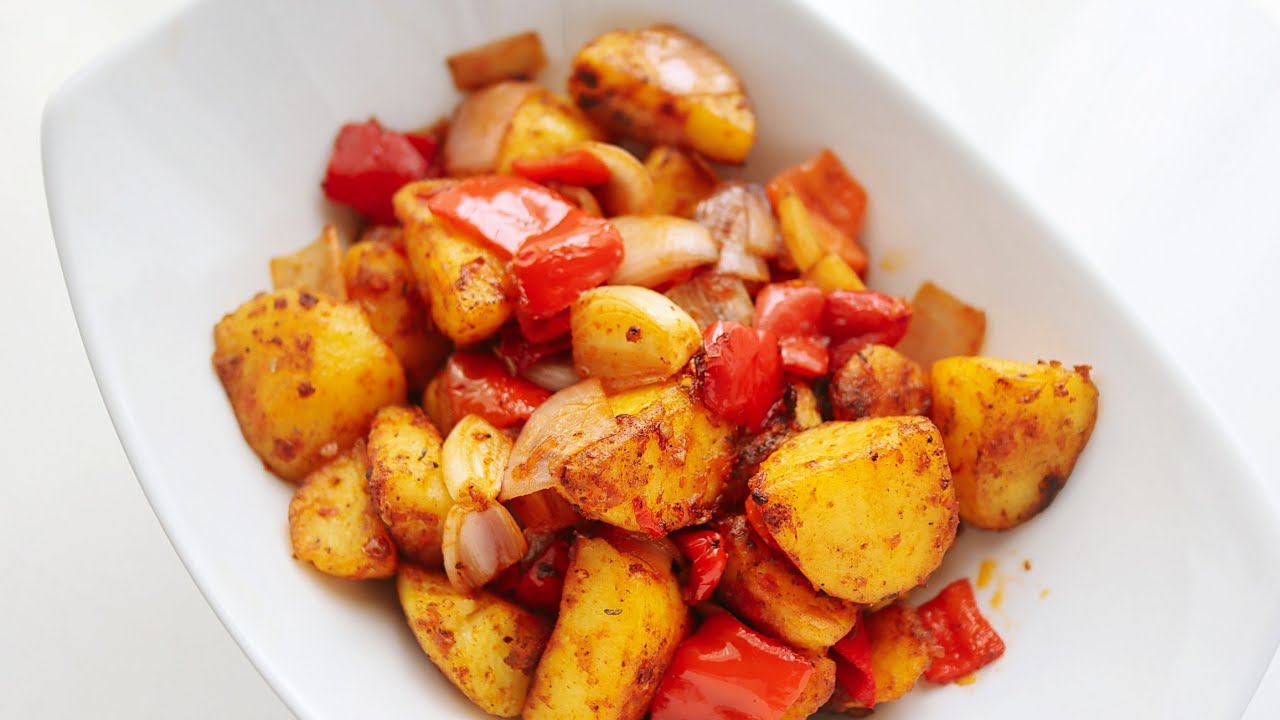
Irish Potatoes Recipe: Irish potatoes are one of the most comforting, affordable, and versatile dishes we can prepare in the kitchen. With their creamy interior, delicate earthy flavor, and satisfying texture, they remain a timeless favorite for everyday meals and traditional family tables alike. When we prepare an authentic Irish potatoes recipe, the goal is not to overcomplicate the process. Instead, we focus on simple ingredients, proper cooking, and rich flavor that allow the potatoes to shine.
This guide walks through everything we need to make perfect Irish potatoes from start to finish, including the best ingredients, preparation tips, cooking method, serving ideas, and common mistakes to avoid.
What Are Irish Potatoes?
When we talk about Irish potatoes, we usually mean fresh white or yellow potatoes prepared in a simple, hearty style that reflects traditional Irish home cooking. These potatoes can be boiled, mashed, roasted, or cooked with butter and herbs, depending on the meal and regional preference. The beauty of this dish lies in its simplicity and depth of flavor.
Potatoes have long been central to Irish cuisine because they are filling, nutritious, budget-friendly, and easy to pair with meats, vegetables, and sauces. A well-made Irish potatoes recipe delivers a soft, fluffy interior with a rich buttery finish that works beautifully as a side dish or even as the centerpiece of a humble meal.
Ingredients You’ll Need
To make a classic Irish potatoes recipe, we need only a few reliable ingredients:
- 2 pounds potatoes (Yukon Gold, white potatoes, or floury potatoes)
- 4 tablespoons unsalted butter
- 1/2 cup whole milk or warm cream
- 1 teaspoon salt, or to taste
- 1/2 teaspoon black pepper
- 2 tablespoons chopped fresh parsley or chives
- 2 green onions, finely sliced, optional
- 1 garlic clove, minced, optional
- Extra butter for serving
These ingredients create a dish that is creamy, flavorful, and deeply satisfying. If we want a more traditional rustic finish, we can leave part of the skin on the potatoes for added texture and a more wholesome presentation.
How to Choose the Best Potatoes
The quality of the final dish starts with the potatoes we select. For the best results, we should choose potatoes that are:
- Firm
- Smooth-skinned
- Free from sprouts
- Free from green patches
- Even in size
For a fluffy and creamy texture, Yukon Gold or Maris Piper-style potatoes work especially well. These varieties absorb butter and milk beautifully without becoming gluey. If we prefer a firmer texture that holds its shape after boiling, white potatoes are a strong choice.
Fresh potatoes with good starch balance produce a dish that tastes richer and feels more authentic.
Preparing the Potatoes Properly
Before cooking, we need to prepare the potatoes carefully. Start by washing them thoroughly under running water to remove any dirt. Peel them if we want a smooth, classic finish, or leave some skin on for a rustic version.
Next, cut the potatoes into even chunks. This step matters because uniform pieces cook at the same rate. If some pieces are too small while others are too large, the smaller ones may become waterlogged before the larger ones are fully tender.
Once cut, place the potatoes in a bowl of cold water briefly if needed. This helps rinse away excess surface starch and keeps them from discoloring before cooking.
Step-by-Step Guide for Irish Potatoes
Step 1 – Boil the Potatoes
Place the cut potatoes into a large pot and cover them with cold water. Add a generous pinch of salt. Starting with cold water helps the potatoes cook evenly from the inside out.
Bring the pot to a gentle boil over medium-high heat. Once boiling, reduce the heat slightly and let the potatoes simmer for about 15 to 20 minutes, depending on their size. They are ready when a fork or knife slides in easily without resistance.
Avoid aggressive boiling, as this can break the potatoes apart and cause them to absorb too much water.
Step 2 – Drain Thoroughly
Once the potatoes are tender, drain them immediately in a colander. Let them sit for a minute or two so excess moisture can evaporate. This step is essential because waterlogged potatoes will dilute the flavor and ruin the creamy texture we want.
For even better results, return the drained potatoes to the warm pot over low heat for about 30 to 60 seconds. Shake the pot gently. This dries the potatoes further and concentrates their natural flavor.
Step 3 – Warm the Butter and Milk
While the potatoes are still hot, warm the butter and milk together in a small saucepan. Do not boil them. Gentle warming helps the potatoes absorb the liquid more evenly, creating a smoother and richer result.
Cold milk added directly to hot potatoes can reduce temperature quickly and make the mixture less silky. Warm ingredients always produce a better finish.
Step 4 – Mash the Potatoes
Mash the potatoes using a potato masher until they reach the texture we prefer. Some people enjoy them very smooth, while others prefer a slightly rustic consistency with a few small lumps.
Pour in the warm butter and milk mixture gradually while mashing. Season with salt and black pepper. Stir until the potatoes become light, fluffy, and creamy.
If using garlic, green onions, or fresh herbs, fold them in at this stage. These additions give the dish extra character without overwhelming its classic flavor.
Step 5 – Finish and Serve
Spoon the mashed Irish potatoes into a serving bowl. Top with extra butter, chopped parsley, or chives for a fresh finish. Serve immediately while hot.
The finished potatoes should be soft, buttery, and full of comforting flavor. They should hold their shape on the plate while still feeling creamy with every bite.
Tips for the Best Irish Potatoes Recipe
A few practical details can make a major difference in the final dish:
Use salted cooking water
Potatoes need seasoning from the beginning. Salting the water gives them flavor all the way through.
Do not overmix
Overworking potatoes can make them sticky or glue-like. Mash only until combined and smooth enough for serving.
Warm the dairy
Warm butter and milk blend more easily and keep the potatoes soft and fluffy.
Drain well
Too much moisture weakens both flavor and texture.
Serve immediately
Irish potatoes taste best when fresh and hot. This is when the butter aroma and creamy texture are at their peak.
Optional Variations
One reason this Irish potatoes recipe remains popular is that it can be adapted in several delicious ways.
Irish Potatoes with Green Onions
Adding sliced green onions creates a version similar to colcannon-style potatoes, especially when paired with butter and herbs. The onions bring a mild sharpness that balances the richness.
Garlic Irish Potatoes
A little minced garlic or roasted garlic adds warmth and deeper savory flavor. This variation works especially well with roast chicken or grilled meat.
Creamy Irish Potatoes with Cheese
For a richer dish, we can stir in a small amount of sharp cheddar cheese. The result is more indulgent while still keeping the potato base central.
Rustic Irish Potatoes
Leaving part of the potato skin on creates a more rustic side dish with extra texture and a homemade appearance.
What to Serve with Irish Potatoes
Irish potatoes pair beautifully with many classic meals. They are especially good with:
- Roast chicken
- Beef stew
- Grilled sausages
- Lamb dishes
- Pan-fried fish
- Cabbage and carrots
- Mushroom gravy
- Braised meats
Their mild flavor makes them an excellent companion for rich sauces, roasted vegetables, and savory main dishes. They also fit perfectly into holiday menus and Sunday family dinners.
Common Mistakes to Avoid
Even a simple potato recipe can go wrong if basic details are ignored.
Starting with hot water
This can cook the outside too fast while the center remains firm.
Using too much liquid
Excess milk or cream can make the potatoes loose and watery.
Skipping seasoning
Without enough salt and pepper, the potatoes taste flat.
Using the wrong tool
A blender or food processor can make potatoes gummy. A masher is the better choice.
Letting them sit too long
Potatoes lose their best texture when left standing for too long before serving.
Why This Irish Potatoes Recipe Works
This recipe works so well because it respects the natural strengths of the potato. We do not bury the dish under too many ingredients. We build flavor through proper boiling, careful draining, rich butter, warm milk, and balanced seasoning. The result is a side dish that feels both classic and deeply satisfying.
Irish potatoes are proof that simple food can still be memorable. When made properly, they offer comfort, warmth, and rich homemade flavor that never goes out of style.
FAQs about Irish Potatoes Recipe
1. What are Irish potatoes?
Irish potatoes are white potatoes commonly used in many everyday meals. They are versatile, affordable, and can be boiled, fried, baked, mashed, or roasted.
2. Do I need to peel Irish potatoes before cooking?
Not always. You can peel them if you want a smoother texture, but leaving the skin on adds extra texture and nutrients.
3. How do I keep potatoes from getting mushy?
To avoid mushy potatoes, do not overcook them. In addition, use the right cooking method and check them often with a fork.
4. What seasoning goes well with Irish potatoes?
Irish potatoes taste great with salt, black pepper, garlic, butter, parsley, paprika, thyme, and rosemary. These simple seasonings bring out their natural flavor.
5. Can I cook Irish potatoes without boiling them first?
Yes, you can roast, fry, or bake them directly. However, some recipes boil them first to make cooking faster and easier.
6. How long do Irish potatoes take to cook?
The cooking time depends on the method. Boiling usually takes 15 to 20 minutes, while roasting or baking may take longer.
7. How should I store raw Irish potatoes?
Store them in a cool, dry, and dark place. Avoid keeping them in the refrigerator because that can affect their texture and taste.
8. What can I serve with Irish potatoes?
Irish potatoes go well with eggs, chicken, fish, beef, vegetables, sauces, and stews. As a result, they are perfect for breakfast, lunch, or dinner.
Final Thoughts
A traditional Irish potatoes recipe deserves a place in every kitchen because it is easy to prepare, budget-friendly, family-friendly, and consistently delicious. With only a few ingredients and the right method, we can create a dish that tastes wholesome, hearty, and truly comforting.
Whether we serve these potatoes with roasted meat, vegetables, or a rich gravy, they always deliver the kind of flavor and texture people return to again and again. By choosing good potatoes, seasoning them properly, and finishing them with butter and herbs, we turn an everyday ingredient into a dish that feels timeless.
If the goal is a reliable, flavorful, and satisfying potato side dish, this step-by-step Irish potatoes recipe remains one of the very best options to make at home.