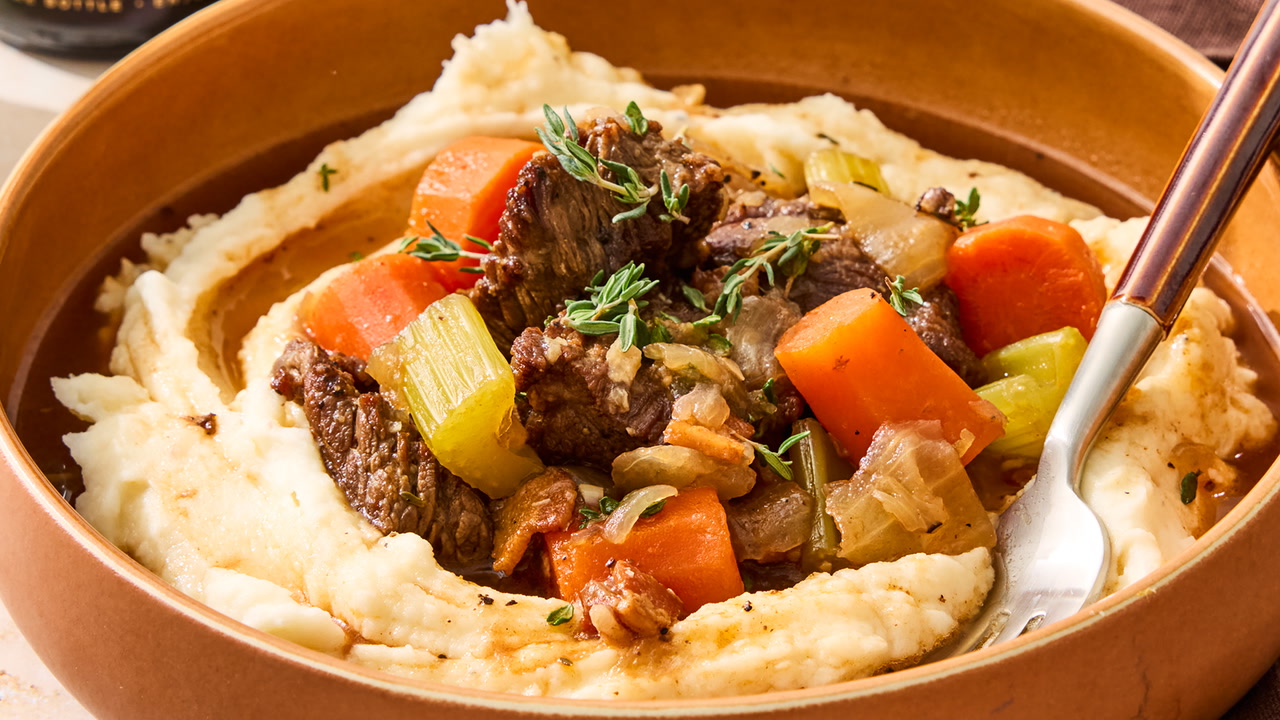
An Irish beef casserole recipe is the kind of meal we turn to when we want something deeply comforting, rich, hearty, and full of slow-cooked flavor. It brings together tender beef, rustic vegetables, savory broth, fragrant herbs, and a thick, warming gravy that transforms simple ingredients into a memorable dish. This is a classic one-pot meal that suits family dinners, cold evenings, meal prep, and special weekend cooking alike.
This guide covers everything needed to make a flavor-packed Irish beef casserole from scratch, including the ingredients, preparation method, cooking technique, and expert tips for getting the best texture and taste.
Ingredients You’ll Need
To make a rich and traditional Irish beef casserole recipe, we need wholesome ingredients that build flavor layer by layer.
For the Beef Casserole
- 2 pounds beef chuck or stewing beef, cut into medium chunks
- 2 tablespoons all-purpose flour
- 1 teaspoon salt
- 1 teaspoon black pepper
- 2 to 3 tablespoons vegetable oil
- 1 large onion, chopped
- 3 cloves garlic, minced
- 3 large carrots, peeled and sliced
- 2 celery stalks, sliced
- 2 parsnips, peeled and chopped
- 2 tablespoons tomato paste
- 2 cups beef stock
- 1 cup dark stout or extra beef stock
- 2 teaspoons Worcestershire sauce
- 2 bay leaves
- 1 teaspoon dried thyme
- 1 teaspoon dried rosemary
- 1 tablespoon fresh parsley, chopped
- 12 small baby potatoes or 3 medium potatoes, chopped
- 1 cup mushrooms, halved
- 1 teaspoon sugar optional
- 1 tablespoon butter optional, for extra richness
Optional Garnishes
- Fresh parsley
- Cracked black pepper
- Mashed potatoes or crusty bread for serving
Why These Ingredients Work So Well
The success of an Irish beef casserole recipe depends on balance. Beef chuck is ideal because it contains enough connective tissue and marbling to become tender during slow cooking. Carrots, parsnips, celery, and potatoes create the rustic vegetable base associated with traditional Irish cooking. Tomato paste deepens the savory profile, while beef stock provides a rich foundation.
Adding stout gives the casserole a darker, fuller taste with subtle roasted notes. It does not overpower the dish when used correctly. Instead, it enhances the beef and brings a more authentic, pub-style depth. Thyme, rosemary, bay leaves, and parsley add fragrant layers that keep the casserole from tasting flat.
How to Prepare the Beef for the Best Texture
Before cooking, we should pat the beef dry with paper towels. This simple step helps the meat brown properly instead of steaming. Once dry, the beef should be tossed with flour, salt, and black pepper. The flour creates a light coating that helps develop a flavorful crust during browning and also thickens the casserole as it cooks.
Step 1 – Brown the Beef Properly
Heat the oil in a large heavy-bottomed pot, Dutch oven, or casserole dish over medium-high heat. Once the oil is hot, add the beef in batches. Do not overcrowd the pot. Browning in batches is important because it allows each piece to develop a deep golden crust.
Cook each batch for about 3 to 4 minutes per side, then remove the browned beef and set it aside. This stage is one of the most important parts of the recipe. The browned bits left at the bottom of the pot create a concentrated flavor base that gives the finished casserole its rich taste.
Step 2 – Build the Flavor Base
Reduce the heat to medium. Add the chopped onion to the same pot and cook for 3 to 4 minutes until softened. Stir in the garlic, carrots, celery, and parsnips. Cook for another 5 minutes, allowing the vegetables to pick up the beef drippings and begin to soften.
Next, stir in the tomato paste and cook for 1 to 2 minutes. This short cooking time removes raw acidity and gives the casserole a fuller, deeper flavor. Once the tomato paste darkens slightly, the base is ready for liquid.
Step 3 – Deglaze and Add the Liquid
Pour in the stout or a portion of the beef stock and scrape the bottom of the pot with a wooden spoon. This lifts all the browned bits into the sauce, where they belong. Add the rest of the stock, Worcestershire sauce, bay leaves, thyme, rosemary, and sugar if using.
Return the browned beef to the pot, along with any juices collected on the plate. Stir well so the beef is evenly coated and submerged in the liquid as much as possible.
Step 4 – Add the Potatoes and Mushrooms
Add the potatoes and mushrooms to the casserole. Stir gently. The potatoes will cook directly in the broth, absorbing flavor while helping make the dish more substantial. Mushrooms add another savory layer and complement the beef beautifully.
At this point, the casserole should look rustic and generous, with enough liquid to simmer steadily without drying out. If needed, add a small amount of extra stock.
Step 5 – Simmer Slowly Until Tender
Bring the casserole to a gentle simmer, then reduce the heat to low. Cover the pot with a lid and cook for 1 hour 45 minutes to 2 hours 15 minutes, stirring occasionally. The beef should become very tender, and the vegetables should be soft but not mushy.
If cooking in the oven, preheat it to 325°F (163°C), cover the pot, and bake for about 2 to 2½ hours. Oven cooking produces especially even heat and excellent texture.
The casserole is ready when the beef can be cut easily with a spoon and the sauce has thickened into a rich gravy. For an even thicker finish, remove the lid during the last 20 to 30 minutes of cooking.
Step 6 – Finish and Adjust the Flavor
Once the casserole is fully cooked, remove the bay leaves. Stir in the chopped parsley and butter if using. Taste the sauce and adjust the seasoning with more salt or black pepper if needed.
A well-made Irish beef casserole recipe should taste deep, savory, slightly earthy, and beautifully rounded. The broth should not be watery. The beef should not be chewy. The vegetables should hold their shape while blending into the sauce.
Serving Suggestions for Irish Beef Casserole
This casserole is satisfying on its own, but it becomes even better when served with the right sides. We can serve it with:
- Creamy mashed potatoes
- Irish soda bread
- Buttered cabbage
- Steamed green beans
- Crusty artisan bread
- Simple peas with herbs
Mashed potatoes are especially good because they soak up the thick gravy and create a classic comfort-food plate. A slice of warm bread is equally useful for catching every last bit of the sauce.
Expert Tips for the Best Irish Beef Casserole Recipe
Choose the Right Cut
Use beef chuck, braising steak, or stewing beef. Lean cuts do not develop the same tenderness or richness during slow cooking.
Do Not Rush the Browning
A pale exterior means less flavor. The deep brown crust on the beef is essential for a casserole with strong savory character.
Cook Low and Slow
High heat can toughen the beef and reduce the sauce too quickly. Gentle simmering produces the best texture.
Let It Rest Before Serving
Allow the casserole to sit for 10 to 15 minutes after cooking. This helps the sauce settle and the flavor deepen.
Make It a Day Ahead
This dish often tastes even better the next day because the ingredients have more time to meld. Reheat gently on the stove with a splash of stock if needed.
Common Mistakes to Avoid
One common mistake is using too much liquid. A casserole should be rich and spoonable, not thin like soup. Another mistake is skipping the flour coating or failing to brown the beef thoroughly. That step is critical for both texture and flavor.
Overcooking the vegetables at the start can also lead to a mushy casserole later. They only need a short sauté before the slow simmer. Finally, seasoning only at the beginning can leave the final dish underpowered. The flavor should always be checked and adjusted at the end.
Easy Variations to Try
A traditional Irish beef casserole recipe is excellent as written, but a few adjustments can create different versions while keeping the spirit of the dish intact.
With Pearl Barley
Add ¼ to ½ cup pearl barley for a thicker, heartier texture.
With Turnips
Swap some of the potatoes for turnips for a more traditional root-vegetable profile.
Without Stout
Use extra beef stock for a milder flavor while still keeping the casserole rich and comforting.
With Red Wine
Replace part of the stock with red wine for a deeper, more robust variation.
With Fresh Herbs
Use fresh thyme and rosemary instead of dried herbs for a brighter, fresher finish.
How to Store and Reheat
Allow the casserole to cool fully before storing. Transfer it to an airtight container and refrigerate for up to 4 days. For longer storage, freeze it for up to 3 months.
To reheat, place the casserole in a pot over low heat and stir occasionally until hot. Add a little stock or water if the sauce has thickened too much. Reheating in the microwave also works, though the stovetop gives better control and preserves texture more effectively.
FAQs about Irish Beef Casserole Recipe
1. What is Irish beef casserole?
Irish beef casserole is a hearty, slow-cooked dish made with beef, vegetables, broth, and herbs. It is known for its rich flavor and comforting texture.
2. What cut of beef is best for this recipe?
Chuck, stewing beef, or brisket are ideal because they become tender when cooked slowly. These cuts absorb flavor well and create a soft, juicy result.
3. What vegetables are commonly used?
Typical vegetables include potatoes, carrots, onions, celery, and sometimes mushrooms. These ingredients add both flavor and texture to the dish.
4. Can I cook Irish beef casserole in the oven?
Yes, it is often cooked in the oven at a low temperature for several hours. This allows the beef to become tender and flavorful.
5. Can I make it on the stovetop or in a slow cooker?
Yes, you can cook it on the stovetop or in a slow cooker. Both methods work well as long as the dish is cooked slowly.
6. What liquid is used in Irish beef casserole?
The casserole is usually made with beef broth or stock. Some recipes also include stout beer for a deeper and richer taste.
7. How long does it take to cook?
It typically takes about 2 to 3 hours to cook, depending on the method. Slow cooking helps develop the best flavor.
8. How do I store leftover Irish beef casserole?
Store leftovers in an airtight container in the refrigerator for up to 3 to 4 days. It can also be frozen for longer storage and reheated when needed.
Conclusion
A strong Irish beef casserole recipe delivers everything we want from a classic comfort meal: tender beef, robust gravy, nourishing vegetables, simple preparation, and deeply satisfying flavor. It feels traditional without being outdated, hearty without being complicated, and impressive without requiring difficult techniques.
This is the kind of recipe we can trust for family meals, casual gatherings, or quiet evenings when only a warm, slow-cooked dish will do. It rewards patience, uses everyday ingredients wisely, and creates a meal that tastes generous and complete.
When prepared with care, this casserole becomes more than just a one-pot dinner. It becomes a dependable classic—rich, rustic, flavorful, and unforgettable.