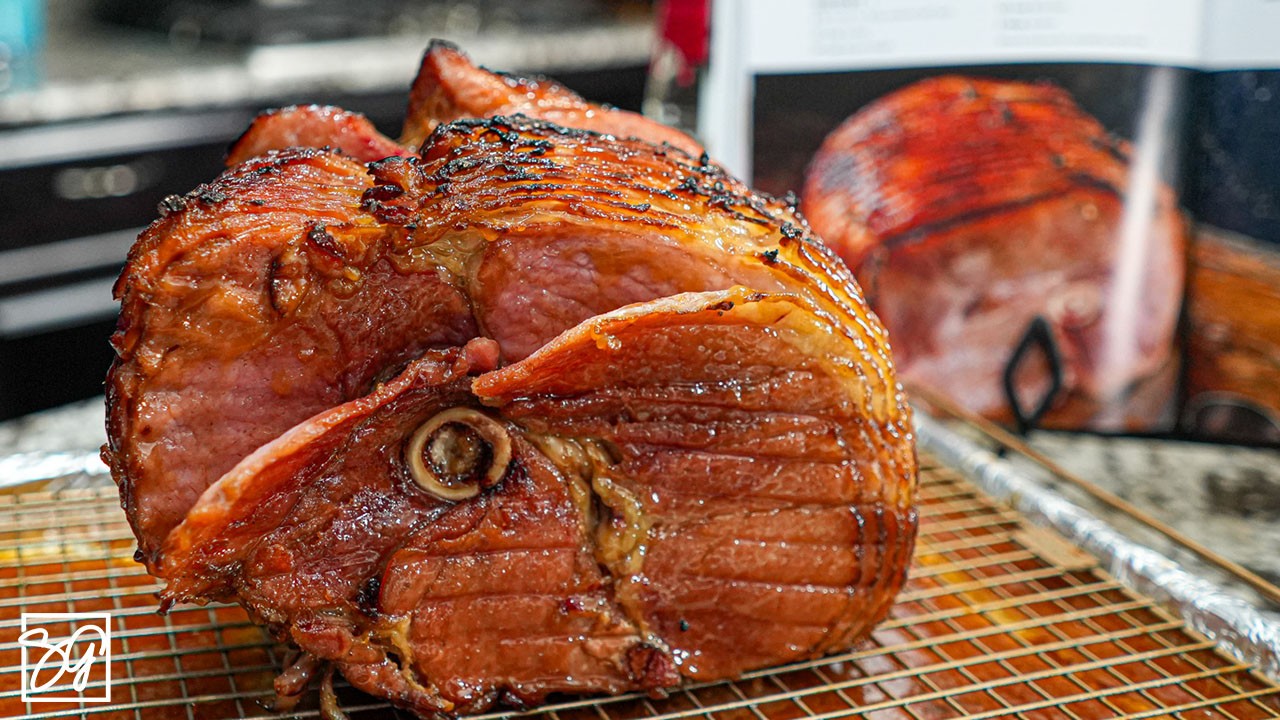
A honey glazed ham recipe is one of the most reliable ways to create a rich, glossy, deeply flavorful centerpiece for a family meal, festive gathering, or special dinner. When we prepare ham with a balanced glaze, we create more than a beautiful roast.
We build layers of sweetness, savory depth, gentle caramelization, and a tender texture that makes every slice memorable. The secret is not simply brushing honey over the meat. The real result comes from choosing the right ham, preparing the surface properly, and glazing in stages so the exterior becomes shiny, golden, and packed with flavor.
This recipe delivers exactly that. We create a ham that is moist inside, beautifully burnished outside, and easy to serve. The glaze clings to the scored surface, settles into every cut, and forms a flavorful coating that tastes sweet, lightly spiced, and wonderfully rich. Whether we serve it for a holiday table or a weekend feast, this dish gives us an elegant result with straightforward steps.
Ingredients You’ll Need
To make the best honey glazed ham, we need a few simple ingredients that work together to create a bold, balanced glaze.
For the Ham
- 1 fully cooked bone-in ham (about 8 to 10 pounds)
- Whole cloves (optional, for inserting into the scored ham)
For the Honey Glaze
- 1 cup honey
- 1/2 cup brown sugar
- 1/4 cup Dijon mustard
- 1/4 cup unsalted butter
- 2 tablespoons apple cider vinegar
- 1/2 teaspoon ground cinnamon
- 1/4 teaspoon ground cloves
- 1/4 teaspoon black pepper
- 1/2 teaspoon garlic powder
- 1/4 teaspoon paprika (optional, for a slightly deeper finish)
These ingredients create a glaze with a strong honey flavor, mellow sweetness from brown sugar, a subtle tang from mustard and vinegar, and a warm spice finish that complements the ham without overpowering it.
How to Choose the Best Ham for Honey Glazed Ham Recipe
The quality of the final dish starts with the ham itself. For the best results, we use a fully cooked bone-in ham. This type stays juicy, slices well, and provides a richer flavor than many boneless options. A spiral-cut ham can also work, especially if we want easy serving, but a whole scored ham often holds moisture better during baking.
When selecting ham, we look for one labeled fully cooked or ready to eat. Since the meat is already cooked, our goal is to warm it through gently while building a glossy glaze on the surface. That is the key difference between roasting raw meat and preparing a classic glazed ham.
Preparing the Ham Properly
Before the ham goes into the oven, proper preparation makes a visible difference. We begin by removing any packaging and patting the ham dry with paper towels. If it has a thick skin or rind, we trim it carefully, leaving a thin layer of fat on top. That thin fat layer helps the glaze cling and adds flavor during roasting.
Next, we score the surface in a diamond pattern. We make shallow cuts about 1/4 inch deep across the top, then repeat in the opposite direction. This step is important because the glaze settles into the cuts, flavors the outer layer, and creates the signature presentation associated with a classic honey glazed ham recipe.
If we want extra visual appeal, we can place a whole clove in the center of several diamond cuts. This is optional, but it gives the ham a traditional finish and adds a mild aromatic note.
Making the Honey Glaze
A good glaze should be thick enough to coat the ham, but smooth enough to brush easily. To make it, we place the honey, brown sugar, Dijon mustard, butter, apple cider vinegar, cinnamon, ground cloves, black pepper, garlic powder, and paprika into a saucepan over medium heat.
We stir until the butter melts and the sugar dissolves fully. Then we let the glaze simmer gently for a few minutes until it becomes smooth and slightly thickened. The finished glaze should be glossy and fragrant, with a balanced aroma that is sweet, warm, and lightly tangy.
This glaze works because it combines several key flavor elements. The honey gives shine and sweetness. The brown sugar deepens the caramel notes. The mustard cuts through the richness. The spices round out the flavor and make the ham taste more complete.
Step-by-Step Guide for Honey Glazed Ham
Step 1: Preheat the Oven
We preheat the oven to 325°F (163°C). This moderate temperature allows the ham to heat evenly without drying out too quickly.
Step 2: Prepare the Roasting Pan
We place the ham cut-side down in a large roasting pan. Adding a small amount of water to the bottom of the pan can help create moisture in the oven and reduce the chance of scorching. Then we cover the ham loosely with foil.
Step 3: Bake the Ham First
We bake the ham for about 10 to 12 minutes per pound. Since the ham is already cooked, this stage is mainly for heating it through gently. Covering it during the early stage helps preserve moisture.
Step 4: Apply the First Layer of Glaze
About halfway through the baking time, we remove the foil and brush a generous layer of the honey glaze over the surface. We make sure the glaze gets into the scored cuts so it can flavor every outer slice.
Step 5: Continue Glazing in Stages
We return the ham to the oven uncovered and brush it with more glaze every 15 to 20 minutes. This repeated glazing creates the glossy outer coating and helps build a rich caramelized finish. Each layer deepens the color and intensifies the flavor.
Step 6: Watch for the Perfect Finish
The ham is ready when it is heated through and the glaze has formed a shiny, golden-brown coating. If needed, we can spoon some pan juices over the top during the final stage for extra sheen.
Step 7: Rest Before Slicing
Once the ham comes out of the oven, we let it rest for 15 to 20 minutes before slicing. Resting helps the juices settle and makes cleaner slices possible.
How to Keep Honey Glazed Ham Moist
One of the most important parts of any honey glazed ham recipe is preserving moisture. Even though ham contains natural richness, it can dry out if baked too long or glazed too aggressively too early.
To keep it moist, we bake it covered first, uncover only when necessary, and glaze toward the latter half of cooking. We also avoid overbaking. Since the ham is already cooked, excessive oven time only reduces tenderness. A bone-in ham generally stays juicier because the bone helps protect the interior during heating.
Another useful method is to baste lightly with pan juices during the last stage. This adds moisture and helps the glaze stay glossy rather than becoming too thick.
Flavor Tips for the Best Honey Glazed Ham Recipe
A strong glaze should taste layered, not flat. That is why balance matters. Too much sweetness can make the ham heavy, while too much acidity can overpower the savory character. A good glaze should taste rich and rounded.
For deeper flavor, we can let the glaze simmer a little longer before brushing it on. That slight reduction intensifies the honey and spice notes. If we prefer a stronger savory contrast, a little extra Dijon mustard can sharpen the finish. If we want a more festive spice profile, we can increase the cinnamon and clove very slightly, but only enough to support the ham.
The surface scoring also matters more than many realize. A properly scored ham holds glaze better, creates attractive edges, and produces more flavorful outer slices.
Serving Suggestions for Honey Glazed Ham
A well-made honey glazed ham pairs beautifully with classic side dishes. We can serve it with:
- Mashed potatoes
- Roasted vegetables
- Green beans
- Macaroni and cheese
- Dinner rolls
- Sweet potatoes
- Rice dishes
- Fresh salads
Because the ham is rich and slightly sweet, it works especially well with sides that bring either creaminess, freshness, or gentle earthiness. The contrast creates a more complete meal and keeps the main dish from feeling too heavy.
How to Slice and Present the Ham
Presentation matters because glazed ham is often the centerpiece of the table. Once rested, we place the ham on a serving platter and slice along the natural lines of the meat. If using a spiral-cut ham, we can simply lift the slices outward neatly. If using a whole ham, we carve thin or medium slices depending on the occasion.
For a more polished presentation, we spoon a little warm glaze or pan drippings over the arranged slices just before serving. This enhances shine and reinforces the flavor on the plate.
Storing and Using Leftovers
Leftover honey glazed ham stores very well, which makes this recipe practical as well as impressive. We refrigerate leftovers in an airtight container for up to several days. The ham can be reheated gently or used cold in sandwiches, breakfast dishes, pasta, fried rice, salads, or soups.
The glaze flavor becomes even deeper after resting, so leftovers often taste just as enjoyable the next day. Thin slices are especially useful for quick meals, while thicker cuts can be reheated for another dinner.
Why This Honey Glazed Ham Recipe Works
This recipe works because it focuses on what matters most: a fully cooked quality ham, a balanced homemade glaze, and a careful baking method that preserves tenderness while building color and flavor. We do not rely on one-note sweetness. We combine honey, brown sugar, mustard, butter, and warm spices to create a glaze that tastes rich, glossy, and complete.
The result is a ham with a caramelized finish, juicy interior, and deep flavor in every slice. It is elegant enough for a celebration, simple enough for confident preparation, and reliable enough to return to whenever we want a proven centerpiece meal.
FAQs about Honey Glazed Ham Recipe
1. What is honey glazed ham?
Honey glazed ham is a baked ham coated with a sweet glaze made mainly from honey, brown sugar, and spices. It is popular for holidays and special family meals.
2. What ingredients are used in the glaze?
Most honey glazed ham recipes use honey, brown sugar, butter, Dijon mustard, and spices like cinnamon or cloves. Some versions also add orange juice or maple syrup for extra flavor.
3. Do I need to cook the ham before glazing it?
Most hams sold in stores are already cooked, so you usually only need to warm the ham and add the glaze. Then the ham is baked until shiny and flavorful.
4. How do I keep the ham moist?
Cover the ham with foil for most of the baking time and baste it with glaze occasionally. This helps keep the meat tender and juicy.
5. When should I add the glaze?
It is best to add the glaze during the last 30 to 45 minutes of baking. This prevents the sugars from burning too early.
6. Can I make honey glazed ham ahead of time?
Yes, you can prepare the glaze in advance and store it in the refrigerator. You can also reheat leftover ham later without losing much flavor.
7. What should I serve with honey glazed ham?
It pairs well with mashed potatoes, roasted vegetables, dinner rolls, mac and cheese, or salad. Therefore, it fits many holiday menus.
8. How long does leftover honey glazed ham last?
Store leftovers in an airtight container in the refrigerator for 3 to 4 days. You can also freeze it for longer storage.
Final Thoughts
A classic honey glazed ham recipe should deliver tenderness, shine, and bold flavor without unnecessary complication. When we score the ham properly, glaze it in layers, and bake it with care, we create a dish that looks impressive and tastes even better. The sweet and savory balance, the golden finish, and the juicy slices make this recipe a dependable favorite for memorable meals.
With the right method, this is not just baked ham. It is a beautifully glazed, deeply flavorful main dish that brings warmth, richness, and a polished finish to the table every single time.