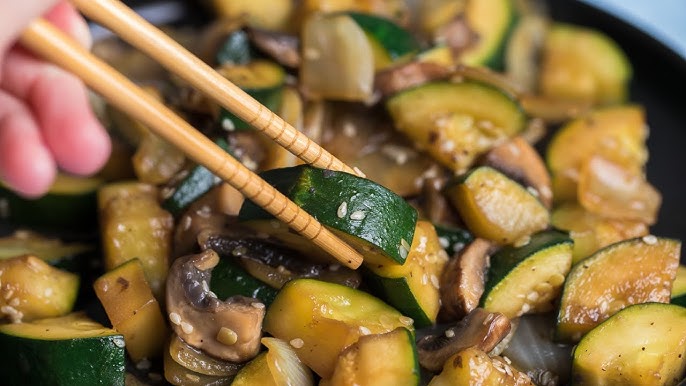
Hibachi Vegetables Recipe: Hibachi vegetables are one of the most loved parts of any Japanese steakhouse meal. They are colorful, tender-crisp, buttery, and packed with savory flavor. Better still, they are quick to prepare and easy to customize. When we make hibachi vegetables at home, we get the same rich taste and satisfying texture without needing a flat-top grill or a restaurant visit.
The secret to restaurant-style hibachi vegetables is not complicated. We simply need the right vegetable mix, high heat, and a short cooking time. As a result, the vegetables stay vibrant and slightly crisp while absorbing the rich flavor of butter and soy sauce.
In this detailed guide, we will cover everything needed to make perfect hibachi vegetables, including ingredients, preparation tips, cooking steps, serving ideas, storage advice, and helpful recipe variations.
Ingredients You’ll Need for Hibachi Vegetables
To make a classic hibachi vegetables recipe, we need a few fresh ingredients and simple pantry staples.
Main Vegetables
- 2 cups zucchini, sliced into half-moons
- 2 cups mushrooms, sliced
- 1 large onion, sliced
- 1 cup broccoli florets
- 1 large carrot, thinly sliced
- 1 cup cabbage, chopped
- 1 cup bell pepper, sliced
These vegetables cook well at high heat and deliver the familiar hibachi restaurant texture and flavor.
Seasonings and Sauce
- 2 tablespoons soy sauce
- 1 tablespoon teriyaki sauce for a slightly sweeter finish
- 2 tablespoons butter
- 1 tablespoon sesame oil
- 1 tablespoon vegetable oil
- 2 cloves garlic, minced
- 1 teaspoon ginger, minced
- Salt, to taste
- Black pepper, to taste
Optional Garnishes
- Sesame seeds
- Chopped green onions
- Fresh lemon juice
- Red pepper flakes
These additions are optional, yet they help build a more complete and polished dish.
How to Choose the Best Vegetables for Hibachi Cooking
The quality of the final dish depends heavily on the vegetables we choose. Therefore, it helps to select fresh, firm, and brightly colored produce. Soft or overly watery vegetables can steam too much, which reduces that signature hibachi texture.
Zucchini adds softness and mild sweetness. Mushrooms bring deep savory flavor. Onions become sweet and tender during cooking. Broccoli adds bite and color. Carrots offer a slight crunch. Cabbage cooks quickly and absorbs sauce well. Bell peppers contribute sweetness and vibrant color.
We can also add snap peas, baby corn, squash, asparagus, or cauliflower. However, it is best to avoid overcrowding the pan with too many types at once. A simple mix often gives the best result.
Kitchen Tools for the Best Hibachi Vegetables Recipe
We do not need a restaurant grill to make excellent hibachi vegetables. Instead, we only need a few basic kitchen tools:
- Large skillet
- Wok
- Cast-iron pan
- Sharp knife
- Cutting board
- Spatula or wooden spoon
A wide pan is important because it allows the vegetables to sear instead of steam. High heat and enough space help create the best texture.
Prep Tips Before You Start Cooking
Good preparation makes this recipe faster and more successful. Since hibachi vegetables cook quickly, it is best to prepare everything first.
1. Cut Vegetables Evenly
Slice the vegetables into similar sizes. This helps them cook at the same pace and prevents some pieces from turning too soft while others remain undercooked.
2. Keep Ingredients Ready
Measure the butter, oil, soy sauce, garlic, and ginger ahead of time. Once cooking starts, everything moves fast.
3. Dry the Vegetables
After washing, pat the vegetables dry. Excess moisture causes steaming, which can prevent browning.
4. Preheat the Pan Well
A hot pan gives us that restaurant-style sear. Therefore, always let the skillet heat before adding the vegetables.
Step-by-Step Guide to Making Hibachi Vegetables
Step 1: Heat the Pan Properly
Place a large skillet or wok over medium-high to high heat. Add the vegetable oil and sesame oil. Let the oil heat for a few seconds until it shimmers.
A properly heated pan ensures that the vegetables begin to cook immediately. As a result, they stay crisp and flavorful.
Step 2: Add the Harder Vegetables First
Start with the vegetables that need more time to soften. Add the carrots, broccoli, and onions first. Stir-fry them for about 2 to 3 minutes.
This step helps build structure in the dish because these vegetables take longer to cook than zucchini or mushrooms.
Step 3: Add the Remaining Vegetables
Now add the zucchini, mushrooms, bell peppers, and cabbage. Stir everything well so the vegetables cook evenly.
Cook for another 4 to 5 minutes. Keep stirring, but do not overmix. Letting the vegetables sit briefly between stirs helps them brown better.
Step 4: Add Garlic and Ginger
Once the vegetables begin to soften, add the minced garlic and ginger. Stir for about 30 seconds.
This short step is enough to release their flavor. However, avoid cooking them too long because garlic can burn quickly.
Step 5: Add Butter and Sauce
Add the butter, soy sauce, and teriyaki sauce. Toss everything well until the vegetables are coated and glossy.
The butter creates richness, while the soy sauce adds salt and deep umami flavor. The teriyaki sauce gives the vegetables a gentle sweetness and a polished finish.
Step 6: Season and Finish
Taste the vegetables and add salt and black pepper if needed. Then cook for 1 more minute.
The vegetables should be tender but still slightly crisp. That balance is what makes hibachi vegetables so satisfying.
Step 7: Garnish and Serve
Remove from heat and garnish with sesame seeds, green onions, or a small squeeze of lemon juice if desired.
Serve immediately while hot for the best taste and texture.
What Makes Hibachi Vegetables Taste Like Restaurant Style
To achieve that classic Japanese steakhouse hibachi vegetable flavor, a few details matter:
Use High Heat
High heat cooks the vegetables quickly and keeps them from getting soggy.
Do Not Overcrowd the Pan
Too many vegetables in one pan lower the temperature. Then the vegetables steam instead of sear.
Use Butter and Soy Sauce Together
This combination creates the rich, savory taste associated with hibachi cooking.
Cook Just Until Tender-Crisp
Overcooked vegetables lose both color and texture. Therefore, it is better to stop cooking while they still have a little bite.
Add Garlic Near the End
Garlic tastes better when it stays fragrant and lightly cooked instead of dark and bitter.
Easy Variations for Hibachi Vegetables
One of the best things about this hibachi vegetables recipe is how easy it is to adjust.
Spicy Hibachi Vegetables
Add red pepper flakes, sriracha, or a little chili oil for heat.
Sweet and Savory Version
Use a bit more teriyaki sauce for a sweeter finish.
Low-Sodium Hibachi Vegetables
Choose low-sodium soy sauce and reduce added salt.
Vegan Hibachi Vegetables
Replace butter with plant-based butter or use more sesame oil.
Protein-Packed Hibachi Bowl
Add tofu, shrimp, chicken, or steak to turn the side dish into a full meal.
Best Dishes to Serve with Hibachi Vegetables
These vegetables pair beautifully with many dishes. We can serve them with:
- Hibachi fried rice
- Steamed white rice
- Garlic noodles
- Teriyaki chicken
- Grilled shrimp
- Seared steak
- Pan-fried tofu
- Salmon
For a full restaurant-style meal, we can plate the vegetables with fried rice, a protein, and a small serving of yum yum sauce or ginger sauce.
Common Mistakes to Avoid When Cooking Hibachi Vegetables
Even simple recipes can go wrong if we overlook a few basics.
Using a Cold Pan
A cold pan makes the vegetables release water too early. Consequently, they become soft instead of lightly charred.
Adding Too Much Sauce
Too much sauce can make the vegetables wet and overly salty. Use enough to coat, not drown.
Cutting Vegetables Too Thick
Large pieces may stay raw in the center while the outside cooks too fast.
Overcooking
Hibachi vegetables should not be mushy. Stop when they are bright, tender, and slightly crisp.
Skipping the Butter
Butter adds a signature richness. Without it, the vegetables may taste flatter.
How to Store and Reheat Hibachi Vegetables
If we have leftovers, we can store them easily.
To Store
Place cooled vegetables in an airtight container and refrigerate for up to 3 days.
To Reheat
Warm them in a skillet over medium heat for a few minutes. This method keeps the texture better than a microwave. If needed, add a small amount of butter or oil to refresh the flavor.
Can We Freeze Them?
Freezing is possible, but the texture may soften after thawing. For the best quality, it is better to enjoy hibachi vegetables fresh or within a few days.
Helpful Tips for the Best Homemade Hibachi Vegetables
For the most flavorful result, keep these practical tips in mind:
- Use a large hot skillet
- Prep everything before cooking
- Stir often, but not constantly
- Keep the vegetables slightly crisp
- Add sauce near the end
- Serve immediately
These small details make a noticeable difference in both taste and presentation.
Why This Hibachi Vegetables Recipe Works So Well
This recipe works because it balances fresh vegetables, simple seasoning, and fast cooking. The butter adds richness, the soy sauce brings depth, and the high heat keeps everything lively and appealing.
It is also one of the easiest side dishes to prepare on a busy day. Since the ingredients are flexible, we can use what we already have at home. At the same time, the final dish still feels polished and restaurant-inspired.
Whether we are planning a full Japanese-style dinner or a quick vegetable side, this hibachi vegetables recipe delivers strong flavor, beautiful texture, and dependable results every time.
FAQs about Hibachi Vegetables Recipe
1. What are hibachi vegetables?
Hibachi vegetables are a mix of fresh vegetables cooked on a hot pan or grill with butter, oil, garlic, and simple seasonings. They are popular as a side dish in Japanese-style meals.
2. Which vegetables are best for hibachi vegetables?
Common choices include zucchini, mushrooms, onions, broccoli, carrots, and bell peppers. These vegetables cook quickly and stay slightly crisp.
3. Can I make hibachi vegetables at home?
Yes, you can make them easily at home using a large skillet, wok, or flat pan. A very hot pan helps give the vegetables their signature flavor.
4. What seasonings are used in hibachi vegetables?
Most recipes use soy sauce, garlic, butter, black pepper, and sometimes sesame oil. In addition, a little salt can enhance the flavor.
5. How long do hibachi vegetables take to cook?
Hibachi vegetables usually cook in about 8 to 10 minutes. However, the exact time depends on the type and size of the vegetables.
6. Can I use frozen vegetables?
Yes, but fresh vegetables are usually better because they stay firmer and taste fresher. If you use frozen vegetables, cook them quickly to avoid sogginess.
7. What do hibachi vegetables go well with?
They pair well with fried rice, noodles, shrimp, chicken, steak, or tofu. Therefore, they are a versatile addition to many meals.
8. How do I store leftover hibachi vegetables?
Store leftovers in an airtight container in the refrigerator for up to 3 days. Reheat in a pan for the best texture and flavor.
Final Thoughts
When we want a quick, delicious, and satisfying vegetable dish, hibachi vegetables are always a smart choice. They are simple, fast, and full of bold savory flavor. Better yet, they fit into many meal plans and can be adjusted to suit different preferences.
By using fresh vegetables, high heat, and the right balance of butter and soy sauce, we can create a homemade dish that tastes every bit as inviting as the restaurant version. Once we master the method, it becomes easy to make this recipe again and again.
For anyone looking for a reliable, flavorful, and easy side dish, this hibachi vegetables recipe is one worth keeping in regular rotation.