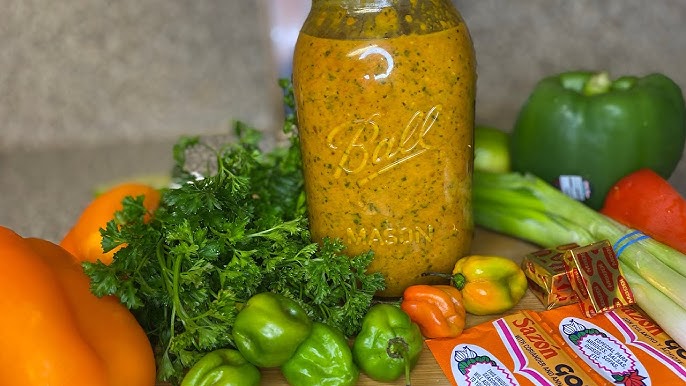
Haitian Epis Recipe: Haitian Epis is the bold, fragrant seasoning base that gives many Haitian dishes their unmistakable depth. We use it to build flavor in rice, stews, meats, poultry, seafood, soups, and vegetable dishes. Once prepared, this vibrant green blend becomes one of the most useful staples in the kitchen. It saves time, boosts taste, and brings every recipe closer to authentic Haitian cooking.
Unlike a simple herb paste, Haitian Epis recipe combines fresh herbs, peppers, garlic, onions, and aromatics into a rich seasoning mixture. The result is fresh, savory, peppery, and deeply aromatic. Because it is versatile, we can prepare a batch once and use it throughout the week.
In this complete guide, we will cover the ingredients you’ll need, the step-by-step method, storage tips, variations, serving ideas, and practical techniques for making the best homemade Haitian Epis.
What Is Haitian Epis?
Epis is a traditional Haitian seasoning blend made by combining herbs, vegetables, garlic, peppers, and oil into a smooth or slightly textured paste. In Haitian cooking, it works as a foundational flavor base. We often use it the same way other cuisines use sofrito, green seasoning, or spice paste.
The flavor of Haitian Epis is fresh and layered. Garlic gives it strength. Herbs add brightness. Bell peppers and onions provide sweetness. Hot peppers bring controlled heat. Oil helps preserve the mixture while carrying flavor into food more effectively.
Because this seasoning is so central to Haitian cuisine, learning how to make a strong, balanced batch at home is one of the best ways to improve everyday cooking.
Why This Haitian Epis Recipe Works
This Haitian Epis recipe works because it balances freshness, intensity, and usability. We want a blend that is powerful enough to flavor meat and rice, yet balanced enough to avoid overwhelming the dish.
Here is why this recipe delivers excellent results:
- Fresh herbs create a clean, vibrant taste.
- Garlic and onion build a savory backbone.
- Bell peppers add sweetness and body.
- Hot peppers give warmth and complexity.
- Oil and vinegar or citrus help preserve freshness.
- A smooth texture makes it easy to spoon, spread, and mix.
Once blended, the seasoning becomes deeply aromatic and ready to use in countless dishes.
Ingredients You’ll Need for Haitian Epis
To make a flavorful batch of Haitian Epis, we need fresh ingredients. Quality matters here, because the entire seasoning depends on the brightness of the herbs and vegetables.
Main Ingredients
- 1 large green bell pepper, chopped
- 1 medium red bell pepper, chopped
- 1 medium onion, chopped
- 6 to 8 garlic cloves
- 4 green onions, chopped
- 1 cup fresh parsley
- 1/2 cup fresh thyme
- 1 to 2 Scotch bonnet peppers or habanero peppers, seeded if preferred
- 1 tablespoon cloves
- 1 teaspoon black pepper
- 1 tablespoon salt, or to taste
- 1/4 cup olive oil or neutral oil
- 2 tablespoons vinegar or fresh lime juice
- Optional: 1 celery stalk, chopped
- Optional: a few basil leaves
- Optional: 1 bouillon cube, for extra depth
These ingredients create a rich, authentic-style seasoning. We can adjust pepper heat, herb quantity, and salt level based on personal preference.
How to Prepare the Ingredients Properly
Before blending, we need to prepare everything carefully. Good prep improves texture and flavor.
First, wash all herbs and vegetables thoroughly. Then pat them dry. Too much water can thin the seasoning and reduce shelf life. Next, remove stems from peppers and herbs where needed. Chop large ingredients into smaller pieces so the blender or food processor works more easily.
For a milder Haitian Epis, remove the seeds from the hot peppers. For a hotter version, leave some seeds in. We should also peel the garlic fully and cut the onion into rough chunks.
This short prep step makes blending easier and gives us a smoother, more even paste.
Step-by-Step Guide to Make Haitian Epis
Step 1 – Wash and Dry All Fresh Ingredients
Wash the parsley, thyme, green onions, peppers, and any extra herbs well. After that, dry them completely with paper towels or a clean kitchen towel. This step matters because excess moisture can make the seasoning watery.
Step 2 – Chop the Vegetables and Herbs
Roughly chop the bell peppers, onion, green onions, celery, and herbs. There is no need to chop them finely. However, smaller pieces blend faster and more evenly.
Step 3 – Add Ingredients to a Blender or Food Processor
Place the chopped bell peppers, onion, garlic, parsley, thyme, green onions, hot peppers, cloves, black pepper, and salt into the blender or processor. Then add the oil and vinegar or lime juice.
If using a bouillon cube, crumble it in at this stage. If using basil, add it now as well.
Step 4 – Blend Until Smooth or Slightly Textured
Blend the mixture until it reaches your desired consistency. Some cooks prefer a smooth paste. Others like it slightly coarse. Both styles work well. We should stop occasionally to scrape down the sides so everything blends evenly.
If the mixture is too thick, add a little more oil, one tablespoon at a time. Avoid adding much water. Oil helps preserve the flavor and keeps the seasoning rich.
Step 5 – Taste and Adjust the Flavor
Taste a small amount and adjust if needed. Add more salt for depth, more garlic for strength, or more herbs for freshness. If the mixture feels too spicy, blend in more bell pepper or onion.
This step helps us customize the Haitian Epis recipe without losing balance.
Step 6 – Transfer to a Clean Jar
Spoon the finished seasoning into a clean glass jar or airtight container. Press it down gently and smooth the top. Then add a thin layer of oil over the surface. This extra oil helps preserve freshness and reduce air exposure.
Refrigerate immediately.
Best Texture for Haitian Epis
The best texture depends on how we plan to use it. A smoother blend works well for marinades, rice dishes, and sauces because it coats ingredients evenly. A chunkier blend can be excellent in stews and braised dishes where a more rustic texture is welcome.
If using a high-powered blender, pulse carefully to avoid over-liquefying the mixture. If using a food processor, short pulses usually create a nicely textured paste.
How to Use Haitian Epis in Everyday Cooking
One reason this Haitian Epis recipe is so valuable is its versatility. We can use it in many dishes throughout the week.
Use It for Marinades
Rub Haitian Epis onto chicken, fish, shrimp, beef, pork, or goat before cooking. Let the protein sit for at least 30 minutes. For deeper flavor, marinate for several hours.
Use It in Rice Dishes
Stir a spoonful into rice before cooking. It adds aroma, color, and savory depth.
Use It in Soups and Stews
Add it at the beginning when sautéing onions or browning meat. This builds a richer flavor base.
Use It in Beans and Vegetables
Mix it into beans, lentils, sautéed cabbage, spinach, or mixed vegetables for extra character.
Use It in Sauces
Blend a small amount into tomato sauces, gravies, or pan sauces to add complexity.
In general, we can use 1 to 2 tablespoons for small dishes and more for larger pots.
Storage Tips for Homemade Haitian Epis
Proper storage helps the seasoning stay fresh and flavorful.
- Refrigerator: Store in an airtight jar for up to 1 to 2 weeks
- Freezer: Freeze in small portions for up to 2 to 3 months
- Ice cube tray method: Spoon the seasoning into an ice cube tray, freeze, then transfer cubes to a freezer bag
The ice cube method is especially useful because it allows us to use only what we need. One cube can season a quick weekday meal with almost no effort.
Always use a clean spoon when scooping from the jar. This helps extend freshness.
Common Mistakes to Avoid
Even a simple Haitian Epis recipe can go wrong if we miss a few basics.
Using Wet Herbs
Wet herbs can water down the seasoning and shorten storage life.
Adding Too Much Liquid
Too much liquid weakens flavor. Oil is better than water for blending.
Overusing Hot Pepper
Scotch bonnet and habanero peppers are powerful. Start small, then increase if needed.
Skipping the Taste Test
Tasting before storing helps us fix salt, heat, and herb balance immediately.
Using Old Herbs
Fresh parsley, thyme, and green onions make a huge difference. Older herbs often taste dull.
Easy Variations of Haitian Epis
There is no single rigid formula for Haitian Epis. Many families have their own version. We can adjust the blend while keeping the core identity intact.
Milder Haitian Epis
Use only bell peppers and skip the hot peppers.
Spicier Haitian Epis
Add extra Scotch bonnet or habanero for more heat.
Herb-Forward Epis
Increase parsley and thyme for a greener, fresher profile.
Garlic-Rich Epis
Add more garlic cloves if you prefer a bolder savory taste.
Citrusy Epis
Use lime juice for a brighter finish.
These variations allow us to tailor the seasoning to different recipes and personal tastes.
What to Serve with Haitian Epis
Once the seasoning is ready, we can use it in many Haitian-inspired meals. It pairs especially well with:
- Fried or stewed chicken
- Grilled fish
- Rice and beans
- Legume-style vegetable dishes
- Braised meats
- Roasted potatoes
- Seafood stews
- Savory rice bowls
Because it is so versatile, this seasoning often becomes one of the most-used homemade staples in the kitchen.
FAQs about Haitian Epis Recipe
1. What is Haitian epis?
Haitian epis is a green seasoning blend made from herbs, peppers, garlic, onions, and other aromatics. It is used as a flavor base in many Haitian dishes.
2. Why is Haitian epis so important?
It adds deep flavor, aroma, and freshness to food. Many Haitian recipes rely on epis to build their signature taste.
3. What ingredients are commonly used in epis?
Common ingredients include parsley, thyme, garlic, green onions, bell peppers, onions, cloves, and hot peppers.
4. Is Haitian epis very spicy?
It can be mild or spicy, depending on the amount and type of hot pepper used. The heat can be adjusted easily.
5. How is Haitian epis used?
We can use it to marinate meat, season fish, flavor rice, soups, stews, beans, and vegetables.
6. Can we make epis without certain herbs?
Yes, we can adjust the ingredients based on availability, but keeping the fresh herbs and aromatics is important for the classic flavor.
7. How long does homemade epis last?
It usually lasts about 1 to 2 weeks in an airtight container in the refrigerator.
8. Can Haitian epis be frozen?
Yes, we can freeze it in small containers or ice cube trays for longer storage and easy use.
9. Do we cook epis before using it?
Not usually. It is often used raw as a marinade or seasoning base, then cooked as part of the dish.
10. Can we add oil or vinegar to epis?
Yes, some recipes include a little oil, vinegar, or citrus juice to improve texture, flavor, and preservation.
Final Thoughts
A great Haitian Epis recipe is simple, practical, and full of life. With fresh herbs, peppers, garlic, onion, oil, and a few seasonings, we create a deeply flavorful base that transforms everyday cooking. It adds authenticity, saves time, and makes meals taste more complete.
Once we prepare a jar of homemade Haitian Epis, cooking becomes easier and more rewarding. We can season meats quickly, build stronger stews, improve rice dishes, and bring bold Haitian flavor to the table with very little effort.
For the best result, use fresh ingredients, blend carefully, store properly, and adjust the seasoning to match your taste. When done well, Haitian Epis becomes more than a condiment. It becomes the flavor foundation that gives dish after dish its signature strength, aroma, and depth.