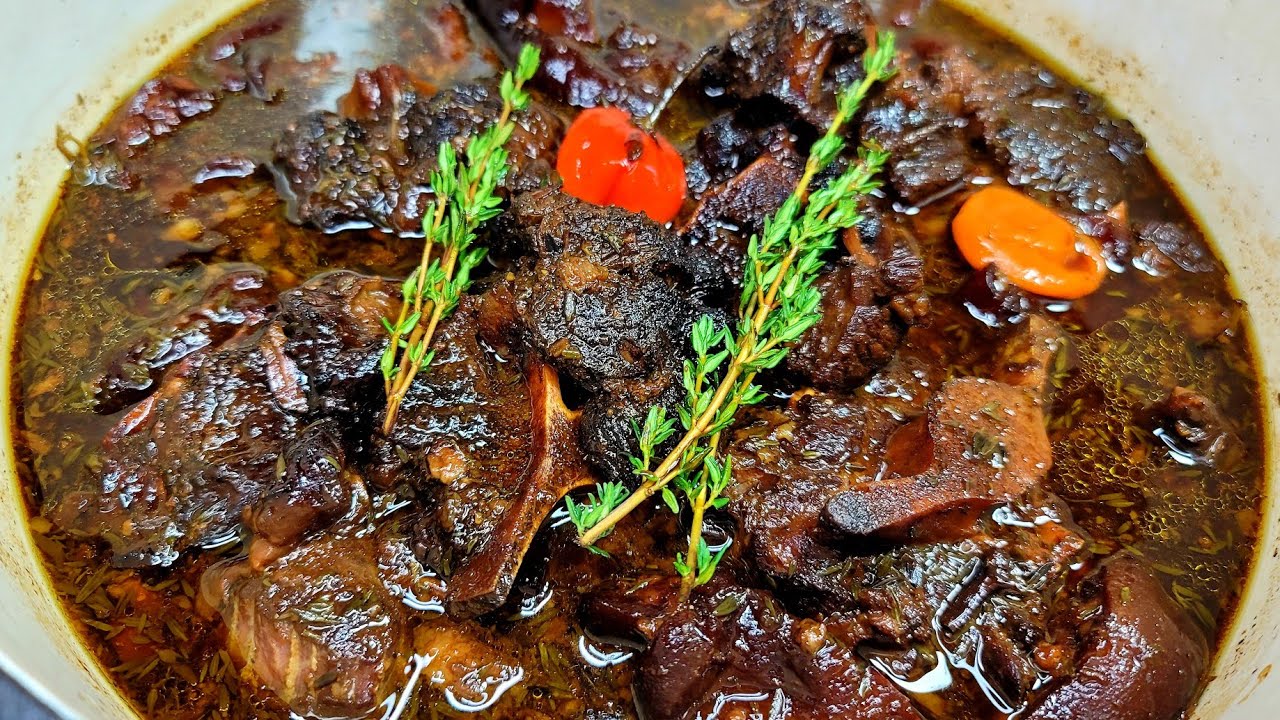
Guyanese Pepperpot Recipe: Guyanese Pepperpot is one of the most treasured dishes in Guyanese cuisine. It is a rich, dark, deeply seasoned meat stew that is known for its bold flavor, slow-cooked texture, and unforgettable aroma. This traditional dish is especially popular during the Christmas season in Guyana, yet many families enjoy it throughout the year because of its unique taste and satisfying depth.
What makes this dish stand out is its use of cassareep, a thick, dark sauce made from cassava juice. Cassareep gives Guyanese Pepperpot its signature color, slightly sweet bitterness, and preservative quality. In addition, the dish is flavored with warm spices, fresh herbs, hot peppers, and tender cuts of beef that become melt-in-the-mouth soft after slow cooking.
A proper Guyanese Pepperpot recipe is more than a simple stew. It is a dish with heritage, comfort, and strong Caribbean identity. When prepared correctly, every spoonful delivers layers of savory, spicy, sweet, and aromatic flavor that make it one of the most memorable meals from the Caribbean.
Ingredients You’ll Need for Guyanese Pepperpot
To prepare an authentic and flavorful Guyanese Pepperpot recipe, we need a solid mix of meat, seasonings, spices, and the key traditional ingredient.
Main Ingredients
- 2 to 3 pounds beef, cut into medium chunks
Common choices include beef shank, stew beef, brisket, or oxtail - 1/2 cup cassareep
- 2 tablespoons brown sugar
- 1 large onion, chopped
- 4 to 5 cloves garlic, minced
- 3 to 4 scallions, chopped
- 1 teaspoon fresh ginger, grated
- 1 to 2 wiri wiri peppers or Scotch bonnet peppers, whole
- 4 cups water or enough to cover the meat
Herbs and Seasonings
- 1 teaspoon dried thyme or 1 tablespoon fresh thyme
- 2 cinnamon sticks
- 4 to 6 cloves
- 1 teaspoon allspice
- 1 teaspoon black pepper
- 1 teaspoon salt, or to taste
- 1 tablespoon soy sauce for deeper color and flavor
- 1 tablespoon Worcestershire sauce for richness
- 1 small orange peel or a strip of zest, optional but traditional in some kitchens
Optional Additions
- Cow foot
- Oxtail
- Tripe
- Hot pepper sauce
- More cassareep for a darker, bolder finish
These ingredients create the classic flavor base that defines a true Guyanese Pepperpot.
Best Meat for an Authentic Guyanese Pepperpot Recipe
The heart of any Pepperpot recipe is the meat. Traditionally, this dish is made with tougher cuts that benefit from long, slow cooking. That is why beef shank, oxtail, and stew beef work so well. They absorb the rich seasoning and become tender over time.
If we want a more traditional and hearty version, we can combine multiple cuts. For example, pairing beef and cow foot gives the stew more body and gelatin-rich texture. On the other hand, using only beef creates a simpler version that is easier for everyday cooking.
The goal is to use meat that can stand up to slow simmering without falling apart too quickly. This helps the stew develop that famous deep, rich Guyanese Pepperpot flavor.
Why Cassareep Is Essential in Guyanese Pepperpot
No true Guyanese Pepperpot recipe is complete without cassareep. This ingredient is the soul of the dish. It comes from cassava and has a thick, syrup-like consistency with a dark brown to black color. Its flavor is earthy, slightly bittersweet, and complex.
Cassareep does several important things in the dish:
- It gives Pepperpot its signature dark color
- It adds a slightly sweet, smoky bitterness
- It helps preserve the stew
- It balances the warm spices and meat flavors
Without cassareep, the dish may still be tasty, but it will not be authentic Guyanese Pepperpot. Therefore, if we want the real flavor, this ingredient is absolutely necessary.
How to Prepare the Meat Properly
Before cooking, we should clean and season the meat well. This step helps build flavor from the very beginning.
Step 1: Wash and Trim the Meat
Rinse the beef with water and trim away excess fat if needed. Then pat it dry. Clean meat gives the final stew a better texture and more balanced richness.
Step 2: Season the Meat
Place the meat in a large bowl. Add salt, black pepper, garlic, ginger, chopped onion, scallions, thyme, soy sauce, Worcestershire sauce, and brown sugar. Rub the seasoning thoroughly into the meat.
For even better flavor, let the meat marinate for at least 2 hours. Overnight marination works even better because it allows the spices and aromatics to soak in fully.
Step-by-Step Guide to Cooking Guyanese Pepperpot
Step 1: Sear the Seasoned Meat
Heat a large heavy-bottomed pot over medium heat. Add the seasoned meat and let it brown slightly. We do not need to fry it aggressively. We simply want to lock in flavor and create a rich base.
As the meat cooks, it will release juices. Stir well to keep the seasonings from sticking or burning.
Step 2: Add Cassareep and Spices
Pour in the cassareep and stir until the meat is evenly coated. Then add the cinnamon sticks, cloves, allspice, and optional orange peel.
This stage is where the dish begins to take on its classic aroma. The smell should be warm, spicy, savory, and slightly sweet.
Step 3: Add Water and Whole Peppers
Pour in enough water to cover the meat. Add the whole wiri wiri peppers or Scotch bonnet peppers. Keep them whole if we want flavor without too much heat. If we break them, the stew will become much spicier.
Bring everything to a gentle boil.
Step 4: Lower the Heat and Simmer Slowly
Once the pot reaches a boil, reduce the heat to low. Cover partially and let the stew simmer slowly for 2 to 3 hours. Stir occasionally to prevent sticking.
Slow cooking is the key to a successful Guyanese Pepperpot recipe. During this time, the cassareep, herbs, spices, and meat blend into a rich, dark gravy.
Step 5: Taste and Adjust the Seasoning
After the meat becomes tender, taste the stew. Add more salt if needed. If the flavor needs more depth, stir in a little more cassareep. If we want more sweetness, add a touch more brown sugar.
This balancing step matters because Pepperpot should taste savory, warmly spiced, slightly sweet, and moderately peppery.
Step 6: Simmer Until the Sauce Thickens
Continue cooking until the sauce reaches the desired consistency. It should be rich and glossy, not watery. The meat should be fork-tender, and the liquid should coat the spoon.
At this stage, the Guyanese Pepperpot is ready to serve.
Tips for the Best Guyanese Pepperpot Recipe
To get the most flavorful result, these practical tips make a big difference:
Use Low Heat
Slow simmering develops the best flavor. High heat can toughen the meat and reduce the sauce too quickly.
Do Not Skip the Cassareep
This is the defining ingredient. It creates the authentic taste and look of Guyanese Pepperpot.
Let the Dish Rest
Pepperpot often tastes even better the next day. The flavors deepen overnight, which is why many people prefer to make it ahead.
Keep the Peppers Whole
Whole peppers infuse flavor gently. Broken peppers bring much more heat.
Choose Bone-In Cuts for More Depth
Cuts like oxtail and cow foot add body and richness to the stew.
How Guyanese Pepperpot Is Traditionally Served
A classic serving of Guyanese Pepperpot often includes homemade bread, plait bread, or hard dough bread. The bread is perfect for soaking up the dark, flavorful gravy. In many homes, the dish is served for breakfast during the holidays, especially on Christmas morning.
Some people also enjoy it with:
- Rice
- Boiled provisions
- Roti
- Cassava bread
However, bread remains the most traditional pairing because it balances the stew’s intense flavor and hearty texture.
How to Store and Reheat Pepperpot
One reason Guyanese Pepperpot is so loved is that it stores very well. In fact, many people believe it improves after a day or two.
To Store
Let the stew cool completely. Then transfer it to an airtight container and refrigerate it for up to 4 days.
To Reheat
Place it back in a pot over low heat and warm it gently. Add a splash of water if the sauce has thickened too much.
To Freeze
Freeze in portions for up to 3 months. Thaw overnight in the refrigerator before reheating.
Because of the cassareep, the dish holds flavor beautifully even after storage.
Common Mistakes to Avoid When Making Guyanese Pepperpot
Even though this dish is straightforward, a few mistakes can affect the final result.
Using Too Little Cassareep
This leads to a stew that lacks authentic flavor and color.
Cooking Too Fast
Quick cooking prevents the meat from becoming tender and stops the spices from fully developing.
Overusing Hot Pepper
Traditional Pepperpot is flavorful, not painfully hot. Whole peppers give better control.
Adding Too Much Water
Too much liquid weakens the flavor. The sauce should be concentrated and rich.
Skipping the Marination
While not always required, marinating gives the meat deeper flavor from the start.
Why This Guyanese Pepperpot Recipe Works
This Guyanese Pepperpot recipe works because it respects the traditional ingredients while keeping the process simple and practical. The cassareep builds a bold foundation. The warm spices create depth. The beef becomes tender through slow cooking. Meanwhile, the peppers and herbs add brightness and character.
The result is a dish that feels hearty, festive, and deeply satisfying. It is rich without being heavy, spicy without overpowering the palate, and traditional without being difficult to prepare.
When we follow the method carefully, we get a stew that is dark, fragrant, and full of authentic Caribbean flavor. That is exactly what makes Guyanese Pepperpot such a beloved dish.
FAQs about Guyanese Pepperpot Recipe
1. What is Guyanese pepperpot?
Guyanese pepperpot is a traditional meat stew known for its rich, dark sauce and bold spiced flavor. It is often enjoyed during holidays and special family gatherings.
2. What makes Guyanese pepperpot unique?
Its unique taste comes from cassareep, a thick, dark sauce made from cassava, along with warm spices and slow cooking.
3. What meat is usually used?
It is commonly made with beef, but some versions also use oxtail, cow foot, or other meats for extra depth and richness.
4. What is cassareep?
Cassareep is a dark, concentrated cassava-based sauce that gives pepperpot its signature color, flavor, and preserving quality.
5. Is Guyanese pepperpot very spicy?
It can be mildly spicy or quite hot, depending on how much pepper is added. The spice level can be adjusted to taste.
6. What spices are commonly used?
Common seasonings include cinnamon, cloves, thyme, garlic, onions, and hot peppers, which create its deep and aromatic flavor.
7. Why is pepperpot cooked for a long time?
Slow cooking helps the meat become tender and allows the flavors to blend into the rich sauce.
8. What is Guyanese pepperpot served with?
It is often served with bread, homemade plait bread, rice, or ground provisions, depending on the occasion.
9. Can pepperpot be made ahead of time?
Yes, it is often made ahead because the flavor becomes even better after resting and reheating.
10. How long does Guyanese pepperpot last?
It can last for several days in the refrigerator when stored properly, and many people reheat it over several days for deeper flavor.
Final Thoughts
If we want a dish that delivers bold flavor, cultural richness, and true comfort, Guyanese Pepperpot is an excellent choice. It is one of those rare recipes that tastes even better with time, fills the kitchen with an incredible aroma, and brings a sense of occasion to the table.
Whether we prepare it for a holiday breakfast, a family dinner, or a weekend meal, this Guyanese Pepperpot recipe gives us a traditional dish with unforgettable flavor. With the right meat, proper seasoning, and authentic cassareep, we can create a pot of Pepperpot that tastes deeply rooted, beautifully balanced, and absolutely worth making again.