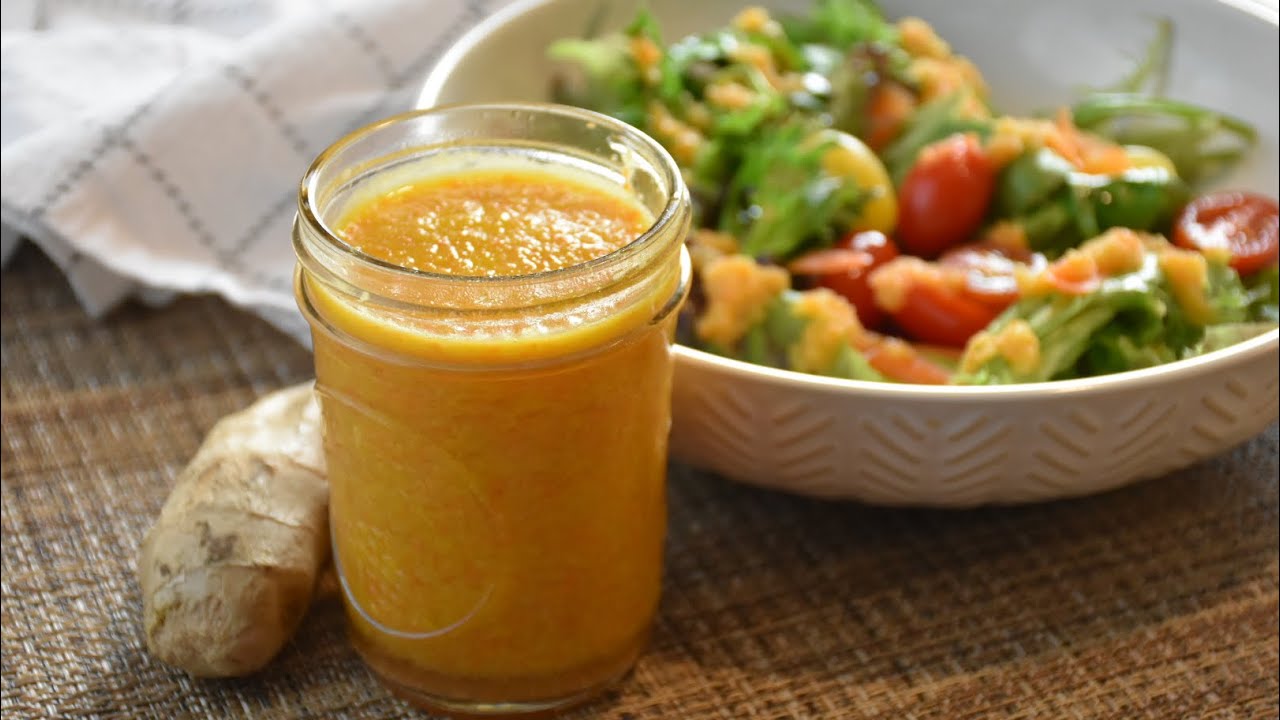
A ginger salad dressing recipe is one of the easiest ways to bring fresh, bold, and vibrant flavor to everyday meals. With its balance of zesty ginger, savory depth, light sweetness, and bright acidity, this dressing transforms a simple bowl of greens into something crisp, refreshing, and deeply satisfying. We can use it for leafy salads, slaws, grain bowls, steamed vegetables, cold noodles, and even as a quick marinade for proteins.
What makes this dressing especially valuable is its versatility. A well-made homemade ginger salad dressing can be light and clean for a green salad, richer for a restaurant-style Japanese-inspired salad, or slightly sweet and tangy for cabbage, carrot, and cucumber combinations. Once we know the right ratio of ingredients and the simple preparation method, we can make it in minutes and adjust it to suit different dishes.
This guide covers everything needed to make a flavorful, balanced, and smooth ginger dressing recipe from scratch, including the core ingredients, preparation steps, flavor variations, storage tips, and serving ideas.
Ingredients You’ll Need for Ginger Salad Dressing
To make a classic and flavorful ginger salad dressing, we need a few simple ingredients that work together to create a fresh, savory, and slightly sweet result.
Basic Ginger Salad Dressing Ingredients
- Fresh ginger – 2 to 3 tablespoons, peeled and roughly chopped
- Olive oil or neutral oil – 1/4 cup
- Rice vinegar – 3 tablespoons
- Soy sauce – 2 tablespoons
- Honey or maple syrup – 1 to 2 tablespoons
- Sesame oil – 1 tablespoon
- Garlic – 1 small clove
- Onion – 2 to 3 tablespoons, roughly chopped
- Lemon juice or lime juice – 1 tablespoon
- Salt – to taste
- Black pepper – to taste
- Water – 1 to 3 tablespoons, as needed for consistency
These ingredients create a dressing that is fresh, fragrant, lightly sweet, and well-balanced. The ginger provides the signature flavor, the oil gives body, the vinegar adds sharpness, and the soy sauce builds savory depth.
Why Fresh Ginger Is the Star Ingredient
In any strong ginger salad dressing recipe, fresh ginger is the most important component. It brings a sharp, clean, slightly spicy taste that dried ginger cannot fully replicate. Fresh ginger also adds aroma and brightness, which helps the dressing taste more lively and natural.
For best results, we should always use fresh ginger root rather than powdered ginger. Fresh ginger blends more smoothly, tastes cleaner, and gives the dressing its characteristic restaurant-style finish. Peeling the ginger helps remove the outer skin and keeps the final texture more refined.
How to Choose the Best Ingredients
A great dressing depends on ingredient quality. For the best flavor:
- Choose firm, smooth ginger root with no wrinkles
- Use good rice vinegar for a mild and balanced acidity
- Pick low-sodium soy sauce if we want better control over saltiness
- Use toasted sesame oil sparingly because it is rich and strong
- Select a mild onion for smoother flavor
- Use fresh citrus juice for a cleaner finish
When the ingredients are fresh and balanced, the final dressing tastes more vibrant and layered.
Step-by-Step Guide to Making Ginger Salad Dressing
Making ginger salad dressing at home is simple. The process takes only a few minutes, especially if we use a blender or food processor.
Step 1: Prepare the Ginger and Aromatics
Peel the fresh ginger with a spoon or small knife. Chop it into small pieces so it blends easily. Peel the garlic and roughly chop the onion as well.
This step helps create a smoother texture and ensures the flavors distribute evenly throughout the dressing.
Step 2: Add Ingredients to a Blender
Place the chopped fresh ginger, garlic, onion, rice vinegar, soy sauce, honey, sesame oil, lemon juice, and olive oil into a blender or small food processor.
Blending all ingredients together gives the dressing a smooth and cohesive texture. If we prefer a more rustic dressing, we can blend less or finely grate the ginger by hand.
Step 3: Blend Until Smooth
Blend the mixture until it becomes smooth and creamy. Pause to scrape down the sides if needed. If the dressing is too thick, add 1 tablespoon of water at a time until it reaches the consistency we want.
A thinner dressing works well for delicate salads, while a slightly thicker version is ideal for slaws, noodle bowls, and heartier vegetables.
Step 4: Taste and Adjust the Balance
Taste the dressing and adjust carefully. If it tastes too sharp, add a little more honey. If it feels too sweet, increase the vinegar or lemon juice slightly. If it needs more savory depth, add a small splash of soy sauce.
This step is essential because a good ginger dressing recipe should feel balanced. No single flavor should overpower the others.
Step 5: Chill Before Serving
Transfer the dressing to a jar or airtight container and refrigerate it for at least 15 to 30 minutes before serving. Chilling helps the flavors blend together and deepens the overall taste.
The dressing can be used immediately, but a short rest often improves it.
Best Texture for Ginger Salad Dressing
The ideal texture depends on how we plan to use it. For a green salad, the dressing should be pourable and light. For cabbage salads or grain bowls, it can be a little thicker.
If the dressing is too thick:
- Add a small amount of water
- Add a little more vinegar or citrus juice
If the dressing is too thin:
- Blend in a little more onion
- Add a small extra piece of ginger
- Increase the oil slightly
A well-textured dressing should coat the salad ingredients without feeling heavy.
Flavor Variations for Ginger Salad Dressing
One of the strengths of this ginger salad dressing recipe is how easily it can be customized.
Japanese-Style Ginger Carrot Dressing
Add:
- 1/4 cup chopped carrot
- Extra onion
- A touch more rice vinegar
This version creates a vibrant orange dressing often served in Japanese restaurants. It tastes slightly sweet, tangy, and refreshing.
Creamy Ginger Dressing
Add:
- 1 tablespoon mayonnaise
- 1 tablespoon Greek yogurt
- Or 2 tablespoons tahini
This produces a richer dressing that works especially well with cabbage, kale, and roasted vegetables.
Sweet Ginger Dressing
Add:
- Extra honey
- A small amount of orange juice
This is excellent for fruit-forward salads or mixed greens with nuts and seeds.
Spicy Ginger Dressing
Add:
- Red pepper flakes
- Fresh chili
- A little sriracha
This variation adds heat and pairs well with noodle salads and grilled vegetables.
What Salads Go Best with Ginger Dressing
A good ginger salad dressing complements a wide variety of salads. It works especially well with ingredients that benefit from brightness and freshness.
Best pairings include:
- Mixed green salads
- Cabbage slaw
- Carrot and cucumber salad
- Asian-inspired chicken salad
- Spinach and avocado salad
- Kale salad
- Edamame and sesame slaw
- Rice bowl vegetables
- Cold noodle salads
The dressing also works beyond salad. We can drizzle it over steamed broccoli, roasted carrots, grilled shrimp, tofu bowls, or even use it as a marinade for chicken.
How to Store Homemade Ginger Salad Dressing
Because this is a homemade salad dressing recipe made with fresh ingredients, proper storage matters.
- Store it in an airtight jar or bottle
- Keep it in the refrigerator
- Use within 4 to 7 days for best flavor
- Shake or stir before each use
Since ginger, garlic, onion, and oil can separate naturally, shaking the jar before serving helps restore the texture.
If the dressing thickens in the fridge, let it sit at room temperature for a few minutes or add a teaspoon of water and shake well.
Common Mistakes to Avoid
Even a simple ginger salad dressing recipe can go wrong if the balance is off. These are the most common mistakes:
Using Too Much Ginger
Fresh ginger is powerful. Too much can overwhelm the dressing and make it harsh rather than refreshing.
Skipping the Sweet Element
A small amount of honey or maple syrup balances the sharp ginger and vinegar. Without it, the dressing may taste too aggressive.
Adding Too Much Sesame Oil
Sesame oil is strong and aromatic. A little goes a long way. Too much can dominate the dressing.
Not Blending Enough
If we want a smooth, restaurant-style dressing, blending thoroughly is important. Large pieces of onion or ginger can create an uneven texture.
Ignoring the Resting Time
Letting the dressing chill briefly improves the overall flavor and helps the ingredients combine more fully.
Tips for the Best Ginger Salad Dressing Every Time
For consistently excellent results, keep these practical tips in mind:
- Always use fresh ginger
- Blend thoroughly for the smoothest finish
- Taste and adjust before serving
- Use rice vinegar for a milder acidity
- Keep sweetness moderate for better balance
- Refrigerate before using for improved flavor
- Shake before every pour
These small details make a big difference in the final taste and texture.
Easy Ginger Salad Dressing Recipe Summary
For a quick reference, here is the simplified version:
Ingredients
- 2 to 3 tablespoons fresh ginger
- 1/4 cup oil
- 3 tablespoons rice vinegar
- 2 tablespoons soy sauce
- 1 tablespoon sesame oil
- 1 to 2 tablespoons honey
- 1 small garlic clove
- 2 to 3 tablespoons chopped onion
- 1 tablespoon lemon juice
- Salt and pepper to taste
- Water as needed
Method
- Peel and chop the ginger, garlic, and onion.
- Add all ingredients to a blender.
- Blend until smooth.
- Adjust thickness and seasoning.
- Chill, shake, and serve.
Serving Ideas for Ginger Salad Dressing
Once prepared, this dressing can be used in many simple and creative ways. Try it with:
- Green lettuce, cucumber, and shredded carrot
- Coleslaw with cabbage and scallions
- Quinoa bowls with vegetables
- Grilled chicken salad
- Tofu and sesame salad
- Cold soba noodle salad
- Roasted vegetable platter
- Lettuce wraps
- Avocado and spinach salad
Its bright taste adds life to both simple meals and more layered dishes.
FAQs about Ginger Salad Dressing Recipe
1. What is ginger salad dressing?
Ginger salad dressing is a flavorful dressing made with fresh ginger, oil, vinegar, and seasonings. It has a bright, tangy, and slightly spicy taste.
2. What does ginger salad dressing taste like?
It usually tastes zesty, savory, tangy, and lightly sweet, with the fresh ginger adding a warm, refreshing kick.
3. What ingredients are commonly used?
Common ingredients include fresh ginger, soy sauce, rice vinegar, sesame oil, olive oil, honey, garlic, and onion.
4. Can we make ginger salad dressing without soy sauce?
Yes, we can use coconut aminos, tamari, or a little salt and vinegar as alternatives, depending on the flavor we want.
5. Is fresh ginger better than ground ginger?
Yes, fresh ginger is usually best because it gives the dressing a brighter, more natural flavor and aroma.
6. How do we make the dressing creamy?
We can blend in mayonnaise, Greek yogurt, tahini, or blended carrot and onion for a creamier texture.
7. What salads pair well with ginger dressing?
It pairs well with green salads, cabbage slaw, carrot salad, cucumber salad, and Asian-inspired vegetable bowls.
8. How long does homemade ginger dressing last?
It usually lasts 5 to 7 days in an airtight jar or container in the refrigerator.
9. Do we need to blend ginger salad dressing?
Blending is helpful because it creates a smooth, well-mixed dressing, but finely grating the ginger can also work.
10. Can we use ginger salad dressing for more than salads?
Yes, we can use it as a marinade, dipping sauce, or drizzle for vegetables, rice bowls, and grilled foods.
Final Thoughts
A well-made ginger salad dressing recipe is fresh, bold, balanced, and highly versatile. With the right blend of fresh ginger, vinegar, soy sauce, oil, and a touch of sweetness, we can create a dressing that tastes clean, vibrant, and better than many store-bought options. It is fast to prepare, easy to customize, and useful for far more than just salad.
Once we master this method, it becomes easy to prepare a dressing that fits different ingredients, different meals, and different flavor preferences. Whether we want a light everyday dressing, a Japanese-inspired restaurant-style version, or a richer variation for hearty bowls, this recipe gives us a reliable base that delivers excellent flavor every time.