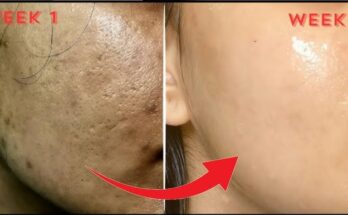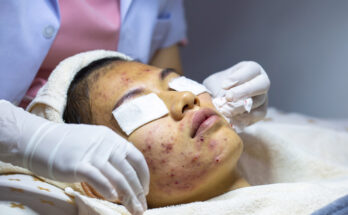
Acne breakouts can be frustrating, persistent, and difficult to control when the skin is exposed to excess oil, clogged pores, sweat, irritation, and inconsistent skincare habits.
A natural approach to acne prevention focuses on building healthy daily routines, protecting the skin barrier, reducing triggers, and choosing simple habits that support clearer skin over time.
When we prevent acne naturally, the goal is not to overload the skin with harsh products. The goal is to keep the skin balanced, clean, calm, and less likely to develop blackheads, whiteheads, pimples, and inflamed breakouts.
What Causes Frequent Acne Breakouts
Acne usually develops when oil, dead skin cells, and bacteria collect inside pores. Once pores become blocked, the skin may form comedones, redness, swelling, and painful spots. Breakouts can become worse when the skin is exposed to too much friction, heavy pore-clogging products, poor cleansing habits, stress, sweat buildup, or repeated touching of the face.
Some of the most common natural acne triggers include:
- Excess sebum production
- Hormonal fluctuations
- Dirty pillowcases and towels
- Heavy creams or oily cosmetics
- Sweat left on the skin
- High stress levels
- Poor sleep quality
- Picking or squeezing pimples
- Unbalanced diet patterns
- Inconsistent skincare routines
When we reduce these triggers, the skin often becomes calmer and more stable.
Wash the Face Gently but Consistently
One of the most effective ways to prevent acne naturally is to keep the skin clean without stripping it. Overwashing can irritate the skin and trigger even more oil production, while under-cleansing allows oil, dirt, sunscreen, and sweat to build up.
We should wash the face twice daily, once in the morning and once at night, using a gentle cleanser. After heavy sweating, the skin should also be rinsed or cleansed as soon as possible. A mild cleanser helps remove impurities while protecting the skin barrier.
The best cleansing habits include:
- Using lukewarm water
- Avoiding harsh scrubs
- Massaging the cleanser gently for a few seconds
- Patting the skin dry with a clean towel
- Never rubbing the face aggressively
A clean but calm face is less likely to develop irritation-driven breakouts.
Avoid Over-Exfoliating the Skin
Many people try to fight acne by scrubbing the skin harder, but this often makes the condition worse. Rough exfoliation can create tiny injuries on the skin surface, increase redness, and weaken the protective barrier. Once the barrier is damaged, breakouts can become more frequent.
Natural acne prevention works better when exfoliation is minimal and controlled. We should avoid:
- Apricot scrubs
- Rough face brushes
- Frequent peeling
- Sharp cleansing tools
- Excessive acid layering
A soft washcloth, used occasionally and gently, is more suitable than abrasive exfoliating products. When the skin stays balanced, pores remain less congested.
Keep Pillowcases, Towels, and Makeup Tools Clean
Acne prevention is not only about products. It is also about hygiene. Pillowcases, face towels, and makeup brushes collect oil, sweat, dead skin, and bacteria. When these items touch the face repeatedly, they can contribute to clogged pores and skin irritation.
To reduce this problem, we should:
- Change pillowcases regularly
- Use a clean face towel
- Wash makeup brushes and sponges
- Avoid sharing makeup tools
- Keep phones and hands away from the face
These simple habits make a major difference when preventing recurring acne naturally.
Moisturize Even if the Skin Is Oily
Oily skin still needs moisture. When we skip moisturizer, the skin may become dehydrated and react by producing even more oil. That extra oil can mix with dead skin cells and make clogged pores more likely.
A lightweight, non-greasy moisturizer helps maintain skin balance. Natural acne prevention does not mean leaving the skin dry. It means supporting a healthy moisture barrier so the skin does not become inflamed or reactive.
The best approach is to choose a moisturizer that feels light, absorbs well, and does not leave a heavy residue. Hydrated skin is often less irritated, less flaky, and less prone to congestion.
Choose Non-Comedogenic Skincare and Makeup
A common reason for repeated breakouts is the use of products that block pores. Heavy creams, greasy sunscreens, thick foundations, and oily hair products can contribute to acne around the forehead, cheeks, jawline, and hairline.
To prevent acne naturally, we should choose products labeled non-comedogenic, oil-free, or lightweight whenever possible. The fewer pore-clogging layers we use, the easier it becomes for the skin to stay clear.
This includes:
- Sunscreen
- Moisturizer
- Foundation
- Concealer
- Face oils
- Hair pomades
- Beard products
Keeping product textures light is often one of the fastest ways to reduce unnecessary breakouts.
Never Sleep with Makeup On
Sleeping with makeup on traps oil, dirt, sweat, and cosmetic residue against the skin for hours. This can block pores and increase inflammation overnight. It also prevents the skin from resting properly.
Removing makeup every night is one of the most important acne prevention habits. Even if the day is long or exhausting, the skin should always be cleansed before bed. A clean nighttime routine gives the skin a better chance to remain balanced and breakout-free.
Reduce Face Touching and Pimple Picking
Hands transfer oil, dirt, and bacteria to the face all day long. Touching the face often, resting the chin on the palm, or picking at pimples can worsen acne and increase the risk of dark marks and scarring.
To prevent acne naturally, we should keep the hands away from the face as much as possible. Pimples should not be squeezed, scratched, or popped. Picking delays healing, spreads inflammation, and often turns a small breakout into a larger problem.
Clearer skin often begins with simply leaving the skin alone.
Shower After Sweating
Sweat is not always the direct cause of acne, but when sweat mixes with oil, friction, and tight clothing, the skin becomes more vulnerable to body breakouts. This is especially common on the chest, back, shoulders, and hairline.
After exercise or heat exposure, we should shower promptly and change into clean, dry clothes. Tight workout clothing should not stay on the skin for too long. Keeping sweat from sitting on the body helps prevent pore blockage and irritation.
Eat a Balanced Skin-Friendly Diet
Food alone does not explain every acne case, but diet can influence inflammation and oil activity in some people. A natural acne prevention routine should include meals that support overall skin health.
Helpful habits include:
- Eating more vegetables
- Including fresh fruits
- Drinking enough water
- Reducing heavily processed foods
- Limiting excess sugar
- Watching how the skin reacts to dairy or greasy foods
A balanced diet supports the body from within and may help reduce the frequency of flare-ups. It is useful to notice whether certain foods seem to trigger breakouts and respond accordingly.
Manage Stress to Reduce Flare-Ups
Stress often shows up on the skin. When stress levels rise, the body may produce signals that worsen oil production and inflammation. This can make acne harder to control, even when skincare is consistent.
Natural acne prevention should include stress reduction habits such as:
- Better sleep routines
- Daily walks
- Light exercise
- Quiet rest
- Prayer or meditation
- Time away from screens
- Consistent relaxation
When stress is reduced, the skin often appears calmer and breakouts may become less intense.
Prioritize Quality Sleep for Clearer Skin
Poor sleep affects the body in many ways, including skin repair. The skin does much of its recovery work at night. When sleep is irregular or too short, the skin may look more inflamed, dull, or reactive.
A healthy sleep routine supports acne prevention by helping the body maintain better balance. Going to bed with clean skin, a fresh pillowcase, and a consistent schedule can improve both skin appearance and skin resilience.
Use Natural Soothing Ingredients Carefully
Some natural ingredients may help calm acne-prone skin when used gently and appropriately. These are not miracle cures, but they can support a simple prevention routine.
Common soothing options include:
- Aloe vera
- Green tea
- Honey
- Oat-based products
- Clay masks used occasionally
These ingredients are often chosen because they feel calming and lightweight. However, even natural ingredients can irritate the skin if overused. Simple routines usually work better than complicated ones.
Protect the Skin from Heavy Oils and Hair Product Residue
Hair oils, edge products, pomades, and greasy leave-in treatments can transfer from the hairline to the forehead and trigger breakouts. This is especially common in people who notice acne around the temples or upper forehead.
To prevent this kind of acne naturally, we should:
- Keep heavy oils away from facial skin
- Clean the hairline regularly
- Cover hair when using oily treatments
- Avoid letting styling products sit on the forehead
Sometimes the issue is not facial skincare at all. It is product transfer from the hair.
Build a Simple Natural Acne Prevention Routine
A basic routine is often the most effective routine. Clear skin usually comes from consistency, not from using too many products at once.
A simple natural acne prevention routine can look like this:
Morning Routine
- Gentle cleanser
- Lightweight moisturizer
- Non-greasy sunscreen
Evening Routine
- Remove makeup
- Gentle cleanser
- Lightweight moisturizer
After Sweating
- Rinse or cleanse the skin
- Change into clean clothes
- Avoid leaving sweat on the face or body
This kind of routine keeps the skin clean, protected, and less overloaded.
Common Mistakes That Make Acne Worse
Even with good intentions, some habits can cause more breakouts. The most common mistakes include:
- Washing the face too often
- Using harsh scrubs
- Skipping moisturizer
- Sleeping with makeup on
- Picking at pimples
- Using heavy pore-clogging products
- Ignoring dirty pillowcases
- Letting sweat stay on the skin
- Starting too many products at once
When these mistakes are corrected, acne prevention becomes much easier.
When Natural Prevention Works Best
Natural acne prevention works best for people who want to reduce everyday triggers, protect the skin barrier, and keep breakouts from becoming constant. It is especially useful when acne is linked to poor skincare habits, pore-clogging products, sweat buildup, or lifestyle patterns.
The key is consistency. Skin rarely improves from random effort. It improves when daily habits support a clean, balanced, and calm environment for the skin.
FAQs about How to Prevent Acne Breakouts Naturally
1. What causes frequent acne breakouts?
Acne breakouts are often caused by excess oil production, clogged pores, bacteria, hormonal changes, and poor skincare habits.
2. Can we prevent acne naturally?
Yes, we can reduce breakouts by maintaining a consistent skincare routine, healthy diet, proper hygiene, and stress control.
3. How does diet affect acne?
We should limit sugary, fried, and highly processed foods. Eating fruits, vegetables, and omega-3-rich foods helps support clearer skin.
4. Does drinking water help prevent acne?
Yes, staying hydrated helps flush toxins, regulate oil production, and maintain healthy skin balance.
5. Are natural remedies effective for prevention?
Yes, ingredients like aloe vera, tea tree oil, honey, and clay masks can help control oil, reduce bacteria, and soothe the skin.
6. How important is cleansing in acne prevention?
We should cleanse our face twice daily to remove dirt, sweat, and oil that can clog pores and lead to breakouts.
7. Can stress cause acne breakouts?
Yes, stress increases hormone levels, which can trigger excess oil production and acne. Managing stress is essential.
8. Should we avoid touching our face?
Yes, we should avoid touching or picking the skin, as it can transfer bacteria and worsen inflammation.
9. How often should we change pillowcases and towels?
We should change them at least once or twice a week to prevent bacteria buildup that can cause acne.
10. Is sunlight helpful or harmful for acne?
Moderate sun exposure may temporarily dry acne, but excessive exposure can damage the skin and worsen breakouts, so sunscreen is important.
Final Thoughts
Preventing acne breakouts naturally begins with a clear strategy: cleanse gently, moisturize properly, avoid pore-clogging products, reduce irritation, manage stress, sleep well, and maintain clean daily habits. When we stop overwhelming the skin and start supporting it with simple, smart choices, the skin becomes more stable over time.
Natural acne prevention is not about aggressive treatment. It is about removing the common causes of congestion and inflammation before they turn into visible breakouts. With a steady routine, cleaner habits, and a balanced lifestyle, it becomes much easier to keep acne under control and maintain clearer, healthier-looking skin.