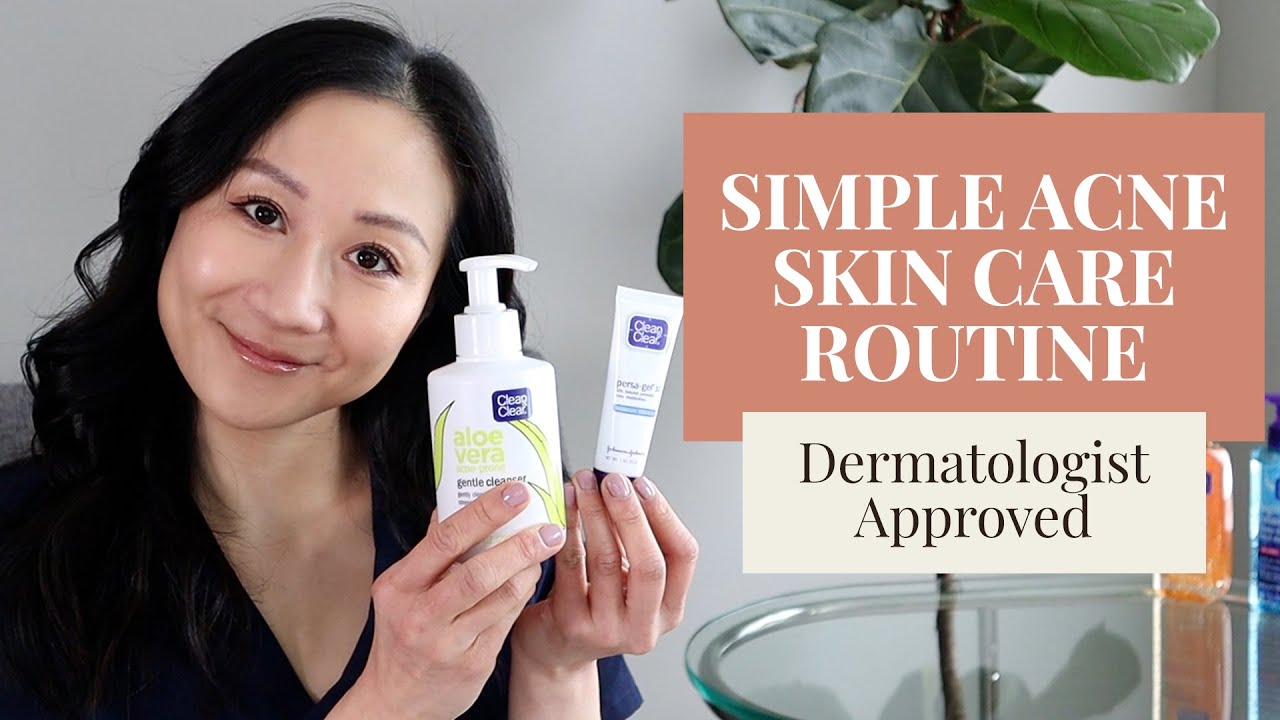
Teen skin needs a routine that is simple, consistent, and gentle. When acne and excess oil appear at the same time, the goal is not to strip the skin dry. The goal is to control shine, reduce breakouts, protect the skin barrier, and keep the routine easy enough to follow every day. A strong routine for teenage acne and oily skin should focus on a few essentials: a gentle cleanser, a lightweight moisturizer, daily sunscreen, and carefully chosen acne-supporting ingredients.
Many teenagers make the mistake of using too many products too quickly. That often leads to irritation, more oil production, redness, and even more breakouts. The best results usually come from a routine built on balance, not harshness. Oily skin still needs hydration. Acne-prone skin still needs barrier support. Teenage skin responds best when the routine is steady, not aggressive.
Why Teenage Acne and Oily Skin Need a Simple Routine
Teenage acne is often linked to increased oil production during puberty. When the skin produces more sebum, pores can become clogged with oil, dead skin cells, and bacteria. This creates blackheads, whiteheads, and inflamed pimples. Oily skin can also make the face look shiny, especially on the forehead, nose, and chin.
A proper skincare routine helps keep pores clear and reduces the conditions that allow acne to worsen. At the same time, the routine should avoid over-drying the skin. When skin becomes too dry, it can feel tight, irritated, and unbalanced. That can make acne management harder instead of easier.
The most effective routine for teenage acne and oily skin is one that uses non-comedogenic, fragrance-light or fragrance-free, and oil-free products where possible. Textures should feel light on the skin, and active ingredients should be introduced gradually.
Morning Skincare Routine for Teenage Acne and Oily Skin
A morning routine should refresh the skin, reduce surface oil, and prepare the face for the day. It should also include protection against sun exposure, since sunlight can worsen dark marks left behind by acne.
Step 1: Use a Gentle Foaming Cleanser
Start the morning with a gentle cleanser designed for oily or acne-prone skin. A foaming or gel cleanser can help lift away overnight oil without making the skin feel raw. The face should be washed with lukewarm water, not hot water, because heat can increase irritation and dryness.
A good cleanser should remove oil and sweat while keeping the skin comfortable. Skin should feel clean, not squeaky or overly tight. Washing too often can worsen the problem, so cleansing twice a day is usually enough.
Step 2: Apply a Lightweight Acne-Friendly Treatment
After cleansing, a light treatment can help manage breakouts and shine. One of the most helpful ingredients for teenage acne and oily skin is salicylic acid. It helps clear pores by lifting away oil and dead skin buildup. This makes it especially useful for blackheads, forehead bumps, and congested skin.
Another useful ingredient is niacinamide, which can help improve the look of excess oil and support a more balanced skin appearance. Teen skin usually responds well to lightweight serums or lotions that do not feel greasy.
Only one treatment product is needed in the morning. Too many layered actives can stress the skin and increase redness.
Step 3: Use a Lightweight Moisturizer
Oily skin still needs moisturizer. Skipping moisturizer can leave the skin feeling unbalanced and uncomfortable. The best option is a lightweight, oil-free, or gel-based moisturizer that hydrates without clogging pores.
A good moisturizer helps maintain the skin barrier. This is important because acne products can dry the skin over time. When the barrier is supported, the skin often looks calmer and feels smoother.
Step 4: Finish with Broad-Spectrum Sunscreen
A daily sunscreen is essential, even for teenagers. Acne-prone skin can develop post-acne marks, and sun exposure can make those marks look darker and last longer. Choose a broad-spectrum SPF 30 or higher with a texture made for oily skin. Gel, fluid, or matte-finish sunscreens often work best.
Sunscreen should feel light, not heavy. It should be the final step of the morning routine. This one habit makes a big difference in maintaining clearer-looking skin over time.
Night Skincare Routine for Teenage Acne and Oily Skin
The evening routine should focus on removing dirt, sweat, sunscreen, and excess oil, then applying treatment products in a way that supports clearer skin.
Step 1: Cleanse the Skin Thoroughly
At night, cleanse the skin carefully to remove buildup from the day. If sunscreen or sports sweat has built up, cleansing becomes even more important. A gentle gel or foaming cleanser is usually enough.
Scrubbing is not necessary. Harsh cleansing can irritate acne and increase redness. Fingertips should be used gently, and the skin should be patted dry with a clean towel.
Step 2: Apply an Acne Treatment
The evening is a good time to use an acne treatment that works deeper on breakouts and clogged pores. Benzoyl peroxide is often used for inflamed acne because it helps reduce acne-causing bacteria on the skin. Salicylic acid is also helpful if clogged pores and oily buildup are the main concern.
Start slowly. Applying treatment every single night from day one may be too much for some teenagers. It is often better to begin a few nights per week and increase only if the skin stays comfortable. This helps reduce dryness and irritation.
Treatments should be used according to product directions. More product does not mean faster results. Thin, even application works best.
Step 3: Moisturize to Protect the Skin Barrier
After acne treatment, apply a lightweight moisturizer. This helps reduce dryness and supports recovery overnight. Moisturized skin often tolerates acne ingredients better and looks less irritated.
Nighttime moisturizer does not need to be heavy. A simple non-comedogenic lotion or gel-cream is often enough.
Best Ingredients for Teenage Acne and Oily Skin
Some ingredients are especially helpful in a routine built for teen acne and oil control.
Salicylic acid is one of the most useful ingredients because it helps clear inside the pores. It is often found in cleansers, toners, serums, and spot treatments.
Niacinamide is another helpful ingredient for skin that looks oily and uneven. It works well in simple routines and fits easily into morning or night use.
Benzoyl peroxide is useful for red, inflamed breakouts. It is often found in washes or leave-on treatments.
Ceramides and glycerin are helpful support ingredients because they hydrate and protect the skin barrier. Acne-prone skin benefits from hydration just as much as dry skin does.
The best routines do not use every ingredient at once. They use the right few ingredients in a controlled way.
Mistakes That Make Teenage Acne and Oily Skin Worse
Many routines fail because they are too harsh. One common mistake is washing the face too often. Cleansing more than needed can increase irritation and dryness.
Another mistake is using strong scrubs. Physical scrubs can inflame active acne and make skin feel sore. Acne-prone skin usually does better with gentle chemical exfoliation used in moderation rather than rough scrubbing.
Picking at pimples is another major problem. It can make blemishes last longer and increase the chance of dark marks after the breakout heals.
Using heavy creams, oily hair products, and thick makeup can also contribute to clogged pores. Products placed around the forehead, cheeks, and jawline should be chosen carefully.
Changing products too often can also slow progress. Teenage acne routines need consistency. Skin usually needs time to adjust before visible improvement appears.
How Long It Takes to See Results
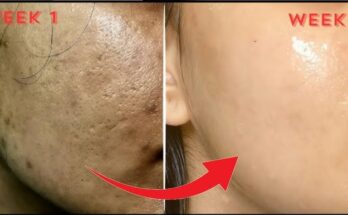
A skincare routine for teenage acne and oily skin does not work overnight. Clearer-looking skin usually comes from steady use over time. Improvement may start gradually, especially when the routine is gentle and realistic.
The key is consistency. Cleansing properly, moisturizing daily, using sunscreen every morning, and applying acne treatment the right way all work together. Missing steps often or switching products every few days usually leads to disappointing results.
Visible progress often looks like fewer new breakouts, less shine during the day, and calmer-looking skin overall.
How to Build the Best Routine Without Overdoing It
The best routine is usually the one that can actually be followed every day. A practical beginner routine may look like this:
Morning: gentle cleanser, lightweight treatment if needed, moisturizer, sunscreen.
Night: cleanser, acne treatment, moisturizer.
That structure is usually enough for many teenagers. Once the skin feels stable, products can be adjusted carefully if needed. Starting with a basic routine reduces confusion and lowers the risk of irritation.
Extra Tips for Teenage Oily and Acne-Prone Skin
Clean pillowcases regularly and avoid touching the face too often during the day. Sweat should be rinsed off after exercise. Hair products should be kept away from the forehead if they tend to feel greasy. Makeup brushes, sponges, and phone screens should also be kept clean.
A routine works best when the entire environment around the skin supports it. Small habits can make a noticeable difference over time.
FAQs about Skincare Routine for Teenage Acne and Oily Skin
1. What is the best skincare routine for teenage acne and oily skin?
We should follow a simple routine with a gentle cleanser, lightweight moisturizer, sunscreen (SPF 30+), and acne treatment like salicylic acid.
2. How often should teenagers wash their face?
We should wash the face twice daily—morning and night—to remove excess oil and prevent clogged pores.
3. Is moisturizer necessary for oily teenage skin?
Yes, we must use a lightweight, oil-free moisturizer to keep the skin hydrated and balanced.
4. Which ingredients are best for teenage acne?
We should look for salicylic acid, benzoyl peroxide, and niacinamide, as they help reduce breakouts and control oil.
5. Should teenagers use sunscreen daily?
Yes, sunscreen is essential. We should apply a non-comedogenic, matte sunscreen every day to prevent dark spots and skin damage.
6. Can teenagers use makeup with acne?
Yes, but we should choose non-comedogenic and oil-free products and remove makeup properly before bed.
7. How often should exfoliation be done?
We should exfoliate 1–2 times per week using gentle products to avoid irritation.
8. How long does it take to see results?
With consistency, we may notice improvements in 4 to 6 weeks.
9. What habits can worsen acne?
We should avoid touching the face, picking pimples, and using harsh products, as these can worsen breakouts.
10. Does diet affect teenage acne?
Yes, eating fewer sugary and oily foods and staying hydrated can support clearer skin.
Final Thoughts
A strong skincare routine for teenage acne and oily skin should be gentle, consistent, and focused on essentials. The most effective approach is not the most complicated one. It is the routine that reduces excess oil, helps prevent clogged pores, supports the skin barrier, and fits naturally into daily life.
With the right cleanser, a lightweight moisturizer, daily sunscreen, and carefully chosen acne treatments, teenage skin can look clearer, feel more balanced, and become easier to manage. The routine should stay simple, steady, and easy to maintain. That is what gives acne-prone oily skin the best chance to improve.
The closing line you wanted added at the end was not included in your message.