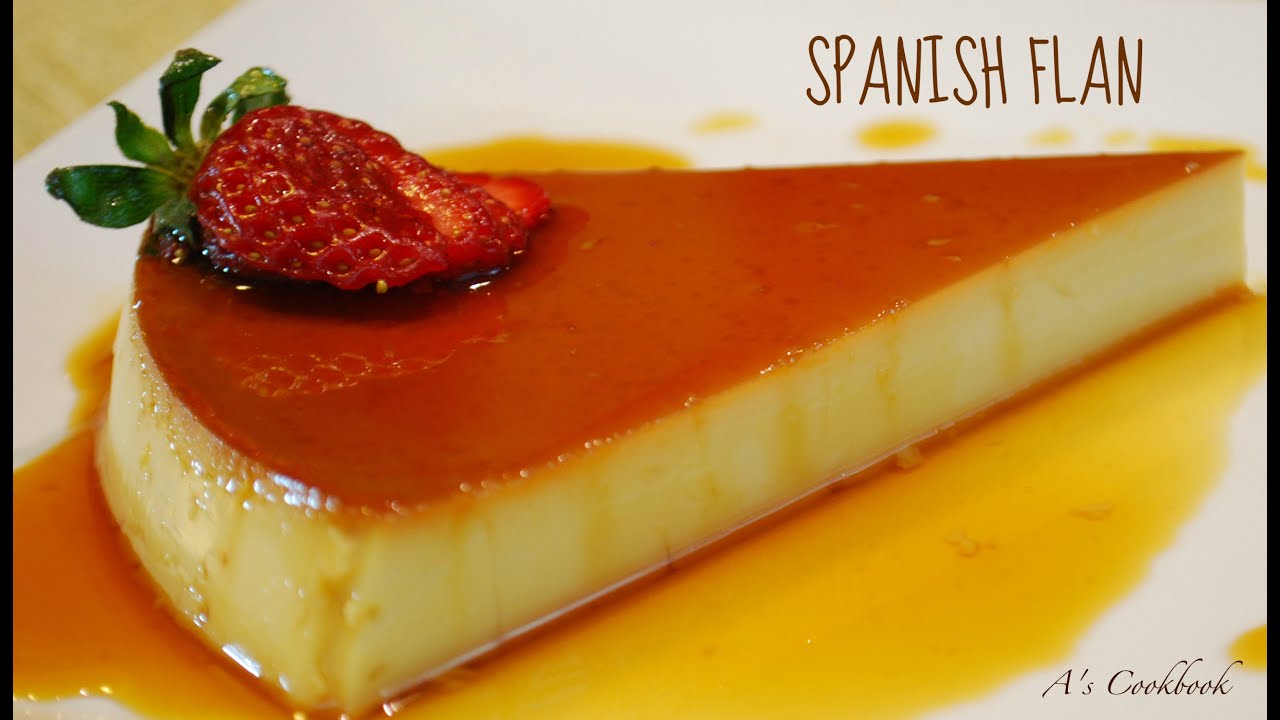
Spanish Flan Recipe: Spanish flan is one of the most elegant desserts we can make with a handful of simple ingredients. It is smooth, creamy, lightly sweet, and crowned with a deep amber caramel that flows over the custard when unmolded. This classic dessert has remained popular for generations because it delivers rich flavor, a refined presentation, and a texture that feels luxurious with very little effort. When prepared correctly, Spanish flan is silky rather than rubbery, delicately sweet rather than heavy, and beautifully balanced by the slight bitterness of caramelized sugar.
In this guide, we will cover everything needed to make a traditional Spanish flan recipe successfully from start to finish. From selecting the best ingredients to mastering the caramel and baking the custard in a water bath, every step matters. With the right technique, we can create a flawless flan with a glossy finish, a smooth interior, and the classic melt-in-the-mouth texture that defines this dessert.
What Is Spanish Flan?
Spanish flan is a baked custard dessert made primarily with eggs, milk, sugar, and vanilla. What makes it instantly recognizable is the caramel layer placed in the mold before the custard is poured in. During baking, that caramel settles at the bottom of the dish, but once the flan is chilled and inverted onto a plate, it becomes a rich golden sauce that cascades over the custard.
Unlike heavier desserts that depend on flour or starch, flan relies on eggs for structure. This gives it a delicate consistency that is both light and creamy. Traditional Spanish flan is simple in flavor, but that simplicity is exactly what makes it so appealing. Every ingredient plays a clear role, and the result is a dessert that feels timeless.
Why This Spanish Flan Recipe Works
A reliable Spanish flan recipe must do three things well: create a balanced caramel, produce a smooth custard, and bake gently enough to prevent curdling. This method works because it focuses on control at each stage.
The caramel is cooked just until it reaches a deep golden color, which develops flavor without burning. The custard mixture is combined gently to avoid excess foam and air bubbles, helping create a more uniform texture. Finally, baking in a water bath protects the custard from direct heat, allowing it to set slowly and evenly. These details make the difference between an ordinary flan and one that looks and tastes professionally made.
Ingredients You’ll Need
To make a classic Spanish flan, we need only a short list of pantry staples.
For the Caramel
- 1 cup granulated sugar
- 1/4 cup water
For the Custard
- 4 large eggs
- 1 can sweetened condensed milk
- 2 cups whole milk
- 1 teaspoon vanilla extract
- 1/4 cup granulated sugar
These measurements create a flan that is rich, smooth, and well-balanced. Whole milk gives the custard body without making it too dense. Sweetened condensed milk adds both sweetness and creaminess, while eggs provide the signature custard structure. Vanilla rounds out the flavor and gives the dessert its warm aroma.
Best Equipment for Making Flan
Using the right tools makes the process easier and improves the final result. We should prepare the following:
- A medium saucepan for caramel
- A mixing bowl
- A whisk
- A fine mesh strainer
- A round cake pan, flan mold, or ramekins
- A larger baking dish for the water bath
- Aluminum foil
- A kettle or pot of hot water
A strainer is especially helpful because it removes any bits of cooked egg and ensures the custard stays smooth. The water bath is equally important because it prevents harsh oven heat from causing the flan to split or become grainy.
How to Make Spanish Flan Step by Step
Step 1: Prepare the Oven and Baking Dish
Preheat the oven to 325°F (160°C). Place the flan mold or cake pan nearby and set out a larger baking dish that will hold the mold comfortably. Heat water separately so it will be ready for the water bath.
Preparing everything in advance is important because caramel hardens quickly. Once it reaches the correct color, we need to pour it into the mold without delay.
Step 2: Make the Caramel
Add 1 cup granulated sugar and 1/4 cup water to a saucepan over medium heat. Stir just enough at the beginning to combine the ingredients, then stop stirring. As the sugar dissolves and begins to boil, swirl the pan gently if needed.
Watch closely as the mixture changes from clear to pale gold, then to a deeper amber. Once it reaches a rich caramel color, remove it from the heat immediately. Pour the caramel into the bottom of the flan mold and tilt the dish carefully so the caramel coats the base evenly.
This step must be done quickly and carefully. Caramel continues to darken from residual heat, so removing it at the right moment prevents bitterness. A deep amber caramel adds the best flavor contrast to the sweet custard.
Step 3: Mix the Custard
In a large bowl, whisk the eggs until just blended. Add the sweetened condensed milk, whole milk, vanilla extract, and 1/4 cup sugar. Whisk until the mixture is fully smooth and evenly combined.
Avoid beating too aggressively. Too much air can create bubbles on the surface and affect the final texture. The goal is a creamy, cohesive custard rather than a frothy mixture.
Step 4: Strain the Custard
Pour the custard through a fine mesh strainer into another bowl or directly into the caramel-lined mold. This removes any egg strands and helps produce the silky texture that defines a great flan.
Straining may seem like a small detail, but it creates a more polished dessert. It is one of the easiest ways to improve the final result.
Step 5: Set Up the Water Bath
Place the filled flan mold into the larger baking dish. Carefully pour hot water into the outer dish until it reaches about halfway up the sides of the flan mold. Cover the flan loosely with foil.
The water bath creates gentle, even heat around the custard. This prevents the eggs from cooking too quickly and keeps the texture smooth and delicate.
Step 6: Bake Until Just Set
Bake for about 50 to 65 minutes, depending on the size and depth of the dish. The flan is ready when the edges are set but the center still has a slight jiggle when gently shaken.
Do not overbake. Residual heat continues to firm the custard as it cools. Overbaking can make the texture dense and less creamy, which takes away from the classic elegance of Spanish flan.
Step 7: Cool and Chill
Remove the flan from the water bath and allow it to cool to room temperature. Then refrigerate for at least 4 hours, though overnight chilling gives the best flavor and texture.
This resting time is essential. Chilling helps the custard fully set and allows the caramel to loosen, making unmolding easier and cleaner.
Step 8: Unmold and Serve
Run a thin knife gently around the edge of the flan. Place a serving plate over the mold, then invert quickly and confidently. Lift the mold slowly. The caramel sauce should flow over the custard, creating the classic glossy finish.
Serve chilled for the best texture. Each slice should be smooth, creamy, and surrounded by amber caramel.
Tips for the Best Spanish Flan Recipe
Perfecting Spanish flan comes down to precision and patience. A few practical details can make the dessert notably better.
Use room-temperature eggs for easier mixing. Do not rush the caramel, but do not walk away from it either. Once sugar begins to darken, the change happens quickly. Always strain the custard for a refined texture. Bake gently and remove the flan as soon as the center is softly set. Most importantly, chill thoroughly before unmolding. A well-chilled flan releases more neatly and tastes more balanced.
Common Mistakes to Avoid
One of the most common issues is burnt caramel. If the sugar becomes too dark, the sauce will taste bitter and overpower the custard. Another mistake is overmixing the custard, which creates foam and surface bubbles. Some bakers also skip the water bath, but that usually results in uneven cooking and a rougher texture.
Overbaking is another major problem. A flan that bakes too long loses its creamy consistency and becomes firmer than intended. Finally, unmolding too early can cause the flan to break or stick. Patience is part of the method, and it pays off.
How to Know When Flan Is Done
A properly baked flan should not be fully stiff in the oven. The edges should look set, while the center should still wobble slightly. That gentle jiggle means the custard will finish setting as it cools. If the center looks liquid, it needs more time. If it looks completely firm and dry, it may already be overbaked.
Visual cues matter more than exact minutes because ovens and baking dishes vary. Checking carefully near the end of baking helps achieve the ideal custard texture.
Serving Ideas for Spanish Flan
Spanish flan is excellent on its own, but it also pairs beautifully with simple garnishes. A few fresh berries can add color and brightness. A small spoonful of lightly whipped cream can make the presentation more elegant without overpowering the dessert. Some prefer a touch of citrus zest for contrast, while others enjoy it with a cup of coffee or espresso.
Because flan is rich yet smooth, smaller servings often feel more refined. Presented on a clean plate with caramel sauce spooned over the top, it becomes a dessert suitable for both casual meals and special occasions.
How to Store Homemade Flan
Flan should be stored in the refrigerator, covered, for up to 3 to 4 days. It is best kept in its mold until ready to serve, especially if it has not yet been unmolded. This helps preserve its shape and keeps the caramel from spreading too much.
For the best quality, serve it cold straight from the refrigerator or after a few minutes at room temperature. Avoid freezing, as freezing can affect the custard texture and cause separation when thawed.
Why Spanish Flan Remains a Classic Dessert
There is a reason Spanish flan recipe remains a favorite across generations. It is economical, elegant, and deeply satisfying. The ingredient list is simple, yet the final dessert feels refined. Its contrast of silky custard and bittersweet caramel gives it a flavor profile that is both comforting and sophisticated.
This is the kind of dessert we can prepare for holidays, dinner parties, family meals, or any time we want something traditional and reliable. Once the technique is mastered, it becomes one of the most dependable custard desserts we can make.
FAQs about Spanish Flan Recipe
1. What is Spanish flan?
Spanish flan is a smooth, creamy custard dessert topped with a rich caramel sauce. It is made with simple ingredients such as eggs, milk, sugar, and vanilla, then baked gently until set.
2. Why did my flan turn out with bubbles or holes?
This usually happens when the custard is overmixed or baked at too high a temperature. We can avoid this by mixing gently and baking the flan in a water bath.
3. What is the purpose of the caramel layer?
The caramel adds sweetness, color, and the classic topping that flows over the custard when the flan is turned out onto a plate. It also gives the dessert its signature flavor.
4. How do we know when flan is done?
Flan is ready when the edges are set but the center still has a slight jiggle. It will continue to firm up as it cools and chills in the refrigerator.
5. Can we make Spanish flan ahead of time?
Yes. Spanish flan is an excellent make-ahead dessert. In fact, it tastes even better after chilling for several hours or overnight.
6. Why won’t my flan come out of the mold easily?
The flan may need more chilling time. Running a thin knife around the edges and briefly warming the bottom of the mold can help release it cleanly.
7. Can we use condensed milk in Spanish flan?
Some versions do, but traditional Spanish flan is often made with milk, eggs, sugar, and vanilla. Condensed milk creates a richer and sweeter variation.
8. How should we serve Spanish flan?
Serve it chilled, with the caramel sauce spooned over the top. It can also be enjoyed with fresh berries, whipped cream, or a light mint garnish.
Conclusion
A great Spanish flan recipe is built on simple ingredients, careful caramelization, gentle baking, and proper chilling. When each step is handled correctly, the result is a dessert with smooth texture, balanced sweetness, and a beautiful caramel finish. It is one of the finest examples of how classic methods can turn everyday ingredients into something memorable.
From the glossy amber topping to the delicate custard beneath, Spanish flan offers a timeless dessert experience that never feels outdated. With this step-by-step guide, we can prepare a flan that looks beautiful, slices cleanly, and delivers the creamy, caramel-rich flavor that makes this dessert a true classic.