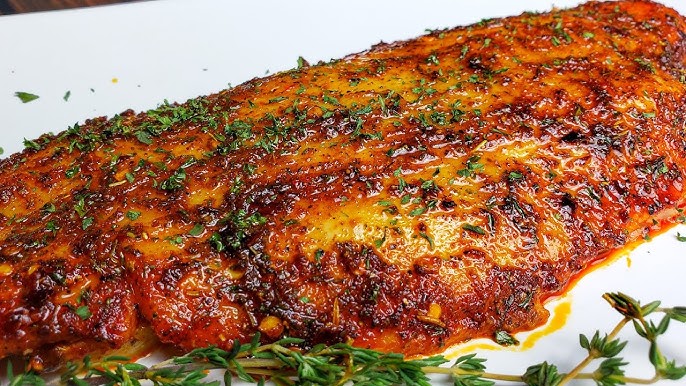
Fish Fillet Recipe: Fish fillet is one of the most versatile, flavorful, and easy-to-cook meals we can prepare in any kitchen. Whether we want a light family dinner, a quick weekday lunch, or a dish that feels special without being complicated, a well-made fish fillet recipe delivers excellent results. The secret lies in choosing fresh fillets, seasoning them properly, and cooking them with the right method to preserve moisture, texture, and flavor.
This guide covers everything needed to prepare a delicious fish fillet from start to finish. We will go through the ingredients, preparation steps, cooking techniques, and practical tips that help us achieve tender, flaky, and perfectly seasoned fish every time.
Why This Fish Fillet Recipe Works
A great fish fillet recipe should be simple, balanced, and reliable. This method works because it focuses on the essentials: fresh fish, proper seasoning, controlled heat, and a cooking time that keeps the fish juicy rather than dry. Fish cooks quickly, which makes it ideal for both beginners and experienced home cooks.
Another strength of this recipe is flexibility. We can use different kinds of white fish fillets such as tilapia, cod, hake, pollock, catfish, snapper, or sole. Each variety has its own flavor and texture, but the basic technique remains the same. That means we can adapt the recipe based on what is fresh, affordable, or available locally.
Ingredients You’ll Need
To make a flavorful and well-seasoned fish fillet recipe, we need fresh ingredients that enhance the fish without overpowering it.
For the Fish
- 4 fish fillets
- 1 teaspoon salt
- 1/2 teaspoon black pepper
- 1 teaspoon paprika
- 1/2 teaspoon garlic powder
- 1/2 teaspoon onion powder
- 1/2 teaspoon dried thyme or oregano
- 1 tablespoon lemon juice
- 2 tablespoons olive oil or melted butter
For Coating (Optional for a Light Crust)
- 1/2 cup all-purpose flour
- 2 tablespoons cornstarch
- 1/2 teaspoon salt
- 1/2 teaspoon paprika
For Cooking
- 2 tablespoons vegetable oil or olive oil
- 1 tablespoon butter
- Lemon wedges for serving
- Fresh parsley for garnish
These ingredients create a balanced flavor profile with mild spice, gentle acidity, and a golden finish. The optional flour coating gives the fish a slight crust while still keeping the inside soft and flaky.
Best Fish to Use for Fish Fillet Recipe
The best fish fillet for this recipe depends on the flavor and texture we want. Mild white fish is usually the easiest choice because it absorbs seasoning well and cooks quickly. Tilapia is affordable and easy to find. Cod offers a firmer texture and a slightly richer bite. Hake is delicate and tender. Catfish brings a deeper flavor, while snapper provides a more premium texture and taste.
When selecting fish fillets, freshness matters most. Fresh fish should smell clean, not overly strong. The flesh should look moist and firm rather than dull or mushy. Frozen fillets also work well if properly thawed before cooking. We should always pat them dry thoroughly after thawing to avoid excess moisture during cooking.
How to Prepare Fish Fillets Properly
Preparation is the first step toward excellent results. Even the best fish can turn out poorly if it is not handled correctly before cooking.
First, rinse the fillets lightly if needed, then pat them completely dry with paper towels. Dry fish cooks better, browns more evenly, and allows the seasoning to stick properly. If the fish is wet, it may steam instead of sear.
Next, check for bones by running our fingers lightly over the surface of each fillet. Remove any small bones with kitchen tweezers. If the fillets still have skin, we can leave it on or remove it depending on preference. Skin-on fillets can become crisp and flavorful when pan-cooked.
Then, place the fish in a shallow bowl or tray. Drizzle with lemon juice and olive oil, then season with salt, black pepper, paprika, garlic powder, onion powder, and dried thyme. Rub the seasoning gently over both sides of the fillets so the flavor is evenly distributed.
For deeper flavor, let the fish rest for 10 to 15 minutes before cooking. This short marinating time allows the seasoning to settle into the surface without changing the natural texture of the fish.
Step-by-Step Guide to Cooking Fish Fillet
Step 1: Season the Fish Fillets
Once the fillets are dry and cleaned, coat them with the prepared seasoning mixture. Make sure every piece is evenly covered. If we want a lightly crisp exterior, mix the flour, cornstarch, salt, and paprika in a separate plate and dredge each fillet lightly after seasoning. Shake off the excess flour before cooking.
This coating is optional, but it helps create a golden crust and protects the fish from sticking to the pan.
Step 2: Heat the Pan Properly
Place a large skillet or frying pan over medium heat. Add the oil and let it warm for about 1 to 2 minutes. Then add the butter. Once the butter melts and starts to foam lightly, the pan is ready.
The temperature should be hot enough to sear the fish but not so hot that the butter burns immediately. Controlled medium heat is ideal for most fish fillet recipes because it helps develop color while keeping the inside moist.
Step 3: Add the Fish to the Pan
Carefully place the fish fillets into the pan in a single layer. Do not overcrowd the pan. If the fillets are too close together, they will release steam and lose the chance to brown properly. Cook in batches if necessary.
Let the fish cook undisturbed for about 3 to 4 minutes on the first side, depending on thickness. Avoid moving it too early. Once the underside is golden and the fillet releases easily from the pan, it is ready to flip.
Step 4: Flip and Finish Cooking
Turn each fillet gently using a fish spatula or wide flat spatula. Cook the second side for another 2 to 4 minutes. The fish should become opaque and flake easily with a fork when fully cooked.
Cooking time varies with thickness. Thin fillets may need only 2 minutes per side, while thicker cuts may need 4 to 5 minutes. The goal is tender, juicy fish that flakes naturally without falling apart.
Step 5: Add Final Flavor
Just before removing the fish from the pan, squeeze a little fresh lemon juice over the fillets. We can also spoon a bit of the melted butter from the pan over the top for added richness. Sprinkle chopped parsley for freshness and color.
This final touch brightens the flavor and gives the fish fillet recipe a polished, restaurant-style finish.
How to Know When Fish Fillet Is Done
Perfectly cooked fish should look opaque rather than translucent. It should flake easily when pressed gently with a fork, but it should not be dry or crumbly. Overcooked fish becomes tough and loses its juicy texture, so close attention during the final minutes is important.
A practical guide is the thickness rule: fish generally cooks in about 10 minutes per inch of thickness. Thin fillets cook very fast, so we should stay near the stove and monitor them carefully.
Oven-Baked Fish Fillet Option
If we prefer baking instead of pan-frying, this same fish fillet recipe works beautifully in the oven.
Preheat the oven to 200°C (400°F). Line a baking tray with parchment paper or lightly grease a baking dish. Season the fillets as described earlier, then arrange them in a single layer. Drizzle lightly with oil or melted butter.
Bake for 12 to 15 minutes, depending on the thickness of the fish. In the last 2 minutes, we can switch to broil if we want a slightly golden top. Once the fish flakes easily and looks opaque, remove it from the oven and serve immediately with lemon wedges.
Baking is an excellent option when we want a lighter version or need to cook several fillets at once.
Serving Ideas for Fish Fillet Recipe
Fish fillet pairs well with many side dishes, making it easy to turn into a complete and satisfying meal. We can serve it with steamed rice, mashed potatoes, roasted vegetables, sautéed greens, or fresh salad. It also works well with fried plantains, buttered pasta, herbed couscous, or seasoned potatoes.
For a lighter presentation, serve the fish with lemon rice and green beans. For a more filling meal, pair it with chips, coleslaw, and a dipping sauce. Fish fillet can also be placed inside wraps, tacos, or sandwiches with lettuce, tomato, and a creamy dressing.
Common Mistakes to Avoid When Cooking Fish Fillet
One common mistake is cooking wet fish. Excess moisture prevents browning and can cause sticking. Another mistake is overcooking, which happens quickly because fish is delicate and thin. We should also avoid flipping the fish too early, as this can tear the fillet and ruin its presentation.
Using a cold pan is another issue. If the pan is not properly heated before adding the fish, the fillet may absorb oil and become greasy instead of crisp. Too much seasoning can also overpower the natural taste of the fish, so balance is important.
Tips for the Best Fish Fillet Recipe
For the best results, always dry the fish thoroughly before seasoning. Use fresh lemon juice for brightness and avoid very high heat that can burn the outside before the inside cooks through. If using frozen fish, thaw it completely and remove excess water before cooking.
A nonstick or well-seasoned skillet is helpful for delicate fillets. If we want more depth of flavor, we can add a small amount of minced garlic to the butter during the last minute of cooking. For a slightly spicy version, add cayenne pepper or chili flakes to the seasoning mix.
Fresh herbs such as parsley, dill, or cilantro can make the final dish more vibrant. A light sauce made with butter, lemon, and garlic also works beautifully drizzled over the finished fish.
How to Store and Reheat Fish Fillet
If there are leftovers, let the fish cool completely before storing it in an airtight container in the refrigerator. It will stay fresh for up to 2 days. To reheat, warm it gently in a skillet over low heat or in the oven at a low temperature. Avoid microwaving for too long, as that can dry out the fish and affect its texture.
Leftover fish fillet can also be flaked and used in sandwiches, wraps, salads, or rice bowls the next day.
FAQs about Fish Fillet Recipe
1. What type of fish is best for fish fillet recipes?
Mild, firm fish such as tilapia, cod, haddock, catfish, snapper, or pollock work very well. They cook evenly, hold their shape, and absorb seasoning nicely.
2. How do we know when fish fillets are fully cooked?
Fish is done when it turns opaque and flakes easily with a fork. In most recipes, fillets cook quickly, so it is important not to overcook them.
3. Should we season fish before cooking?
Yes. Simple seasoning such as salt, black pepper, garlic, paprika, lemon juice, and herbs can greatly improve flavor. We can season the fillets just before cooking for the best taste.
4. Can we bake fish fillets instead of frying them?
Absolutely. Baking is a lighter option and still produces delicious results. We can bake fish fillets until tender and flaky, often with a little oil, butter, or sauce for moisture.
5. Why do fish fillets fall apart during cooking?
This may happen if the fish is too delicate, overcooked, or turned too often. Using a gentle hand and allowing one side to cook properly before flipping helps keep the fillets intact.
6. How can we make fish fillets crispy?
Coating the fillets in flour, breadcrumbs, or seasoned cornmeal can help create a crisp exterior. Cooking in hot oil or baking at a high temperature also improves texture.
7. Can we cook frozen fish fillets?
Yes, but thawing first usually gives better texture and even cooking. If cooking from frozen, we may need to increase the cooking time slightly.
8. What can we serve with fish fillets?
Fish fillets pair well with rice, fries, roasted potatoes, steamed vegetables, salad, or a light sauce like tartar, garlic butter, or lemon cream.
Conclusion
A well-prepared fish fillet recipe is simple, elegant, and full of flavor. With the right fish, balanced seasoning, and proper cooking method, we can create a meal that is tender, juicy, and deeply satisfying. This recipe offers a dependable approach that works for everyday cooking while still delivering a result that feels refined.
From pan-seared to oven-baked, fish fillet remains one of the easiest and most rewarding dishes we can make. Once we master the basics, it becomes easy to adapt the recipe with different herbs, spices, sauces, and side dishes. The result is a versatile meal that deserves a regular place in our kitchen.