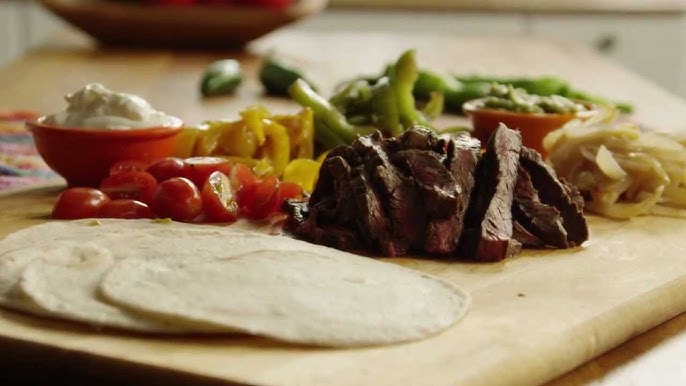
A great fajita marinade recipe is the difference between ordinary strips of meat and deeply flavorful, tender, juicy fajitas that taste bold in every bite. When we prepare fajitas properly, the marinade does far more than season the surface. It helps build layers of flavor with citrus, oil, garlic, spices, and savory depth so the meat absorbs a balanced combination of brightness, warmth, and richness before it ever touches the pan or grill.
This guide covers exactly how we make a reliable, restaurant-style fajita marinade that works beautifully for chicken, steak, or shrimp. It uses pantry ingredients, comes together in minutes, and delivers the kind of smoky, zesty flavor people expect from excellent homemade fajitas.
Why This Fajita Marinade Recipe Works
A well-made fajita marinade recipe needs balance. Too much acid can overpower the meat. Too much oil can make the flavor feel flat. Too much spice can hide the freshness that makes fajitas so appealing. The best version combines the right amount of each element so every ingredient has a purpose.
We build this marinade around a few key flavor pillars:
- Lime juice for fresh acidity
- Oil to carry the spices and coat the meat
- Garlic for strong savory flavor
- Soy sauce or Worcestershire sauce for depth
- Chili powder, cumin, paprika, and oregano for classic fajita character
- A touch of sweetness to round out the sharp edges
The result is a marinade that produces meat that is flavorful, tender, aromatic, and perfectly suited for sizzling fajitas.
Ingredients You’ll Need
Here is everything we need for this fajita marinade recipe:
- 1/4 cup olive oil
- 3 tablespoons fresh lime juice
- 2 tablespoons orange juice
- 2 tablespoons soy sauce
- 1 tablespoon Worcestershire sauce
- 4 cloves garlic, minced
- 1 tablespoon chili powder
- 2 teaspoons ground cumin
- 2 teaspoons smoked paprika
- 1 teaspoon dried oregano
- 1/2 teaspoon onion powder
- 1/2 teaspoon black pepper
- 1 teaspoon salt
- 1 teaspoon brown sugar or honey
- 1/4 teaspoon crushed red pepper flakes optional
This quantity is ideal for about:
- 1.5 to 2 pounds chicken
- 1.5 pounds flank steak, skirt steak, or sirloin
- 1.5 pounds shrimp
Best Meat Options for Fajita Marinade
One of the strengths of this fajita marinade recipe is its versatility. We can use it across different proteins and still get excellent results.
Chicken
Chicken is one of the easiest options for fajitas because it readily absorbs marinade flavor. We can use boneless chicken breasts for a leaner result or boneless chicken thighs for extra juiciness and richer flavor.
Steak
For beef fajitas, the best cuts are usually skirt steak, flank steak, or thinly sliced sirloin. These cuts benefit greatly from marinating because the flavor penetrates well and helps tenderize the surface.
Shrimp
Shrimp cooks quickly and pairs exceptionally well with citrus and spice. Because shrimp is delicate, it should not sit in the marinade for too long.
How to Make Fajita Marinade for Fajita Marinade
Step 1: Combine the Marinade Ingredients
In a medium bowl or measuring jug, whisk together the olive oil, lime juice, orange juice, soy sauce, Worcestershire sauce, garlic, chili powder, cumin, smoked paprika, oregano, onion powder, black pepper, salt, brown sugar, and red pepper flakes if using.
Whisk until the mixture looks smooth and the spices are well distributed. The marinade should smell bright, savory, smoky, and slightly tangy.
Step 2: Prepare the Meat
Trim any excess fat from the meat if needed. If using chicken breasts, we can slice them into strips after marinating or leave them whole for easier grilling. If using steak, keep it whole while marinating for best moisture retention, then slice after cooking. Shrimp should be peeled and deveined before marinating.
Step 3: Marinate the Protein
Place the meat in a zip-top bag or shallow dish. Pour the marinade over the protein and turn everything to coat evenly. Cover and refrigerate.
Recommended marinating times:
- Chicken: 2 to 8 hours
- Steak: 2 to 6 hours
- Shrimp: 15 to 30 minutes
The timing matters. Chicken and steak can benefit from a longer soak, but shrimp should never remain in an acidic marinade for too long or the texture may change too much.
Step 4: Remove Excess Marinade Before Cooking
When ready to cook, remove the meat from the marinade and let excess liquid drip off. This is important because too much marinade in the pan can cause steaming instead of proper searing.
Discard used marinade unless it is boiled thoroughly before reuse.
Step 5: Cook the Meat Properly
Cook the marinated meat in a hot skillet, grill pan, cast-iron pan, or outdoor grill. High heat is essential for fajitas because it creates charred edges and concentrated flavor.
For chicken, cook until fully done and lightly browned.
For steak, cook to the preferred doneness, then rest before slicing.
For shrimp, cook only until pink and opaque.
Step 6: Slice and Serve
Slice chicken or steak thinly against the grain. This keeps the texture tender and easy to chew. Serve immediately with sautéed peppers and onions, warm tortillas, and preferred toppings.
How to Cook Fajita Vegetables
A strong fajita marinade recipe works best when paired with properly cooked vegetables. Traditional fajita vegetables are simple but essential.
We need:
- 1 red bell pepper
- 1 green bell pepper
- 1 yellow bell pepper
- 1 large onion
- 1 to 2 tablespoons oil
- Pinch of salt
- Pinch of black pepper
Slice the peppers and onion into thin strips. Heat a skillet over medium-high heat, add oil, then cook the vegetables until they soften slightly but still keep some bite. We want them lightly charred, not mushy. A small sprinkle of salt and pepper is enough because the marinated meat carries most of the flavor.
Tips for the Best Fajita Marinade Recipe
Use Fresh Citrus Juice
Fresh lime juice gives the marinade a cleaner and brighter flavor than bottled juice. Fresh orange juice also softens the acidity and adds natural sweetness.
Do Not Over-Marinate
More time is not always better. Steak and chicken can become overly soft if left too long in a strongly acidic marinade. Shrimp especially needs a short marinating window.
Cook Over High Heat
Fajitas should taste bold and slightly smoky. That comes from heat. If the pan is not hot enough, the meat releases liquid and boils instead of browning.
Rest Steak Before Slicing
After cooking steak, let it rest for a few minutes before slicing. This helps keep the juices inside.
Slice Against the Grain
This is especially important for flank and skirt steak. Cutting against the grain shortens the muscle fibers and improves tenderness.
Flavor Variations for Fajita Marinade
This fajita marinade recipe is excellent as written, but we can adjust it depending on the flavor profile we want.
Spicier Marinade
Add more crushed red pepper flakes, chipotle powder, or a finely chopped jalapeño.
Smokier Marinade
Increase the smoked paprika slightly or add a small amount of chipotle in adobo.
Sweeter Marinade
Use a little more honey or brown sugar for a softer, sweeter finish.
Garlicky Marinade
Add an extra clove or two of garlic for stronger savory intensity.
Herb-Forward Marinade
Add chopped fresh cilantro right before marinating for an extra layer of freshness.
What to Serve with Fajitas
Fajitas are flexible and easy to turn into a full meal. We can serve the marinated protein with:
- Flour tortillas
- Corn tortillas
- Mexican rice
- Cilantro lime rice
- Black beans
- Refried beans
- Guacamole
- Sour cream
- Pico de gallo
- Shredded cheese
- Sliced avocado
- Fresh cilantro
- Lime wedges
For a lower-carb option, we can also serve the fajita meat and vegetables in a bowl over lettuce, cauliflower rice, or grilled vegetables.
How to Store and Make Ahead
This fajita marinade recipe is convenient for meal prep because it can be made in advance.
To Store the Marinade
We can mix the marinade and keep it in an airtight container in the refrigerator for up to 3 days before using.
To Store Marinated Meat
Chicken or steak can be marinated ahead and refrigerated within the recommended marinating times. Shrimp should be added closer to cooking time.
To Freeze
The marinade can be combined with raw chicken or steak in a freezer-safe bag and frozen. As it thaws, it continues absorbing flavor. This is a practical way to prepare quick fajita dinners in advance.
Common Mistakes to Avoid
Even a simple fajita marinade recipe can underperform if a few details are missed.
Using Too Much Acid
Too much lime or vinegar can overpower the flavor and negatively affect texture.
Skipping Salt
Salt is essential because it helps build flavor throughout the meat rather than only on the outside.
Crowding the Pan
If too much meat goes into the pan at once, it steams instead of sears. Cook in batches if necessary.
Cooking Cold Meat
Let the marinated meat sit at room temperature for a short time before cooking so it cooks more evenly.
Overcooking
Chicken dries out, steak becomes tough, and shrimp turns rubbery when cooked too long. Proper timing matters.
FAQs about Fajita Marinade Recipe
1. What is fajita marinade?
Fajita marinade is a seasoned liquid mixture used to flavor meat or vegetables before cooking. It usually adds a smoky, tangy, and slightly spicy taste.
2. What ingredients are commonly used in fajita marinade?
Common ingredients include oil, lime juice, garlic, chili powder, cumin, paprika, onion powder, salt, and pepper. Some recipes also add soy sauce or a little sugar for extra depth.
3. What meats work best with fajita marinade?
Fajita marinade works well with chicken, steak, shrimp, and even tofu. It can also be used for vegetables like peppers, onions, and mushrooms.
4. How long should we marinate the meat?
Chicken and beef are often marinated for at least 30 minutes to several hours. Shrimp usually needs less time because it absorbs flavor quickly.
5. Can we marinate vegetables too?
Yes, vegetables can also be marinated. Bell peppers, onions, zucchini, and mushrooms all take on the flavor very well.
6. Is fajita marinade spicy?
It can be mild or spicy depending on the ingredients. We can adjust the heat level by using more or less chili powder, cayenne, or fresh peppers.
7. Can fajita marinade be made ahead of time?
Yes, it can be made ahead and stored in the refrigerator. This makes meal preparation easier and helps the flavors blend well.
8. How long does homemade fajita marinade last?
Homemade fajita marinade usually lasts about 3 to 5 days in the refrigerator when stored in a sealed container.
Final Thoughts
This fajita marinade recipe delivers everything we want from homemade fajitas: bold flavor, balanced citrus, warm spices, savory depth, and juicy results. It is simple enough for a weeknight meal yet flavorful enough for serving guests. Once we use a marinade that is built with the right ingredients and correct proportions, fajitas become far more than a quick skillet dinner. They become a dependable, crave-worthy meal with strong color, aroma, and taste.
Whether we are making chicken fajitas, steak fajitas, or shrimp fajitas, this marinade gives us a reliable foundation for excellent results every time. With fresh peppers, onions, hot tortillas, and proper cooking technique, it turns simple ingredients into a dish that tastes vibrant, satisfying, and complete.