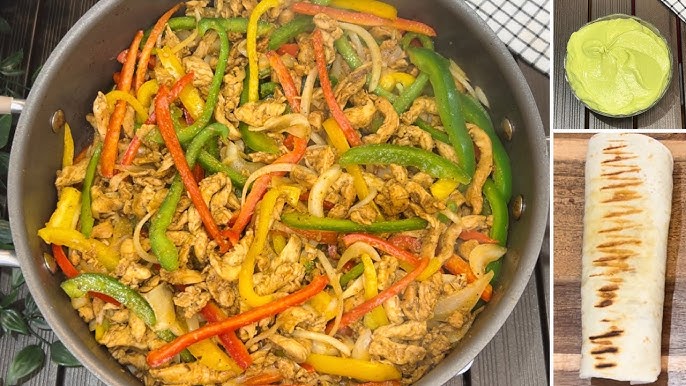
Fajita Sauce Recipe: Fajita sauce is the flavor backbone that turns simple peppers, onions, and protein into a bold, smoky, restaurant-style meal. When we prepare a proper fajita sauce recipe, we create a rich blend of savory, tangy, slightly spicy, and deeply seasoned flavors that coat every ingredient beautifully. The result is a sauce that works perfectly for chicken, beef, shrimp, or vegetable fajitas while also doubling as a marinade, skillet sauce, or taco drizzle.
A great fajita sauce should never taste flat. It should bring together the warmth of chili powder, the earthiness of cumin, the brightness of lime juice, the richness of tomato, and the depth of garlic and onion. When balanced correctly, it clings to the meat and vegetables, intensifies during cooking, and delivers that signature sizzling fajita flavor in every bite.
Ingredients You’ll Need for Fajita Sauce
To make a bold and balanced fajita sauce recipe, we need a mix of pantry staples and fresh ingredients. Each ingredient contributes to a layered flavor profile.
Main Ingredients
- 2 tablespoons olive oil
- 3 tablespoons lime juice
- 2 tablespoons tomato paste
- 1 tablespoon Worcestershire sauce
- 2 tablespoons soy sauce
- 3 cloves garlic, minced
- 1 teaspoon onion powder
- 1 tablespoon chili powder
- 1 teaspoon smoked paprika
- 1 teaspoon ground cumin
- 1 teaspoon dried oregano
- 1/2 teaspoon black pepper
- 1/2 teaspoon salt
- 1/2 teaspoon crushed red pepper flakes (optional)
- 1 teaspoon brown sugar (optional, for balance)
- 1/4 cup water or chicken broth
Optional Add-Ins for More Flavor
- 1 teaspoon apple cider vinegar
- 1 tablespoon fresh cilantro, finely chopped
- 1/2 teaspoon cayenne pepper for extra heat
- 1 tablespoon butter for a richer finish
These ingredients come together quickly and create a sauce with enough body to coat fajita fillings without overwhelming them.
Why This Fajita Sauce Recipe Works
The best fajita sauce recipe is not just spicy. It is balanced. The oil helps the spices bloom and spread evenly. Lime juice brings acidity and freshness. Tomato paste adds body and color. Soy sauce and Worcestershire sauce bring savory depth and a slightly umami-rich backbone. Garlic, cumin, chili powder, and paprika build the classic fajita taste.
This combination gives us a sauce that tastes bold immediately, but tastes even better after a short rest. The seasoning settles, the spices hydrate, and the flavor becomes more cohesive. That is why homemade fajita sauce often tastes far better than store-bought versions.
How to Make Fajita Sauce Step by Step
Step 1: Combine the Base Ingredients
In a medium mixing bowl, add the olive oil, lime juice, tomato paste, Worcestershire sauce, and soy sauce. Whisk until the tomato paste is fully dissolved and the mixture looks smooth.
This step forms the liquid base of the sauce. It should already smell tangy and savory.
Step 2: Add the Seasonings
Add the minced garlic, onion powder, chili powder, smoked paprika, ground cumin, dried oregano, black pepper, salt, and red pepper flakes if using. Whisk again until all the spices are evenly distributed.
At this stage, the mixture becomes thick and deeply colored. The aroma should be smoky, warm, and sharp.
Step 3: Adjust the Consistency
Pour in the water or broth a little at a time while whisking. The goal is to create a pourable sauce that is not too thin. It should be thick enough to cling to meat and vegetables, but loose enough to spread during cooking.
If we want a richer sauce, we can use broth instead of water. If we want a lighter version, water works perfectly.
Step 4: Taste and Balance
Taste the sauce. If it needs more brightness, add a little more lime juice. If it feels too sharp, add brown sugar to soften the acidity. If it needs more heat, add cayenne or extra chili powder.
This step matters because different brands of tomato paste, soy sauce, and Worcestershire sauce vary in intensity. A small adjustment makes the sauce taste complete.
Step 5: Let the Sauce Rest
Let the sauce sit for 10 to 15 minutes before using it. This gives the dried spices time to absorb moisture and release more flavor.
A rested sauce tastes smoother, fuller, and more blended than one used immediately after mixing.
How to Use Fajita Sauce
This fajita sauce recipe is flexible and can be used in several ways depending on the dish.
As a Marinade
Pour the sauce over:
- Chicken strips
- Beef slices
- Shrimp
- Portobello mushrooms
- Tofu
Marinate for:
- Chicken: 30 minutes to 4 hours
- Beef: 1 to 6 hours
- Shrimp: 15 to 30 minutes
- Vegetables: 15 to 30 minutes
Because this sauce contains acid, it should not be used for extremely long marinating times, especially for shrimp.
As a Cooking Sauce
Cook sliced onions and bell peppers in a hot skillet with a little oil. Add the protein, then pour in the fajita sauce. Let everything cook together until the sauce thickens slightly and coats the filling.
This creates a glossy, flavorful mixture perfect for tortillas, rice bowls, salads, or wraps.
As a Finishing Drizzle
A small spoonful over cooked fajitas adds extra flavor right before serving. This works especially well if we want a bolder taste without over-marinating the filling.
Best Vegetables for Fajita Sauce
A proper fajita dish depends on vegetables that can handle high heat while staying slightly crisp. The sauce pairs especially well with:
- Red bell peppers
- Green bell peppers
- Yellow bell peppers
- Red onions
- White onions
- Poblano peppers
- Mushrooms
These vegetables absorb the sauce while keeping their texture. When sautéed quickly over high heat, they gain slight char and sweetness, which balances the smoky spices in the sauce.
Best Proteins for This Fajita Sauce Recipe
This sauce is versatile enough for nearly any main filling.
Chicken
Chicken breast or boneless chicken thighs work extremely well. The sauce penetrates the meat and keeps it flavorful throughout cooking.
Beef
Thin slices of flank steak, skirt steak, or sirloin become especially delicious with this sauce. The cumin, chili powder, and lime create a classic beef fajita profile.
Shrimp
Shrimp cooks quickly and takes on the sauce beautifully. For best results, we should marinate briefly and cook over high heat for just a few minutes.
Vegetarian Options
Tofu, mushrooms, zucchini, and cauliflower all pair well with this fajita sauce. The sauce gives plant-based fajitas bold character and satisfying depth.
Tips for the Best Fajita Sauce
Use Fresh Lime Juice
Fresh lime juice gives brighter, cleaner flavor than bottled juice. It lifts the spices and makes the final sauce taste fresher.
Do Not Skip the Tomato Paste
Tomato paste gives the sauce body, color, and a subtle richness. Without it, the sauce can taste too thin and sharp.
Bloom the Sauce in the Pan
When adding the sauce to a hot skillet, let it cook for a minute or two before adding too much extra liquid. This helps intensify the flavor and wake up the spices.
Cook on High Heat
Fajitas taste best when cooked quickly over high heat. That fast sear creates the classic sizzling flavor that pairs perfectly with the sauce.
Balance Salt Carefully
Soy sauce and Worcestershire sauce already add salinity. Taste before adding extra salt so the sauce stays bold, not overpowering.
Common Mistakes to Avoid
One common mistake is making the sauce too watery. A thin sauce runs off the meat and vegetables instead of coating them. Another mistake is using too much acid, which can overpower the spice blend and make the sauce harsh. Overloading the sauce with cumin or chili powder can also create a bitter edge.
Using low heat is another issue. Fajita sauce performs best in a hot skillet where it can reduce slightly and cling to the ingredients. Crowding the pan causes steaming instead of searing, which weakens both texture and flavor.
How to Store Homemade Fajita Sauce
Homemade fajita sauce stores very well, which makes it ideal for meal prep.
- Store in an airtight container or jar
- Refrigerate for up to 5 days
- Stir before using, as some ingredients may settle
- Freeze for up to 2 months
If freezing, it is best to portion the sauce into small containers so we can thaw only what we need.
Serving Ideas for Fajita Sauce
Once prepared, this fajita sauce recipe can be used far beyond classic fajitas. It works beautifully in:
- Chicken fajita rice bowls
- Steak fajita tacos
- Shrimp wraps
- Sheet pan fajitas
- Quesadillas
- Burrito bowls
- Loaded nachos
- Grilled vegetable platters
It also pairs well with toppings like sour cream, guacamole, shredded cheese, pico de gallo, cilantro, and warm flour tortillas.
Easy Fajita Sauce Variations
Creamy Fajita Sauce
Stir a little sour cream or Greek yogurt into the cooked sauce for a creamy version that works well in wraps and bowls.
Spicy Fajita Sauce
Add extra cayenne, chipotle powder, or chopped jalapeños for more heat and smoky depth.
Sweet and Smoky Fajita Sauce
Increase the brown sugar slightly and add extra smoked paprika for a sweeter barbecue-style fajita profile.
Low-Sodium Fajita Sauce
Use low-sodium soy sauce and reduce added salt for a lighter version that still tastes rich and satisfying.
FAQs about Fajita Sauce Recipe
1. What is fajita sauce?
Fajita sauce is a flavorful sauce or seasoning mixture used to coat fajita fillings such as chicken, beef, shrimp, or vegetables. It adds a savory, smoky, and slightly tangy taste.
2. What ingredients are commonly used in fajita sauce?
Common ingredients include oil, lime juice, garlic, chili powder, paprika, cumin, onion powder, salt, and pepper. Some recipes also use tomato paste or a little sugar for extra depth.
3. Is fajita sauce spicy?
It can be mild or spicy depending on the ingredients. We can easily adjust the heat by using more or less chili powder, cayenne, or fresh peppers.
4. Can we use fajita sauce as a marinade?
Yes, fajita sauce works very well as a marinade. It helps season the meat or vegetables and can add more flavor before cooking.
5. Can we make fajita sauce ahead of time?
Yes, it can be made ahead and stored in the refrigerator. This can save time and also help the flavors blend together better.
6. What can we use fajita sauce for besides fajitas?
It can be used for tacos, rice bowls, wraps, grilled vegetables, roasted chicken, or even as a cooking sauce for stir-fry-style meals.
7. How long does homemade fajita sauce last?
Homemade fajita sauce usually lasts about 3 to 5 days in the refrigerator when stored in an airtight container.
8. Can we make fajita sauce without lime juice?
Yes, we can. Lemon juice or a small amount of vinegar can be used instead to add a similar tangy flavor.
Conclusion
A great fajita sauce recipe transforms everyday ingredients into a bold, sizzling meal packed with flavor. With the right balance of spice, acidity, richness, and seasoning, we get a sauce that is smoky, vibrant, savory, and deeply satisfying. It is quick to make, easy to store, and versatile enough for chicken, beef, shrimp, or vegetables.
Once we master this sauce, homemade fajitas become faster, more flavorful, and far more reliable. Every skillet becomes a chance to build restaurant-style taste at home with simple ingredients and a strong, well-balanced sauce.