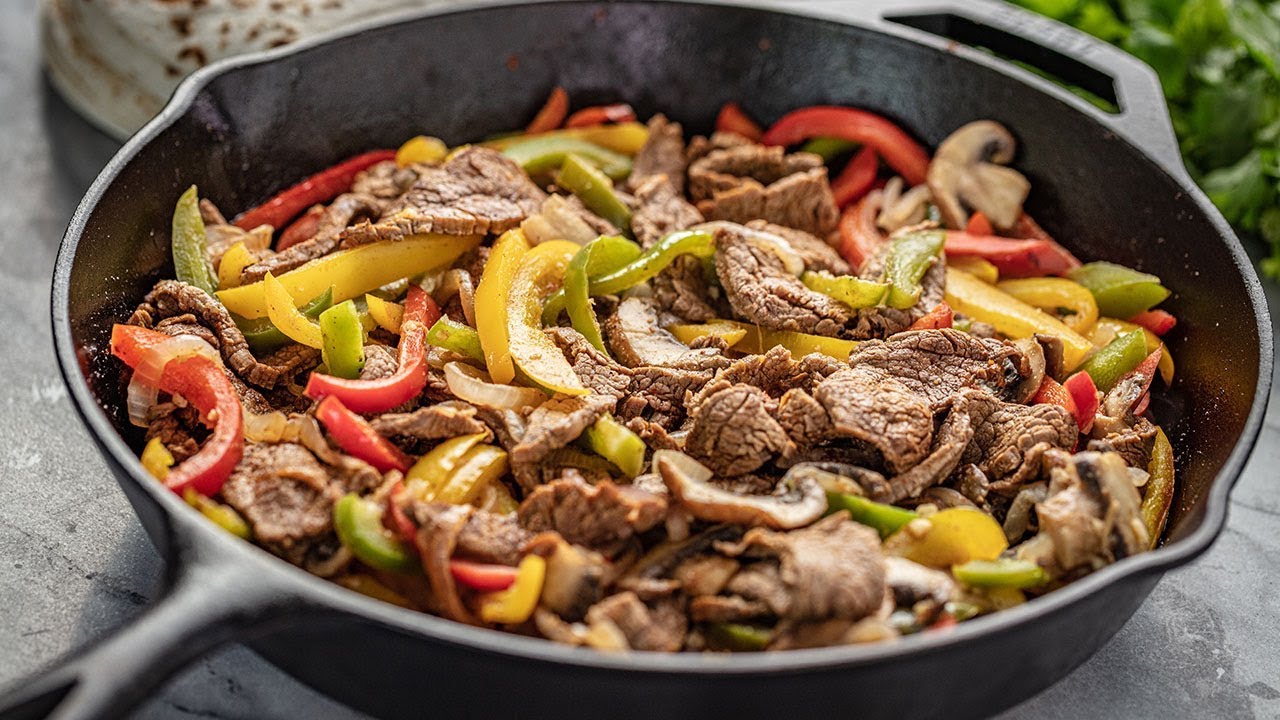
A great steak fajitas recipe balances bold seasoning, tender beef, colorful vegetables, and the right cooking method. When we prepare fajitas properly, we get juicy strips of steak, lightly charred peppers and onions, and a deep, savory flavor that tastes restaurant-quality at home. The secret is not complexity. The secret is choosing the right cut of beef, seasoning it well, cooking it quickly over high heat, and slicing it correctly for maximum tenderness.
This guide walks through every essential step for making homemade steak fajitas that are rich, smoky, and satisfying. Whether we are cooking for a weeknight dinner or serving guests, this recipe creates flavorful fajitas with a vibrant mix of textures and a dependable result every time.
Ingredients You’ll Need for Steak Fajitas
To make the best steak fajitas, we need fresh ingredients, a bold spice blend, and a steak that can handle high-heat cooking.
For the Steak Marinade
- 1 ½ pounds flank steak or skirt steak
- 3 tablespoons olive oil
- 2 tablespoons lime juice
- 1 tablespoon orange juice
- 3 garlic cloves, minced
- 1 teaspoon chili powder
- 1 teaspoon smoked paprika
- 1 teaspoon ground cumin
- 1 teaspoon onion powder
- 1 teaspoon salt
- ½ teaspoon black pepper
- ½ teaspoon dried oregano
- ¼ teaspoon red pepper flakes
For the Fajita Vegetables
- 1 large red bell pepper, sliced
- 1 large green bell pepper, sliced
- 1 large yellow bell pepper, sliced
- 1 large onion, sliced
- 1 tablespoon olive oil
- ½ teaspoon salt
- ¼ teaspoon black pepper
For Serving
- Warm flour tortillas or corn tortillas
- Fresh cilantro, chopped
- Lime wedges
- Sour cream
- Guacamole
- Salsa or pico de gallo
- Shredded cheese, optional
- Sliced jalapeños, optional
Best Cut of Meat for Steak Fajitas
The success of any steak fajitas recipe starts with the beef. The best choices are flank steak and skirt steak because both cuts absorb marinade well and cook quickly over high heat. Skirt steak brings a stronger beef flavor and a slightly looser texture. Flank steak is leaner and slices beautifully when cooked and cut against the grain.
If those cuts are unavailable, sirloin can work, but flank or skirt remains the better choice for authentic, flavorful fajitas. The key is to avoid overcooking. Medium-rare to medium keeps the steak tender and juicy.
How to Make Steak Fajitas – Step by Step
Step 1: Prepare the Marinade
In a large bowl or shallow dish, combine the olive oil, lime juice, orange juice, minced garlic, chili powder, smoked paprika, cumin, onion powder, salt, black pepper, oregano, and red pepper flakes. Whisk until the mixture is fully blended.
This marinade gives the steak a strong flavor base with acidity, spice, and a touch of citrus brightness. It also helps the outer surface caramelize nicely during cooking.
Step 2: Marinate the Steak
Place the steak into the marinade and turn it several times so every part is coated. Cover and refrigerate for at least 30 minutes. For deeper flavor, marinate for 2 to 4 hours. Avoid leaving it too long if the citrus level is high, because extended marinating can affect texture.
When we marinate steak properly, the flavor penetrates the surface and builds the bold taste expected from excellent beef fajitas.
Step 3: Slice the Vegetables
While the steak marinates, slice the bell peppers and onion into even strips. Uniform slices help the vegetables cook at the same rate and create the classic fajita texture. We want them soft with slightly charred edges, not mushy.
Keep the vegetable slices thick enough to hold their structure during the high-heat cooking process.
Step 4: Bring the Steak Closer to Room Temperature
Before cooking, remove the steak from the refrigerator and let it sit for about 20 minutes. This helps it cook more evenly. A very cold steak placed directly into a hot pan can seize and cook unevenly.
At this point, we can also warm the tortillas, prep toppings, and set out serving plates so everything is ready once the steak is done.
Step 5: Cook the Vegetables
Heat a large cast-iron skillet, grill pan, or heavy frying pan over medium-high heat. Add 1 tablespoon olive oil, then add the sliced peppers and onions. Season with salt and black pepper.
Cook for 6 to 8 minutes, stirring occasionally, until the vegetables are tender-crisp and lightly charred around the edges. Once done, transfer them to a plate and keep warm.
Properly cooked vegetables bring sweetness, color, and balance to the savory beef. They should remain vibrant and slightly firm.
Step 6: Sear the Steak Over High Heat
Increase the heat to high. If needed, add a light drizzle of oil to the pan. Remove the steak from the marinade and let excess marinade drip off. Place the steak in the hot pan and sear without moving it for 3 to 5 minutes on the first side. Turn and cook the second side for another 3 to 5 minutes, depending on thickness and preferred doneness.
For most fajitas, medium-rare to medium is ideal. The exterior should develop a rich brown crust while the interior stays juicy.
If using a grill, cook the steak directly over high heat for similar timing. A slight char adds even more flavor and gives the fajitas a classic smoky finish.
Step 7: Rest the Steak Before Slicing
Transfer the cooked steak to a cutting board and let it rest for 5 to 10 minutes. This step is essential. Resting allows the juices to redistribute so the meat stays moist when sliced.
Skipping this step leads to dry steak and lost flavor on the board instead of in the fajitas.
Step 8: Slice the Steak Against the Grain
Locate the direction of the muscle fibers and slice the steak thinly against the grain. This is one of the most important parts of the entire steak fajitas recipe. Cutting against the grain shortens the muscle fibers and makes each bite more tender.
Use a sharp knife and keep the slices thin for the best texture and presentation.
Step 9: Combine Steak and Vegetables
Return the sliced steak and cooked vegetables to the hot skillet for 1 to 2 minutes. Toss gently to combine and reheat everything together. This final step allows the flavors to come together and creates that signature sizzling fajita finish.
At this stage, the kitchen should smell smoky, savory, and vibrant with spice and citrus.
Step 10: Assemble and Serve
Fill warm tortillas with sliced steak and fajita vegetables. Top with chopped cilantro, a squeeze of lime juice, salsa, guacamole, sour cream, or any preferred toppings.
Serve immediately while hot. The best steak fajitas are fresh from the pan, juicy, and packed into warm tortillas with bright toppings that complement the seasoned beef.
Tips for the Best Steak Fajitas Recipe
Use High Heat
Fajitas need high heat for proper searing. A hot pan creates browning, char, and deep flavor quickly without steaming the meat.
Do Not Overcrowd the Pan
If the skillet is crowded, the steak and vegetables release moisture and start steaming instead of browning. Cook in batches if necessary.
Always Slice Against the Grain
Even a perfectly cooked steak can feel chewy if sliced the wrong way. Thin slices against the grain make a major difference.
Choose Fresh Lime Juice
Fresh lime juice adds brightness and cuts through the richness of the beef. It also lifts the flavor of the entire dish.
Warm the Tortillas
Warm tortillas are softer, more flexible, and better at holding the filling. They also improve the overall texture of the meal.
What to Serve with Steak Fajitas
A strong steak fajitas recipe can stand alone, but the right side dishes make the meal even better. We can serve steak fajitas with:
- Mexican rice
- Cilantro lime rice
- Refried beans
- Black beans
- Corn salad
- Chips and salsa
- Avocado salad
- Roasted street-style corn
These sides add variety, color, and extra flavor without taking attention away from the main dish.
How to Store and Reheat Steak Fajitas
Store leftover steak and vegetables in an airtight container in the refrigerator for up to 3 days. Keep tortillas and toppings separate for better texture.
To reheat, place the steak and vegetables in a skillet over medium heat for a few minutes until warmed through. Avoid overheating, because it can make the steak tough. A quick skillet reheat works better than long microwave heating if we want to preserve texture.
Why This Steak Fajitas Recipe Works
This steak fajitas recipe works because every element serves a purpose. The marinade builds flavor without overwhelming the beef. The vegetables add sweetness and color. The high heat creates char and depth. The resting and slicing steps protect tenderness. The final result is balanced, bold, and dependable.
When we want a meal that feels exciting, satisfying, and full of flavor, steak fajitas deliver every time. They are easy enough for a weeknight but impressive enough for guests. With the right steak, proper seasoning, and a hot skillet, we get fajitas that are juicy, smoky, and packed with restaurant-style flavor from the first bite to the last.
FAQs about Steak Fajitas Recipe
1. What are steak fajitas?
Steak fajitas are a flavorful dish made with sliced beef, sautéed peppers, and onions, usually served with warm tortillas. They are popular for their smoky, savory taste and easy serving style.
2. What cut of steak works best for fajitas?
Flank steak and skirt steak are the most common choices because they cook quickly and have great flavor. Sirloin can also work well if sliced thinly.
3. Why should we slice the steak against the grain?
Slicing against the grain helps break up the muscle fibers, making the steak easier to chew. This gives the fajitas a more tender texture.
4. Do we need to marinate the steak?
Marinating is not required, but it adds more flavor and can help tenderize the meat. Lime juice, oil, garlic, and spices are often used in the marinade.
5. What vegetables are usually used in steak fajitas?
Bell peppers and onions are the classic vegetables. Some recipes also add mushrooms, jalapeños, or tomatoes for extra flavor.
6. What should we serve with steak fajitas?
They are commonly served with flour or corn tortillas, rice, beans, guacamole, salsa, sour cream, and shredded cheese.
7. How do we keep the steak juicy?
Cook it quickly over high heat and avoid overcooking. Letting the steak rest for a few minutes before slicing also helps keep the juices inside.
8. How should leftovers be stored?
Store leftovers in an airtight container in the refrigerator for up to 3 days. Reheat gently in a pan or microwave before serving.
Conclusion
For the best presentation, serve the steak and vegetables on a warm platter with tortillas on the side and toppings arranged in small bowls. This makes the meal feel generous, colorful, and inviting. A final squeeze of lime over the hot steak brings everything together and sharpens the flavor beautifully.
This is the kind of homemade steak fajitas recipe that earns a permanent place in the dinner rotation: quick enough to make regularly, bold enough to crave often, and flavorful enough to serve with confidence.