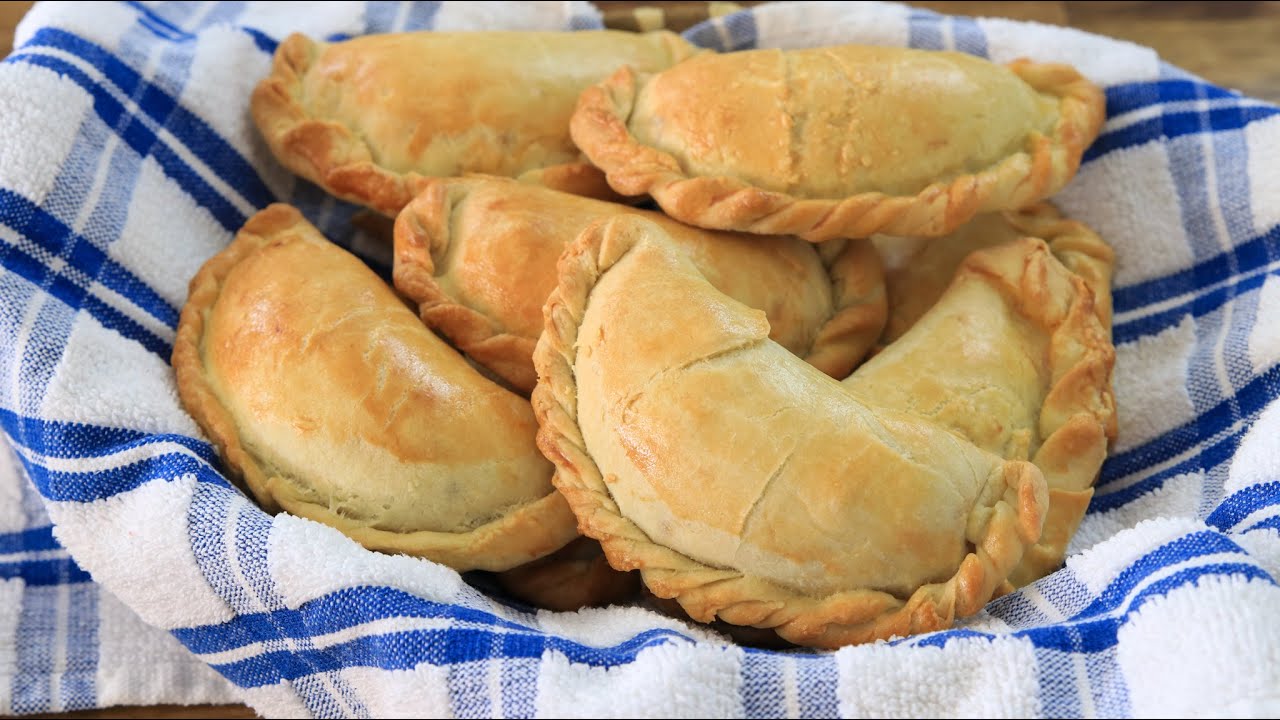
Empanadas begin with one essential element: excellent dough. A well-made empanadas dough recipe should be soft, easy to work with, sturdy enough to hold filling, and tender after baking or frying. When we prepare the dough correctly, every empanada becomes more flavorful, more structured, and far more satisfying. The texture should be smooth and pliable, never dry, crumbly, or overly sticky. It should roll out evenly, seal without cracking, and cook into a beautifully golden crust.
This guide delivers a reliable, professional method for making homemade empanada dough from scratch with simple pantry ingredients. Whether we plan to fill the dough with beef, chicken, cheese, vegetables, or sweet fillings, this recipe creates a balanced pastry shell that works beautifully across different styles. Once we master the dough, we can produce empanadas that look polished and taste exceptional every time.
Ingredients You’ll Need for Empanadas Dough
To make a classic empanadas dough recipe, we need a few basic ingredients that work together to create structure, tenderness, and flavor.
- 3 cups all-purpose flour
- 1 teaspoon salt
- 1 teaspoon baking powder
- 1/2 cup unsalted butter, cold and cut into small cubes
- 1 large egg
- 3/4 cup cold water
- 1 tablespoon white vinegar or fresh lemon juice
These ingredients form a dough that is strong enough to hold fillings yet soft enough to bite through with ease. The flour provides the body, the butter adds richness, the egg improves texture and color, and the vinegar helps keep the dough tender.
Why This Empanadas Dough Recipe Works So Well
A great empanadas dough recipe depends on balance. Too much flour creates a dry crust. Too much liquid makes the dough difficult to handle. Too much fat causes the rounds to tear, while too little can leave the pastry tough. This version is effective because it combines enough butter for tenderness, enough moisture for flexibility, and enough structure for shaping and sealing.
The inclusion of cold butter is especially important. When worked lightly into the flour, it creates a dough that bakes into layers with a gentle flake rather than a dense or hard shell. The egg adds richness and helps the dough brown nicely. The vinegar slightly relaxes gluten development, which contributes to a more tender result. Together, these details create dough that is practical, versatile, and dependable.
How to Prepare the Dough Mixture Properly
Start by placing the flour, salt, and baking powder in a large mixing bowl. Whisk the dry ingredients together thoroughly so the salt and baking powder are evenly distributed. This simple step helps ensure consistent texture in the finished dough.
Next, add the cold butter cubes. Using your fingertips, a pastry cutter, or a fork, work the butter into the flour mixture until it resembles coarse crumbs. We want small bits of butter throughout the flour, not a completely smooth paste. Those tiny pieces of butter are what help create a better crust.
In a separate bowl, whisk together the egg, cold water, and vinegar. Pour this liquid mixture gradually into the flour and butter mixture. Stir with a fork or wooden spoon until the dough begins to come together. Once the mixture forms a shaggy mass, transfer it onto a lightly floured surface.
Knead gently for about 3 to 5 minutes, just until the dough becomes smooth. The goal is not heavy kneading. We only want to bring the dough together into a cohesive, soft ball. Overworking the dough can make it tighter and less tender.
Step-by-Step Guide to Making Empanadas Dough
Step 1: Combine the Dry Ingredients
Add the flour, salt, and baking powder to a bowl and mix well. This builds the foundation of the dough and ensures even seasoning. A properly mixed dry base improves consistency and makes the dough easier to handle later.
Step 2: Cut in the Cold Butter
Add cold butter and rub it into the flour until the texture looks sandy with small coarse bits. This step is essential for achieving a dough that is rich but not greasy. Cold butter also helps the dough maintain a better pastry structure during cooking.
Step 3: Mix the Wet Ingredients
In another bowl, whisk the egg, water, and vinegar together until smooth. This creates the moisture base for the dough and helps distribute the egg evenly throughout the mixture.
Step 4: Form the Dough
Pour the wet mixture into the flour mixture and stir until clumps begin to form. Bring the dough together by hand. If it feels too dry, add 1 tablespoon of cold water at a time until it holds together. If it feels too sticky, dust lightly with flour.
Step 5: Knead Lightly
Transfer the dough to a floured surface and knead just until smooth. The dough should feel soft, flexible, and slightly firm. It should not stick heavily to the table or your hands.
Step 6: Rest the Dough
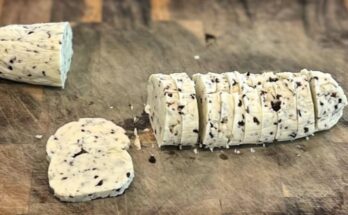
Wrap the dough tightly in plastic wrap or place it in an airtight container. Refrigerate for at least 30 minutes. Resting allows the flour to hydrate fully and helps the dough relax, making it much easier to roll out.
How to Roll Out Empanadas Dough Correctly
After chilling, divide the dough into two portions for easier handling. Lightly flour the work surface and rolling pin. Roll the dough to about 1/8 inch thickness. This is a good thickness for most empanadas because it gives enough support without making the crust too heavy.
Use a round cutter, bowl, or plate to cut circles, usually between 4 and 6 inches wide depending on the size of empanadas we want. Remove the scraps, gather them gently, and roll them again.
The circles should be smooth around the edges. If the dough springs back too much, let it rest for another 5 to 10 minutes before rolling again. A relaxed dough is far easier to work with and gives cleaner results.
Best Ways to Fill and Seal the Dough
Once the rounds are cut, place a small amount of filling in the center of each circle. Avoid overfilling. Too much filling makes the empanadas difficult to close and can cause leaks during baking or frying.
Fold the dough over the filling to form a half-moon shape. Press the edges together firmly. We can seal the edges with our fingers or use the tines of a fork for a neat finish. For a more traditional look, twist and fold the edge into a decorative rope pattern.
A good seal is crucial. It keeps the filling inside and helps the empanadas maintain their shape during cooking. If needed, lightly brush the edges with water or beaten egg before sealing.
Baking vs Frying Empanadas Dough
One of the strengths of this empanadas dough recipe is that it works for both baked empanadas and fried empanadas.
For baking, place the filled empanadas on a lined baking tray. Brush the tops with egg wash for a glossy, golden finish. Bake at 375°F to 400°F until golden brown, usually 20 to 25 minutes depending on size.
For frying, heat oil in a deep pan until hot but not smoking. Fry the empanadas in batches until crisp and deeply golden, usually 2 to 4 minutes per side depending on thickness. Drain on paper towels before serving.
Baked empanadas offer a lighter finish, while fried empanadas deliver a richer, crispier shell. This dough performs well in both methods because it holds shape and develops a lovely texture under heat.
Common Mistakes to Avoid When Making Empanadas Dough
A few small mistakes can affect the final result of our homemade empanada dough. Avoiding them makes the process smoother and the results more professional.
One common mistake is using warm butter. Warm butter blends too fully into the flour and prevents the dough from developing a tender pastry texture. Always keep the butter cold.
Another issue is adding too much flour during kneading or rolling. Excess flour can dry out the dough and make the crust heavy. Use only enough to prevent sticking.
Skipping the resting time is another major problem. Rested dough rolls out better, seals more cleanly, and cooks more evenly. Chilled dough also holds its shape more effectively when filled.
Overfilling is equally risky. A modest amount of filling gives the best shape, better sealing, and cleaner cooking results.
How to Store Empanadas Dough
This empanadas dough recipe stores very well, which makes it ideal for meal prep or advance cooking.
We can keep the dough wrapped in the refrigerator for up to 2 days before using it. If we need to store it longer, it can be frozen for up to 3 months. Wrap it tightly in plastic wrap and place it in a freezer-safe bag or airtight container.
To use frozen dough, thaw it overnight in the refrigerator. Once thawed, let it sit at room temperature for a few minutes until it becomes easier to roll. Do not microwave the dough to speed up thawing, as that can soften the butter unevenly and affect texture.
Helpful Tips for Better Empanadas Dough Every Time
For the most consistent results, measure ingredients carefully. Too much flour can make the dough firm, while too much liquid can make it sticky. Using cold ingredients is one of the best ways to improve texture and control.
If we want a richer flavor, we can replace part of the water with milk. If we want a slightly more delicate dough for baked empanadas, we can add a little extra butter. For a savory finish, a small pinch of paprika or garlic powder can be added to the dry mixture, though the classic version remains the most versatile.
Rolling the dough evenly is also important. Uneven thickness can cause some parts to cook too fast while others remain underdone. Smooth, uniform rounds create better-looking empanadas and a more consistent bite.
Serving Ideas for Empanadas Made with Homemade Dough
Once our empanadas are ready, they can be served in many delicious ways. Savory empanadas pair beautifully with chimichurri, spicy tomato sauce, garlic sauce, or a simple herbed yogurt dip. They also work well as appetizers, snacks, lunch items, or part of a larger meal.
Because this dough is neutral and balanced, it supports both bold and mild fillings. It works with seasoned beef, shredded chicken, sautéed vegetables, beans, cheese, tuna, or even sweet fillings like guava and cream cheese. That flexibility is one reason why a good empanadas dough recipe is worth mastering.
FAQs about Empanadas Dough Recipe
1. What is empanadas dough?
Empanadas dough is the pastry used to wrap savory or sweet fillings before baking or frying. It should be soft, easy to shape, and strong enough to hold the filling.
2. What ingredients are commonly used in empanadas dough?
Most recipes use flour, salt, butter or lard, water, and sometimes egg. Some versions also include milk or a little vinegar for texture.
3. Should empanadas dough be soft or firm?
It should be soft and smooth, but not sticky. The dough needs to be firm enough to roll out easily and hold its shape when filled.
4. Why is my empanadas dough too dry?
This usually happens when there is not enough liquid or too much flour. Adding a little more water, one spoon at a time, can help bring it together.
5. Why is my dough shrinking when I roll it?
The dough may need more resting time. Letting it rest helps relax the gluten, making it easier to roll out.
6. Can we make empanadas dough ahead of time?
Yes, the dough can be made ahead and stored in the refrigerator for a day or two. It can also be frozen for longer storage.
7. Is empanadas dough better for baking or frying?
It can work for both, but some recipes are designed specifically for one method. Baked dough is usually a little sturdier, while fried dough may be slightly more tender.
8. How should leftover dough be stored?
Wrap it tightly in plastic wrap or place it in an airtight container and store it in the refrigerator. Use it within 2 days for the best texture.
Conclusion
A dependable empanadas dough recipe makes all the difference between average empanadas and truly memorable ones. With the right texture, the right balance of ingredients, and the right handling technique, we can create dough that rolls easily, seals neatly, and cooks into a beautiful crust. This recipe gives us a practical and professional foundation for preparing empanadas at home with confidence.
Once we learn how to mix, rest, roll, and shape the dough properly, every batch becomes easier. The result is a pastry that is tender, flavorful, and perfectly suited for baking or frying. Whether we are preparing empanadas for family meals, gatherings, or make-ahead snacks, this dough delivers the quality and consistency that excellent homemade empanadas require.