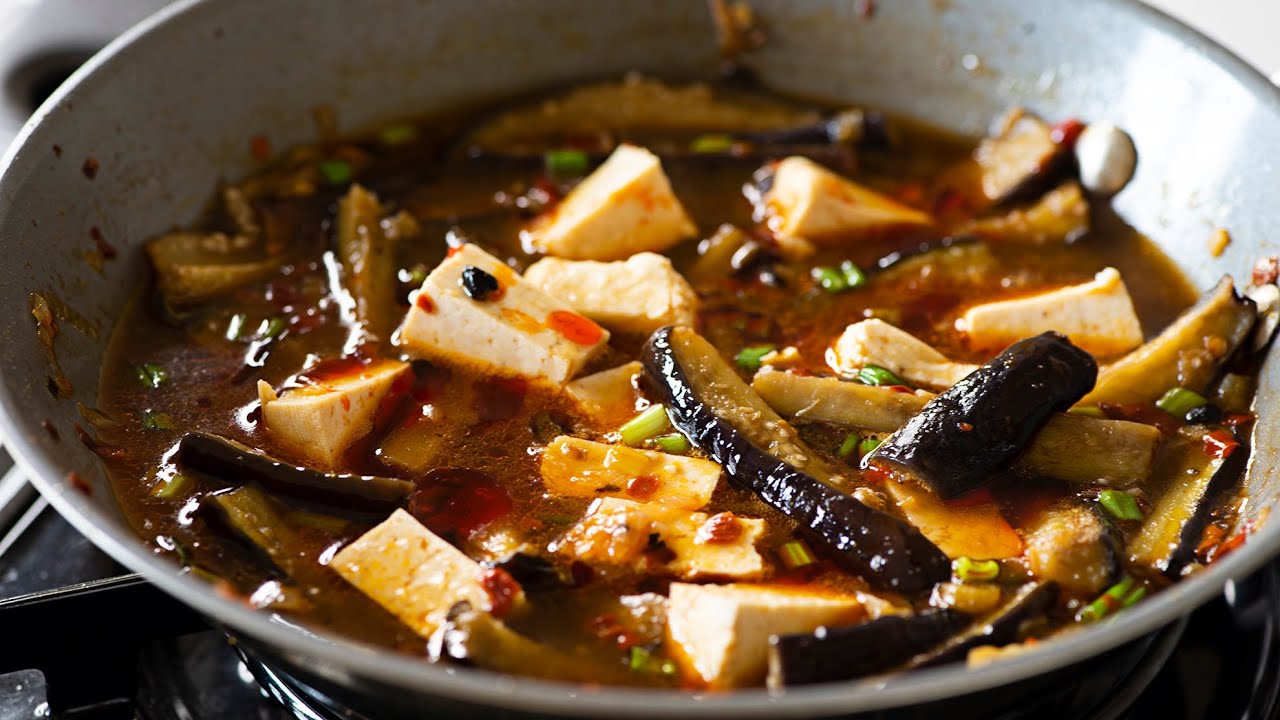
Eggplant Tofu Recipe: We love recipes that deliver big flavor, simple preparation, and satisfying texture in every bite, and this eggplant tofu recipe does exactly that. It combines tender, silky eggplant with golden, crisp-edged tofu in a deeply savory sauce that coats every piece beautifully. The result is a balanced dish that feels hearty enough for dinner, yet fresh and versatile enough for lunch meal prep.
What makes this recipe especially effective is the way the ingredients complement one another. Eggplant becomes soft and rich as it cooks, almost melting into the sauce, while tofu provides structure and protein. When paired with garlic, ginger, soy sauce, and a touch of sweetness, the combination turns into a comforting meal with restaurant-style appeal.
This dish is also highly practical. We can serve it over steamed rice, noodles, quinoa, or even enjoy it on its own. It is ideal for busy evenings because the ingredient list is straightforward, the cooking process is manageable, and the flavor payoff is excellent. Whether we are preparing a family dinner or creating content for a food-focused audience, this recipe stands out because it is affordable, delicious, and visually appealing.
Ingredients You’ll Need for the Best Eggplant Tofu Recipe
To make a rich and flavorful eggplant tofu recipe, we need fresh, well-balanced ingredients. Each component contributes directly to the final texture and taste.
For the Main Dish
- 2 medium eggplants, cut into cubes or thick bite-sized pieces
- 1 block firm or extra-firm tofu, pressed and cubed
- 2 tablespoons cornstarch
- 3 tablespoons vegetable oil, divided
- 3 cloves garlic, minced
- 1 tablespoon fresh ginger, grated
- 2 green onions, sliced
- 1 small onion, thinly sliced
- 1 bell pepper, sliced, optional
For the Sauce
- 3 tablespoons soy sauce
- 1 tablespoon dark soy sauce, optional for deeper color
- 1 tablespoon rice vinegar
- 1 tablespoon sesame oil
- 1 to 2 tablespoons maple syrup, brown sugar, or honey
- 1 tablespoon chili sauce or sriracha, optional
- 1 tablespoon cornstarch
- 1/2 cup water or vegetable broth
For Garnish
- Sesame seeds
- Extra green onions
- Fresh chili slices, optional
This ingredient combination creates a deeply savory, slightly sweet, and beautifully glossy sauce that clings to both the tofu and eggplant.
How to Choose Eggplant and Tofu for Better Results
Great cooking begins with choosing the right ingredients. For eggplant, we want pieces that feel firm, look glossy, and have smooth skin. Avoid eggplants that are wrinkled, overly soft, or bruised. Fresh eggplant will cook more evenly and develop a creamier interior without turning mushy too quickly.
For tofu, firm or extra-firm tofu is the best option. Soft tofu does not hold its shape well during pan-frying and can break apart in the sauce. Pressing tofu before cooking is essential because it removes excess moisture. Drier tofu browns more effectively, develops a better crust, and absorbs the sauce more efficiently.
These two small ingredient choices can elevate the entire recipe from average to exceptional.
Preparing the Tofu for Crisp Texture
To achieve tofu with a golden exterior and satisfying bite, we need to prepare it properly before it goes into the pan.
First, remove the tofu from its packaging and drain the liquid. Wrap it in a clean kitchen towel or paper towels, then place something slightly heavy on top for about 15 to 20 minutes. This helps press out extra moisture.
Once pressed, cut the tofu into cubes. Transfer the cubes to a bowl and toss them gently with cornstarch and a small pinch of salt. The cornstarch helps create a crisp coating that turns beautifully golden during frying.
This step matters because tofu that goes straight from the package into the pan often steams instead of browns. When properly pressed and coated, tofu becomes the perfect partner for silky eggplant and glossy sauce.
Preparing the Eggplant for Maximum Flavor
Eggplant absorbs oil quickly, so preparation matters. We start by cutting the eggplant into evenly sized pieces. This helps all the pieces cook at roughly the same speed and prevents some from becoming too soft while others remain undercooked.
If desired, we can lightly salt the eggplant and let it sit for 15 minutes. Then we pat it dry. This optional step can help reduce bitterness and improve texture, especially with larger or older eggplants. However, with fresh eggplant, we can often skip this and move directly to cooking.
The goal is to cook the eggplant until it is soft inside, lightly browned outside, and able to carry the sauce without falling apart.
Step-by-Step Guide to Cooking Eggplant Tofu
Step 1: Mix the Sauce
In a bowl, whisk together the soy sauce, dark soy sauce, rice vinegar, sesame oil, sweetener, chili sauce, cornstarch, and water or vegetable broth. Stir until fully smooth.
This sauce is the heart of the recipe. It should taste balanced, savory, slightly sweet, and aromatic. Set it aside so it is ready when we need it.
Step 2: Pan-Fry the Tofu
Heat 1 to 2 tablespoons of oil in a large skillet or wok over medium-high heat. Add the tofu cubes in a single layer. Cook until the sides are golden and crisp, turning carefully to brown as evenly as possible.
Once the tofu is beautifully colored, transfer it to a plate. Do not overcrowd the pan, because that will reduce browning and create steam.
Step 3: Cook the Eggplant
Add another tablespoon of oil to the skillet if needed. Add the eggplant pieces and cook over medium heat, stirring occasionally. Let the eggplant sit briefly between stirs so it can develop light caramelization.
As the eggplant cooks, it will soften and shrink slightly. If the pan becomes too dry, add a small splash of water instead of too much extra oil. This helps the eggplant cook through while keeping the dish balanced.
Step 4: Add Aromatics
Once the eggplant is tender, add the sliced onion, garlic, ginger, and bell pepper if using. Stir-fry for 2 to 3 minutes until fragrant and lightly softened.
This stage builds the flavor base. Garlic and ginger give the dish warmth and depth, while onion adds sweetness and texture.
Step 5: Return the Tofu to the Pan
Add the crisp tofu back into the skillet with the cooked vegetables. Gently toss to combine. At this point, the dish already looks inviting, but the sauce is what pulls everything together.
Step 6: Pour in the Sauce
Give the sauce another quick whisk, then pour it into the pan. Stir gently as it heats. Within a few minutes, the sauce will thicken into a glossy coating that clings to the tofu and eggplant.
Once the sauce reaches the desired consistency, turn off the heat. Scatter sliced green onions and sesame seeds over the top.
Step 7: Serve Immediately
Serve the eggplant tofu hot over steamed jasmine rice, brown rice, noodles, or another grain of choice. The dish is best enjoyed fresh, when the tofu still has some crispness and the sauce is glossy and vibrant.
Tips for Making This Eggplant Tofu Recipe Even Better
A few smart techniques can improve the final result significantly.
Use High Heat Carefully
Moderately high heat helps the tofu brown and the vegetables cook without becoming watery. However, we should still watch the pan closely to prevent burning.
Do Not Skip Pressing the Tofu
Pressed tofu browns better, tastes better, and holds together better in the sauce.
Cut Ingredients Evenly
Uniform pieces promote even cooking and improve presentation.
Add Sauce at the End
If we add the sauce too early, the tofu can lose its texture and the eggplant may become too soft. Adding it near the end keeps everything balanced.
Taste Before Serving
A quick taste test lets us adjust saltiness, sweetness, heat, or acidity. If we want more brightness, add a few drops of rice vinegar. If we want more depth, add a small splash of soy sauce.
Serving Ideas for Eggplant Tofu
This eggplant tofu recipe is versatile enough to fit different serving styles.
- Serve it with steamed white rice for a classic and comforting meal
- Pair it with garlic noodles for a richer dinner
- Spoon it over quinoa for a protein-packed variation
- Add it to a meal prep bowl with cucumber, carrots, and greens
- Serve alongside stir-fried broccoli or bok choy for extra vegetables
Because the sauce is rich and flavorful, simple side dishes work best. Neutral grains and fresh greens help balance the dish.
Common Mistakes to Avoid When Making Eggplant Tofu
Even a simple recipe can fall short if a few details are overlooked.
One common mistake is using tofu that has not been pressed. This often leads to pale, soft tofu with weak texture. Another is cooking eggplant over low heat for too long, which can make it greasy or overly soft. Overcrowding the pan is another issue, especially when frying tofu. When too much is added at once, the ingredients steam rather than brown.
Adding too much sauce can also overwhelm the dish. The goal is to coat the tofu and eggplant, not drown them. A glossy finish is ideal.
By avoiding these problems, we get a cleaner, richer, more professional final result.
How to Store and Reheat Leftover Eggplant Tofu
Leftovers can be stored in an airtight container in the refrigerator for up to 3 days. The flavor often deepens overnight, making the dish excellent for lunch the next day.
To reheat, warm it in a skillet over medium heat with a small splash of water. This helps loosen the sauce and refresh the texture. Microwave reheating also works, though the tofu may soften more.
For best texture, we recommend storing the dish only after it has cooled fully and reheating gently rather than aggressively.
Easy Variations of This Eggplant Tofu Recipe
One of the strengths of this recipe is how easy it is to adapt.
Spicy Eggplant Tofu
Increase the chili sauce, add red pepper flakes, or include fresh sliced chilies for a hotter version.
Garlic Sesame Eggplant Tofu
Add more garlic and finish with extra sesame oil and toasted sesame seeds.
Mushroom Eggplant Tofu
Add sliced mushrooms to create even more umami and depth.
Sweet and Savory Eggplant Tofu
Use a slightly larger amount of maple syrup or brown sugar for a softer, rounder sauce profile.
Low-Oil Eggplant Tofu
Bake or air-fry the tofu and use a nonstick pan for the eggplant to reduce overall oil usage.
These variations make it easy to keep the recipe fresh while maintaining the same strong base.
FAQs about Eggplant Tofu Recipe
1. What is eggplant tofu?
Eggplant tofu is a flavorful dish made with eggplant and tofu cooked together in a savory sauce. It is popular in many Asian-inspired meals because it is simple, hearty, and satisfying.
2. What type of tofu works best?
Firm or extra-firm tofu works best because it holds its shape during cooking. Softer tofu may break apart too easily in the pan.
3. Should the eggplant be salted first?
Salting is optional, but it can help draw out extra moisture and reduce bitterness. It may also improve the texture before cooking.
4. How do we keep tofu from falling apart?
Pressing the tofu before cooking helps remove extra water and makes it firmer. Handling it gently and using firm tofu also helps it stay intact.
5. What kind of sauce is usually used?
Common sauces include soy sauce, garlic sauce, hoisin sauce, chili sauce, or a savory mix of soy, ginger, and sesame oil. The sauce gives the dish its rich flavor.
6. Can we make eggplant tofu spicy?
Yes, we can. Chili flakes, fresh chilies, chili paste, or spicy sauce can easily be added for more heat.
7. What can we serve with eggplant tofu?
It pairs well with steamed rice, noodles, stir-fried vegetables, or a simple side salad. It is a filling meal on its own too.
8. How should leftovers be stored?
Store leftovers in an airtight container in the refrigerator for up to 3 days. Reheat gently in a pan or microwave before serving.
Conclusion
The eggplant becomes tender and luxurious. The tofu adds protein and satisfying texture. The sauce ties everything together with bold savory flavor, a hint of sweetness, and just enough depth to keep every bite interesting. Whether we are cooking for ourselves, serving family, or building a content-worthy recipe collection, this dish delivers consistency and strong appeal.
For anyone seeking a plant-forward meal that feels comforting yet polished, this recipe is one of the smartest choices to keep on hand. It is easy enough for a weeknight, impressive enough for guests, and delicious enough to make again and again.