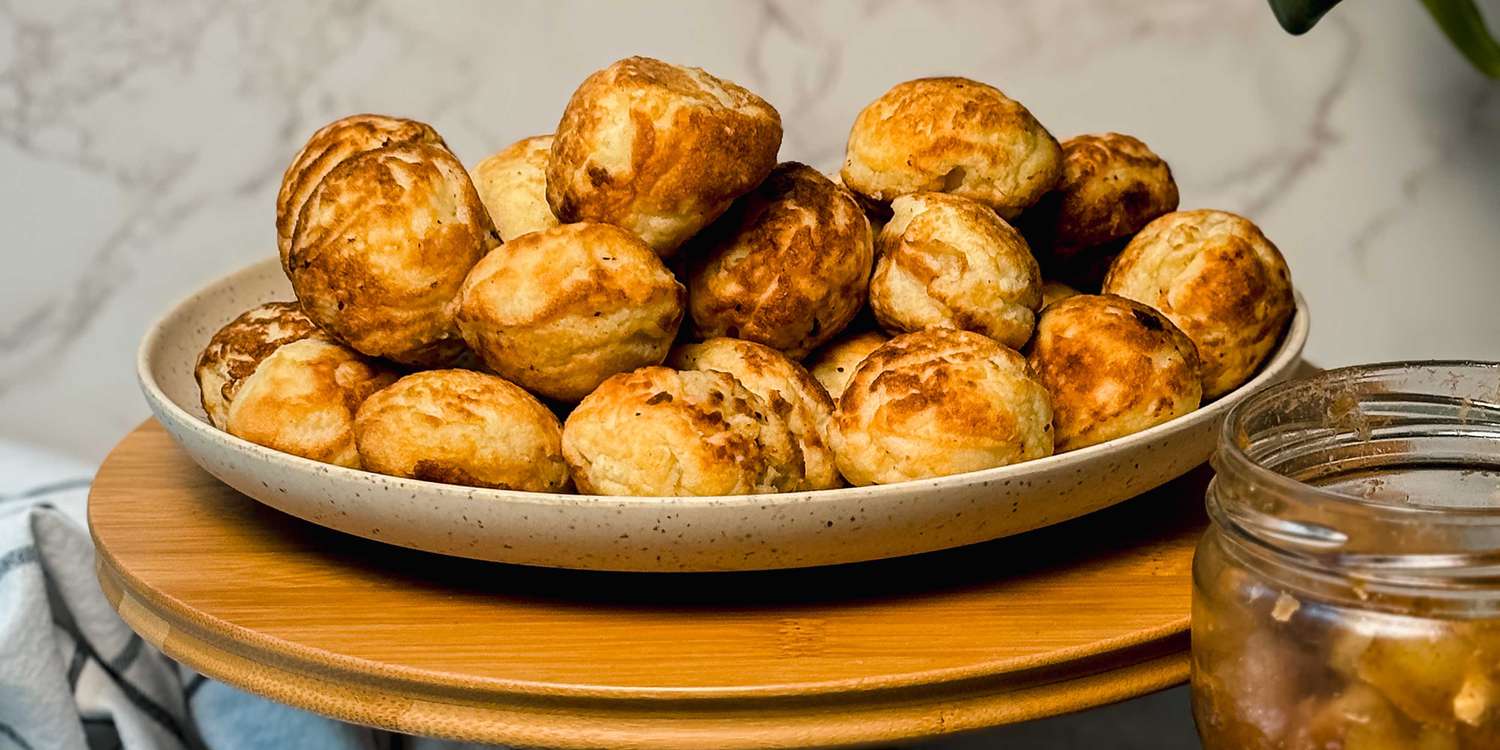
Aebleskiver Recipe: Aebleskiver is a traditional Danish pancake treat known for its round shape, soft interior, and lightly crisp outer layer. Unlike flat pancakes, aebleskiver is cooked in a special pan with half-sphere wells, which gives each piece its signature puffed form. The result is a delicate, golden-brown pastry that feels like a cross between a pancake, popover, and light doughnut hole.
We value a great aebleskiver recipe because it delivers comfort, elegance, and impressive presentation with surprisingly simple ingredients. Whether served for breakfast, brunch, dessert, or festive gatherings, these Danish pancake balls offer an unforgettable combination of buttery richness, fluffy texture, and sweet finishing touches such as powdered sugar, jam, or syrup.
A properly made aebleskiver should be light, airy, tender, and evenly browned. The batter must be smooth, the egg whites should be folded carefully, and the cooking method must be controlled with attention. Once these details are handled well, the result is a batch of beautifully rounded aebleskiver that looks professional and tastes exceptional.
Ingredients You’ll Need for the Best Aebleskiver Recipe
To create a balanced, flavorful, and fluffy batch, we use a classic ingredient list that supports both texture and taste.
Dry Ingredients
- 2 cups all-purpose flour
- 1 tablespoon granulated sugar
- 2 teaspoons baking powder
- 1/2 teaspoon baking soda
- 1/2 teaspoon salt
Wet Ingredients
- 2 large eggs, separated
- 2 cups buttermilk
- 4 tablespoons unsalted butter, melted
- 1 teaspoon pure vanilla extract
For Cooking
- Butter or neutral oil, for greasing the pan
Optional Toppings and Fillings
- Powdered sugar
- Strawberry jam
- Raspberry preserves
- Maple syrup
- Nutella
- Apple compote
- Fresh berries
These ingredients form the foundation of an authentic and easy aebleskiver recipe. The buttermilk adds a gentle tang while helping create tenderness, and the whipped egg whites give the batter its traditional lightness.
The Essential Pan for Making Aebleskiver
The key tool for this recipe is an aebleskiver pan, also called an ebelskiver pan. This pan has multiple round wells that shape the batter into neat spheres. Cast iron pans are excellent because they provide steady heat and even browning, though nonstick versions can also work well.
To turn the aebleskiver while cooking, we recommend using:
- A wooden skewer
- A knitting needle
- A thin fork
- A chopstick
The turning step is what gives each pancake ball its round form, so using a slender tool makes the process easier and more precise.
How to Prepare the Batter Properly
A great aebleskiver batter should be thick enough to hold shape in the pan, yet light enough to puff during cooking. Proper mixing makes all the difference.
Step 1: Combine the Dry Ingredients
In a large mixing bowl, whisk together the flour, sugar, baking powder, baking soda, and salt. This helps distribute the leavening agents evenly, which is essential for a consistent rise.
Step 2: Mix the Wet Ingredients
In another bowl, whisk the egg yolks, buttermilk, melted butter, and vanilla extract until smooth. The mixture should look creamy and well blended.
Step 3: Combine Wet and Dry Mixtures
Pour the wet ingredients into the dry ingredients and stir gently until just combined. The batter does not need to be perfectly smooth. A few small lumps are acceptable. Overmixing can make the aebleskiver heavy instead of airy.
Step 4: Beat the Egg Whites
In a clean bowl, beat the egg whites until they form soft peaks. This step introduces air into the batter, which creates the signature fluffy interior.
Step 5: Fold the Egg Whites into the Batter
Using a spatula, gently fold the beaten egg whites into the batter in stages. Avoid stirring aggressively. The goal is to keep as much air in the mixture as possible.
At this point, the batter should feel light, slightly thick, and airy.
Step-by-Step Guide to Cooking Aebleskiver
Step 1: Preheat the Aebleskiver Pan
Place the pan over medium heat and allow it to warm thoroughly. Grease each well lightly with butter or oil. The pan should be hot enough that the batter begins to set when added, but not so hot that it burns immediately.
Step 2: Fill Each Well
Pour batter into each cavity until about three-quarters full. This gives enough room for the batter to expand while still being manageable when turning.
For filled aebleskiver, add a small spoonful of jam, chocolate spread, or fruit compote into the center after the initial batter is added, then cover with a little more batter.
Step 3: Let the Bottom Set
Cook for about 1 to 2 minutes, or until the edges begin to firm up and the bottom develops a golden color. You may notice bubbles forming on the surface, which is a good sign.
Step 4: Turn the Aebleskiver
Using a skewer or similar tool, gently rotate each piece about a quarter turn, allowing uncooked batter to flow into the bottom of the well. Continue rotating until each one forms a full sphere.
This is the most important technique in the entire recipe. A careful turn creates the iconic round shape and ensures even cooking.
Step 5: Finish Cooking Until Golden Brown
Continue cooking and turning until each aebleskiver is evenly browned on all sides and cooked through in the center. The outside should be lightly crisp, and the inside should be tender and fluffy.
Step 6: Transfer and Keep Warm
Place cooked aebleskiver on a plate lined with paper towel or in a warm oven while the rest of the batter cooks. Serve them warm for the best taste and texture.
How to Know When Aebleskiver Are Done
Well-cooked aebleskiver should have:
- A rich golden-brown exterior
- A puffed round shape
- A soft and fully cooked center
- No wet batter remaining inside
If needed, test one by cutting it open. The inside should look airy and tender, not dense or raw. Because pan heat can vary, the first batch often helps set the pace for the rest.
Tips for Making the Best Aebleskiver Recipe
Use Buttermilk for Better Texture
Buttermilk gives the batter a more tender crumb and subtle tang. It also reacts well with baking soda, helping produce a light rise.
Do Not Overmix the Batter
A gentle mix keeps the structure delicate. Overworked batter can become chewy and flat.
Fold Egg Whites Carefully
This step is what separates ordinary batter from truly fluffy aebleskiver. A light fold preserves the air needed for lift.
Control the Heat
Medium heat is ideal. If the pan is too hot, the outside browns before the inside finishes cooking. If the heat is too low, the aebleskiver may become pale and greasy.
Grease the Wells Lightly
A light coating is enough to prevent sticking and encourage even browning without making the cakes oily.
Practice the Turning Motion
The first few may be imperfect, but the motion becomes easier quickly. Once the technique is understood, each piece will look more uniform and polished.
Delicious Filling and Topping Ideas
One reason this aebleskiver recipe stands out is its flexibility. These Danish pancake balls can be finished in many ways depending on the occasion.
Classic Sweet Options
- Powdered sugar and raspberry jam
- Maple syrup and butter
- Strawberry preserves
- Honey and cinnamon sugar
Rich Dessert Variations
- Nutella filling
- Lemon curd
- Vanilla cream
- Sweetened cream cheese
Fruit-Based Pairings
- Blueberry compote
- Apple cinnamon filling
- Cherry preserves
- Mixed berry sauce
The traditional presentation is often simple: a dusting of powdered sugar with a side of jam. That combination keeps the texture of the aebleskiver at the center while adding sweetness and color.
Serving Suggestions for Aebleskiver
Aebleskiver works beautifully for many settings. We serve them as:
- A cozy weekend breakfast
- A festive brunch centerpiece
- A holiday dessert platter
- A tea-time sweet bite
- A crowd-pleasing party snack
To create a more complete table, pair them with:
- Fresh fruit
- Whipped cream
- Coffee or hot chocolate
- Spiced tea
- Citrus compote
They are especially appealing when served warm, arranged on a platter, and finished with a light snowfall of powdered sugar.
Common Mistakes to Avoid
Using High Heat
This often leads to burnt exteriors and undercooked centers. Moderate, steady heat is far more reliable.
Skipping the Egg White Step
Without whipped egg whites, the texture becomes heavier and less authentic.
Overfilling the Pan
Too much batter makes turning difficult and can create messy edges. Filling each well about three-quarters full works best.
Turning Too Early
If the bottom has not set, the batter may break apart. Wait until the edges begin to firm before rotating.
Ignoring Pan Temperature Between Batches
As the pan continues heating, later batches may cook faster. Adjust the flame as needed.
How to Store and Reheat Aebleskiver
If there are leftovers, allow them to cool completely before storing.
To Store
Place them in an airtight container and refrigerate for up to 3 days.
To Freeze
Arrange them on a tray until frozen, then transfer to a freezer-safe bag or container. They can be frozen for up to 2 months.
To Reheat
Warm them in:
- An oven at 350°F for 5 to 8 minutes
- An air fryer for a few minutes
- A skillet over low heat
Avoid microwaving for too long, as it can soften the exterior too much.
Why This Aebleskiver Recipe Works So Well
This recipe succeeds because it balances traditional technique, simple ingredients, and dependable texture. The flour provides structure, the buttermilk keeps the crumb tender, the melted butter adds richness, and the whipped egg whites create the airy lift that defines classic aebleskiver.
The cooking method also matters. By filling the wells carefully, letting the batter set, and turning gradually, we produce a pancake ball that cooks evenly and develops a gentle crispness on the outside. Every element supports the goal of making light, golden, bakery-style aebleskiver at home.
FAQs about Aebleskiver Recipe
1. What is Aebleskiver?
Aebleskiver is a traditional Danish pancake ball with a soft, fluffy inside and a lightly golden outside. It is often served as a sweet breakfast, snack, or dessert.
2. What ingredients are commonly used in an Aebleskiver recipe?
Most recipes use flour, eggs, milk, sugar, butter, and baking powder. Some versions also add vanilla, lemon zest, or cardamom for extra flavor.
3. Do we need a special pan to make Aebleskiver?
Yes, an Aebleskiver pan is usually needed. It has round wells that help shape the batter into small, puffy balls as they cook.
4. Why are my Aebleskiver not fluffy?
They may turn out dense if the batter is overmixed or if the egg whites are not beaten properly in recipes that use them. Gentle mixing helps keep them light.
5. How do we turn Aebleskiver while cooking?
They are usually turned with a skewer, fork, or knitting needle. Turning them gradually helps them form a round shape and cook evenly.
6. Can Aebleskiver be filled?
Yes, they can. Some versions are filled with jam, chocolate, apple pieces, or other sweet fillings.
7. What are Aebleskiver usually served with?
They are often served with powdered sugar, jam, syrup, or fresh fruit. Some people also enjoy them with whipped cream.
8. How should leftovers be stored?
Store leftovers in an airtight container in the refrigerator for up to 2 days. Reheat gently before serving for the best texture.
Final Thoughts
A well-made aebleskiver recipe delivers more than visual appeal. It brings together soft texture, buttery flavor, and a refined homemade feel that stands out from ordinary breakfast recipes. Once the technique is learned, the process becomes straightforward and rewarding.
These Danish pancake balls are ideal when we want something that feels special without requiring complicated ingredients. With the right batter, careful folding, even pan heat, and patient turning, each batch comes out beautifully puffed, golden, and delicious.
For anyone seeking a traditional yet easy breakfast treat with impressive results, this step-by-step aebleskiver recipe is one of the most satisfying choices to make from scratch.