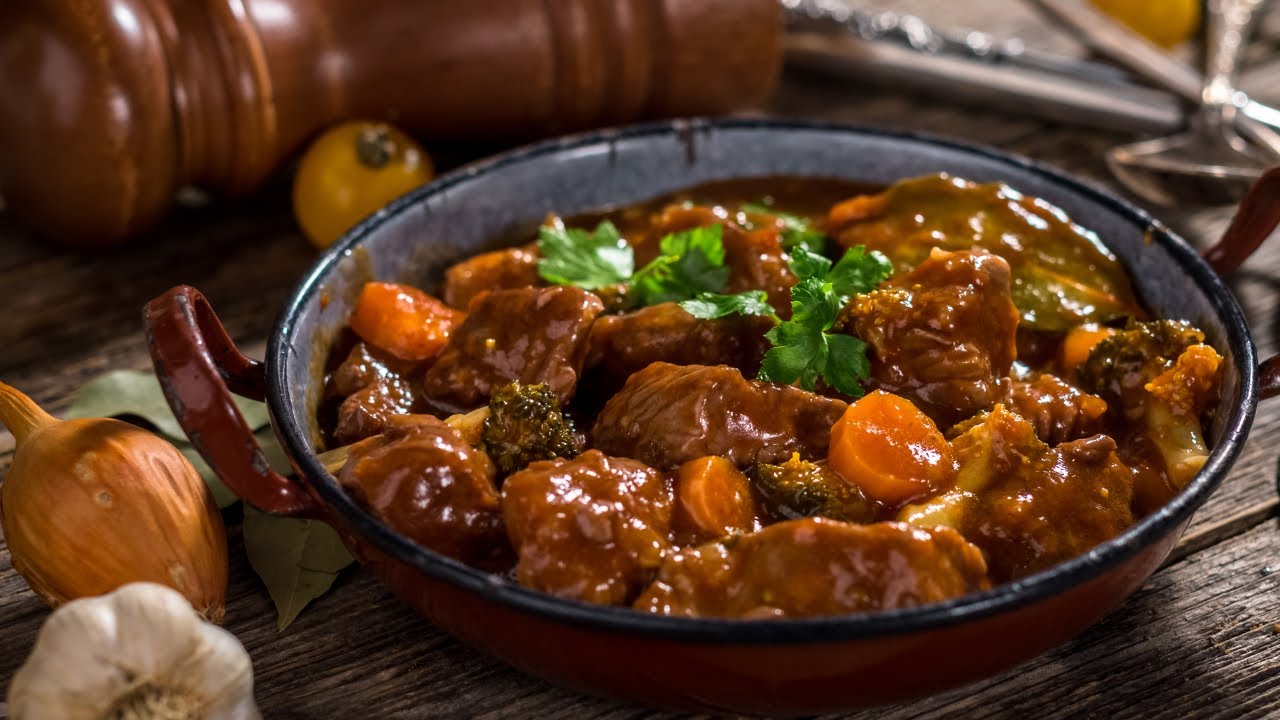
A well-made Dutch oven beef stew recipe delivers everything we want in a deeply comforting meal: fork-tender beef, hearty vegetables, and a thick, flavorful broth that tastes like it has been perfected over generations. When prepared properly, beef stew becomes more than a simple dinner. It becomes a one-pot classic built on slow cooking, proper browning, and balanced seasoning.
Using a Dutch oven makes a major difference. Its heavy construction holds heat evenly, allowing the beef to cook gently while the broth develops a full-bodied taste. The result is a stew with deep color, rich aroma, and satisfying texture in every spoonful.
This guide covers exactly how to prepare a classic Dutch oven beef stew from start to finish, including the ingredients, cooking method, helpful tips, and the small details that turn a basic stew into an exceptional one.
Why a Dutch Oven Is Perfect for Beef Stew
A Dutch oven is ideal for stew because it is designed for slow, even heat distribution. Unlike thinner pots that can create hot spots and burn the bottom, a Dutch oven allows the beef to simmer steadily without becoming tough or dry.
The heavy lid also traps moisture, which helps the meat braise gently. This process transforms tougher cuts of beef into tender, juicy bites while allowing the broth to absorb flavor from herbs, aromatics, vegetables, and browned meat.
For a traditional Dutch oven beef stew recipe, the pot is not just a cooking vessel. It is one of the reasons the dish turns out so rich and satisfying.
Ingredients You’ll Need
To make a deeply savory and well-balanced stew, we need simple ingredients that build strong flavor layer by layer.
For the Beef Stew
- 2½ pounds beef chuck roast, cut into 1½-inch cubes
- 2 teaspoons salt, or to taste
- 1 teaspoon black pepper
- 3 tablespoons all-purpose flour
- 2 to 3 tablespoons olive oil
- 1 large yellow onion, diced
- 3 cloves garlic, minced
- 3 tablespoons tomato paste
- 4 cups beef broth
- 1 cup dry red wine or extra beef broth
- 1 tablespoon Worcestershire sauce
- 2 teaspoons fresh thyme or 1 teaspoon dried thyme
- 1 teaspoon dried rosemary
- 2 bay leaves
- 4 large carrots, peeled and cut into chunks
- 4 medium Yukon Gold potatoes, cut into large pieces
- 3 celery stalks, sliced
- 8 ounces mushrooms, halved or sliced
- 1 cup frozen peas
- 1 tablespoon cornstarch mixed with 2 tablespoons water, optional for thickening
- 2 tablespoons chopped fresh parsley for garnish
Optional Flavor Boosters
- 1 teaspoon smoked paprika
- 1 teaspoon balsamic vinegar
- 1 teaspoon soy sauce
- 1 small parsnip, chopped for added sweetness
These ingredients create a stew that is robust, hearty, and layered with flavor without becoming overly heavy.
Choosing the Best Beef for Dutch Oven Beef Stew
The best cut for a Dutch oven beef stew recipe is beef chuck roast. This cut contains enough connective tissue and marbling to become tender during slow cooking. While it may seem firm at the beginning, it breaks down beautifully over time and creates rich flavor in the broth.
We should avoid lean cuts such as sirloin or round for stew if we want the best texture. Lean meat tends to dry out and become chewy during long simmering. Chuck roast gives us the ideal combination of tenderness and deep beef flavor.
How to Prepare the Ingredients Properly
Before cooking, it is important to prepare each ingredient carefully.
Pat the beef dry with paper towels. This step helps it brown properly instead of steaming. Once dried, season it with salt and pepper, then lightly coat it with flour. The flour helps create a better crust during browning and also contributes to a thicker broth later.
The vegetables should be cut into large, even pieces. If they are too small, they may break down too much during cooking. Large chunks keep the stew hearty and visually appealing.
Garlic, onion, tomato paste, broth, and herbs should all be ready before we begin because the cooking process moves quickly once the beef is browned.
Step-by-Step Guide to Making Dutch Oven Beef Stew
Step 1: Season and Coat the Beef
Place the beef cubes in a large bowl. Add the salt, black pepper, and flour. Toss until every piece is lightly coated. This thin coating helps the beef develop a golden crust and improves the final texture of the stew.
At this stage, we want the flour coating to be light, not heavy. Too much flour can make the broth cloudy and pasty.
Step 2: Brown the Beef in Batches
Heat the Dutch oven over medium-high heat. Add the olive oil. Once the oil is hot, add the beef in batches, leaving space between the pieces. Brown the beef on all sides, then transfer it to a plate.
This step is essential. Proper browning creates the deep savory base that gives the stew its signature taste. If we overcrowd the pot, the beef will steam instead of sear, and we will lose that rich color and flavor.
Continue until all the beef is browned.
Step 3: Cook the Onion and Garlic
Reduce the heat to medium. Add the diced onion to the same Dutch oven and cook for 4 to 5 minutes, stirring occasionally, until softened. Add the garlic and cook for 30 seconds more.
The onions will pick up the browned bits left behind by the beef, which adds even more depth to the stew.
Step 4: Add Tomato Paste for a Deeper Base
Stir in the tomato paste and cook for 1 to 2 minutes. This step intensifies the flavor and removes the raw taste from the paste. The tomato paste adds body, slight sweetness, and color to the broth.
For a stronger savory profile, this is the point where we can also add smoked paprika.
Step 5: Deglaze the Pot
Pour in the red wine or a splash of beef broth. Use a wooden spoon to scrape the bottom of the pot and loosen all the browned bits. These caramelized pieces contain concentrated flavor and should be fully incorporated into the broth.
Let the liquid simmer for 2 minutes.
Step 6: Build the Broth
Return the browned beef and any juices to the Dutch oven. Add the remaining beef broth, Worcestershire sauce, thyme, rosemary, and bay leaves. Stir everything well.
The beef should be mostly submerged in the liquid. This is the stage where the stew begins to transform from separate ingredients into one unified, slow-cooked dish.
Step 7: Simmer Slowly
Bring the mixture to a gentle simmer. Cover the Dutch oven with its lid and reduce the heat to low. Let it cook for about 1½ hours, stirring occasionally.
This slow simmer is what makes the beef tender. We do not want a rapid boil. A gentle, steady simmer keeps the meat moist and allows the flavors to blend gradually.
Step 8: Add the Vegetables
After the beef has simmered and started to soften, add the carrots, potatoes, celery, and mushrooms. Stir well, cover again, and continue cooking for another 45 minutes to 1 hour.
At this point, the stew becomes heartier and thicker. The vegetables absorb the flavorful broth while adding sweetness, earthiness, and texture.
Step 9: Finish with Peas and Final Seasoning
Add the frozen peas during the final 5 minutes of cooking. Taste the stew and adjust the seasoning with extra salt and pepper if needed.
If we want a thicker consistency, stir in the cornstarch slurry and let the stew simmer for a few more minutes until slightly thickened.
Remove the bay leaves before serving.
Step 10: Garnish and Serve
Sprinkle the finished stew with chopped fresh parsley and serve hot. The final result should be rich, glossy, and deeply aromatic, with tender beef and vegetables in every bowl.
Tips for the Best Dutch Oven Beef Stew Recipe
A few practical details can improve the final result significantly.
Brown the meat thoroughly
Deep browning adds the strongest flavor foundation. This is one step we should never rush.
Use large vegetable chunks
Larger pieces hold their shape better during the long cooking time.
Simmer gently, not aggressively
A fast boil can toughen the beef and break apart the vegetables too early.
Season in layers
Seasoning the beef first, then tasting again near the end, creates a more balanced stew.
Let it rest before serving
Allowing the stew to sit for 10 minutes before serving helps the broth settle and flavors deepen.
How to Make the Broth Richer and More Flavorful
For an even more impressive Dutch oven beef stew recipe, we can deepen the broth with a few strategic additions.
A splash of red wine gives the stew complexity. Worcestershire sauce adds savory depth. Tomato paste contributes richness and slight acidity. A small amount of balsamic vinegar can brighten the finished stew without overpowering it.
Fresh herbs also make a difference. Thyme and rosemary bring warmth and fragrance, while bay leaves round out the broth during the simmering stage.
The goal is not to make the broth complicated. It is to make it taste full, balanced, and deeply satisfying.
What to Serve with Dutch Oven Beef Stew
This stew is substantial on its own, but a few side dishes pair especially well with it.
- Crusty bread for soaking up the broth
- Buttered mashed potatoes for an extra comforting meal
- Steamed rice for a simple, hearty serving option
- Warm biscuits for a soft and savory pairing
- A light green salad to balance the richness
When serving guests, crusty artisan bread and a fresh salad create a complete and polished meal.
How to Store and Reheat Beef Stew
One of the best things about beef stew is that it often tastes even better the next day.
Allow the stew to cool, then store it in an airtight container in the refrigerator for up to 4 days. For longer storage, freeze it for up to 3 months.
To reheat, place it in a pot over medium-low heat and stir occasionally until hot. If the broth has thickened too much in the refrigerator, add a small splash of broth or water to loosen it.
The flavors continue to develop over time, making leftovers especially delicious.
Common Mistakes to Avoid
Even a classic stew can fall short if a few key steps are missed.
Skipping the browning
Without browning, the stew may taste flat.
Using the wrong cut of beef
Lean cuts do not become as tender or flavorful as chuck roast.
Cutting vegetables too small
Small vegetables can disappear into the broth during the long simmer.
Adding all vegetables too early
Potatoes and carrots should go in after the beef has already softened.
Over-thickening the broth
The broth should be rich and spoon-coating, not heavy like gravy.
Why This Dutch Oven Beef Stew Recipe Works So Well
This recipe works because it follows the core principles of great stew making: brown the beef properly, build flavor in layers, use the right cut of meat, and cook low and slow. Every stage contributes to the final texture and taste.
The Dutch oven keeps the heat steady. The beef becomes tender without drying out. The vegetables stay hearty. The broth develops body and depth. Together, these elements create a timeless meal that feels generous, flavorful, and complete.
FAQs about Dutch Oven Beef Stew Recipe
1. What is Dutch oven beef stew?
Dutch oven beef stew is a hearty one-pot meal made by slowly cooking beef, vegetables, broth, and seasonings in a heavy pot. The Dutch oven helps distribute heat evenly for tender meat and rich flavor.
2. What cut of beef works best for beef stew?
Chuck roast is one of the best choices because it becomes tender during slow cooking. Other well-marbled cuts for braising can also work well.
3. Why use a Dutch oven for beef stew?
A Dutch oven retains heat very well and allows the stew to cook slowly and evenly. It also works for browning the meat and simmering everything in the same pot.
4. Do we need to brown the beef first?
Yes, browning the beef first adds deeper flavor and improves the overall taste of the stew. It also gives the meat a richer color.
5. What vegetables are commonly added?
Common vegetables include carrots, potatoes, onions, celery, and garlic. Some recipes also add peas, mushrooms, or parsnips.
6. How long does Dutch oven beef stew take to cook?
It usually takes about 2 to 3 hours, depending on the size of the beef pieces and the cooking temperature. Slow cooking helps the beef become tender.
7. How do we thicken the stew?
We can thicken it with flour, cornstarch, or by simmering it uncovered until the liquid reduces. Some of the potatoes may also naturally help thicken the stew.
8. How should leftovers be stored?
Store leftovers in an airtight container in the refrigerator for up to 3 days. Reheat gently on the stove or in the microwave before serving.
Final Thoughts
A great Dutch oven beef stew recipe is one of the most rewarding meals we can prepare from scratch. It is simple in structure, yet rich in flavor and deeply satisfying when done correctly. With well-browned beef, hearty vegetables, aromatic herbs, and a slow simmer in a heavy pot, we get a stew that tastes comforting, classic, and beautifully complete.
Whether served on a cold evening, prepared for family dinner, or made ahead for an even better next-day meal, this beef stew remains a dependable favorite. Once we master this method, it becomes an essential recipe worth returning to again and again.