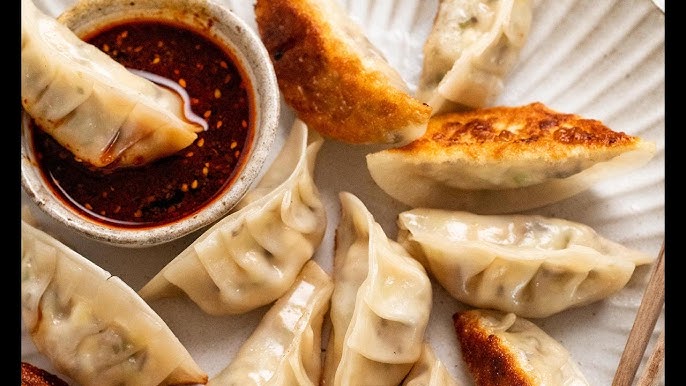
Dumpling Filling Recipe: Dumplings are only as good as the filling inside them. A well-made dumpling filling recipe creates the perfect balance of flavor, texture, moisture, and aroma. Whether we are preparing boiled dumplings, steamed dumplings, pan-fried potstickers, or homemade wontons, the filling is what gives every bite its character. A great filling should be juicy without being watery, seasoned without being overpowering, and tender enough to blend beautifully with the wrapper.
In this guide, we will make a rich, flavorful, and reliable dumpling filling that works for many styles of dumplings. We will also cover the exact ingredients, preparation method, flavor-building tips, common mistakes, storage advice, and filling variations so we can create dumplings that taste deeply satisfying every time.
Ingredients You’ll Need for the Best Dumpling Filling Recipe
A classic dumpling filling begins with a protein base, fresh vegetables, aromatics, and a carefully measured seasoning blend. The goal is to create a filling that remains moist during cooking while still holding its shape inside the wrapper.
Here is a dependable base recipe:
- 500 g ground pork
- 2 cups finely chopped Napa cabbage
- 1 cup finely chopped green onions
- 1 tablespoon freshly grated ginger
- 3 cloves garlic, minced
- 2 tablespoons soy sauce
- 1 tablespoon sesame oil
- 1 tablespoon oyster sauce
- 1 teaspoon salt
- 1 teaspoon sugar
- 1/2 teaspoon white pepper
- 1 tablespoon cornstarch
- 1 tablespoon cooking oil
- 1 egg
optional, but useful for binding - 1 tablespoon finely chopped cilantro
optional for added freshness
This ingredient list creates a savory and juicy dumpling filling with enough structure to stay intact during folding and cooking. If we want a softer vegetable presence, the cabbage can be salted and squeezed before mixing. If we want a meatier texture, we can reduce the cabbage slightly and increase the pork.
Why This Dumpling Filling Recipe Works So Well
The reason this dumpling filling recipe delivers excellent results is because every ingredient has a clear purpose. The ground pork provides richness and natural fat. The cabbage adds moisture and sweetness. Green onions, ginger, and garlic create depth. Soy sauce and oyster sauce add umami, while sesame oil gives the filling a warm, nutty aroma.
Cornstarch helps hold the juices together. That means the filling stays tender during cooking instead of becoming loose or watery. The egg can also improve binding, especially when making large batches or using leaner meat.
The overall result is a dumpling filling that tastes balanced, cooks evenly, and pairs beautifully with different wrappers and dipping sauces.
How to Prepare Vegetables for Dumpling Filling
The vegetable prep matters more than many people realize. If the vegetables are too chunky, the filling becomes difficult to wrap. If they are too wet, the wrapper can tear or become soggy.
Start by chopping the Napa cabbage very finely. Place it in a bowl, sprinkle lightly with salt, and let it rest for about 10 to 15 minutes. This pulls out excess moisture. After that, squeeze the cabbage thoroughly with clean hands or a kitchen towel. This step is essential because watery cabbage can ruin the texture of the filling.
Finely chop the green onions, mince the garlic, and grate the ginger. Keep the pieces small and even so the filling blends smoothly and spreads consistently inside each dumpling.
If using cilantro, chop it finely and add only a small amount. It should brighten the filling, not overpower it.
Step-by-Step Guide to Making Dumpling Filling
Step 1: Combine the Meat and Seasonings
Place the ground pork in a large mixing bowl. Add the soy sauce, oyster sauce, sesame oil, salt, sugar, white pepper, cooking oil, and cornstarch. If using egg, add it now.
Mix in one direction for several minutes. This technique helps the filling become sticky and cohesive. It also improves the texture by helping the proteins bind together. The mixture should begin to look smoother and slightly paste-like rather than loose and crumbly.
Step 2: Add the Aromatics
Add the ginger, garlic, and green onions to the seasoned meat mixture. Stir thoroughly so the aromatics are evenly distributed.
This stage builds the main flavor profile of the dumpling filling. Ginger keeps the filling fresh and fragrant, garlic adds savoriness, and green onions bring a mild sharpness that balances the richness of the meat.
Step 3: Fold in the Cabbage
Once the cabbage has been salted and squeezed dry, add it to the bowl. Mix gently but thoroughly.
At this stage, the filling should feel moist but not watery. It should hold together when scooped and should not release liquid into the bottom of the bowl. If it looks too wet, add a little more cornstarch. If it feels too dense, a small drizzle of sesame oil can improve the texture.
Step 4: Test the Flavor Before Filling Dumplings
Before wrapping all the dumplings, cook a small spoonful of the filling in a pan or microwave-safe dish. Taste it and adjust the seasoning if necessary.
This step is one of the best ways to improve any dumpling filling recipe. If the filling tastes flat, add a little more soy sauce. If it needs brightness, add extra green onion or ginger. If it feels too rich, a tiny pinch of white pepper can help sharpen the flavor.
Step 5: Chill the Filling
Refrigerate the finished filling for at least 20 to 30 minutes before wrapping. Chilling helps the mixture firm up and makes the dumplings easier to assemble.
A cold filling also reduces the chance of soggy wrappers and makes it easier to portion the mixture neatly into each dumpling skin.
Best Protein Options for Dumpling Filling
Although pork is the classic choice, this recipe works with several proteins.
Ground chicken creates a lighter filling with a softer texture. It benefits from a little extra sesame oil because it has less fat than pork.
Ground turkey works well too, especially when mixed with mushrooms or cabbage for added moisture.
Ground beef creates a stronger, richer flavor. It pairs especially well with garlic, onion, and black pepper, though it changes the traditional taste profile.
Shrimp can be chopped and mixed with pork for a springy, juicy filling. This combination is very popular because it gives the dumplings both richness and freshness.
For vegetarian dumplings, a mixture of firm tofu, mushrooms, cabbage, carrots, and green onions can create a deeply satisfying filling.
How to Keep Dumpling Filling Juicy
A dry filling is one of the most common problems in homemade dumplings. To keep the filling juicy, we need to focus on fat, moisture control, and mixing technique.
Choose meat with some fat if possible. Pork with a bit of fat gives the best texture. Avoid using extremely lean meat unless we compensate with oil or vegetables.
Salt the cabbage and squeeze it properly. This may seem like it removes moisture, but it actually helps control it. Uncontrolled water leaks out during wrapping and cooking, while properly prepared vegetables keep the filling tender.
Mix the filling until it becomes cohesive. This helps trap juices inside the meat mixture.
Do not overcook the dumplings. Even the best filling can become dry if cooked too long.
Common Mistakes to Avoid When Making Dumpling Filling
One common mistake is using vegetables without draining them. This creates a wet filling that tears wrappers and weakens the flavor.
Another mistake is under-seasoning. Dumpling wrappers are plain, so the filling should taste slightly stronger than we think it needs to.
Large vegetable pieces can also cause trouble. Fine chopping creates a smoother filling and better texture.
Some people skip testing the filling before assembling the dumplings. That often leads to a full batch with bland seasoning. Cooking a small sample first prevents this problem.
Overstuffing is another issue. A small spoonful is usually enough. Too much filling makes the dumplings hard to seal and more likely to burst.
Flavor Variations for Dumpling Filling Recipe
Once we master the base recipe, it becomes easy to create variations.
For a spicy dumpling filling, add chili oil, finely chopped fresh chili, or a small amount of chili flakes.
For a mushroom dumpling filling, add finely chopped shiitake mushrooms. They provide earthiness and strong umami flavor.
For a garlic-forward filling, increase the garlic slightly and reduce the ginger for a sharper taste.
For a herb-based filling, add chopped cilantro, chives, or Chinese celery.
For a seafood dumpling filling, combine chopped shrimp with pork and add a touch more white pepper and sesame oil.
These adjustments allow us to use one reliable technique while customizing the final flavor for different meals and preferences.
How to Use Dumpling Filling Properly
Place a small portion of filling in the center of each wrapper. Do not spread it out to the edges. Lightly moisten the rim with water, fold, and seal firmly.
This filling works well for:
- Boiled dumplings
- Steamed dumplings
- Pan-fried potstickers
- Wontons
- Gyoza-style dumplings
The filling should remain tender inside the wrapper and hold together after cooking without becoming rubbery.
How to Store Dumpling Filling
If making the filling ahead of time, store it in an airtight container in the refrigerator for up to 24 hours. This is ideal because the flavors have time to develop.
For longer storage, it is better to wrap the dumplings first and freeze them rather than freeze raw filling alone. Arrange the dumplings on a tray until firm, then transfer them to a freezer-safe bag.
Frozen dumplings can usually be cooked straight from frozen. This makes batch preparation especially convenient for busy days.
Serving Ideas for Homemade Dumplings
A flavorful dumpling filling recipe deserves a simple but balanced dipping sauce. A classic option includes:
- 2 tablespoons soy sauce
- 1 tablespoon rice vinegar
- 1 teaspoon sesame oil
- 1 teaspoon chili oil
- finely sliced green onions
This sauce highlights the flavor of the filling without covering it up. Dumplings can also be served with a light soup, stir-fried greens, cucumber salad, or noodles for a complete meal.
FAQs about Dumpling Filling Recipe
1. What is dumpling filling made of?
Dumpling filling can be made with meat, seafood, vegetables, or a mix of ingredients. Common choices include ground pork, chicken, shrimp, cabbage, mushrooms, garlic, ginger, and green onions.
2. How do we keep dumpling filling juicy?
Using a little oil, broth, or finely chopped vegetables helps keep the filling moist. Mixing the filling well also helps the ingredients hold together.
3. Can we make dumpling filling without meat?
Yes, we can. Popular vegetarian fillings include cabbage, carrots, mushrooms, tofu, chives, and glass noodles.
4. What seasonings are usually added?
Common seasonings include soy sauce, sesame oil, garlic, ginger, salt, pepper, and sometimes oyster sauce or chili for extra flavor.
5. How fine should the filling be chopped?
The filling should be chopped small enough to mix well and fit neatly inside the dumpling wrappers. It should not be too chunky, or the wrappers may tear.
6. Can dumpling filling be made ahead of time?
Yes, it can be made a few hours ahead and stored in the refrigerator. This can also help the flavors blend better before wrapping.
7. Why is my dumpling filling too wet?
This often happens when vegetables release too much water. Salting and draining vegetables like cabbage can help reduce excess moisture.
8. What can we serve with dumplings?
Dumplings go well with soy sauce, chili oil, vinegar dipping sauce, soups, stir-fried vegetables, or noodles.
Final Thoughts
A strong dumpling filling recipe depends on good balance, careful prep, and proper seasoning. When we combine well-seasoned meat, finely prepared vegetables, and aromatic ingredients in the right proportions, the result is a filling that is juicy, savory, and deeply satisfying.
This recipe gives us a dependable foundation for homemade dumplings that taste better, wrap more easily, and cook beautifully. Whether we are making dumplings for a family dinner, meal prep, or a special gathering, this filling delivers the kind of flavor and texture that makes homemade dumplings worth every step.