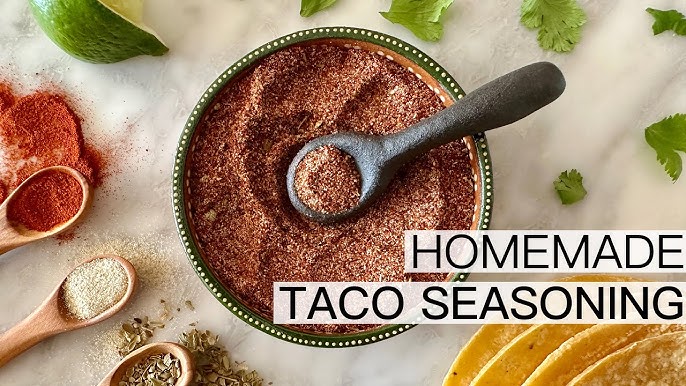
A great taco seasoning recipe gives us full control over flavor, freshness, and balance. Instead of relying on store-bought packets that may contain fillers, excess sodium, preservatives, or added sugar, we can build a seasoning blend that tastes bold, rich, and deeply savory with ingredients already in the kitchen. The result is a homemade spice mix that delivers better aroma, cleaner flavor, and more flexibility in everyday cooking.
This seasoning works far beyond tacos. We can use it for burritos, fajitas, nachos, quesadillas, taco bowls, grilled chicken, roasted vegetables, ground beef, beans, rice, soups, and even marinades. Once we prepare a batch, it becomes one of the most practical pantry staples for quick meals with consistent flavor.
When made properly, a homemade taco seasoning recipe should be fragrant, evenly blended, and versatile enough for both meat and plant-based dishes. It should dissolve well during cooking, coat ingredients evenly, and create a rich, seasoned finish without tasting dusty or flat.
Ingredients You’ll Need for the Best Taco Seasoning Recipe
To make a flavorful homemade batch, we need a few dependable spices. These measurements create a balanced blend suitable for multiple meals.
Core Ingredients
- 2 tablespoons chili powder
- 1 tablespoon ground cumin
- 2 teaspoons paprika
- 2 teaspoons garlic powder
- 2 teaspoons onion powder
- 1 teaspoon dried oregano
- 1 teaspoon salt
- 1 teaspoon black pepper
Optional Ingredients for Extra Flavor
- 1/2 teaspoon crushed red pepper flakes for heat
- 1/2 teaspoon smoked paprika for a smoky edge
- 1/2 teaspoon cornstarch if we want a slightly thicker sauce when cooking with water
- 1/2 teaspoon sugar if we prefer a softer, rounder finish
These ingredients create a classic taco seasoning recipe with strong savory character and moderate warmth. We can adjust it easily depending on the dish and personal taste.
How Each Ingredient Improves the Flavor
A stronger seasoning blend starts with understanding the role of each spice.
1. Chili powder is the heart of taco seasoning. It provides color, mild heat, and the signature flavor most people associate with tacos.
2. Ground cumin adds a warm, earthy note that gives the mix its unmistakable Mexican-inspired profile.
3. Paprika rounds out the spice blend with gentle sweetness and visual richness.
4. Garlic powder gives depth and savory intensity without overpowering the other ingredients.
5. Onion powder supports the garlic and helps create a more complete flavor base.
6. Dried oregano introduces herbal freshness and contrast.
7. Salt sharpens and wakes up every other spice.
8. Black pepper adds a dry, subtle heat that lingers without dominating the blend.
9. Red pepper flakes bring extra spice for those who like a more pronounced kick.
When these ingredients are combined in the right proportions, the finished seasoning tastes layered instead of harsh, bold instead of one-dimensional, and balanced instead of overly salty.
Step-by-Step Guide to Making Taco Seasoning
Step 1 – Measure the Spices Carefully
Place all the spices on a clean, dry surface and measure each one precisely. Accuracy matters because taco seasoning depends on proportion. Too much cumin can make the blend taste heavy, while too much garlic powder can overpower the chili base. Careful measuring gives us a consistent result every time.
Step 2 – Combine Everything in a Bowl
Add all measured spices to a small mixing bowl. Use a spoon or small whisk to combine them thoroughly. We want the color to look uniform, with no streaks or separate pockets of individual spices.
This step may seem simple, but proper mixing is essential. If the blend is uneven, one portion may taste salty while another may taste overly spicy. A fully combined mix ensures every spoonful delivers the same flavor.
Step 3 – Taste and Adjust the Blend
Before storing the seasoning, we can make small adjustments. For more heat, add more chili powder or a pinch of red pepper flakes. For a smokier blend, add smoked paprika. For a milder version, reduce black pepper or skip the pepper flakes entirely.
A strong homemade taco seasoning recipe should suit the meals we prepare most often. If we use it mainly for chicken and vegetables, we may prefer a lighter, more aromatic mix. If we use it mostly for beef, we may want a stronger cumin and chili profile.
Step 4 – Transfer to a Dry Jar or Spice Container
Once blended, transfer the seasoning into an airtight spice jar, glass container, or sealed food-safe container. Label it clearly with the name and date. A dry, airtight container protects the flavor and prevents clumping.
Step 5 – Store Properly for Maximum Freshness
Store the container in a cool, dark cupboard away from heat, light, and moisture. Properly stored taco seasoning keeps its best flavor for several months. While it remains safe beyond that, the aroma and strength slowly fade with time. Fresh seasoning always delivers better cooking results.
How to Use Taco Seasoning for Ground Beef
One of the most common uses for this taco seasoning recipe is seasoned ground beef for tacos.
For 1 pound of ground beef, we generally use 2 to 3 tablespoons of taco seasoning, depending on how bold we want the flavor. After browning the meat and draining excess grease if necessary, sprinkle in the seasoning and add about 1/4 to 1/2 cup of water. Stir well and let it simmer for a few minutes until the liquid reduces and the meat becomes richly coated.
This method creates a flavorful, saucy filling that works perfectly in taco shells, burritos, lettuce wraps, tostadas, taco salads, and rice bowls.
How to Use Taco Seasoning for Chicken, Beans, and Vegetables
This seasoning is just as useful beyond beef.
1. For chicken, rub the seasoning onto diced chicken breast or thighs before pan-cooking, grilling, or baking.
2. For beans, stir it into black beans or pinto beans with a little oil and water for a quick taco filling.
3. For vegetables, toss onions, peppers, zucchini, mushrooms, or cauliflower with oil and taco seasoning before roasting or sautéing.
This gives us a flexible seasoning blend that supports quick lunches, weeknight dinners, and meal-prep dishes without needing multiple separate spice mixes.
Best Ways to Customize Homemade Taco Seasoning
A homemade taco seasoning recipe becomes even more valuable when we adjust it to fit different preferences.
For a Spicier Blend
Add more crushed red pepper flakes, cayenne pepper, or extra chili powder.
For a Smokier Flavor
Use smoked paprika in place of regular paprika or combine both.
For Lower Sodium
Reduce the salt and season the final dish to taste during cooking.
For a Kid-Friendly Version
Lower the pepper and use sweet paprika for a softer flavor.
For a Deeper, Richer Profile
Add a small pinch of cocoa powder or chipotle powder for extra complexity.
These small adjustments allow the seasoning to match different dishes while preserving the core taco flavor.
Common Mistakes to Avoid When Making Taco Seasoning
Even a simple seasoning blend benefits from precision. A few common mistakes can weaken the final result.
One mistake is using old spices with little aroma. Taco seasoning depends on freshness, so stale spices produce dull food. Another mistake is adding too much salt at the mixing stage without considering the dish it will season. It is also easy to overuse cumin, which can dominate the blend and make it taste heavy.
Moisture is another issue. If we use a damp spoon or store the mix in a humid area, the seasoning may clump and lose quality. Finally, under-seasoning the meat during cooking can leave the final dish bland. The seasoning needs enough liquid and a short simmer to bloom fully and coat the ingredients properly.
How Much Taco Seasoning Equals One Packet
A common question in the kitchen is how homemade seasoning compares to store-bought packets. In most cases, about 2 tablespoons of homemade taco seasoning equals one standard seasoning packet. This makes it easy to substitute our own blend in recipes that call for a packet.
Keeping this conversion in mind helps us use the mix confidently in casseroles, soups, taco pasta, enchilada fillings, and skillet dinners.
Why Homemade Taco Seasoning Tastes Better
The difference comes down to freshness, control, and clarity of flavor. Prepackaged mixes are convenient, but they often flatten the taste of a dish with too much sodium or unnecessary additives. Homemade seasoning lets us highlight the actual spices. The aroma is brighter, the color is richer, and the finished tacos taste more vibrant.
We also avoid the need to buy a new packet every time we cook. One batch of homemade seasoning can season several meals, save money, and streamline kitchen prep. It is one of the easiest ways to improve homemade tacos without adding extra work.
Serving Ideas for Recipes Made with Taco Seasoning
Once the filling is ready, we can serve it in many delicious ways:
- Classic crunchy tacos
- Soft flour or corn tortillas
- Loaded nachos
- Taco rice bowls
- Burritos and wraps
- Quesadillas
- Taco salad
- Stuffed peppers
- Mexican-style baked potatoes
Top with shredded lettuce, diced tomatoes, onions, cilantro, avocado, cheese, sour cream, salsa, lime juice, or jalapeños for a complete and flavorful meal.
FAQs about Taco Seasoning Recipe
1. What is taco seasoning?
Taco seasoning is a flavorful spice blend used to season meat, beans, vegetables, and other taco fillings. It usually has a warm, savory, and slightly spicy taste.
2. What spices are commonly used in taco seasoning?
Most taco seasoning recipes include chili powder, cumin, paprika, garlic powder, onion powder, oregano, salt, and black pepper. Some also add red pepper flakes or cayenne for extra heat.
3. Can we make taco seasoning at home?
Yes, homemade taco seasoning is very easy to make. We simply mix the spices together and store them in an airtight container.
4. Is taco seasoning spicy?
It can be mild or spicy depending on the ingredients. We can easily control the heat by adjusting the amount of chili powder or cayenne pepper.
5. How much taco seasoning should we use?
A common amount is about 2 to 3 tablespoons for 500 grams (1 pound) of meat or filling. However, this can be adjusted to taste.
6. Can taco seasoning be used for more than tacos?
Yes, it is great for burritos, fajitas, soups, roasted vegetables, rice, beans, and even fries. It is a versatile seasoning blend.
7. How should taco seasoning be stored?
Store it in a sealed jar or airtight container in a cool, dry place away from sunlight and heat.
8. How long does homemade taco seasoning last?
It usually stays fresh for about 3 to 6 months, although the flavor is best when used sooner.
Final Thoughts
A reliable taco seasoning recipe belongs in every kitchen because it turns simple ingredients into bold, satisfying meals with very little effort. With a handful of pantry spices, we can create a seasoning blend that is fresher, stronger, and more flexible than most packaged versions. It stores well, cooks quickly, and works across meat, beans, grains, and vegetables.
When we prepare taco seasoning at home, we build better flavor from the start. The blend is easy to make, easy to customize, and easy to keep on hand for fast, flavorful cooking any day of the week. Whether we are making tacos for a quick family dinner or preparing fillings for meal prep, this homemade seasoning delivers dependable results with rich, balanced taste every time.