Denver Steak Recipe: Denver steak is one of the most flavorful cuts of beef for home cooking. It is richly marbled, tender when prepared correctly, and ideal for a fast, satisfying meal that tastes restaurant-quality without requiring complicated techniques. A well-cooked Denver steak delivers deep beefy flavor, a juicy center, and a beautifully seared crust. With the right ingredients, proper seasoning, and careful timing, we can turn this underrated cut into a standout dish for lunch or dinner.
This Denver steak recipe is built for great texture, bold flavor, and reliable results. We focus on simple ingredients, a clear cooking method, and practical steps that help us achieve a steak that is crisp on the outside and succulent on the inside. Whether we are cooking on a stovetop, in a cast-iron skillet, or finishing with butter and herbs, this method brings out the best in Denver steak every time.
What Is Denver Steak?
Denver steak comes from the chuck section of the cow, but unlike many cuts from this area, it is surprisingly tender. It is known for its rich marbling, which means it contains thin lines of fat throughout the meat. That marbling melts during cooking and creates a juicy, flavorful bite. Denver steak is often compared to more expensive cuts because of its texture and taste, yet it is usually more affordable.
Because Denver steak has a balanced structure of meat and fat, it responds especially well to high-heat cooking methods. A quick sear locks in flavor and creates a caramelized exterior, while the inside stays moist and tender. It is a perfect choice when we want a steak dinner that feels premium without requiring a premium budget.
Why This Denver Steak Recipe Works
This recipe works because it keeps the method focused and efficient. We season generously, cook over high heat, and allow enough resting time for the juices to redistribute. That combination makes a major difference in both flavor and tenderness. We also use ingredients that enhance the natural richness of the beef instead of overpowering it.
A good Denver steak does not need a heavy marinade or complicated sauce. Salt, black pepper, butter, garlic, and fresh herbs are more than enough to build a polished final result. The goal is to bring out the best in the steak itself while creating a crisp crust and juicy center.
Ingredients You’ll Need
Here is everything we need to make a delicious Denver steak recipe at home:
- 2 Denver steaks, about 8 to 10 ounces each
- 1 tablespoon kosher salt
- 1 teaspoon freshly ground black pepper
- 1 teaspoon garlic powder
- 1 teaspoon onion powder
- 1 tablespoon olive oil
- 2 tablespoons unsalted butter
- 3 garlic cloves, lightly crushed
- 2 sprigs fresh rosemary
- 2 sprigs fresh thyme
Optional Ingredients for Extra Flavor
- 1 teaspoon smoked paprika
- 1 tablespoon Worcestershire sauce
- 1 teaspoon fresh lemon juice
- Flaky sea salt for finishing
- Chopped parsley for garnish
How to Choose the Best Denver Steak
When shopping for Denver steak, look for cuts with visible marbling throughout the meat. The more even the marbling, the more flavorful and tender the steak will be after cooking. The color should be a fresh red, and the steak should feel firm but not dry. Thickness matters too. A steak around 1 to 1.5 inches thick is ideal because it gives us enough time to develop a crust without overcooking the inside.
If possible, choose steaks that are evenly cut so they cook uniformly. Uneven thickness can lead to one side being overdone while the other side remains undercooked. Quality beef makes a noticeable difference, so fresh cuts from a reliable butcher or grocery meat counter are often worth choosing.
How to Prepare Denver Steak Before Cooking
Preparation starts before the pan gets hot. First, we remove the steaks from the refrigerator about 30 to 40 minutes before cooking. This helps them cook more evenly. Cold steak dropped straight into a hot skillet can seize up and cook unevenly, especially in the center.
Next, we pat the steaks completely dry using paper towels. This is essential for a good sear. Moisture on the surface creates steam, and steam prevents browning. Once the steaks are dry, we season both sides evenly with salt, black pepper, garlic powder, and onion powder. If using smoked paprika, we add it at this stage as well.
Step-by-Step Guide to Cooking Denver Steak
Step 1: Bring the Steak to Room Temperature
Place the steaks on a plate and let them sit at room temperature for 30 to 40 minutes. This small step improves even cooking and helps the steak develop better color in the pan.
Step 2: Dry and Season the Steak Well
Pat both steaks dry thoroughly. Sprinkle salt, black pepper, garlic powder, and onion powder on both sides. Press the seasoning lightly into the meat so it adheres well.
Step 3: Heat the Pan Properly
Place a cast-iron skillet or heavy pan over medium-high to high heat. Let it preheat for several minutes until very hot. A properly heated pan is critical for building the crust that makes Denver steak so appealing.
Add the olive oil and swirl it around the pan. The oil should shimmer but not burn.
Step 4: Sear the Denver Steak
Carefully place the steaks into the hot skillet. Do not overcrowd the pan. Once the steak hits the surface, let it cook undisturbed for about 3 to 4 minutes. This allows the crust to form properly.
Flip the steaks and cook the second side for another 3 to 4 minutes. For thicker steaks, we may need a little more time depending on our preferred doneness.
Step 5: Add Butter, Garlic, and Herbs
Lower the heat slightly. Add the butter, crushed garlic cloves, rosemary, and thyme to the pan. As the butter melts, tilt the pan slightly and spoon the melted butter over the steaks repeatedly for 1 to 2 minutes. This adds flavor, gloss, and extra richness.
Step 6: Check for Doneness
Use a meat thermometer for the best results:
- 125°F to 130°F for rare
- 130°F to 135°F for medium-rare
- 135°F to 145°F for medium
- 145°F to 150°F for medium-well
Denver steak is especially delicious at medium-rare to medium, where the marbling remains juicy and the texture stays tender.
Step 7: Rest the Steak Before Slicing
Transfer the steaks to a cutting board or plate. Let them rest for 5 to 10 minutes before slicing. Resting is essential because it keeps the juices inside the meat instead of letting them run out immediately.
Step 8: Slice and Serve
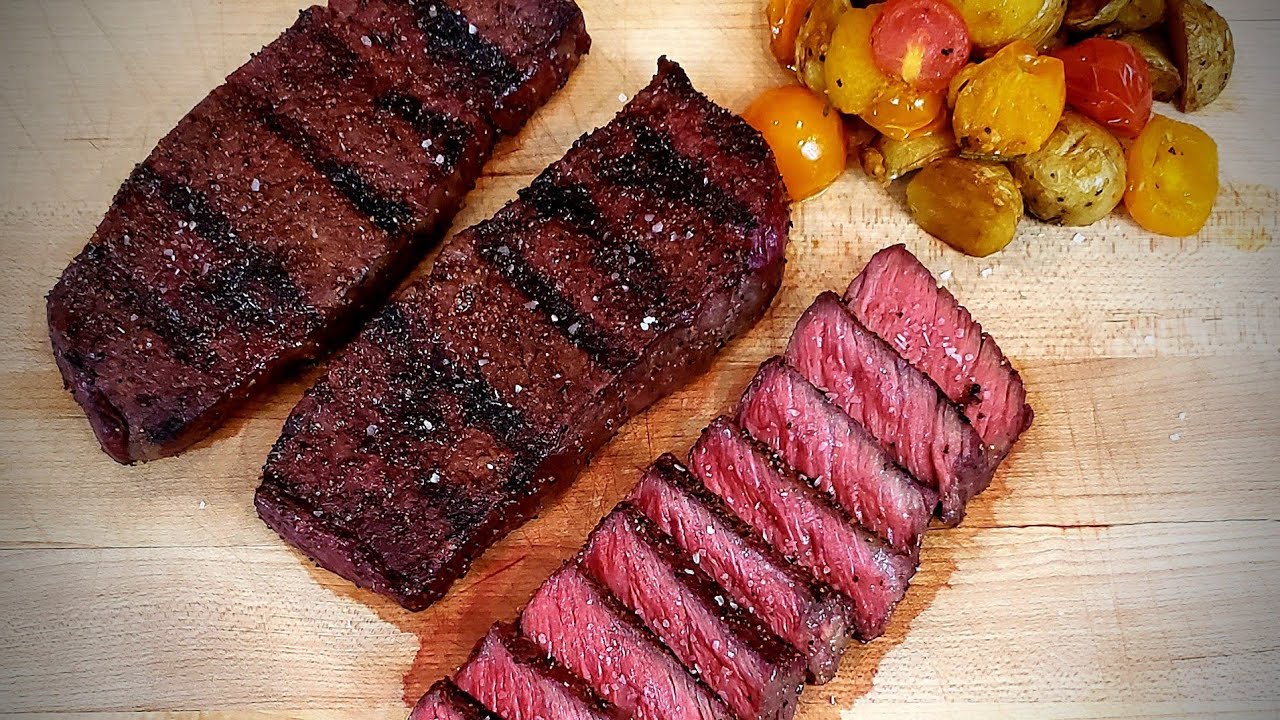
Slice the Denver steak against the grain for the most tender bite. Finish with flaky sea salt and chopped parsley if desired. Serve immediately while hot.
Best Cooking Tips for Denver Steak
A few smart details can improve the final result dramatically. Always start with a dry steak. Always preheat the pan fully. Avoid moving the steak too early during cooking, because that interrupts crust formation. Let the steak release naturally from the pan before flipping.
Resting is equally important. A beautifully cooked steak can lose much of its juiciness if sliced too soon. Another strong tip is to use a thermometer rather than guessing. It gives us more control and helps avoid overcooking.
Common Mistakes to Avoid
One of the biggest mistakes is cooking Denver steak over low heat. This cut benefits from a strong sear, and low heat can cause it to gray rather than brown. Another mistake is skipping the rest period. Cutting immediately after cooking releases valuable juices and leaves the steak drier than it should be.
Over-seasoning with too many spices can also cover the natural beef flavor. Denver steak already has richness built in, so a restrained seasoning approach works best. Finally, slicing with the grain can make the steak feel chewier, even if it was cooked perfectly.
Best Side Dishes for Denver Steak
Denver steak pairs beautifully with a wide range of side dishes. For a classic steakhouse-style meal, we can serve it with creamy mashed potatoes, roasted vegetables, or buttered green beans. A crisp salad with a light vinaigrette balances the richness of the beef.
For a more robust dinner, roasted baby potatoes, sautéed mushrooms, grilled corn, or garlic rice are excellent choices. If we want a lighter plate, steamed asparagus or charred broccoli work especially well. Denver steak also pairs nicely with compound butter, chimichurri, or a simple pan sauce.
Denver Steak Recipe Variations
This recipe is versatile and easy to adapt. We can prepare it in several ways depending on taste and equipment.
Garlic Butter Denver Steak
Add extra butter and more crushed garlic for a richer finish. Spoon the butter over the steak generously during the final minute.
Herb-Crusted Denver Steak
Use rosemary, thyme, parsley, and a small amount of Dijon mustard before searing for more herb-forward flavor.
Spicy Denver Steak
Add chili flakes, cayenne pepper, or a little smoked paprika for heat and smoky depth.
Marinated Denver Steak
A short marinade with olive oil, Worcestershire sauce, garlic, and black pepper can add another layer of flavor. Keep the marinating time moderate so the texture stays clean and natural.
How to Store and Reheat Denver Steak
If we have leftovers, let the steak cool completely before storing. Place it in an airtight container and refrigerate for up to 3 days. For the best texture, reheat gently in a skillet over low heat with a small amount of butter. Avoid microwaving for too long, as that can make the steak tough.
Leftover Denver steak can also be sliced thin and used in sandwiches, wraps, salads, tacos, or grain bowls. Its rich flavor holds up well in next-day meals.
Why Denver Steak Is a Great Choice for Home Cooks
Denver steak is ideal for home cooks because it offers high flavor with a relatively simple cooking process. It does not require long braising, advanced grilling skills, or expensive ingredients. With a hot pan and a few pantry staples, we can create a dish that feels polished and satisfying.
This cut is also excellent for weeknight dinners because it cooks quickly. In less than 20 minutes of active cooking time, we can have a steak meal that tastes refined, filling, and deeply flavorful.
Serving Ideas for a Complete Meal
For a full meal presentation, serve Denver steak sliced over mashed potatoes with roasted carrots and a drizzle of garlic butter from the pan. Another great option is to pair it with rice pilaf and sautéed spinach. For a more modern plate, slice the steak thin and serve it over arugula with shaved parmesan, cherry tomatoes, and a warm balsamic dressing.
Denver steak can also be served family-style on a platter with roasted potatoes, grilled peppers, and herb butter. Its bold flavor makes it the centerpiece of the table without needing much else.
FAQs about Denver Steak Recipe
1. What is Denver steak?
Denver steak is a flavorful cut of beef taken from the chuck section. It is known for its good marbling, tenderness, and rich beefy taste.
2. Is Denver steak tender?
Yes, Denver steak is considered one of the more tender cuts from the chuck. When cooked properly, it can be juicy, soft, and very satisfying.
3. What is the best way to cook Denver steak?
Denver steak is great for grilling, pan-searing, or broiling. It cooks best over medium-high heat and is usually served medium-rare to medium.
4. Do we need to marinate Denver steak?
No, marinating is not always necessary because the steak already has good flavor. However, a simple marinade or seasoning can add extra taste.
5. How long should Denver steak cook?
Cooking time depends on thickness, but it usually takes just a few minutes per side. It should be watched carefully so it does not overcook.
6. What seasonings go well with Denver steak?
Salt, black pepper, garlic, rosemary, paprika, and butter all pair well with Denver steak. A simple seasoning often works best.
7. Should Denver steak rest after cooking?
Yes, it should rest for about 5 to 10 minutes after cooking. This helps the juices stay inside the meat for a better texture.
8. What can we serve with Denver steak?
Denver steak goes well with mashed potatoes, roasted vegetables, rice, salad, grilled corn, or a simple garlic butter sauce.
Final Thoughts
A well-executed Denver steak recipe delivers everything we want in a steak dinner: flavor, tenderness, a crisp crust, and a juicy interior. This cut is practical, impressive, and rewarding to cook. By following a simple method, using high heat, and finishing with butter and herbs, we can create a steak that feels elevated yet approachable.
When cooked with care, Denver steak proves that a lesser-known cut can rival more famous steaks in both taste and texture. This recipe keeps the process straightforward while giving us the kind of rich, satisfying result that makes homemade steak dinners worth repeating again and again.