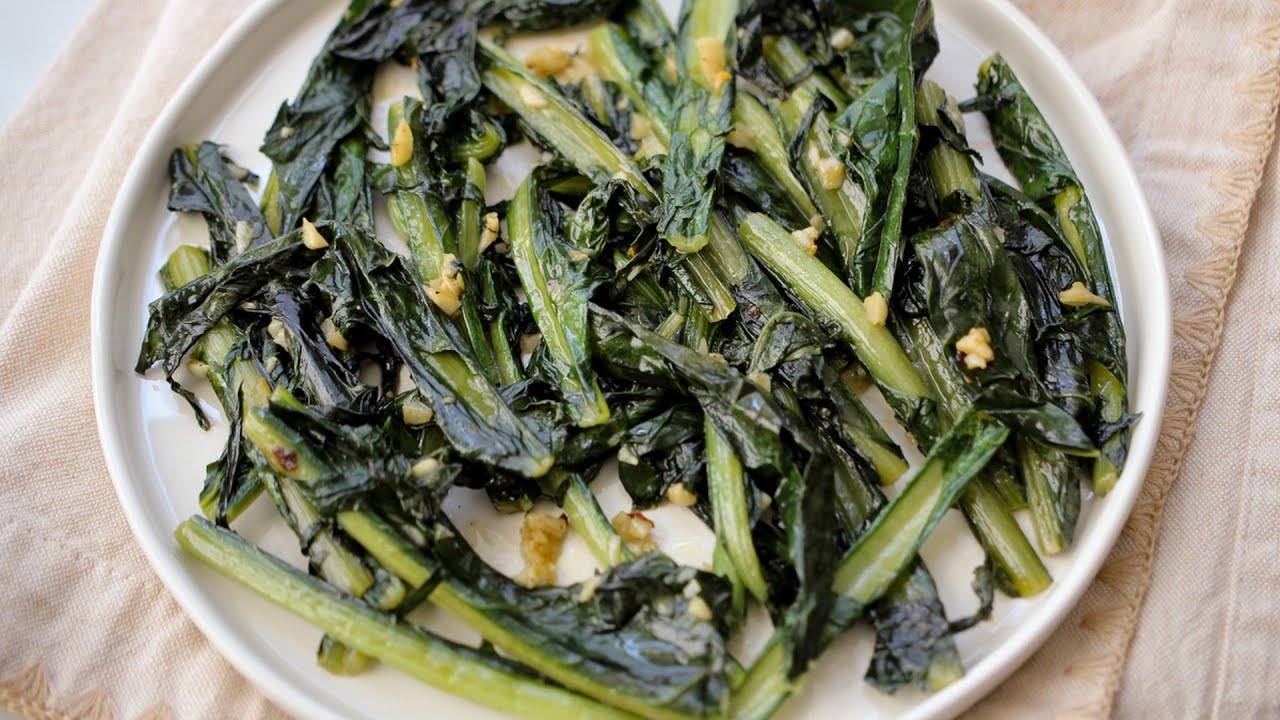
Dandelion Leaves Recipe: Dandelion leaves are one of the most underrated greens in the kitchen. They are bold, earthy, slightly bitter, and deeply satisfying when prepared the right way. In a good dandelion leaves recipe, the natural bitterness becomes balanced rather than harsh, and the leaves turn into a flavorful side dish that pairs beautifully with rice, potatoes, grilled fish, roasted chicken, eggs, and rustic bread.
These greens have long been used in home cooking because they are affordable, accessible, and versatile. We can sauté them, blanch them, steam them, add them to soups, or fold them into savory dishes that need a deeper green flavor. When handled well, dandelion leaves deliver a rich taste that feels closer to a gourmet vegetable than a wild weed.
The secret to making the best dandelion leaves recipe is simple: choose fresh leaves, clean them thoroughly, reduce bitterness where needed, and cook them with ingredients that round out their flavor. Garlic, olive oil, chili flakes, lemon juice, onions, and a touch of salt work especially well. This guide covers everything needed to prepare a delicious dish from start to finish.
What Dandelion Leaves Taste Like
Before we cook, it helps to understand the flavor profile. Dandelion leaves have a grassy, peppery, slightly nutty taste with a noticeable bitter edge. Younger leaves are more tender and milder, while older leaves are stronger and more assertive.
That bold flavor is exactly what makes them interesting. In the same way that mustard greens, collards, arugula, and kale bring character to a meal, dandelion greens contribute depth. They are not meant to taste bland. They are meant to taste vibrant, green, and distinctive.
A well-balanced dandelion leaves recipe does not try to erase the bitterness completely. Instead, it softens it with heat, seasoning, and fat so the final dish tastes savory, bright, and complete.
Ingredients You’ll Need
For a classic sautéed dandelion leaves recipe, gather the following ingredients:
- 2 large bunches fresh dandelion leaves
- 2 to 3 tablespoons olive oil
- 4 cloves garlic, finely sliced or minced
- 1 small onion, thinly sliced
- 1/2 teaspoon red pepper flakes
- Salt, to taste
- Black pepper, to taste
- 1 to 2 tablespoons lemon juice
- 1 tablespoon butter optional, for richer flavor
- 2 tablespoons water or broth if needed during cooking
Optional additions for more flavor:
- Smoked turkey or bacon bits
- Grated Parmesan cheese
- Toasted nuts
- A splash of vinegar
- Cooked beans
- Chili oil
- Crushed roasted peanuts for a nutty finish
- Boiled potatoes for a heartier dish
These ingredients create a flexible base. We can keep the dish simple and clean or build on it depending on how rich or rustic we want it to be.
How to Choose the Best Dandelion Leaves
Freshness matters. Look for dandelion leaves that are crisp, green, and free from yellowing or slimy spots. Smaller leaves are usually milder and more tender. Larger leaves are still useful, but they often need a little extra care in preparation.
If the stems look dry or the leaves appear wilted, the final dish may taste harsher and cook unevenly. The best bunches feel lively and firm. When possible, choose leaves with a bright appearance and minimal bruising.
For the best dandelion leaves recipe, freshness improves both flavor and texture. Tender greens cook faster, absorb seasoning better, and require less effort to balance.
How to Clean Dandelion Leaves Properly
Because leafy greens can trap grit, cleaning them well is essential. Fill a large bowl or basin with cool water and submerge the leaves. Swish them around gently to loosen dirt. Lift the leaves out rather than pouring the water off, because grit settles at the bottom.
Repeat this washing process two or three times until the water stays clear. Trim away any tough stem ends or damaged sections. If the leaves are very large, chop them into shorter lengths for easier cooking and serving.
Clean greens are the foundation of every successful dandelion leaves recipe. Even excellent seasoning cannot rescue a dish that still contains grit.
How to Reduce Bitterness Before Cooking
Some bitterness is part of the appeal, but there are easy ways to make the leaves milder.
The most effective method is blanching. Bring a pot of salted water to a boil. Add the cleaned dandelion leaves and cook them for about 1 to 2 minutes. Drain immediately and rinse under cool water or transfer to ice water. Then squeeze out excess moisture.
This quick step softens the leaves and removes some of the sharper bitter notes. It also shortens sautéing time later. If the leaves are very young, blanching may be optional. If they are mature or especially strong, blanching helps a lot.
Another way to soften bitterness is to pair the greens with garlic, onion, olive oil, and lemon juice. Fat and acid naturally balance intense green flavors and make the dish more rounded.
Step-by-Step Guide for Dandelion Leaves
Step 1: Prepare the Greens
Wash the dandelion leaves thoroughly and trim any tough ends. If the leaves are long, chop them into manageable pieces. If you want a milder result, blanch them for 1 to 2 minutes, then drain and squeeze gently to remove extra water.
Set the prepared greens aside. This step ensures they are ready to cook quickly once the aromatics go into the pan.
Step 2: Build the Flavor Base
Heat olive oil in a large skillet or sauté pan over medium heat. Add the sliced onion and cook for about 3 to 4 minutes until softened. Stir in the garlic and red pepper flakes. Cook for another 30 to 60 seconds until fragrant.
Do not let the garlic brown too much. It should smell rich and savory, not burnt. This aromatic base is what gives the dandelion leaves recipe its depth and warmth.
Step 3: Add the Dandelion Leaves
Place the prepared dandelion leaves into the pan. Toss them with the onions, garlic, and oil so every part is coated. If the pan seems dry, add a tablespoon or two of water or broth to help them soften.
Cook for 4 to 7 minutes, stirring occasionally. The exact time depends on whether the greens were blanched first and how tender they are. They should wilt fully but still retain some body.
Season with salt and black pepper as they cook. Taste as you go. Greens absorb seasoning gradually, and a careful approach gives the best result.
Step 4: Balance the Flavor
Once the greens are tender, add lemon juice and, if desired, a small piece of butter for richness. Toss again and taste. This is the moment when the dish becomes balanced. The lemon brightens the greens, the oil carries flavor, and the garlic rounds out the bitterness.
If you want a deeper savory finish, add a small sprinkle of Parmesan or a few crisp bits of bacon. If you want a cleaner version, keep it simple with only lemon, salt, and pepper.
Step 5: Serve Immediately
Transfer the cooked greens to a serving plate while hot. Serve them as a side dish or spoon them over toast, rice, mashed potatoes, or grains. They are especially good next to grilled protein or inside a warm grain bowl.
A finished dandelion leaves recipe should taste bold, garlicky, slightly tangy, and pleasantly green. The texture should be tender, not mushy.
Best Cooking Tips for Dandelion Leaves
A few smart techniques can make a major difference.
Use a wide pan rather than a deep pot. A wider surface helps the moisture evaporate, so the greens sauté instead of steam too much. That keeps the flavor more concentrated.
Do not overcrowd the pan. If the greens are very bulky, cook them in batches. Overcrowding makes them release too much liquid, which weakens the flavor.
Season in layers. Add a little salt during cooking, then adjust at the end. This helps the greens taste seasoned throughout rather than salty only on the surface.
Use acid at the end. Lemon juice or a small splash of vinegar added late keeps the dish lively. Adding too much acid too early can flatten the greens before they fully cook.
Pair bitterness with richness. Olive oil, butter, cheese, or even beans can make the final dish feel more satisfying and balanced.
Variations to Try
One of the best things about a dandelion leaves recipe is how adaptable it is.
For an Italian-style version, sauté the greens with garlic, olive oil, and finish with Parmesan and a squeeze of lemon.
For a heartier rustic plate, cook the greens with onions, smoked meat, and a little broth. Serve with boiled yam, potatoes, or crusty bread.
For a lighter vegetable side, combine cooked dandelion leaves with sautéed zucchini or mushrooms.
For a spicy version, add more red pepper flakes or finish with chili oil.
For a protein-rich meal, stir the cooked greens into beans, lentils, or scrambled eggs.
Each variation keeps the core identity of the dish while making it fit different meals and flavor preferences.
What to Serve with Dandelion Leaves
A good dandelion leaves recipe works with many main dishes. The greens are especially effective with foods that benefit from a strong, fresh contrast.
They pair well with:
- Grilled fish
- Roasted chicken
- Pan-fried eggs
- Rice dishes
- Boiled or roasted potatoes
- Beans and legumes
- Toasted bread
- Pasta
- Polenta
- Stewed meats
Because the greens are naturally bold, they do well next to simple starches and proteins. They can also be served as part of a larger vegetable spread.
Common Mistakes to Avoid
One common mistake is skipping the wash. Leafy greens often hide grit, and poor cleaning affects the entire dish.
Another mistake is underseasoning. Dandelion leaves need enough salt, fat, and aromatics to bring out their best. A bland approach leaves only bitterness behind.
Overcooking is also a problem. Greens should be tender, but not dull and collapsed into a lifeless texture. Cook until softened, then stop.
Using burnt garlic can ruin the flavor fast. Garlic should be fragrant and golden at most, never dark brown and bitter.
Finally, forgetting acidity at the end can make the dish feel heavy. A little lemon juice often brings everything together.
How to Store and Reheat
If you have leftovers, let the cooked greens cool, then store them in an airtight container in the refrigerator for up to 3 days. Reheat gently in a skillet over low heat with a tiny splash of water or oil.
Fresh uncooked dandelion leaves should be used as soon as possible for the best flavor and texture. If needed, store them in the refrigerator wrapped loosely in paper towel inside a bag or container.
Cooked greens can also be folded into omelets, stirred into soups, or added to grain bowls the next day.
Why This Dandelion Leaves Recipe Works
This dandelion leaves recipe works because it respects the ingredient instead of fighting it. The method cleans the greens well, softens excessive bitterness, builds flavor with aromatics, and finishes with enough brightness to keep the dish fresh.
The result is a side dish that tastes intentional, complete, and deeply satisfying. It is simple enough for everyday cooking, yet distinctive enough to stand out on the table. With the right balance of olive oil, garlic, onion, salt, and lemon, dandelion leaves become far more than a wild green. They become a dish worth repeating.
FAQs about Dandelion Leaves Recipe
1. What are dandelion leaves?
Dandelion leaves are edible greens from the dandelion plant. They have a slightly bitter taste and are often used in salads, sautés, or soups.
2. Are dandelion leaves safe to eat?
Yes, they are safe to eat when properly cleaned. Make sure they are picked from areas free of pesticides or pollution.
3. How do dandelion leaves taste?
They have a mildly bitter, earthy flavor. Younger leaves are more tender and less bitter than older ones.
4. How can we reduce the bitterness?
We can blanch the leaves briefly in boiling water or mix them with milder greens. Adding ingredients like lemon juice, garlic, or olive oil also helps balance the taste.
5. How are dandelion leaves usually cooked?
They can be sautéed with garlic and oil, added to soups, or used fresh in salads. They are also great in stir-fries and pasta dishes.
6. Can we eat dandelion leaves raw?
Yes, especially the young leaves. They work well in salads when combined with other fresh ingredients.
7. What are the health benefits of dandelion leaves?
They are rich in vitamins A, C, and K, as well as minerals like iron and calcium. They are also known for supporting digestion.
8. How do we store dandelion leaves?
Store them in the refrigerator, wrapped loosely in a damp paper towel or in a container. They are best used within a few days for freshness.
Final Thoughts
A well-made dandelion leaves recipe turns a humble bunch of greens into something memorable. The flavor is bold, the preparation is straightforward, and the result fits easily into both simple family meals and more refined menus. Once we understand how to clean, blanch, sauté, and season the leaves properly, this dish becomes easy to make again and again.
Whether served on its own or alongside a full meal, dandelion leaves offer character, nutrition, and depth. With fresh ingredients and a careful cooking method, they become one of the most rewarding green vegetables we can bring into the kitchen.