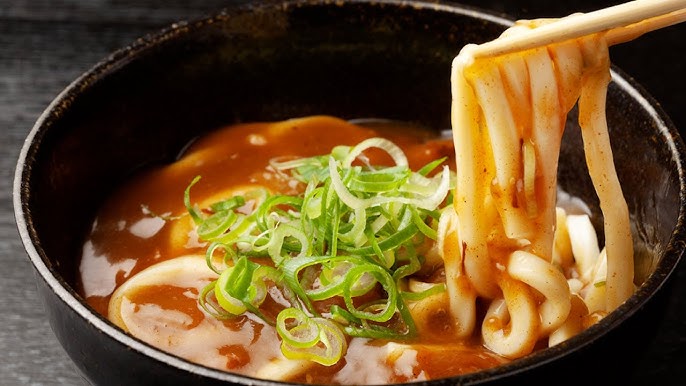
Curry udon recipe is one of the most satisfying meals we can prepare when we want something warm, hearty, rich, and deeply comforting. It brings together the thick, chewy texture of udon noodles with a savory Japanese-style curry broth that coats every strand beautifully. The result is a bowl that feels complete on its own: filling, fragrant, and layered with flavor.
Unlike heavier curries that rely on intense heat, Japanese curry udon is known for its mellow depth. It is rich without being overpowering, gently spiced without being aggressive, and perfect for lunch or dinner. The broth is silky, slightly thick, and designed to cling to the noodles, giving every bite a balanced taste of curry, stock, soy, and aromatics.
This dish is also remarkably practical. We can make it with chicken, beef, or keep it simple with vegetables and tofu. It works well for quick weeknight cooking, but it still delivers the kind of depth that makes it feel special. Once we understand the basic method, it becomes easy to adapt and repeat.
Ingredients You’ll Need for the Best Curry Udon Recipe
To make a rich and balanced curry udon recipe, we need a combination of noodles, protein, vegetables, seasoning, and a flavorful liquid base.
Main Ingredients
- 2 portions udon noodles fresh, frozen, or vacuum-packed
- 200 to 250g chicken thigh or beef, thinly sliced
- 1 small onion, thinly sliced
- 1 carrot, julienned or thinly sliced
- 2 to 3 mushrooms, sliced
- 2 cups dashi stock or light chicken stock
- 1 to 2 curry roux cubes or 2 tablespoons curry powder
- 1 tablespoon soy sauce
- 1 tablespoon mirin
- 1 teaspoon sugar
- 1 teaspoon grated ginger
- 1 teaspoon minced garlic
- 1 tablespoon oil
For Thickening
- 1 tablespoon cornstarch
- 2 tablespoons water
Optional Toppings
- Chopped spring onions
- Soft-boiled egg
- Shichimi togarashi
- Tempura flakes
- Spinach
- Kamaboko or fish cake slices
These ingredients create the signature balance needed for a truly satisfying bowl of Japanese curry udon noodles.
Why This Curry Udon Recipe Works So Well
The reason this curry udon recipe is so reliable lies in its structure. The onions provide sweetness, the stock creates depth, the curry adds warmth and body, and the starch thickens the broth just enough to coat the noodles. The udon noodles themselves are substantial and chewy, which makes them ideal for carrying the rich sauce.
Another reason this dish stands out is flexibility. We can keep it traditional or make it more filling with extra vegetables, mushrooms, and protein. It can be mild or slightly bolder depending on the type of curry roux or powder we use. Even a simple pantry version can still taste deeply satisfying.
How to Choose the Right Udon Noodles
For the best curry udon recipe, noodle texture matters. Frozen udon noodles are often the top choice because they have an excellent chewy texture and cook quickly. Fresh udon is also excellent if available. Shelf-stable vacuum-packed udon works well too and is convenient for quick meals.
Dry udon can be used, but the texture is usually less springy than frozen or fresh options. Since curry udon depends heavily on noodle bite, choosing a quality udon makes a noticeable difference.
Step-by-Step Guide to Making Curry Udon
Step 1: Prepare All Ingredients Before Cooking
Slice the onion thinly, cut the carrot into fine strips, and slice the mushrooms. If using chicken or beef, cut it into thin bite-sized pieces. Mix the cornstarch with water in a small bowl and keep it ready.
This preparation matters because curry udon comes together quickly once the broth starts cooking.
Step 2: Cook the Protein Until Just Tender
Heat the oil in a pot or deep pan over medium heat. Add the chicken or beef and cook for a few minutes until lightly browned. The meat does not need to be fully finished at this stage, because it will continue cooking in the broth.
Browning adds extra flavor and gives the final dish more depth.
Step 3: Sauté the Aromatics and Vegetables
Add the onion, ginger, and garlic to the pot. Cook until the onions soften and begin to look slightly translucent. Then add the carrots and mushrooms. Stir for a couple of minutes until the vegetables begin to soften.
This layer is important because it builds the base of the dish. The onions release sweetness, while the mushrooms contribute a savory, earthy note that pairs perfectly with curry.
Step 4: Add the Stock and Seasonings
Pour in the dashi or stock. Add the soy sauce, mirin, and sugar. Stir well and bring everything to a gentle simmer.
At this point, the broth begins developing its signature flavor. The soy sauce adds salt and depth, the mirin adds subtle sweetness, and the stock carries everything together.
Step 5: Add the Curry Base
If using curry roux cubes, break them into smaller pieces and stir until fully dissolved. If using curry powder, add it gradually while stirring well to avoid clumps. Let the broth simmer for several minutes so the curry flavor fully blends with the stock.
The broth should become fragrant, smooth, and slightly rich. Taste it and adjust gently if needed. If the flavor is too strong, add a little more stock. If it needs more depth, add a small splash of soy sauce.
Step 6: Thicken the Curry Broth
Stir the cornstarch slurry again, then pour it into the simmering broth while stirring continuously. Let the broth cook for another minute or two until it thickens slightly.
The goal is not a heavy gravy. A good curry udon recipe should have a broth that is silky and lightly thickened, enough to cling to the noodles without becoming overly dense.
Step 7: Cook the Udon Noodles
Prepare the udon noodles according to the package instructions. Frozen udon usually needs just a minute or two in boiling water. Fresh or vacuum-packed noodles may only need reheating.
Drain well before adding them to the curry broth. This keeps the broth from becoming diluted.
Step 8: Combine and Serve Immediately
Add the cooked udon noodles into the curry broth and gently toss or stir so the noodles are evenly coated. Let them warm through for about a minute.
Divide into bowls and finish with spring onions, soft-boiled egg, tempura flakes, or your preferred toppings. Serve hot while the noodles are at their best texture.
Best Protein Options for Curry Udon
A classic curry udon recipe often uses thinly sliced beef or chicken thigh, but several proteins work very well.
Chicken
Chicken thigh is juicy, flavorful, and easy to cook. It holds up well in the rich broth and stays tender.
Beef
Thin beef slices create a slightly richer version. It cooks quickly and pairs beautifully with onion and curry.
Tofu
For a meatless version, firm tofu works very well. Pan-fry it first for better texture.
Shrimp
Shrimp adds a lighter seafood twist. It should be added late so it stays tender.
Vegetable Add-Ins That Improve Curry Udon
Vegetables bring balance and texture to a rich Japanese curry udon recipe. Good additions include:
- Spinach
- Bok choy
- Cabbage
- Sweet corn
- Green beans
- Leeks
- Shiitake mushrooms
These vegetables absorb the curry broth beautifully and make the dish more substantial without complicating the process.
Tips for a Richer and More Flavorful Curry Udon Recipe
Use Dashi for Authentic Taste
If available, dashi gives the broth a distinctly Japanese depth that plain water cannot match.
Choose Chicken Thigh Over Breast
Chicken thigh stays juicier and develops better flavor in simmered dishes.
Do Not Over-Thicken the Broth
Curry udon should be smooth and pourable, not heavy like stew.
Cook Noodles Separately
This keeps the noodles from releasing too much starch into the broth and preserves their chew.
Serve Immediately
Udon noodles absorb liquid quickly, so the dish is best enjoyed fresh.
Common Mistakes to Avoid When Making Curry Udon
One common mistake is boiling the broth too aggressively after adding curry roux. Gentle simmering keeps the flavor smoother and prevents the broth from reducing too much.
Another mistake is letting cooked noodles sit too long before serving. They continue to soften and can lose their pleasant bite. It is also easy to over-season the broth. Since curry roux already contains salt and spices, extra soy sauce should be added carefully.
Finally, using too little onion can flatten the flavor. Onion contributes sweetness and body, which are essential in a good curry udon recipe.
How to Store and Reheat Curry Udon
If storing leftovers, it is better to keep the curry broth and udon noodles separately. This prevents the noodles from turning overly soft. Refrigerate both in airtight containers for up to two days.
To reheat, warm the broth gently on the stove and add a splash of stock or water if it has thickened too much. Heat the noodles briefly in hot water, then combine and serve.
Serving Ideas for Curry Udon
Although curry udon is a complete meal on its own, it pairs well with a few simple sides:
- Japanese pickles
- Light cucumber salad
- Steamed edamame
- Crispy tempura vegetables
- Rice for extra curry sauce
These sides complement the richness of the dish without overwhelming it.
Easy Variations of Curry Udon Recipe
Chicken Curry Udon
Use chicken thigh, carrots, onions, and spring onions for a classic and family-friendly bowl.
Beef Curry Udon
Choose thin beef slices and add mushrooms for a deeper savory finish.
Vegetarian Curry Udon
Use vegetable stock, tofu, mushrooms, and leafy greens for a satisfying meat-free version.
Spicy Curry Udon
Add a little chili oil or shichimi togarashi for extra heat and aroma.
FAQs About Curry Udon Recipe
1. What is curry udon?
Curry udon is a Japanese noodle dish made with thick udon noodles served in a warm, savory curry-based broth. It is comforting, flavorful, and filling.
2. What kind of noodles are used in curry udon?
Udon noodles are used for this dish. They are thick, soft, and chewy, which makes them perfect for soaking up the rich curry sauce.
3. Is curry udon spicy?
Curry udon is usually mildly spiced rather than very hot. However, the spice level can be adjusted depending on the curry powder or curry roux used.
4. What ingredients are commonly added to curry udon?
Common ingredients include udon noodles, curry roux or curry powder, broth, onions, carrots, and protein such as chicken, beef, tofu, or shrimp.
5. Can we use leftover curry for curry udon?
Yes, leftover curry works very well. We can thin it slightly with broth or water, then add cooked udon noodles for an easy meal.
6. Can curry udon be made vegetarian?
Yes, it can. We can use vegetable broth and add tofu or mushrooms instead of meat for a tasty vegetarian version.
7. How do we keep the broth from becoming too thick?
Add a little more broth or water while cooking until the texture is just right. Stir well so the curry mixes smoothly.
8. How do we store leftovers?
Store leftovers in an airtight container in the refrigerator for up to 2 days. Reheat gently, adding a little water or broth if needed.
Final Thoughts
A truly memorable curry udon recipe delivers comfort, texture, and deep flavor in every bowl. The thick udon noodles, silky curry broth, tender protein, and aromatic vegetables come together in a way that feels generous and complete. Once we master the balance of stock, curry, seasoning, and noodle texture, this dish becomes one of the easiest and most dependable meals to repeat.
Whether we prepare it for a quick weeknight dinner or a cozy weekend lunch, curry udon remains one of the most rewarding Japanese noodle dishes to make at home. It is simple enough for regular cooking, yet rich enough to feel special every single time.