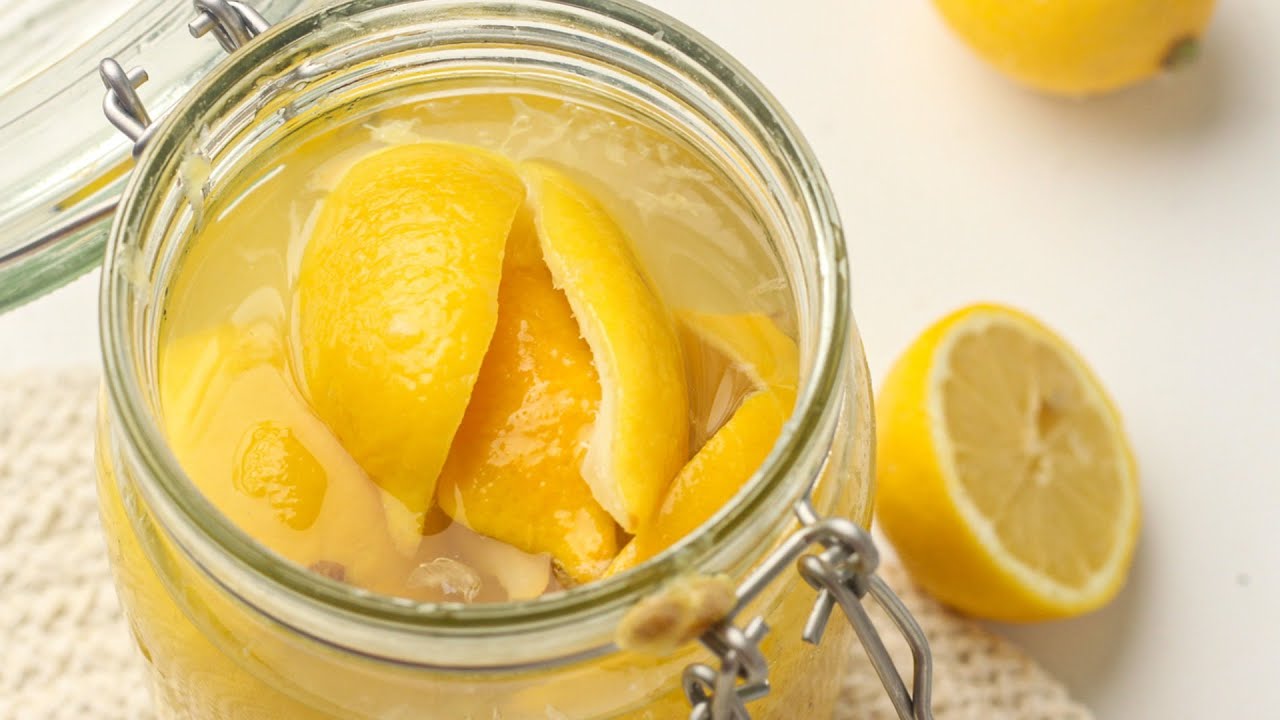
A cured lemon recipe is one of the most effective ways to preserve fresh lemons while creating a bold, deeply aromatic ingredient that transforms everyday cooking. We use cured lemons to add a bright, salty, slightly tangy citrus depth to stews, roasted vegetables, salad dressings, grain bowls, marinades, seafood dishes, and traditional North African recipes. Unlike fresh lemon juice, cured lemons offer a more layered flavor. The rind softens over time, the sharp acidity mellows, and the natural citrus oils develop into something rich, fragrant, and intensely savory.
When we prepare a proper cured lemon recipe, we are not simply storing lemons in salt. We are creating a pantry staple that becomes more flavorful with time. The curing process softens the peel, deepens the aroma, and produces a briny lemon preserve that can elevate both simple and elaborate meals. Once we learn the method, we can make cured lemons at home with very few ingredients and minimal effort.
This guide covers everything needed to prepare a successful batch, including the ingredients, equipment, method, storage, usage ideas, and practical tips for getting perfect results.
What Is a Cured Lemon?
A cured lemon is a fresh lemon preserved with salt and its own juices, sometimes with added spices or extra lemon juice. Over time, the salt draws out moisture, softens the peel, and preserves the fruit. The result is a lemon with a tender rind and an intense savory-citrus flavor.
In many recipes, the peel is the prized part because it carries concentrated flavor and a softer texture after curing. The pulp can also be used in certain dishes, especially when a briny citrus note is desired. A homemade cured lemon recipe offers far more freshness and complexity than store-bought versions, and we can customize it based on taste.
Why This Cured Lemon Recipe Works
This method works because it relies on simple preservation principles. The salt draws liquid from the lemons, creating a natural brine. That brine protects the lemons while slowly transforming their texture and flavor. As the lemons rest, the peel becomes supple and aromatic, making it easier to chop, mince, or blend into dishes.
We also use a tightly packed jar so the lemons remain submerged as they cure. This helps prevent spoilage and ensures even flavor development. The method is reliable, efficient, and ideal for anyone who wants a practical way to preserve extra lemons while adding a gourmet ingredient to the kitchen.
Ingredients You’ll Need
To make a traditional cured lemon recipe, we need only a few ingredients:
- 6 to 8 fresh organic lemons
- 1/2 to 3/4 cup coarse kosher salt
- Fresh lemon juice, as needed
- 1 tablespoon sugar (optional, for balance)
- 1 teaspoon black peppercorns (optional)
- 2 to 3 bay leaves (optional)
- 1 cinnamon stick (optional)
- 1 teaspoon coriander seeds (optional)
The best lemons for this recipe are thin-skinned, fragrant, firm, and unwaxed. Organic lemons are ideal because the peel is a major part of the final product. Since the rind is what we often eat, clean fruit with no wax coating produces the best flavor and texture.
Equipment Needed for the Best Cured Lemon Recipe
Before starting, we need a few basic kitchen tools:
- 1 clean glass jar with a tight-fitting lid
- Sharp knife
- Cutting board
- Small spoon
- Mixing bowl (optional)
- Clean towel or paper towels
A sterilized jar is strongly recommended. We can wash it thoroughly with hot soapy water and dry it completely, or sterilize it with boiling water if preferred. A clean jar helps keep the curing process safe and consistent.
How to Choose the Best Lemons
The quality of the lemons affects the entire recipe. We want lemons that are:
- Bright yellow and heavy for their size
- Firm but not hard
- Fragrant with fresh citrus aroma
- Free from mold, bruises, or deep cuts
- Thin-skinned if possible
Thinner-skinned lemons tend to soften more beautifully during the curing process. If only thick-skinned lemons are available, the recipe will still work, but the curing time may be a bit longer.
Step-by-Step Guide to Making Cured Lemons
Step 1: Wash and Dry the Lemons Thoroughly
Rinse the lemons very well under running water and scrub the skins gently to remove dirt or residue. Since the peel is essential in this cured lemon recipe, clean fruit is critical. Dry each lemon fully with a clean towel.
If the lemons have stem ends that look tough or dry, trim those lightly. Do not remove too much of the fruit.
Step 2: Cut the Lemons Correctly
Place one lemon on a cutting board and slice it lengthwise into quarters, but do not cut all the way through. The lemon should stay attached at one end, opening like a flower. This helps hold the shape while allowing the salt to get deep inside the fruit.
Repeat with all the lemons.
Step 3: Pack Salt Into Each Lemon
Open each lemon slightly and pack coarse salt into the cuts. Be generous. The salt is the main curing agent, so each lemon should be well coated inside.
If using optional spices, we can add a little to the inside or directly into the jar between layers. The spices are not required, but they add subtle warmth and complexity.
Step 4: Press the Lemons Into the Jar
Place the salted lemons into the clean jar one by one. Press them down firmly as we go. This pressure helps release their natural juices. The jar should be tightly packed, leaving as little empty space as possible.
Sprinkle extra salt between layers. Add bay leaves, peppercorns, coriander seeds, or cinnamon stick if using them.
Step 5: Add Fresh Lemon Juice if Needed
Once all the lemons are packed into the jar, check the liquid level. The lemons should eventually sit under brine. If the natural juices do not fully cover them, squeeze extra fresh lemon juice into the jar until the lemons are nearly submerged.
This step is important. A good cured lemon recipe depends on keeping the lemons in a salty acidic environment.
Step 6: Seal the Jar and Let the Lemons Cure
Close the jar tightly and leave it at room temperature for about 2 to 3 days, gently turning or shaking it once a day to help distribute the salt and juice. After that, transfer the jar to the refrigerator.
Let the lemons cure for at least 3 to 4 weeks before using. For the best texture and deepest flavor, many cooks prefer waiting a little longer.
How Long Does It Take to Cure Lemons?
A basic cured lemon recipe needs around three weeks to become usable, but the flavor continues to improve over time. After one month, the rind is usually softer and more aromatic. After several weeks more, the lemons often become even more mellow and complex.
The exact curing time depends on:
- The thickness of the lemon peel
- The amount of salt used
- The temperature during the first few days
- The size of the lemons
Patience gives the best result. The longer the lemons sit in proper brine, the better the final flavor tends to become.
How to Use Cured Lemons in Cooking
Cured lemons are extremely versatile. We can use them in both traditional and modern recipes. The peel is usually the most valuable part. Before using, remove a piece from the jar, rinse it lightly if a less salty flavor is desired, and finely chop it.
Here are some of the best ways to use cured lemons:
Add to Tagines and Stews
Cured lemon is classic in slow-cooked dishes. It adds brightness and depth to chicken, lamb, and vegetable stews.
Mix Into Salad Dressings
Finely chopped cured lemon peel can be whisked into olive oil, garlic, pepper, and herbs for a bold citrus dressing.
Use in Grain Bowls and Rice Dishes
A small amount stirred into couscous, rice, quinoa, or bulgur adds excellent flavor.
Pair With Roasted Vegetables
Cured lemon works beautifully with roasted carrots, potatoes, cauliflower, and green beans.
Blend Into Marinades
We can combine chopped cured lemon with garlic, olive oil, and spices for chicken, fish, or shrimp marinades.
Finish Soups and Sauces
A spoonful of minced cured lemon can wake up lentil soup, tomato sauce, yogurt sauces, and herb-based dips.
Enhance Seafood Recipes
The briny citrus profile pairs well with grilled fish, baked salmon, or sautéed prawns.
Should We Use the Peel or the Pulp?
In most recipes, the peel is the main ingredient. It has the best texture after curing and carries concentrated citrus oils. The pulp is softer, saltier, and more intense. Some cooks discard it, while others mash a little into dressings, sauces, or braises.
For a balanced result, we usually start with the peel and add a small amount of pulp only if the dish needs more boldness.
Storage Tips for Cured Lemons
Proper storage keeps the lemons flavorful and safe to use for months. Keep the jar in the refrigerator after the first few days at room temperature. Always make sure the lemons remain under the brine.
For best storage results:
- Use a clean utensil every time
- Keep the jar tightly sealed
- Ensure lemons stay submerged
- Add more lemon juice if needed
- Discard the batch if mold or off smells appear
A well-made cured lemon recipe can last for several months in the refrigerator when handled properly.
Common Mistakes to Avoid
Even a simple preservation recipe can go wrong if small details are ignored. These are the most common mistakes:
Using Too Little Salt
Salt is essential. Using too little can weaken preservation and reduce flavor development.
Leaving Lemons Above the Brine
Exposed fruit can spoil. Press the lemons down and top off with juice if needed.
Using Dirty Jars or Utensils
Clean equipment matters. Contamination can affect the batch.
Using Waxed or Poor-Quality Lemons
The peel is central to the recipe, so quality fruit makes a major difference.
Trying to Use Them Too Early
The lemons need time. Using them before the rind softens may result in harsh flavor and tough texture.
Flavor Variations for a More Unique Cured Lemon Recipe
Once we master the classic version, we can explore variations:
Spiced Cured Lemons
Add cinnamon, cloves, coriander, and peppercorns for warm, fragrant notes.
Herb-Infused Cured Lemons
Tuck in rosemary, thyme, or bay leaves for a savory herbal profile.
Mildly Sweet Cured Lemons
A small amount of sugar softens the sharpness and adds balance.
Chili Cured Lemons
Add dried chili flakes for a gentle heat that works well in marinades and roasted dishes.
These variations can complement different cuisines while still preserving the core character of the cured lemon recipe.
Serving Ideas for Everyday Meals
Cured lemons do not need to be limited to specialty dishes. We can use them in everyday cooking in practical ways:
- Stir into plain yogurt with herbs for a quick sauce
- Add to scrambled eggs with spinach
- Mix into chickpea salad
- Toss with roasted chicken and onions
- Fold into pasta with olive oil and garlic
- Blend into hummus for a bright savory twist
- Add to avocado toast for a gourmet finish
A small amount goes a long way, so even one batch can enhance many meals.
Why Homemade Cured Lemons Are Better Than Store-Bought
Homemade cured lemons offer better freshness, stronger aroma, and more control over ingredients. We can decide the salt level, the spice profile, and the size of the batch. We also avoid unnecessary preservatives or overly soft commercial textures.
The biggest advantage is flavor. A homemade cured lemon recipe captures the clean, vibrant character of real lemons while allowing the natural curing process to create depth. That freshness is difficult to match in mass-produced jars.
FAQs about Cured Lemon Recipe
1. What is cured lemon?
Cured lemon, often called preserved lemon, is lemon that has been packed with salt and left to soften over time. It develops a deep, tangy, and slightly salty flavor.
2. How is cured lemon different from fresh lemon?
Fresh lemon tastes bright and sharp, while cured lemon has a softer texture and a more complex flavor. The curing process reduces some bitterness and adds a rich, savory note.
3. What ingredients are needed to make cured lemon?
The main ingredients are lemons and salt. Some recipes also add lemon juice, bay leaves, peppercorns, or other spices for extra flavor.
4. How long does cured lemon take to make?
It usually takes about 2 to 4 weeks to cure properly. During this time, the lemons soften and absorb the salt.
5. How do we use cured lemon in cooking?
Cured lemon is often chopped and added to salads, dressings, grain dishes, roasted vegetables, chicken, fish, or stews. A little goes a long way.
6. Do we eat the whole lemon?
Most recipes use the peel because it holds the strongest flavor and becomes tender after curing. The inside pulp can also be used, depending on the recipe.
7. How should cured lemon be stored?
It should be kept in a clean jar in the refrigerator. Make sure the lemons stay covered in their juices to help preserve them.
8. How long does cured lemon last?
When stored properly in the refrigerator, cured lemon can last for several months. Always use a clean utensil when taking some out.
Final Thoughts
A reliable cured lemon recipe belongs in every kitchen that values bold, practical, flavor-building ingredients. With only lemons, salt, and a little patience, we can create a preserved citrus staple that brings brightness, depth, and character to countless dishes. The process is simple, the ingredients are minimal, and the reward is substantial.
Once the lemons are fully cured, we have an ingredient that can instantly elevate dressings, tagines, vegetables, grains, seafood, chicken, and sauces. The tender peel, fragrant oils, and savory brine make cured lemons one of the most useful and rewarding homemade preserves. By following the steps carefully, packing the jar properly, and allowing enough time for curing, we can achieve rich, aromatic results every time.