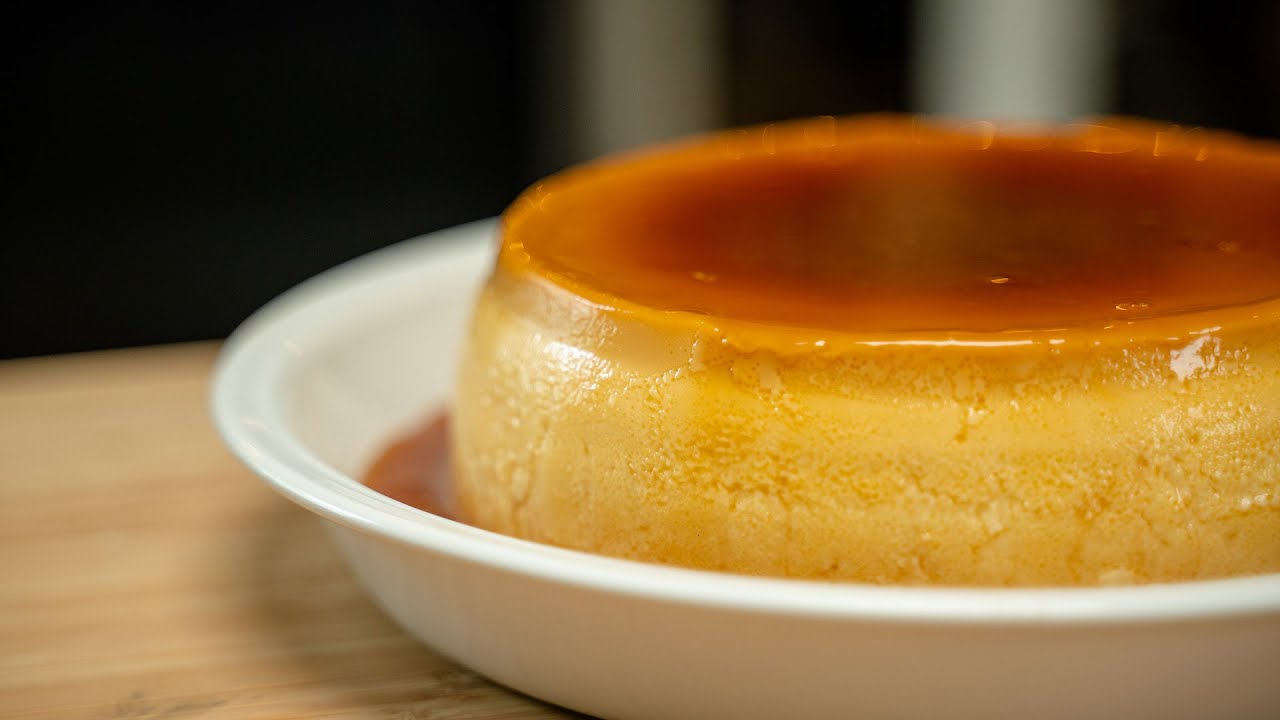
Cuban Flan Recipe: Cuban flan is one of the most loved desserts in Latin kitchens because it turns a few basic ingredients into something deeply elegant, rich, and memorable. It is known for its silky custard texture, its deep amber caramel, and its clean, comforting flavor built from eggs, milk, sugar, and vanilla. Unlike overly dense baked puddings, a well-made Cuban flan is smooth, delicate, and glossy, with a texture that gently holds its shape while melting on the tongue.
What sets this dessert apart is its balance. The custard is creamy without being heavy. The caramel is sweet but carries a slightly bitter edge that keeps the dessert refined. Every slice delivers contrast: soft custard, liquid caramel sauce, and a chilled finish that makes it especially satisfying after a full meal.
A proper Cuban flan recipe does not need complicated ingredients or advanced pastry skills. What it does need is attention to detail. The caramel must be cooked to the right color. The custard must be mixed smoothly without too much foam. The baking process must be gentle enough to keep the flan from turning rubbery. When these simple steps are followed carefully, the result is a bakery-quality dessert that looks impressive and tastes even better.
Ingredients You’ll Need for Cuban Flan
To prepare a classic Cuban flan recipe, we need only a short list of pantry staples. Each ingredient has a specific role in building the dessert’s flavor and texture.
For the Caramel
- 1 cup granulated sugar
- 2 to 3 tablespoons water
The caramel forms the glossy topping and sauce once the flan is inverted. It should be deep golden, never burnt black.
For the Custard
- 1 can sweetened condensed milk
- 1 can evaporated milk
- 4 large eggs
- 1 tablespoon vanilla extract
- A pinch of salt
This combination creates the classic Cuban flan structure: rich, creamy, smooth, and lightly sweet with a warm vanilla finish.
Choosing the Best Ingredients for Better Flavor
A truly excellent Cuban flan recipe starts with quality ingredients. Since the ingredient list is short, every element matters. Fresh eggs help the custard set properly and create a clean, rich taste. Good vanilla extract adds warmth and rounds out the sweetness. Sweetened condensed milk gives the flan its signature richness, while evaporated milk keeps the texture silky rather than overly thick.
The sugar for the caramel should be plain white granulated sugar. It melts evenly and produces a clean caramel flavor. Avoid dark sugars for this recipe because they can overpower the delicate custard.
If a more fragrant finish is desired, a little citrus zest can be added, but the traditional version keeps the flavor simple and pure.
Kitchen Tools Needed for a Smooth Flan Process
The recipe becomes much easier when the right tools are ready before starting. We will need:
- A flan mold, round cake pan, or deep baking dish
- A saucepan for the caramel
- A blender or large mixing bowl
- A larger roasting pan for the water bath
- Foil
- A fine sieve, optional but helpful for extra smooth custard
- A thin knife for loosening the flan after chilling
The most important tool is the water bath, also called a bain-marie. This gentle baking method protects the custard from curdling and helps create the classic creamy texture.
How to Make the Caramel for Cuban Flan
The caramel is the first step, and it should be done carefully. Add the 1 cup of sugar and 2 to 3 tablespoons of water to a saucepan over medium heat. Let the sugar dissolve and cook without aggressive stirring. Swirling the pan gently is enough. As the syrup heats, it will begin to bubble and change color.
Watch it closely. The goal is a deep amber caramel. If it stays too pale, the flavor will be flat. If it gets too dark, it will become bitter. Once the right color appears, immediately pour the caramel into the flan mold or baking pan. Tilt the pan quickly so the caramel coats the bottom evenly before it hardens.
This step must move fast because caramel sets within seconds. Once hardened, set the mold aside while preparing the custard.
How to Prepare the Custard Mixture
In a blender or large bowl, combine:
- 1 can sweetened condensed milk
- 1 can evaporated milk
- 4 eggs
- 1 tablespoon vanilla extract
- A pinch of salt
Blend or whisk until smooth. The mixture should be fully combined but not overly foamy. Too much air can create bubbles in the finished flan, which affects the smooth texture. For an even silkier result, strain the mixture through a fine sieve before pouring it over the hardened caramel.
Once strained, pour the custard gently into the caramel-lined mold.
Step-by-Step Guide to Baking Cuban Flan
Step 1: Preheat the Oven
Preheat the oven to 350°F (175°C). A fully heated oven helps the custard bake evenly from the start.
Step 2: Prepare the Water Bath
Place the filled flan mold inside a larger roasting pan. Pour hot water into the roasting pan until it reaches about halfway up the sides of the flan mold. This water bath keeps the heat gentle and prevents harsh baking.
Step 3: Cover the Flan
Cover the flan mold loosely with foil. This helps protect the top from over-browning and keeps the custard soft.
Step 4: Bake Gently
Bake for 50 to 70 minutes, depending on the size and depth of the mold. The flan is done when the edges are set and the center still has a slight jiggle. It should not look liquid, but it should not be stiff either.
Step 5: Remove and Cool
Carefully remove the flan mold from the water bath and let it cool at room temperature. Do not unmold it yet.
Step 6: Chill Thoroughly
Refrigerate for at least 4 hours, though overnight is even better. Chilling allows the custard to firm up and the caramel to loosen into a sauce.
How to Unmold Cuban Flan Perfectly
To unmold the flan, run a thin knife gently around the edges of the mold. Place a serving plate with a rim over the top of the mold, then flip it quickly and confidently. Let the flan settle so the caramel can flow over the custard.
A properly chilled flan should release cleanly. The caramel sauce will spread across the plate and coat the top in a glossy layer. This is one of the defining features of a successful Cuban flan recipe.
Texture Tips for a Creamy, Silky Cuban Flan
The finest flan should never be grainy, rubbery, or full of air holes. The texture must be smooth, creamy, and delicate. To achieve that result every time, a few key habits matter:
- Cook the caramel only to a rich amber color
- Mix the custard gently
- Strain the mixture before baking
- Always use a water bath
- Avoid overbaking
- Chill completely before serving
Overbaking is one of the biggest mistakes. A flan that bakes too long becomes dense and eggy. The center should still move slightly when removed from the oven because it will continue setting as it cools.
Common Mistakes to Avoid When Making Cuban Flan
Even a simple dessert can go wrong if the details are ignored. These are the most common issues and how to avoid them.
Burnt Caramel
If the sugar becomes too dark, the flavor turns bitter. Remove it from the heat as soon as it reaches amber.
Rubbery Custard
This usually comes from too much heat or too much baking time. Bake gently and stop when the center is softly set.
Too Many Bubbles
Over-blending or whisking too aggressively creates air bubbles. Mix only until smooth.
Flan That Will Not Release
This often happens when the flan has not chilled long enough. A longer chill helps the caramel liquefy and release the dessert more easily.
Watery Texture
Too much movement in the oven or underbaking can cause a loose result. The custard must be set around the edges before cooling.
Serving Ideas for Cuban Flan
A classic Cuban flan recipe is usually served cold and plain because the flavor is already complete. Still, presentation can elevate it further. Serve each slice with a spoonful of extra caramel sauce from the plate. A few fresh berries, a light touch of orange zest, or a small dollop of whipped cream can add contrast without distracting from the dessert itself.
For a more traditional table, flan pairs beautifully with:
- Strong coffee
- Espresso
- After-dinner tea
- Fresh fruit on the side
Because it is chilled, flan is an especially good dessert for warm days or heavy meals.
How to Store Cuban Flan Properly
One reason this dessert is so practical is that it stores very well. Keep the flan covered in the refrigerator for up to 4 days. In fact, many people find the texture even better the next day because the custard fully settles and the caramel becomes more fluid.
Store it in the same mold if possible, then unmold just before serving. This keeps the surface protected and preserves the caramel sauce.
Freezing is not ideal for traditional flan because the texture can change after thawing. Refrigeration is the better option.
Why This Cuban Flan Recipe Works So Well
This recipe works because it respects the dessert’s essentials. The caramel brings depth. The condensed and evaporated milks create richness without heaviness. The eggs set the custard into a soft, elegant structure. The water bath ensures even cooking. The long chill finishes the texture and unlocks the sauce.
Nothing is excessive. Nothing is complicated. The result is a dessert that feels both humble and luxurious. That is exactly why Cuban flan remains a timeless favorite across generations.
FAQs about Cuban Flan Recipe
1. What is Cuban flan?
Cuban flan is a smooth, creamy caramel custard dessert made with eggs, milk, and sugar. It is rich, silky, and topped with a golden caramel sauce.
2. What makes Cuban flan different from other flans?
Cuban flan is often richer because it commonly uses sweetened condensed milk and evaporated milk. This gives it a dense, creamy texture and a sweeter flavor.
3. Why did my flan have bubbles or holes?
This usually happens when the flan cooks at too high a temperature or is overmixed. Baking it gently in a water bath helps create a smoother texture.
4. How do we know when Cuban flan is done?
The edges should look set, while the center should still jiggle slightly. It will continue to firm up as it cools and chills.
5. What is the purpose of the caramel layer?
The caramel adds sweetness, color, and a glossy sauce that covers the flan when it is turned out onto a plate.
6. How long should flan chill before serving?
It should chill for at least 4 hours, but overnight is even better. This helps the flan fully set and improves the flavor.
7. Can Cuban flan be made ahead of time?
Yes, it is an excellent make-ahead dessert. In fact, it often tastes better the next day after it has chilled well.
8. How do we store leftover flan?
Store leftover flan covered in the refrigerator for up to 3 days. Keep it chilled until ready to serve.
Final Thoughts
A well-executed Cuban flan recipe delivers everything a classic dessert should offer: simple ingredients, refined flavor, beautiful presentation, and reliable results. It is the kind of recipe that proves technique matters more than complexity. When the caramel is balanced, the custard is smooth, and the baking is gentle, the final dessert feels polished, rich, and memorable.
Whether served for a family dinner, a holiday table, or a special gathering, Cuban flan always earns attention. It slices cleanly, shines beautifully, and offers a creamy finish that few desserts can match. With the right method and a little patience, this is a recipe worth making again and again.