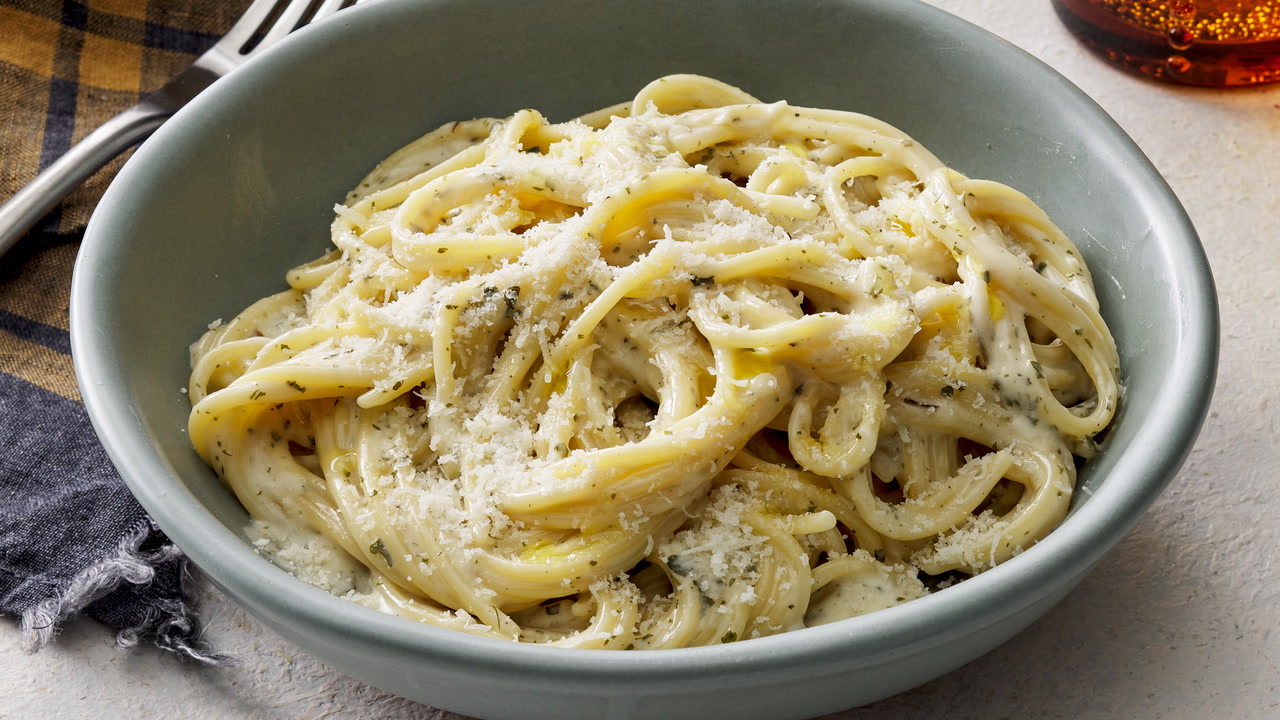
Creamy Spaghetti Recipe: Creamy spaghetti is one of those comforting meals we can rely on when we want something rich, satisfying, and full of flavor without making dinner feel complicated. It combines tender spaghetti, a smooth and velvety sauce, and a balanced mix of seasoning that turns simple pantry staples into a meal that feels special. Whether we are cooking for family, guests, or simply preparing a cozy plate for ourselves, this recipe delivers a restaurant-style result with practical ingredients and a straightforward method.
What makes this dish stand out is the texture. A good creamy spaghetti recipe should coat every strand of pasta evenly without becoming too heavy or too watery. The sauce should cling gently to the spaghetti, carrying the flavor of butter, garlic, cream, cheese, and seasoning in every bite. When prepared properly, creamy spaghetti becomes a dependable meal for lunch, dinner, or even a quick weekend treat.
Ingredients You’ll Need for Creamy Spaghetti
To make a flavorful and smooth creamy spaghetti recipe, we need ingredients that build taste in layers. Each one contributes to the final texture and richness of the dish.
Main Ingredients
- 250g spaghetti
- 2 tablespoons butter
- 1 tablespoon olive oil
- 4 cloves garlic, minced
- 1 medium onion, finely chopped
- 1 cup heavy cream
- 1 cup milk
- 1 cup grated Parmesan cheese
- 1 tablespoon all-purpose flour
- 1 teaspoon black pepper
- 1 teaspoon salt or to taste
- 1/2 teaspoon paprika
- 1/2 teaspoon dried oregano
- 1/2 teaspoon chili flakes (optional)
- Fresh parsley, chopped
- Water for boiling pasta
Optional Add-Ins
- Cooked shredded chicken
- Sautéed mushrooms
- Cooked sausages
- Shrimp
- Spinach
- Bell peppers
These optional ingredients allow us to customize the creamy spaghetti recipe based on what we have available. The base remains delicious on its own, but protein and vegetables can make it even more complete.
Why This Creamy Spaghetti Recipe Works So Well
A reliable creamy spaghetti recipe depends on balance. The pasta must be cooked to the right firmness, the sauce must be smooth, and the seasoning must enhance the cream instead of overpowering it. This method works well because it starts with aromatic ingredients, builds a light roux for body, then combines milk, cream, and cheese to create a silky sauce.
The garlic and onion form a flavorful foundation. The butter adds richness, while the olive oil helps prevent the butter from browning too quickly. The flour thickens the liquid just enough to keep the sauce from separating. Then the Parmesan deepens the flavor and gives the sauce a savory finish that makes the entire dish taste fuller and more refined.
How to Prepare the Spaghetti Properly
Before we make the sauce, we need to cook the spaghetti correctly. This step matters because overcooked pasta can turn soft and weak once it is mixed into the creamy sauce.
Bring a large pot of water to a boil. Add a generous amount of salt. The water should taste slightly seasoned because this is our first chance to flavor the spaghetti itself. Add the spaghetti and cook according to the package instructions until it reaches al dente texture. That means the pasta should be tender but still slightly firm when bitten.
Once cooked, reserve about 1 cup of pasta water, then drain the spaghetti. Do not rinse it. Rinsing removes the surface starch that helps the creamy sauce cling to the pasta. Set the drained spaghetti aside while we move on to the sauce.
Step-by-Step Guide to Making Creamy Spaghetti
Step 1: Sauté the Aromatics
Place a large pan over medium heat. Add the butter and olive oil. Once the butter melts, add the chopped onion and cook for about 2 to 3 minutes until it softens. Add the minced garlic and stir for another 30 seconds to 1 minute. The aroma should become rich and fragrant, but the garlic should not burn.
This stage creates the flavor base for the creamy spaghetti recipe. When the onion turns translucent and the garlic smells warm and savory, we know the pan is ready for the next step.
Step 2: Build the Sauce Base
Sprinkle the flour into the pan and stir continuously for about 1 minute. This forms a light roux and helps the sauce develop a thicker, creamier consistency later. The mixture should look smooth and slightly pasty.
Gradually pour in the milk while stirring to prevent lumps. After that, add the heavy cream and continue stirring. The sauce will begin to loosen, then slowly thicken as it heats. Keep the flame on medium to low heat so the dairy does not scorch.
Step 3: Add Seasoning and Cheese
Add the salt, black pepper, paprika, oregano, and chili flakes if using. Stir everything together. Then add the grated Parmesan cheese and mix until it melts fully into the sauce.
At this point, the creamy spaghetti sauce should look glossy and smooth. If it feels too thick, add a small splash of the reserved pasta water. If it looks too thin, let it simmer gently for another minute or two. The goal is a sauce that is rich enough to coat the back of a spoon.
Step 4: Combine the Spaghetti with the Sauce
Add the cooked spaghetti to the pan. Using tongs or a large spoon, toss the spaghetti gently until every strand is coated in the creamy sauce. This is the point where the dish comes together visually and in flavor.
If we are adding cooked chicken, mushrooms, shrimp, or spinach, this is the best time to fold them in. Allow everything to heat through for 1 to 2 minutes. The pasta should absorb some of the sauce while still remaining glossy and moist.
Step 5: Finish and Serve
Turn off the heat and sprinkle chopped fresh parsley over the spaghetti. Serve immediately while the sauce is hot and silky. For an even richer finish, add extra Parmesan on top and a light dusting of black pepper.
A properly finished creamy spaghetti recipe should feel smooth, flavorful, and satisfying without becoming sticky or clumpy. Serve it fresh for the best result.
Best Tips for the Perfect Creamy Spaghetti Recipe
Getting the best result depends on a few practical details that improve the dish from good to excellent.
Use freshly grated cheese
Fresh Parmesan melts better than pre-packaged grated cheese. It gives the sauce a smoother finish and a deeper flavor.
Do not overcook the pasta
Spaghetti continues to soften slightly after mixing with the sauce. That is why al dente pasta works best.
Keep the sauce on low heat
Cream-based sauces can split when overheated. Gentle heat keeps the texture smooth and stable.
Reserve pasta water
The starchy water helps loosen the sauce without weakening its flavor. It also helps the sauce cling to the pasta.
Season in layers
Salt the pasta water, season the sauce carefully, and taste before serving. This creates a fuller and more balanced dish.
Tasty Variations of Creamy Spaghetti
One reason this creamy spaghetti recipe is so useful is that it can easily be adapted. We can change the flavor direction based on preference, budget, or available ingredients.
Creamy Chicken Spaghetti
Add shredded or diced cooked chicken for a heartier version. This is perfect for a filling family dinner.
Creamy Shrimp Spaghetti
Sauté shrimp separately with garlic, butter, and pepper, then stir them into the finished pasta. This variation feels elegant and rich.
Creamy Vegetable Spaghetti
Add mushrooms, spinach, sweet corn, or bell peppers for more texture and color. This gives the dish a fresher and lighter profile.
Spicy Creamy Spaghetti
Increase the chili flakes and add a little cayenne pepper for heat. This version works well for anyone who enjoys bold flavor.
What to Serve with Creamy Spaghetti
Creamy spaghetti is satisfying on its own, but the right side dishes can complete the meal beautifully. A crisp green salad adds freshness and contrast. Garlic bread pairs especially well because it complements the creamy and cheesy flavor of the pasta. Roasted vegetables also work nicely if we want a more balanced dinner plate.
For drinks, chilled juice, sparkling water, or a light homemade lemonade can keep the meal refreshing without taking attention away from the main dish.
How to Store and Reheat Creamy Spaghetti
If we have leftovers, creamy spaghetti can be stored in an airtight container in the refrigerator for up to 2 days. Because cream sauces thicken as they cool, reheating should be done gently.
Place the spaghetti in a pan over low heat and add a splash of milk or water. Stir slowly until the sauce loosens and becomes creamy again. Avoid reheating over high heat because that can make the sauce separate or dry out.
FAQs about Creamy Spaghetti Recipe
1. What is creamy spaghetti?
Creamy spaghetti is a pasta dish made with spaghetti noodles and a rich, smooth sauce. The sauce may include cream, milk, cheese, butter, or a combination of these ingredients.
2. Can I use regular spaghetti for this recipe?
Yes. Regular spaghetti is the classic choice, but you can also use linguine, fettuccine, or even gluten-free pasta if needed.
3. What makes spaghetti creamy?
Creaminess usually comes from heavy cream, milk, cream cheese, Parmesan, or butter. Some recipes also use pasta water to help the sauce coat the noodles smoothly.
4. Can I add meat to creamy spaghetti?
Yes. Chicken, ground beef, sausage, bacon, or shrimp all work well and make the dish more filling.
5. What vegetables go well with creamy spaghetti?
Popular choices include mushrooms, spinach, broccoli, peas, tomatoes, and onions. These add color, texture, and extra flavor.
6. Why is my creamy spaghetti sauce too thick?
The sauce may have cooked too long or had too much cheese. Add a little milk, cream, or pasta water to loosen it until it reaches the texture you want.
7. Can I make creamy spaghetti ahead of time?
Yes, but it is usually best served fresh. If making it ahead, reheat it gently and add a splash of liquid to bring back the creamy texture.
8. How should I store leftovers?
Store leftovers in an airtight container in the refrigerator for up to 3 days. Reheat slowly on the stove or in the microwave, stirring well.
Final Thoughts
This creamy spaghetti recipe is a dependable choice when we want a meal that is simple to prepare yet rich in taste and texture. The combination of tender spaghetti, buttery aromatics, smooth cream, and melted cheese creates a dish that feels comforting and impressive at the same time. It is easy enough for a regular weekday meal, yet satisfying enough to serve when we want something a little more special.
With the right ingredients, careful heat control, and a well-balanced sauce, creamy spaghetti becomes more than just pasta. It becomes a flavorful, creamy, and memorable meal we can return to again and again.