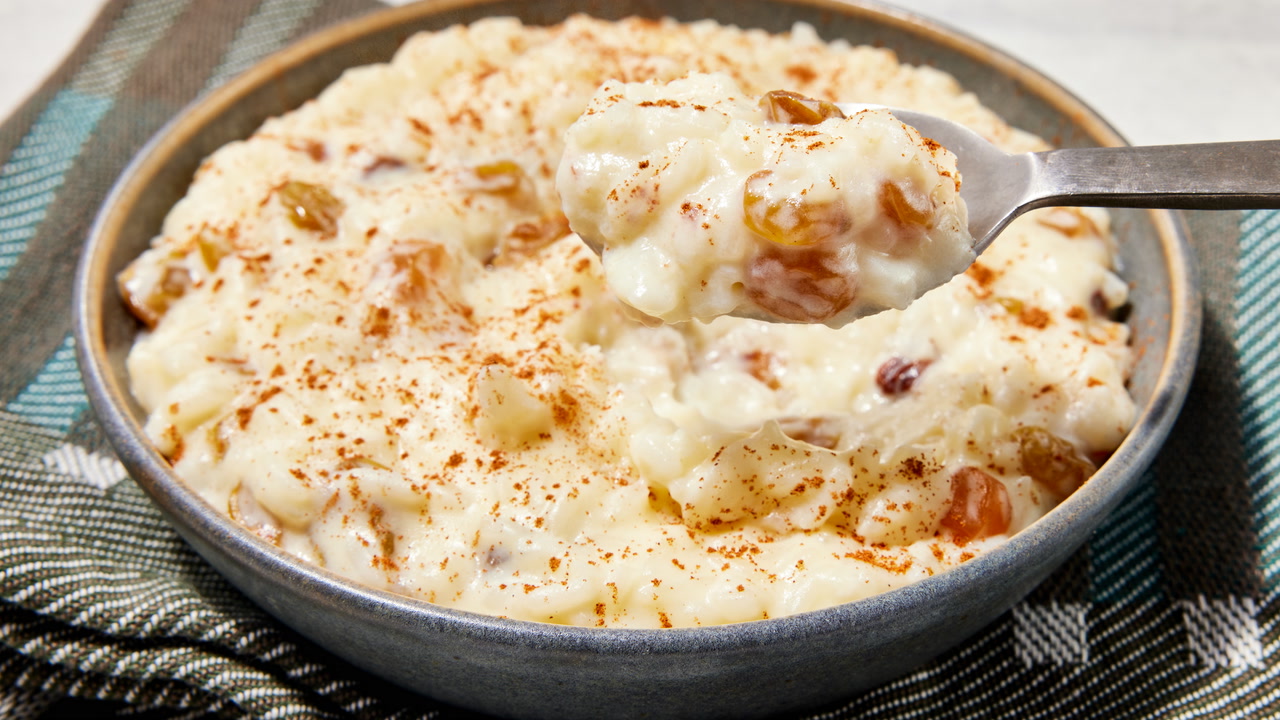
Creamy rice pudding recipe lovers know that a truly satisfying bowl should be rich, smooth, fragrant, and perfectly comforting. We do not need complicated steps or rare ingredients to create that result. We only need the right rice, the proper liquid ratio, gentle heat, and enough patience to let the pudding develop its signature creamy texture. This classic dessert remains one of the most dependable homemade treats because it is simple, affordable, and deeply comforting.
We can serve it warm on a cool evening, chilled on a hot afternoon, or dressed up for guests with cinnamon, raisins, or fresh fruit. It fits nearly any occasion. Better still, it transforms basic pantry staples into a dessert that tastes elegant and homemade at the same time. When made correctly, every spoonful is soft, velvety, and delicately sweet.
In this detailed guide, we will walk through the full process of making the best creamy rice pudding recipe from scratch. We will cover the ingredients, preparation tips, cooking method, flavor variations, common mistakes, serving ideas, and storage instructions so we can get perfect results every time.
Ingredients You’ll Need for Creamy Rice Pudding Recipe
To make a rich and comforting pudding, we need simple ingredients that work together beautifully. Each one plays a role in building texture, flavor, and consistency.
Main Ingredients
- 1 cup short-grain or medium-grain white rice
- 2 cups water
- 4 cups whole milk
- 1 cup heavy cream
- 3/4 cup granulated sugar
- 1/4 teaspoon salt
- 2 large egg yolks
- 2 teaspoons vanilla extract
- 1 teaspoon ground cinnamon
- 1 tablespoon unsalted butter
Optional Add-Ins
- 1/2 cup raisins
- Nutmeg for garnish
- Lemon zest
- Orange zest
- Chopped nuts
- Whipped cream
- Fresh berries
Short-grain rice is ideal because it releases more starch during cooking. That starch helps create the luscious texture that defines a proper creamy rice pudding recipe. Whole milk gives body, while heavy cream deepens the richness. The egg yolks add silkiness and help thicken the pudding without making it heavy.
How to Choose the Best Rice for Rice Pudding
The rice matters more than many people think. If we want a pudding that feels naturally creamy instead of watery, the type of rice should be our first consideration.
Short-grain rice is usually the best option because it cooks soft and releases plenty of starch. Medium-grain rice also works very well. Arborio rice can create an even richer texture because of its high starch content, though it may produce a slightly thicker pudding. Long-grain rice can be used, but the result is often lighter and less creamy.
We should avoid rice that stays too firm after cooking unless we prefer a more textured dessert. The goal is not fluffy, separate grains. The goal is tender rice suspended in a thick, silky custard-like base.
Why This Creamy Rice Pudding Recipe Works So Well
This method works because it builds flavor and texture in stages. First, we partially cook the rice in water. That gives the grains a head start and prevents the milk from scorching too early. Then we simmer the rice slowly in milk and cream, which allows the grains to soften fully and release starch into the liquid.
Sugar sweetens the pudding without overpowering it. Egg yolks enrich the mixture and bring a smooth finish. Vanilla adds warmth, and cinnamon introduces a cozy aroma that makes the dessert smell as inviting as it tastes.
The slow simmer is the real secret. High heat can break the texture, burn the milk, or leave the rice unevenly cooked. Gentle heat gives us control and helps produce the thick, luxurious consistency that defines the best creamy rice pudding recipe.
Step-by-Step Guide to Make Creamy Rice Pudding Recipe
Step 1: Rinse and Prepare the Rice
Place the rice in a bowl and rinse it lightly under cool water. We do not need to wash away all the starch. We only want to remove excess surface residue. Too much rinsing can reduce the creaminess, so a quick rinse is enough.
Step 2: Cook the Rice in Water
Add the rice and water to a medium saucepan. Bring it to a gentle boil over medium heat. Reduce the heat to low, cover, and simmer until most of the water is absorbed. This usually takes about 10 minutes. The rice should be partially cooked, not fully done.
Step 3: Add Milk, Cream, Sugar, and Salt
Pour in the whole milk and heavy cream. Add the sugar and salt, then stir well. Bring the mixture to a gentle simmer over low to medium-low heat. Stir frequently so the milk does not catch on the bottom of the pan.
Step 4: Simmer Slowly Until Thickened
Let the mixture cook uncovered for about 25 to 35 minutes. Stir every few minutes, especially near the end. The rice will continue to soften, and the liquid will gradually thicken. The pudding should look loose but creamy at this stage because it will thicken more as it cools.
Step 5: Temper the Egg Yolks
In a small bowl, whisk the egg yolks. Scoop a few tablespoons of the hot milk mixture into the yolks while whisking constantly. This step warms the yolks gently and prevents scrambling. Add another spoonful or two, then pour the tempered yolks back into the saucepan.
Step 6: Finish the Pudding
Cook for another 2 to 4 minutes on low heat, stirring continuously. Do not boil after adding the yolks. Stir in the vanilla extract, butter, and cinnamon. At this point, we can also fold in raisins if using them.
Step 7: Rest Before Serving
Remove the pudding from the heat and let it sit for 5 to 10 minutes. This short rest helps the texture settle. Serve warm for maximum comfort, or chill for a thicker dessert.
Tips for the Creamiest Rice Pudding Texture
A memorable creamy rice pudding recipe depends on technique as much as ingredients. A few simple habits make a major difference.
First, stir regularly but not aggressively. Too little stirring can lead to scorching, while too much vigorous stirring can break the grains excessively. Steady, gentle stirring is best.
Second, keep the heat low. Rice pudding rewards patience. If the heat is too high, the milk can burn and the pudding may become grainy. A low simmer encourages even cooking and allows the starch to build body naturally.
Third, remember that rice pudding thickens as it cools. If it looks slightly loose in the pot, that is often perfect. If we cook it until it seems extremely thick on the stove, it may become too dense later.
Finally, use full-fat dairy for the richest result. Lower-fat milk works, but the pudding will not feel as luxurious.
Common Mistakes to Avoid When Making Rice Pudding
Many homemade puddings fail for predictable reasons. Avoiding these mistakes helps us keep the dessert smooth and balanced.
One common mistake is using the wrong rice. Long-grain rice can work, but it usually does not provide the same creamy finish. Another mistake is rushing the simmer. Rice needs time to soften fully and release starch into the milk.
Adding egg yolks directly to the hot pot without tempering is another error. That can create small cooked egg bits instead of a silky pudding. Overcooking is also a problem. Once the mixture is thick and creamy, it is ready. If we push it too far, it may set too firmly after cooling.
Too much sugar can flatten the dairy flavor. This dessert should be sweet, but not cloying. Balanced sweetness lets the vanilla, cinnamon, and cream stand out.
Delicious Variations of Creamy Rice Pudding Recipe
This dessert is wonderfully flexible. Once we master the base, we can adapt it in many ways.
For a warmer flavor, add extra cinnamon and a pinch of nutmeg. For a brighter finish, stir in lemon or orange zest. For a fruitier version, top the pudding with berries, sliced bananas, or stewed apples.
A raisin version remains classic. We can soak the raisins in warm water first so they become plump and tender. Some cooks prefer adding coconut milk for a tropical note. Others like a caramel version with brown sugar instead of white sugar.
We can also make it more elegant by serving it in small glasses topped with whipped cream and a cinnamon dusting. That simple presentation turns a humble dessert into something dinner-party worthy.
Serving Ideas for Rice Pudding
Rice pudding can be served in several appealing ways, depending on the mood and occasion.
Serve it warm in a bowl for a classic comfort dessert. Add a sprinkle of cinnamon or nutmeg on top. For a chilled version, spoon it into ramekins and refrigerate until set. Top with fruit, toasted nuts, or a little extra cream before serving.
This dessert also pairs beautifully with:
- Fresh strawberries
- Caramel drizzle
- Toasted almonds
- Golden raisins
- Honey
- Crushed biscuits
Because the texture is soft and rich, it works well as both a casual family dessert and a refined make-ahead treat for guests.
How to Store and Reheat Creamy Rice Pudding
Leftover pudding stores very well. Let it cool completely, then transfer it to an airtight container. Keep it in the refrigerator for up to 4 days. The pudding will thicken as it chills, which is normal.
To reheat, place a portion in a saucepan or microwave-safe bowl. Add a splash of milk and stir gently as it warms. The extra milk helps loosen the pudding and restore its creamy consistency. Heat only until warm. Overheating can make it too thick.
If we prefer it cold, we can serve it straight from the refrigerator. Some people even find chilled rice pudding more flavorful because the vanilla and cinnamon become more noticeable after resting.
Why This Dessert Remains a Timeless Favorite
A well-made creamy rice pudding recipe never feels outdated. It is one of those desserts that continues to win people over because it combines comfort, simplicity, and rich flavor in every spoonful. It uses familiar ingredients, yet the result feels far more special than the sum of its parts.
The beauty of rice pudding lies in its balance. It is sweet but gentle. It is rich but not overwhelming. It is easy enough for a weekday dessert, yet elegant enough for a special table. Once we learn the proper method, it becomes one of the most reliable homemade desserts we can make.
FAQs about Creamy Rice Pudding Recipe
1. What type of rice is best for creamy rice pudding?
Short-grain or medium-grain rice is usually best because it releases more starch and creates a creamier texture. Arborio rice also works well for an extra rich result.
2. Can I use leftover cooked rice?
Yes. Leftover cooked rice can be used for a quicker version, though the texture may be a little different from pudding made by slowly cooking raw rice in milk.
3. What makes rice pudding creamy?
The creaminess comes from milk, cream, and the starch released from the rice as it cooks. Some recipes also use eggs or condensed milk for a richer texture.
4. Why is my rice pudding too thick?
Rice pudding thickens as it cools, so it may just need a little more milk or cream stirred in. It can also become too thick if it cooks too long.
5. Can I flavor creamy rice pudding?
Yes. Common flavors include vanilla, cinnamon, nutmeg, cardamom, lemon zest, or raisins. These additions give it extra warmth and sweetness.
6. Can I serve rice pudding warm or cold?
Yes. Creamy rice pudding can be enjoyed warm, chilled, or at room temperature, depending on your preference.
7. Can I make it dairy-free?
Yes. You can use coconut milk, almond milk, oat milk, or another non-dairy milk, though the texture and flavor may change slightly.
8. How should I store leftovers?
Store leftover rice pudding in an airtight container in the refrigerator for up to 3 to 4 days. Stir before serving and add a little milk if needed to loosen it.
Conclusion
This creamy rice pudding recipe delivers everything we want in a classic dessert: tender rice, velvety texture, warm vanilla notes, delicate sweetness, and a deeply comforting finish. With the right rice, full-fat dairy, slow simmering, and careful stirring, we can create a pudding that tastes homemade in the best possible way.
Whether we serve it warm with cinnamon, chilled with fruit, or dressed up with raisins and cream, this dessert proves that simple ingredients can create something truly satisfying. Make it once with care, and it quickly becomes a recipe worth returning to again and again.