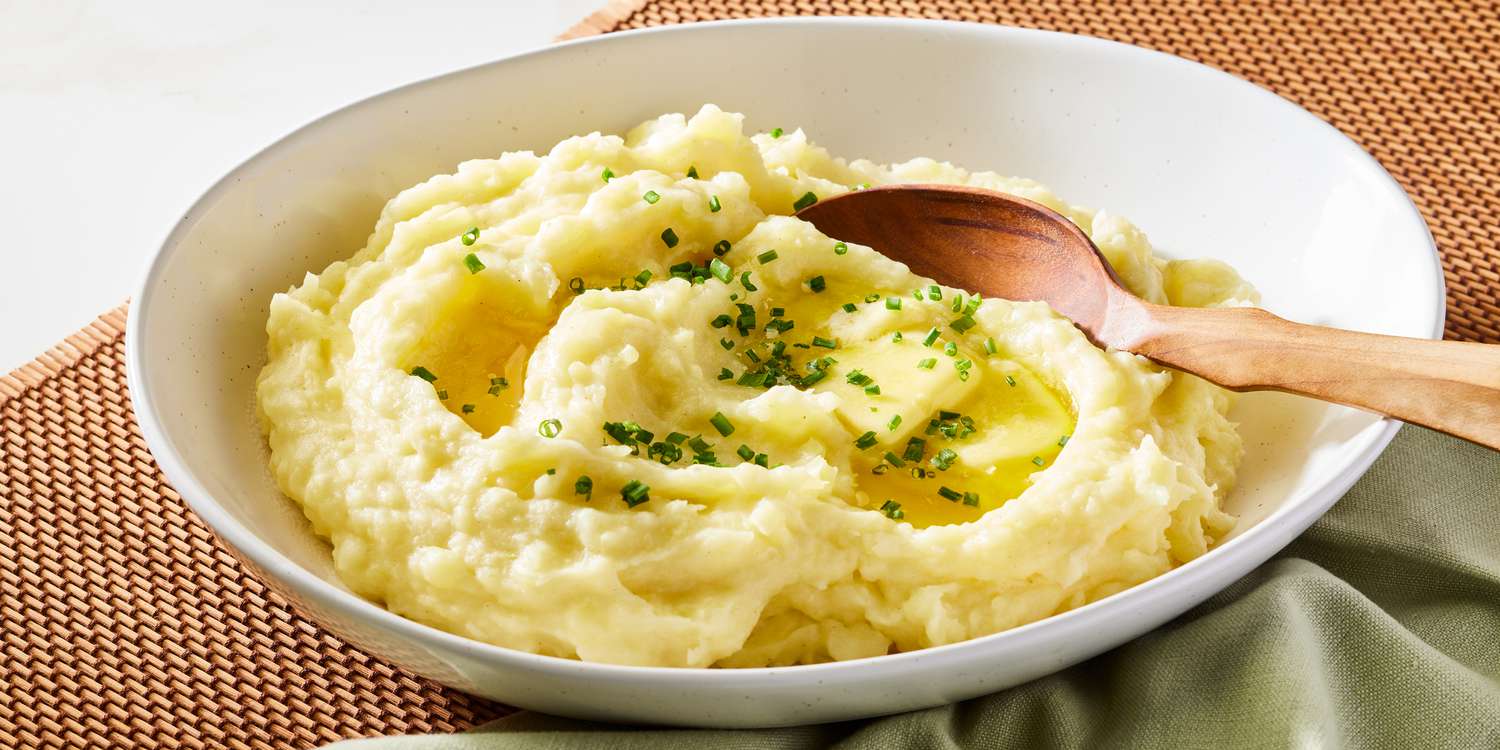
Creamy Mashed Potato Recipe: Few side dishes are as comforting, versatile, and crowd-pleasing as creamy mashed potatoes. Whether we are preparing a cozy family dinner, a festive holiday spread, or a hearty weekend meal, this classic recipe earns a place on the table every time. The beauty of a well-made creamy mashed potato recipe lies in its texture. It should be smooth, rich, buttery, and fluffy without becoming gummy or heavy. When done right, every spoonful feels luxurious, warm, and deeply satisfying.
In this guide, we will prepare perfect creamy mashed potatoes from scratch using simple ingredients and a reliable step-by-step method. We will focus on flavor, texture, and technique so the final dish tastes restaurant-quality while still feeling easy enough for home cooking. With the right potatoes, the right amount of butter and cream, and a few small preparation details, we can create mashed potatoes that are silky, flavorful, and unforgettable.
Why This Creamy Mashed Potato Recipe Works
A great creamy mashed potato recipe is not just about boiling potatoes and mashing them. It depends on choosing the correct type of potato, cooking them evenly, draining them properly, and combining them with warm dairy ingredients in the right order. Each step matters. When we follow the process carefully, the potatoes absorb flavor better and maintain a light, fluffy consistency.
This recipe works because it balances richness and structure. The butter adds depth and silkiness. The warm cream or milk softens the potatoes and creates the smooth texture we want. Salt is added at key stages to build flavor from the inside out. We also avoid overmixing, which is one of the most common mistakes in mashed potato recipes. The result is a bowl of mashed potatoes that is creamy enough to feel indulgent, yet stable enough to serve beautifully beside chicken, turkey, steak, roast beef, or vegetables.
Ingredients You’ll Need for Creamy Mashed Potatoes
To make the best creamy mashed potatoes, we need quality ingredients that support both taste and texture. The list is simple, but every item has a purpose.
Main Ingredients
- 2 kg potatoes such as Yukon Gold or Russet
- 6 tablespoons unsalted butter
- 1 cup heavy cream or whole milk
- 1/2 cup sour cream for extra richness
- 1 1/2 teaspoons salt, or to taste
- 1/2 teaspoon black pepper
- 3 garlic cloves optional, for a soft garlic flavor
Optional Add-Ins
- 2 tablespoons cream cheese
- 2 tablespoons chopped chives
- 2 tablespoons grated Parmesan cheese
- Extra melted butter for serving
These ingredients produce a mashed potato dish that is soft, flavorful, and smooth. If we want a richer finish, we can increase the butter slightly. If we want a lighter version, we can use whole milk instead of heavy cream, though the final texture will be slightly less luxurious.
Best Potatoes for a Creamy Mashed Potato Recipe
The type of potato we use makes a major difference. If we want truly creamy mashed potatoes, starchy or medium-starch potatoes are the best choice. Russet potatoes create an airy, fluffy mash with a light texture. Yukon Gold potatoes produce a naturally buttery flavor and a smoother, denser finish. Either option works well, and some cooks even combine both to get the best of each.
Waxy potatoes, such as red potatoes, are less ideal for ultra-creamy mashed potatoes because they can become gluey if overworked. They hold their shape well, which is useful for roasting or salads, but not always for the soft, whipped consistency we want here. For the richest and most reliable result, Yukon Gold and Russet potatoes remain the strongest options.
How to Prepare the Potatoes Properly
Preparation begins before the pot even touches the stove. First, we peel the potatoes unless we prefer a rustic mashed potato style with bits of skin. Then we cut them into evenly sized chunks. This step is important because potatoes of uneven size cook at different rates. Smaller pieces can become waterlogged while larger pieces remain undercooked.
Once cut, the potatoes should be placed directly into a large pot and covered with cold water. Starting with cold water allows the potatoes to cook evenly from the outside to the center. If we place raw potatoes into already boiling water, the outer layers may soften too quickly while the middle stays firm. We also add a generous amount of salt to the cooking water. This is an easy way to season the potatoes from within rather than relying only on salt at the end.
Step-by-Step Guide to Making Creamy Mashed Potatoes
Step 1: Boil the Potatoes
Place the peeled and chopped potatoes in a large pot. Cover with cold water by about one inch. Add about one tablespoon of salt to the water. Bring the pot to a gentle boil over medium-high heat. Reduce slightly and cook for 15 to 20 minutes, or until the potatoes are fork-tender.
The potatoes should break apart easily when pierced, but they should not be falling apart in the water. Overboiling can cause them to absorb too much water, which weakens the final texture. Once cooked, drain them immediately.
Step 2: Dry the Potatoes
After draining, return the hot potatoes to the empty pot and place them over low heat for 1 to 2 minutes. Stir gently. This helps remove extra moisture, which is one of the secrets to achieving thick and creamy mashed potatoes instead of watery ones.
This small step improves both texture and flavor. Drier potatoes absorb butter and cream better, resulting in a richer final dish.
Step 3: Warm the Butter and Cream
In a small saucepan, combine the butter, cream, and garlic if using. Warm over low heat until the butter melts fully. Do not boil. Warm dairy blends into potatoes far better than cold dairy. Cold cream can cool the potatoes too quickly and create a less smooth texture.
If using sour cream or cream cheese, we can stir them in after the potatoes are mashed and slightly loosened with the butter mixture.
Step 4: Mash the Potatoes
Use a potato masher, potato ricer, or food mill. Mash the potatoes until mostly smooth. A potato ricer creates the silkiest texture, while a hand masher gives a slightly more rustic finish. Avoid using a blender or food processor, as these tools can overwork the starch and turn the potatoes sticky.
At this stage, we want the potatoes smooth enough to be creamy but not beaten so aggressively that they lose their natural structure.
Step 5: Add the Warm Butter and Cream Mixture
Pour in the warm butter and cream mixture gradually while folding the potatoes gently. Add the black pepper and remaining salt to taste. Stir until the potatoes become smooth, soft, and creamy.
If we want even more richness, fold in the sour cream now. This adds a slight tang that balances the butter beautifully. If the mashed potatoes feel too thick, add a little more warm milk, one splash at a time.
Step 6: Taste and Finish
Taste the potatoes before serving. This is the moment to adjust seasoning. Sometimes creamy mashed potatoes need just a little more salt to fully bring out their buttery flavor. A final spoonful of melted butter on top creates a glossy, inviting finish. Fresh chives or parsley can also add color and freshness.
Tips for Extra Creamy Mashed Potatoes
Making the best creamy mashed potato recipe becomes easier when we avoid common mistakes and follow a few smart kitchen tips.
Use Warm Ingredients
Always add warm butter and warm cream to hot potatoes. Warm ingredients blend faster and more evenly.
Do Not Overmix
Overmixing activates too much starch. That is what causes mashed potatoes to become gluey or elastic instead of fluffy and creamy.
Salt in Layers
Season the cooking water, then season again after mashing. This layered approach builds stronger flavor.
Drain Thoroughly
Too much water is the enemy of rich mashed potatoes. Drying the potatoes briefly in the hot pot makes a visible difference.
Mash While Hot
Potatoes mash much more smoothly when they are hot. Waiting too long can create lumps and make mixing less effective.
Flavor Variations for Creamy Mashed Potato Recipe
One of the reasons this creamy mashed potato recipe is so useful is that it can be customized easily. Once we master the base recipe, we can add ingredients that suit the meal or occasion.
Garlic Creamy Mashed Potatoes
Simmer garlic cloves in the cream before adding it to the potatoes. This creates a mellow, rich garlic flavor that feels elegant and cozy.
Cheesy Mashed Potatoes
Add shredded cheddar, Parmesan, or cream cheese for a more indulgent version. Stir it in while the potatoes are still hot so it melts smoothly.
Herb Mashed Potatoes
Fresh thyme, rosemary, parsley, or chives can brighten the richness and add a fresh aroma.
Buttery Holiday Mashed Potatoes
Increase the butter slightly and use heavy cream plus sour cream for a festive side dish that pairs perfectly with roast meats and gravy.
What to Serve with Creamy Mashed Potatoes
A bowl of creamy mashed potatoes works with nearly any savory main course. It is especially delicious with roasted chicken, turkey, beef stew, grilled steak, lamb, meatloaf, pan-seared fish, and sautéed vegetables. It also serves as an excellent base for rich sauces, gravies, and braised dishes.
Because the potatoes are mild, buttery, and soft, they balance stronger flavors very well. A peppery roast, a rich mushroom sauce, or a savory onion gravy all pair beautifully with this side dish. For holiday meals, creamy mashed potatoes often become one of the first dishes to disappear from the table.
How to Store and Reheat Mashed Potatoes
Leftover mashed potatoes store well when handled properly. Allow them to cool slightly, then place them in an airtight container and refrigerate for up to 3 days. For reheating, add a splash of milk or cream and warm them gently on the stove over low heat. Stir occasionally until heated through.
They can also be reheated in the microwave in short intervals, though stovetop reheating often preserves texture better. If the potatoes become too thick after chilling, a little extra warm milk will bring them back to life. A final pat of butter just before serving restores their glossy finish.
Common Mistakes to Avoid
Several small missteps can ruin a mashed potato dish, even when the ingredient list is perfect. One common mistake is using the wrong kind of potato. Another is starting the potatoes in hot water instead of cold. Some cooks also skip salting the water, which leads to bland potatoes from the start.
Another major mistake is overmixing. Creamy does not mean whipped endlessly. Once the potatoes are smooth and combined, we should stop mixing. Adding cold milk, failing to drain fully, or letting the potatoes sit too long before mashing can also affect the final result. Paying attention to these details helps us create mashed potatoes that are consistently rich and smooth.
Why This Recipe Belongs in Every Kitchen
A dependable creamy mashed potato recipe is one of those timeless kitchen basics that we return to again and again. It is simple enough for weeknight dinners, yet elegant enough for special occasions. It uses familiar ingredients, rewards careful technique, and delivers a result that feels deeply comforting.
When we prepare mashed potatoes with attention to detail, the difference is immediate. The texture becomes silkier. The flavor becomes fuller. The dish goes from ordinary to memorable. With this method, we do not settle for bland, lumpy, or watery mashed potatoes. We make them creamy, buttery, smooth, and worth serving proudly every time.
FAQs about Creamy Mashed Potato Recipe
1. What potatoes are best for creamy mashed potatoes?
Yukon Gold and Russet potatoes are the most popular choices. Yukon Golds make naturally buttery, creamy potatoes, while Russets give a lighter, fluffier texture.
2. How do I make mashed potatoes extra creamy?
Use warm butter, milk, cream, or half-and-half and mash the potatoes while they are still hot. Avoid adding cold liquid, which can make them stiff.
3. Why did my mashed potatoes turn gluey?
This usually happens when they are overmixed or blended too much. Potatoes release too much starch when handled heavily, so it is better to mash them gently.
4. Should I peel the potatoes first?
That depends on the texture you want. Peeled potatoes give a smoother mash, while leaving some skin on creates a more rustic style.
5. Can I make creamy mashed potatoes ahead of time?
Yes. You can make them ahead and reheat them gently with a little extra milk or butter to bring back the creamy texture.
6. What ingredients add more flavor?
Common additions include garlic, cream cheese, sour cream, chives, parsley, black pepper, and roasted butter. These ingredients make the potatoes richer and more flavorful.
7. Can I use milk instead of cream?
Yes. Milk works well, though heavy cream or half-and-half gives a richer and silkier result. You can choose based on how rich you want them.
8. How should I store leftovers?
Store leftover mashed potatoes in an airtight container in the refrigerator for up to 3 to 4 days. Reheat with a splash of milk or butter to keep them smooth.
Conclusion
This creamy mashed potato recipe delivers everything we want in a classic side dish: rich flavor, soft texture, and a simple process that produces reliable results. By selecting the right potatoes, cooking them properly, warming the dairy, and mashing with care, we can create a bowl of mashed potatoes that feels both comforting and refined.
Whether we serve them for a holiday feast or a simple dinner at home, these mashed potatoes bring warmth and satisfaction to the plate. Keep this recipe close, because once we make mashed potatoes this way, it quickly becomes the version we trust every single time.