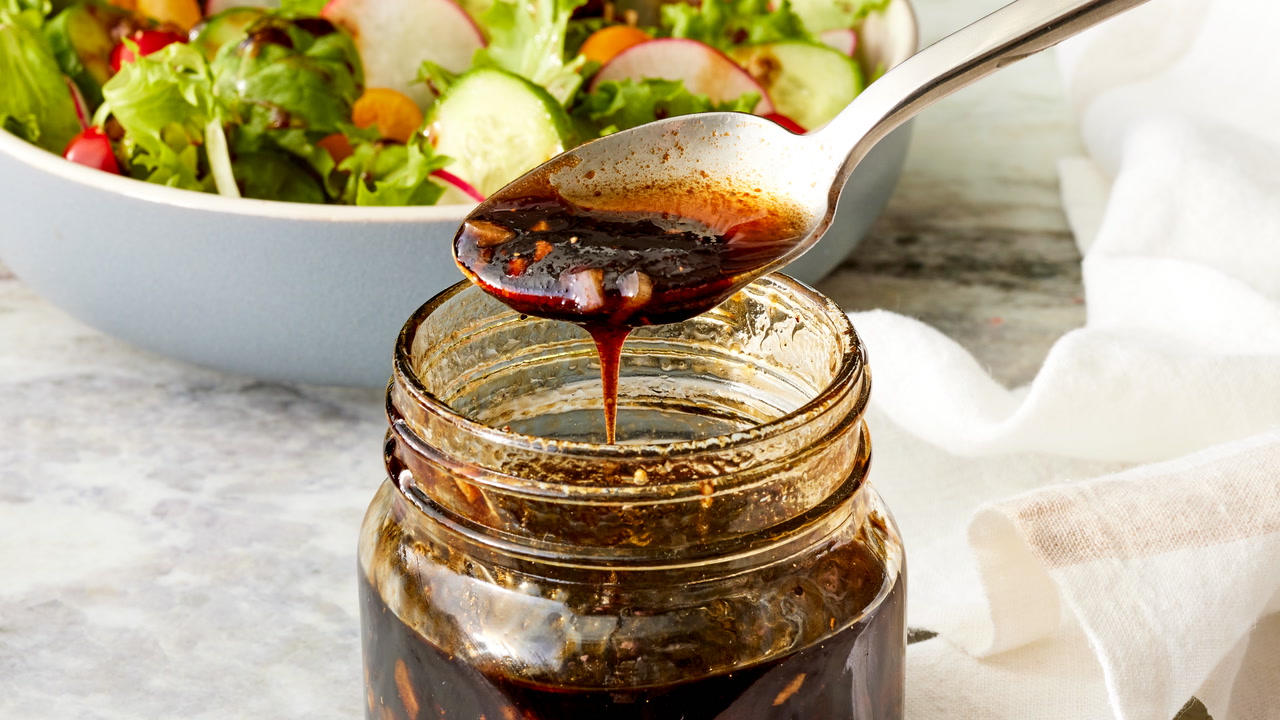
A creamy balsamic vinaigrette recipe belongs in every well-rounded kitchen. It is smooth, tangy, slightly sweet, and rich enough to turn an ordinary salad into something memorable. We can use it to dress fresh greens, drizzle over roasted vegetables, spoon onto grain bowls, or even serve as a quick finishing sauce for grilled chicken. Its appeal lies in its balance. The balsamic vinegar brings depth and brightness, the oil adds body, and the creamy element softens the sharpness into a silky, flavorful dressing.
Unlike store-bought options, a homemade version gives us total control over taste and texture. We can make it sweeter, tangier, thicker, lighter, or more herb-forward depending on the meal. Better still, this recipe uses simple pantry ingredients and comes together in minutes. Once prepared, it keeps well in the refrigerator and makes weekday meals easier, faster, and far more delicious.
In this guide, we will cover everything needed to make the best creamy balsamic vinaigrette recipe from scratch, including ingredient choices, preparation tips, flavor adjustments, storage advice, and serving ideas. The result is a versatile dressing with a smooth consistency and a bold, balanced flavor that tastes fresh every time.
Why This Creamy Balsamic Vinaigrette Recipe Works
The strength of this dressing is its structure. A good vinaigrette needs acid, fat, seasoning, and an emulsifier. In this version, balsamic vinegar provides the acidity, olive oil provides the richness, and a creamy base such as mayonnaise or Greek yogurt gives the dressing a luscious finish. Dijon mustard helps emulsify everything, while honey rounds out the acidity with gentle sweetness.
Because these ingredients are naturally complementary, the final dressing tastes layered instead of flat. We get sharpness from the vinegar, mellow richness from the creaminess, subtle sweetness from honey, and savory depth from mustard and garlic. Each element supports the others, which is why the dressing tastes complete rather than overwhelming.
This recipe also works because it is highly adaptable. We can whisk it by hand for a rustic texture or blend it for an ultra-smooth finish. We can make it thinner for leafy salads or thicker for wraps, sandwiches, and dipping platters. That flexibility makes it one of the most practical dressings to learn and keep on repeat.
Ingredients You’ll Need for Creamy Balsamic Vinaigrette
To make a balanced and flavorful creamy balsamic vinaigrette recipe, we need a small list of reliable ingredients:
- 1/4 cup balsamic vinegar
- 1/2 cup extra virgin olive oil
- 3 tablespoons mayonnaise or Greek yogurt
- 1 tablespoon Dijon mustard
- 1 to 2 tablespoons honey
- 1 small garlic clove, finely minced or grated
- 1/2 teaspoon salt
- 1/4 teaspoon black pepper
- 1 to 2 tablespoons water, as needed to thin
These ingredients create a dressing that is creamy without feeling heavy. Mayonnaise gives a richer, smoother finish, while Greek yogurt produces a slightly lighter dressing with a pleasant tang. Both work well. Olive oil adds body and helps carry the flavor of the balsamic, while Dijon mustard stabilizes the mixture and keeps it from separating too quickly.
Honey is especially useful because balsamic vinegar can vary in sweetness and intensity. Some bottles are mellow and naturally sweet, while others are sharper. By adjusting the honey, we can fine-tune the final flavor with ease. Garlic, salt, and black pepper complete the profile and bring the dressing to life.
Best Ingredient Tips for Rich Flavor and Smooth Texture
Ingredient quality matters in a dressing this simple because every flavor comes through clearly. A decent balsamic vinegar should taste slightly sweet, pleasantly acidic, and full-bodied. It does not need to be the most expensive bottle, but it should not taste harsh or watery. Since balsamic is the defining flavor, using one with real depth makes a visible difference.
For the oil, extra virgin olive oil is the classic choice. It contributes fruitiness and richness, which pair beautifully with balsamic vinegar. If the olive oil tastes too strong for your preference, use a blend of olive oil and a more neutral oil. That will soften the finish without sacrificing body.
The creamy element matters too. Mayonnaise produces a velvety, classic dressing with excellent stability. Greek yogurt adds freshness and a slightly tangy bite. If we want an especially smooth texture, letting the yogurt sit at room temperature for a few minutes before mixing can help it combine more evenly.
Fresh garlic is better than garlic powder in this recipe because it adds a sharper, more natural flavor. However, a small amount is enough. Too much can overpower the delicate balance between sweetness and tang.
Step-by-Step Guide to Making Creamy Balsamic Vinaigrette
Step 1: Combine the Base Ingredients
In a medium bowl or jar, add the balsamic vinegar, mayonnaise or Greek yogurt, Dijon mustard, honey, and minced garlic. Add the salt and black pepper as well. Whisk these ingredients together first before adding the oil. This creates a stable base and helps the creamy component blend smoothly with the vinegar.
At this stage, the mixture will look thick and slightly glossy. That is exactly what we want. Starting with the acid and emulsifying ingredients first makes it easier to build the dressing properly.
Step 2: Slowly Add the Olive Oil
While whisking continuously, drizzle in the olive oil in a slow, steady stream. This step is important because it helps emulsify the dressing. Instead of separating into layers, the oil will combine with the vinegar and creamy ingredients into one smooth mixture.
As the oil goes in, the dressing will become silkier and more cohesive. The color will shift to a soft brown with a creamy sheen. If using a jar, we can also seal the lid and shake vigorously until the vinaigrette is fully blended.
Step 3: Adjust the Consistency
Once the dressing is mixed, check the texture. If it feels too thick, add 1 tablespoon of water at a time and whisk again. This helps loosen the vinaigrette without weakening the flavor too much. For leafy salads, a slightly pourable consistency works best. For grain bowls or drizzling over roasted vegetables, a thicker finish may be ideal.
The beauty of a homemade creamy balsamic vinaigrette recipe is that we can tailor it to the dish. A few drops of water can make all the difference between a heavy dressing and a perfectly balanced one.
Step 4: Taste and Balance the Flavor
Taste the dressing before serving. If it feels too sharp, add a little more honey. If it tastes too sweet or too creamy, add a small splash of balsamic vinegar. If the flavor seems muted, another pinch of salt often corrects it immediately.
This final tasting step is what turns a good dressing into an excellent one. Because balsamic vinegars differ, personal adjustment is part of making the recipe truly successful.
How to Customize Creamy Balsamic Vinaigrette
One of the best things about this dressing is how easy it is to personalize. We can adapt it for different salads, proteins, or seasonal ingredients without changing its core character.
For a more herbaceous version, add finely chopped basil, parsley, or thyme. Fresh herbs lift the dressing and make it especially good with tomatoes, cucumbers, and mozzarella. For a slightly sweeter finish, increase the honey or use maple syrup instead. For a more savory edge, add a touch of grated Parmesan or a small spoonful of finely minced shallot.
If we want more body and tang, Greek yogurt is a strong option. If we want a richer, deli-style dressing, mayonnaise is the better choice. A pinch of red pepper flakes can add subtle heat, while a squeeze of lemon can brighten the flavor even further.
These small changes keep the creamy balsamic vinaigrette recipe versatile enough for everyday use while still feeling fresh and interesting.
What to Serve with Creamy Balsamic Vinaigrette
This dressing works with far more than green salad. It is excellent on mixed greens, spinach, arugula, and romaine, but it also pairs beautifully with hearty ingredients. Try it with roasted sweet potatoes, grilled chicken, steak salad, quinoa bowls, or pasta salads. It complements strawberries, apples, pears, goat cheese, blue cheese, walnuts, pecans, and candied nuts particularly well.
For a classic salad, toss it with spring mix, cherry tomatoes, cucumbers, red onion, and crumbled feta. For something more substantial, drizzle it over a bowl of farro, roasted chickpeas, avocado, and grilled vegetables. It also works as a sandwich spread when thickened slightly or as a dipping sauce for raw vegetables.
Because the flavor is bold yet balanced, it bridges fresh produce and savory proteins effortlessly. That makes it one of the most useful dressings to have on hand.
Common Mistakes to Avoid
A few simple mistakes can affect the final result. Adding the oil too quickly may cause the dressing to separate instead of emulsify. Using too much garlic can overpower the balsamic notes, while skipping the honey can leave the flavor too harsh, especially if the vinegar is strong.
Another common issue is under-seasoning. Even a beautiful dressing can taste flat without enough salt. Taste carefully and adjust in small increments. Also, be cautious with thickness. A dressing that is too thick may cling unevenly to delicate greens, while a dressing that is too thin may slide off without coating properly.
Finally, always taste the dressing after chilling if it has been stored. Cold temperatures can mute flavor, so it may need a quick stir and a tiny pinch of salt or splash of water before serving.
How to Store Homemade Creamy Balsamic Vinaigrette
Transfer the dressing to a clean, airtight jar or container and refrigerate it. It will usually keep well for up to 5 to 7 days, depending on the freshness of the ingredients used. Before each use, shake or whisk it well because natural separation can happen over time.
If the olive oil firms up in the refrigerator, let the dressing sit at room temperature for a few minutes, then shake again. That usually restores its smooth texture quickly. Always use a clean spoon when serving to help maintain freshness.
Making the dressing ahead is a smart move because the flavors blend even more after a short rest. In many cases, it tastes better a few hours after mixing than it does immediately.
Why This Dressing Belongs in Every Kitchen
A reliable creamy balsamic vinaigrette recipe simplifies meal preparation without sacrificing quality. It gives salads more character, improves vegetable dishes instantly, and turns simple ingredients into meals that feel thoughtful and complete. Since it uses common pantry items and comes together quickly, it fits both busy weekdays and more polished meals.
This is the kind of recipe that earns a permanent place in our rotation. It is dependable, adaptable, and consistently flavorful. Once we make it a few times, we begin to understand exactly how to adjust it for different ingredients and occasions. That kind of flexibility is what makes a recipe truly valuable.
FAQs About Creamy Balsamic Vinaigrette Recipe
1. What is creamy balsamic vinaigrette?
Creamy balsamic vinaigrette is a salad dressing that combines balsamic vinegar with a creamy ingredient such as mayonnaise, Greek yogurt, sour cream, or Dijon mustard. It has a tangy, slightly sweet flavor with a smoother texture than a basic vinaigrette.
2. Is it the same as regular balsamic vinaigrette?
No. Regular balsamic vinaigrette is usually made with oil and vinegar only, while the creamy version includes ingredients that make it thicker and richer.
3. What makes it creamy?
The creaminess usually comes from mayonnaise, yogurt, sour cream, or blended ingredients. Some recipes also rely on Dijon mustard to help emulsify the dressing.
4. Can I make it without mayonnaise?
Yes. You can use Greek yogurt, sour cream, or even blended avocado for a creamy texture without mayonnaise.
5. What salads does it go well with?
It pairs well with mixed greens, spinach, chicken salads, strawberry salads, roasted vegetable salads, and grain bowls. The tangy sweetness works with many ingredients.
6. How do I balance the flavor if it tastes too sharp?
Add a little honey, maple syrup, or extra oil to soften the acidity. A pinch of salt can also help round out the flavor.
7. How should I store creamy balsamic vinaigrette?
Store it in an airtight jar or container in the refrigerator for up to 5 to 7 days, depending on the ingredients used.
8. Do I need to stir it before serving?
Yes. Homemade dressing can separate as it sits, so give it a good shake or stir before using.
Final Thoughts
The best creamy balsamic vinaigrette recipe is not complicated. It is balanced, smooth, fresh, and made with ingredients that work together naturally. By combining balsamic vinegar, olive oil, a creamy base, Dijon mustard, honey, garlic, and seasoning, we create a dressing with real depth and lasting versatility.
Whether we are dressing a quick lunch salad or finishing a carefully prepared dinner bowl, this vinaigrette brings everything together with very little effort. It is rich without being heavy, tangy without being sharp, and simple without ever being boring. Once mastered, it becomes one of those staple recipes we reach for again and again.