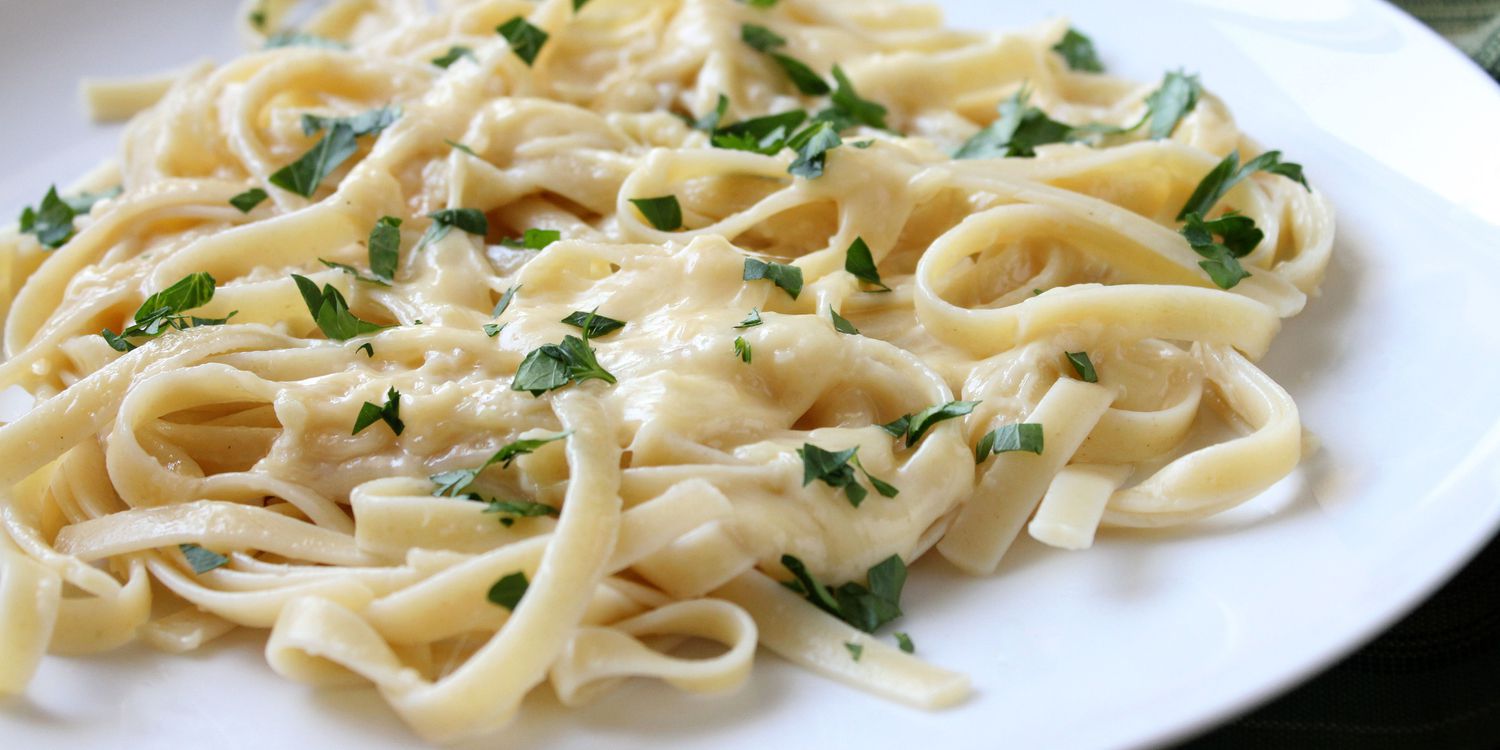
Creamy Alfredo Sauce Recipe: Few sauces feel as luxurious and comforting as a creamy Alfredo sauce recipe made from scratch. When prepared well, Alfredo sauce is smooth, buttery, cheesy, and perfectly balanced, coating every strand of pasta with a velvety finish. We do not need complicated techniques or hard-to-find ingredients to make it exceptional. We only need the right proportions, steady heat, and a simple step-by-step method that brings everything together beautifully.
This guide covers exactly how to make a deeply satisfying Creamy Alfredo Sauce Recipe with the classic richness people expect, while still keeping the process approachable for home cooking. Whether we want a fast weeknight dinner, a comforting family meal, or a polished pasta dish for guests, this sauce delivers a full, savory flavor with a texture that feels indulgent and refined.
What Makes a Great Creamy Alfredo Sauce Recipe
A truly great Alfredo sauce has three defining qualities: richness, smoothness, and balance. It should taste buttery and cheesy without becoming greasy, thick without feeling heavy, and creamy without turning gummy or clumpy. The sauce must cling to pasta instead of sliding off it, and every bite should feel consistent from the first forkful to the last.
The key is gentle control. Alfredo sauce is not difficult, but it does reward patience. High heat can separate the dairy. Adding cheese too quickly can create lumps. Using the wrong ratio of cream to cheese can make the sauce overly thick or too loose. When we keep the heat low and build the sauce gradually, we get a glossy finish and a flavor that tastes far better than anything poured from a jar.
Why Homemade Alfredo Sauce Tastes Better
Homemade Alfredo sauce stands out because it is fresher, creamier, and more flavorful than store-bought versions. Bottled sauces often rely on stabilizers, preservatives, and excess starch to mimic richness. By contrast, a homemade version lets the butter, heavy cream, Parmesan cheese, and seasonings shine naturally.
Another advantage is control. We can make the sauce thicker, thinner, cheesier, or more garlicky depending on the meal. We can keep it classic for fettuccine, add black pepper for more depth, or pair it with chicken, shrimp, mushrooms, or broccoli. A scratch-made Alfredo sauce adapts easily, and that flexibility makes it one of the most useful sauces to master in any kitchen.
Ingredients You’ll Need
Below is a simple ingredient list for a rich and dependable Alfredo sauce:
- 4 tablespoons unsalted butter
- 2 cloves garlic, minced
- 2 cups heavy cream
- 1 1/2 cups freshly grated Parmesan cheese
- 1/2 teaspoon salt, or to taste
- 1/2 teaspoon black pepper
- A pinch of nutmeg (optional)
- Chopped parsley for garnish (optional)
For serving, we recommend:
- 12 ounces fettuccine pasta
- Extra Parmesan cheese
- Cracked black pepper
Best Ingredients for the Richest Alfredo Flavor
The quality of the ingredients shapes the final taste more than any fancy technique. Freshly grated Parmesan is especially important. Pre-shredded cheese often contains anti-caking agents that prevent smooth melting, which can affect both flavor and texture. Fresh Parmesan melts more cleanly and gives the sauce a deeper, nuttier character.
Heavy cream is another essential ingredient. It creates the lush body Alfredo sauce is known for and holds up better under gentle heat than lighter dairy. Butter adds richness and helps round out the flavor, while garlic brings a subtle savory note that makes the sauce taste fuller without overpowering the cheese. A small pinch of nutmeg can add warmth, though it should remain in the background.
Kitchen Tools That Make the Process Easier
We do not need specialty equipment for this recipe, but a few basic tools help greatly:
- A large skillet or sauté pan
- A medium pot for boiling pasta
- A whisk or wooden spoon
- A fine grater for Parmesan
- A measuring cup and spoons
- Tongs for tossing pasta
A wide skillet works especially well because it gives the sauce room to simmer gently and makes it easier to toss the pasta directly into the sauce.
How to Prepare the Pasta Properly
Before making the sauce, bring a large pot of salted water to a boil and cook the fettuccine until al dente. The pasta should be tender but still slightly firm in the center. This matters because the noodles will continue cooking for a minute or two once they are added to the hot Alfredo sauce.
Do not forget to reserve about 1 cup of pasta water before draining. That starchy water is extremely useful. If the sauce becomes too thick, a small splash of pasta water helps loosen it while keeping the texture silky. It also helps the sauce bind to the pasta more effectively.
Step-by-Step Guide to the Perfect Creamy Alfredo Sauce Recipe
Step 1: Melt the Butter Gently
Place a large skillet over low to medium-low heat and add the butter. Let it melt slowly without browning. We want richness here, not toasted butter flavor. Once the butter is fully melted, the base of the sauce is ready for the garlic.
Step 2: Add the Garlic
Stir in the minced garlic and cook for about 30 seconds to 1 minute. The garlic should become fragrant, but it should not brown. Burnt garlic can make the sauce taste bitter, so keep the heat low and stir constantly.
Step 3: Pour in the Heavy Cream
Add the heavy cream to the skillet and stir to combine it with the butter and garlic. Let the mixture warm gradually until it begins to gently simmer. Avoid a rolling boil. A soft simmer is enough to thicken the cream slightly while keeping the texture smooth.
Step 4: Season the Sauce
Add the salt, black pepper, and a tiny pinch of nutmeg if using. Stir well. At this stage, the sauce will still look thin, but the flavor base is forming. The cheese will thicken it further in the next step.
Step 5: Add the Parmesan Slowly
Reduce the heat to low and begin adding the freshly grated Parmesan cheese a little at a time. Stir constantly as each addition melts into the sauce. This gradual method prevents clumping and gives the Alfredo sauce its signature velvety finish.
Step 6: Adjust the Consistency
Once all the cheese has melted, check the texture. If the sauce feels too thick, stir in a splash of reserved pasta water. If it feels too thin, let it cook on low heat for another minute or two. The goal is a creamy sauce that coats the back of a spoon.
Step 7: Toss with the Pasta
Add the cooked fettuccine directly to the sauce and toss until every strand is well coated. Use tongs to lift and fold the pasta through the sauce so it absorbs the creamy mixture evenly. Serve immediately with extra Parmesan, cracked black pepper, and parsley if desired.
How to Keep Alfredo Sauce Smooth and Creamy
The biggest secret to smooth Alfredo sauce is low heat. Dairy-based sauces do not respond well to aggressive cooking. If the heat is too high, the fats can separate and the cheese can become grainy. Gentle heat gives us control and keeps the emulsion stable.
Another important detail is adding the cheese slowly. Dumping it all in at once can overwhelm the cream and create lumps. Fresh cheese, gradual incorporation, and steady stirring make a clear difference. If the sauce thickens too much after sitting, a spoonful of warm pasta water or cream will usually bring it back to life.
Common Mistakes to Avoid
Several small mistakes can ruin an Alfredo sauce that otherwise starts well. One of the most common is using pre-grated cheese. It seems convenient, yet it often leads to a gritty texture. Another problem is boiling the cream too hard, which can cause separation.
Over-seasoning is also a frequent issue. Parmesan is naturally salty, so it is best to add salt carefully and taste as we go. Finally, serving the sauce too late can change the texture. Alfredo sauce is at its best right after mixing with hot pasta, when it is glossy and freshly melted.
Delicious Variations to Try
This Creamy Alfredo Sauce Recipe works beautifully as a base for many additions. For a heartier meal, toss in sliced grilled chicken or sautéed shrimp. For extra flavor, add mushrooms cooked in butter before starting the sauce. For a more colorful plate, stir in steamed broccoli, spinach, or peas.
We can also add a small amount of cream cheese for extra tang, though the classic version does not require it. Red pepper flakes bring gentle heat, while a touch of lemon zest can brighten the richness. These variations keep the recipe flexible without losing the comforting Alfredo character.
What to Serve with Alfredo Sauce
Fettuccine is the most traditional choice, but Alfredo sauce also pairs well with linguine, penne, and even ravioli. To complete the meal, serve it with garlic bread, roasted vegetables, or a crisp green salad. The freshness of salad and the crunch of toasted bread balance the richness of the sauce well.
If we are serving guests, a side of grilled chicken or seared shrimp turns this dish into an impressive main course. Even a simple plate of pasta becomes memorable when the Alfredo sauce is made properly and served hot.
How to Store and Reheat Leftovers
If there are leftovers, let the pasta cool slightly and store it in an airtight container in the refrigerator for up to 3 days. Reheat gently in a skillet over low heat with a splash of cream or milk. Stir often to help the sauce loosen and return to a creamy consistency.
Microwaving can work, but it should be done in short intervals with stirring between each round. High heat can cause the sauce to separate, so slow reheating is the safer option. Fresh Alfredo sauce is always best, yet careful reheating can still produce good results.
FAQs about Creamy Alfredo Sauce Recipe
1. What is creamy Alfredo sauce made of?
Creamy Alfredo sauce is usually made with butter, heavy cream, and Parmesan cheese. Some recipes also include garlic, cream cheese, or seasoning for extra flavor.
2. Is Alfredo sauce the same as white sauce?
Not exactly. Alfredo sauce is usually richer and cheesier, while basic white sauce is often made from milk, butter, and flour.
3. Why is my Alfredo sauce too thin?
It may need a little more cooking time, or it may not have enough cheese. Letting it simmer gently helps it thicken naturally.
4. Why did my Alfredo sauce turn grainy?
This can happen if the heat is too high or the cheese is added too quickly. Use low heat and stir in the cheese slowly for a smoother sauce.
5. Can I use milk instead of heavy cream?
Yes, but the sauce will be lighter and less rich. Some recipes use milk with a little flour or cream cheese to help thicken it.
6. What pasta goes best with Alfredo sauce?
Fettuccine is the classic choice, but penne, linguine, spaghetti, and other pasta shapes also work well.
7. Can I add chicken or vegetables?
Yes. Chicken, shrimp, broccoli, mushrooms, or spinach are popular additions and pair nicely with Alfredo sauce.
8. How should I store leftovers?
Store leftover Alfredo sauce in an airtight container in the refrigerator for up to 3 days. Reheat gently and stir well, adding a splash of milk or cream if needed.
Final Thoughts
A well-made Creamy Alfredo Sauce Recipe proves that simple ingredients can create remarkable results. With butter, cream, Parmesan, garlic, and a steady hand, we can prepare a sauce that tastes rich, elegant, and deeply satisfying. The method is straightforward, yet the finished dish feels special enough for both everyday dinners and more polished occasions.
Once we master the balance of gentle heat, freshly grated cheese, and proper pasta tossing, Alfredo sauce becomes one of the easiest and most rewarding recipes to repeat. It is comforting, versatile, and consistently delicious. When we want a pasta dish that feels timeless and indulgent, this homemade Alfredo sauce is the one to make.