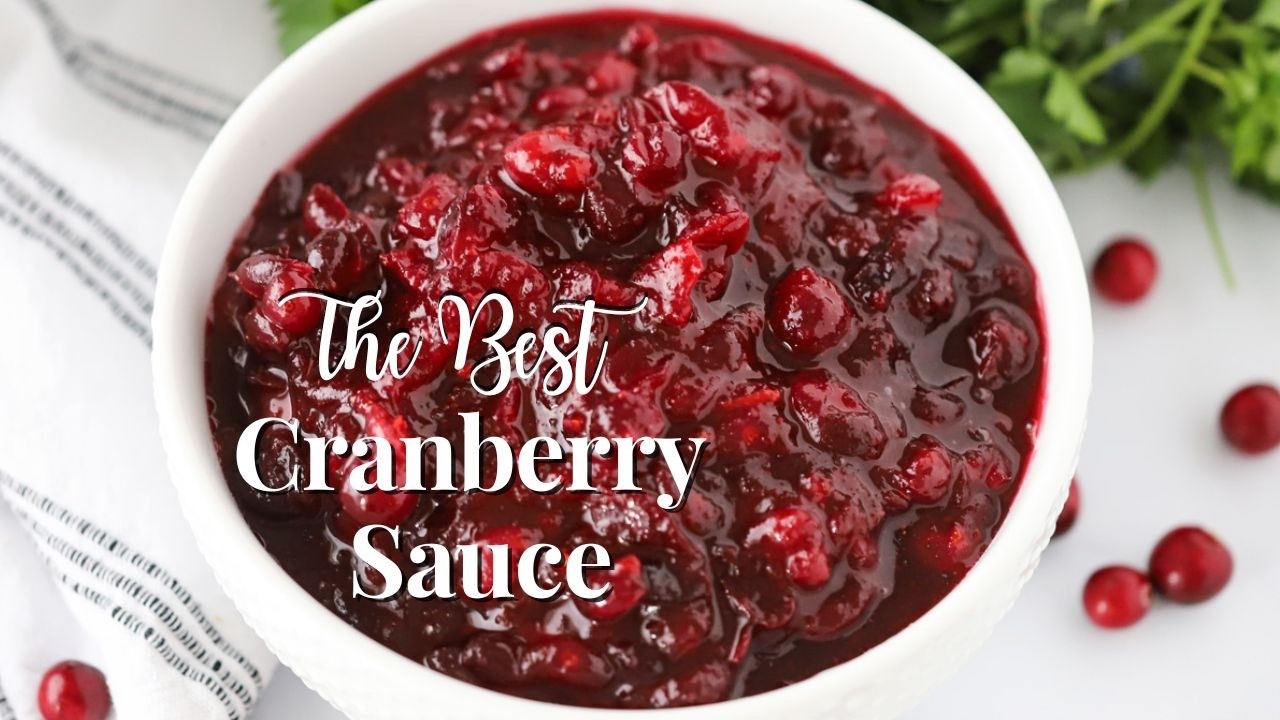
Cranberry Orange Sauce Recipe: Cranberry orange sauce is one of those classic recipes that delivers bold flavor, beautiful color, and remarkable versatility with very little effort. It is sweet, tart, citrusy, glossy, and vibrant, making it an ideal addition to holiday tables, family dinners, brunch spreads, and dessert plates. When prepared correctly, this sauce offers the perfect balance between the natural sharpness of cranberries and the fragrant sweetness of fresh orange.
Unlike store-bought versions, homemade cranberry orange sauce tastes cleaner, brighter, and far more refreshing. The texture can be kept chunky for a rustic finish or simmered longer for a smoother consistency. It can be served warm, chilled, or at room temperature, and it pairs beautifully with roasted turkey, chicken, ham, toast, yogurt, cheesecake, pancakes, and pastries.
This guide walks through the exact ingredients you need and the precise steps required to make a richly flavored cranberry orange sauce that looks elegant and tastes exceptional.
Why Cranberry Orange Sauce Works So Well
The combination of cranberry and orange is timeless because the two ingredients naturally complement each other. Cranberries bring a sharp tartness that keeps the sauce lively, while oranges contribute sweet citrus notes, floral aroma, and a rounded freshness that softens the berries without making the sauce overly sugary.
The result is a sauce that feels both traditional and elevated. It is simple enough for everyday cooking, yet polished enough for a festive meal. Its jewel-toned appearance also makes it one of the most visually appealing condiments you can place on the table.
Ingredients You’ll Need
To prepare a classic homemade cranberry orange sauce, gather the following ingredients:
- 12 ounces fresh or frozen cranberries
- 1 cup granulated sugar
- 1 cup fresh orange juice
- 1 tablespoon orange zest
- 1/4 cup water
- 1 small cinnamon stick or 1/4 teaspoon ground cinnamon (optional)
- 1 teaspoon vanilla extract (optional)
- A pinch of salt
These ingredients create a sauce with a balanced sweet-tart profile and a noticeable orange finish. For the best flavor, fresh orange juice and freshly grated zest are strongly preferred over bottled alternatives.
Ingredient Notes for the Best Flavor
Fresh or Frozen Cranberries
Both fresh and frozen cranberries work well. Fresh cranberries usually offer a slightly firmer texture, while frozen cranberries break down a little faster during cooking. There is no need to thaw frozen cranberries before using them.
Orange Juice
Freshly squeezed orange juice gives the sauce a more natural sweetness and a cleaner citrus taste. Bottled juice can work in a pinch, but it often lacks the brightness that makes this recipe stand out.
Orange Zest
The zest is what delivers the strongest orange aroma. It adds depth, freshness, and a subtle bitterness that makes the overall flavor more sophisticated. Use only the orange outer layer, not the bitter white pith underneath.
Sugar
Sugar balances the cranberries’ tartness and helps the sauce develop its glossy texture. You can adjust the amount slightly to suit your preference, but removing too much sugar may leave the sauce overly sharp.
Cinnamon and Vanilla
These optional ingredients add warmth and complexity. Cinnamon gives the sauce a gentle spiced undertone, while vanilla softens the edges and makes the flavor feel rounder and fuller.
Kitchen Tools You Need
This recipe requires only a few basic kitchen tools:
- Medium saucepan
- Wooden spoon or silicone spatula
- Measuring cups and spoons
- Zester or fine grater
- Citrus juicer
- Serving bowl or storage container
Because cranberry orange sauce comes together in one pot, cleanup is minimal and the process is very manageable.
Step-by-Step Guide for Cranberry Orange Sauce
Step 1: Rinse and Sort the Cranberries
Place the cranberries in a colander and rinse them thoroughly under cool running water. Remove any soft, bruised, or damaged berries. Good cranberries should be firm and glossy.
This first step matters because damaged berries can affect both the texture and the final flavor of the sauce. Clean, fresh berries produce a brighter, more polished result.
Step 2: Prepare the Orange
Wash the orange well, then zest it using a fine grater or zester. After zesting, cut the orange and squeeze out the juice. Measure 1 cup of orange juice. If one orange does not provide enough juice, use a second orange.
Fresh zest and juice bring the sauce to life. This is where the recipe gets its signature citrus fragrance and fresh character.
Step 3: Combine the Base Ingredients
In a medium saucepan, add the following:
- Cranberries
- Sugar
- Orange juice
- Water
- Orange zest
- Pinch of salt
- Cinnamon stick, if using
Stir the ingredients gently to combine. At this point, the mixture will look thin and loose, but it will transform quickly once it begins to simmer.
Step 4: Bring to a Gentle Boil
Place the saucepan over medium heat and bring the mixture to a gentle boil. Stir occasionally as the sugar dissolves and the cranberries begin to heat through.
Within a few minutes, the berries will start to pop and burst, releasing their juices into the liquid. This is exactly what you want. The sauce will begin thickening naturally as the cranberries break down.
Step 5: Simmer Until Thickened
Reduce the heat to low or medium-low and let the mixture simmer for about 10 to 15 minutes. Stir occasionally to prevent sticking and to help the berries cook evenly.
As the sauce simmers, it will become thicker, glossier, and richer in color. The cranberries will soften, and the orange will blend into the mixture. If you prefer a chunkier sauce, stop cooking when most berries have burst but some still hold their shape. For a smoother sauce, cook a little longer and stir more thoroughly.
Step 6: Add Vanilla if Desired
Once the sauce has thickened, remove it from the heat and stir in the vanilla extract, if using. Remove the cinnamon stick as well.
Vanilla is optional, but it adds a subtle smoothness that can make the finished sauce taste more refined and layered.
Step 7: Cool the Sauce Properly
Transfer the cranberry orange sauce to a bowl and let it cool for about 20 to 30 minutes. As it cools, it will continue to thicken.
This is an important part of the process. The sauce may seem slightly loose when hot, but once it cools, the consistency becomes much more luscious and spoonable.
Step 8: Serve or Chill
Serve the sauce warm, at room temperature, or chilled. For a firmer texture and more developed flavor, refrigerate it for at least 2 hours before serving.
Chilling helps the orange and cranberry flavors settle into a more unified, balanced sauce.
How the Texture Should Look
A well-made cranberry orange sauce should be:
- Glossy
- Soft but not watery
- Thick enough to spoon
- Studded with tender cranberry pieces or smooth, depending on preference
If the sauce becomes too thick after cooling, stir in a small splash of orange juice or water to loosen it. If it is too thin, return it to the saucepan and simmer for a few more minutes.
Tips for the Best Cranberry Orange Sauce
Use Real Orange Zest
The zest is one of the most important flavor elements in the recipe. It delivers concentrated orange oils that create a more fragrant and flavorful sauce.
Do Not Overcook
Overcooking can dull the fresh citrus notes and make the sauce too heavy. Simmer just until the cranberries burst and the liquid thickens.
Taste Before Cooling Completely
While the sauce is still slightly warm, taste it and adjust if needed. You may want a little more sugar for sweetness or a touch more zest for stronger orange character.
Make It Ahead
Cranberry orange sauce is excellent for advance preparation. In fact, many people find that it tastes even better the next day once the flavors have had time to develop.
Flavor Variations to Try
This classic recipe is wonderful on its own, but it is also easy to customize.
Maple Cranberry Orange Sauce
Replace part of the sugar with maple syrup for a deeper, warmer sweetness.
Spiced Cranberry Orange Sauce
Add cloves, nutmeg, or star anise for a more festive flavor profile.
Honey Orange Cranberry Sauce
Use a portion of honey in place of sugar to create a softer sweetness and a smoother finish.
Cranberry Orange Sauce with Ginger
Add freshly grated ginger for a slightly spicy, refreshing note that pairs beautifully with citrus.
Chunky Cranberry Relish-Style Sauce
Cook the cranberries a little less and stir lightly to preserve more texture.
What to Serve with Cranberry Orange Sauce
This sauce is far more versatile than many people expect. It pairs well with both savory and sweet dishes, including:
- Roast turkey
- Baked chicken
- Glazed ham
- Pork roast
- Toast or biscuits
- Scones
- Greek yogurt
- Cheesecake
- Pancakes and waffles
- Ice cream
- Sandwiches
Its tart-sweet citrus profile helps cut through rich foods while also enhancing mild baked goods and creamy desserts.
How to Store Cranberry Orange Sauce
Store the sauce in an airtight container in the refrigerator for up to one week. The flavor remains excellent, and the texture usually improves after the first day.
For longer storage, cranberry orange sauce can be frozen. Place it in a freezer-safe container and freeze for up to two months. Thaw it overnight in the refrigerator and stir before serving.
Common Mistakes to Avoid
Using Too Much Water
Too much liquid can dilute the flavor and make the sauce slow to thicken. Keep the balance tight so the cranberry and orange remain bold.
Skipping the Salt
A small pinch of salt sharpens the overall flavor and prevents the sauce from tasting flat.
Using Only Orange Juice Without Zest
Juice adds sweetness and acidity, but zest adds the true aromatic orange character. The best cranberry orange sauce uses both.
Expecting the Final Texture While It Is Still Hot
Hot sauce always looks thinner. Let it cool before deciding whether it needs adjustment.
FAQs about Cranberry Orange Sauce Recipe
1. What is cranberry orange sauce?
Cranberry orange sauce is a sweet-tart sauce made with cranberries, orange juice, orange zest, and sugar. It is often served with holiday meals, especially turkey or ham.
2. Can I use fresh or frozen cranberries?
Yes. Fresh and frozen cranberries both work well. Frozen cranberries are convenient and usually do not need to be thawed first.
3. What does orange add to the sauce?
Orange adds fresh citrus flavor, natural sweetness, and brightness. The zest gives even more orange aroma and depth.
4. Is cranberry orange sauce the same as cranberry sauce?
It is a type of cranberry sauce, but it includes orange flavor for a more citrusy taste. That makes it a little brighter and more fragrant than the basic version.
5. Can I make it less sweet?
Yes. You can reduce the sugar a little, but keep in mind that cranberries are naturally very tart. Taste as you cook and adjust carefully.
6. How long does cranberry orange sauce take to thicken?
It usually thickens as the cranberries cook and burst, which often takes about 10 to 15 minutes. It also becomes thicker as it cools.
7. Can I make cranberry orange sauce ahead of time?
Yes. It is actually one of the best make-ahead dishes because the flavor improves after chilling for a few hours or overnight.
8. How should I store leftovers?
Store leftover cranberry orange sauce in an airtight container in the refrigerator for up to 1 week. You can also freeze it for longer storage.
Final Thoughts
A homemade cranberry orange sauce recipe is one of the easiest ways to bring freshness, color, and vibrant flavor to the table. With only a handful of ingredients and a short cooking time, it delivers a result that feels far more impressive than the effort required. The tart cranberries, bright orange juice, fragrant zest, and silky texture create a sauce that is both classic and memorable.
Whether served alongside a holiday roast, spooned over breakfast, or added to desserts, this recipe offers a reliable and flavorful way to elevate any meal. When made from scratch, cranberry orange sauce tastes cleaner, richer, and more balanced than anything from a can. It is simple, elegant, and worth making again and again.