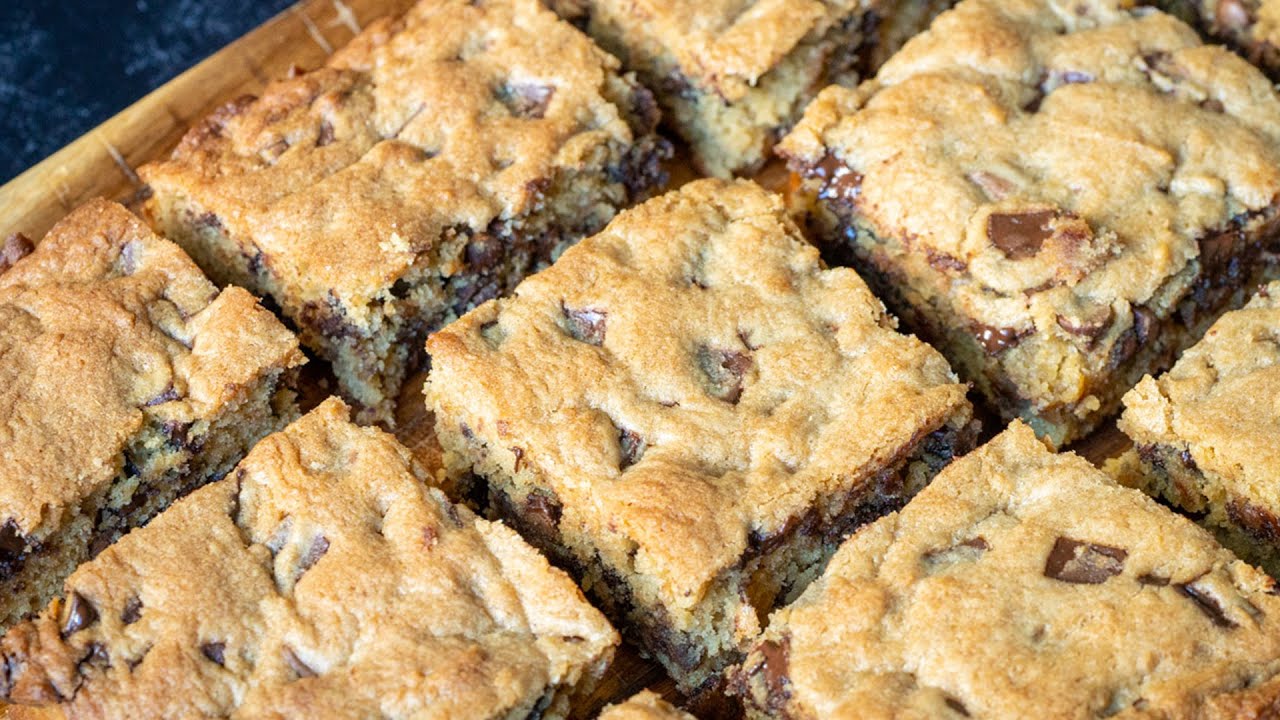
Congo Bars Recipe: Congo bars are a rich, chewy dessert bar that combines the buttery depth of a blondie with the indulgent texture of a cookie bar. Packed with brown sugar, vanilla, and plenty of chocolate chips, these bars are known for their soft center, lightly crisp edges, and irresistible caramel-like flavor. When prepared properly, they deliver everything we want in a homemade dessert: simple ingredients, easy mixing, and a bakery-style result.
This guide covers exactly how we make classic Congo bars from scratch, including the ingredients, baking steps, texture tips, storage advice, and practical variations that help us get perfect results every time.
What Are Congo Bars?
Congo bars are often described as thick blondie bars loaded with chocolate chips. Unlike brownies, they do not rely on cocoa powder or melted chocolate for their base. Instead, their flavor comes from brown sugar, butter, and vanilla extract, which create a warm, deep sweetness with subtle toffee notes.
The texture is what makes them memorable. A well-made batch should be:
- Soft and chewy in the middle
- Golden and slightly crisp around the edges
- Dense but tender
- Loaded with melted chocolate in every bite
Because the recipe does not require complicated steps or specialty ingredients, Congo bars are one of the easiest desserts to prepare for family gatherings, potlucks, lunchboxes, holiday trays, or casual weekend baking.
Why This Congo Bars Recipe Works
This method works because it balances moisture, fat, and structure without overcomplicating the process. We use brown sugar for chewiness, butter for richness, and enough flour to hold the bars together without making them dry. Eggs add body and softness, while chocolate chips create pockets of sweetness throughout the pan.
The result is a dependable dessert that looks impressive, slices neatly, and stays delicious for days.
Ingredients You’ll Need
To make a full pan of Congo bars, we use common pantry ingredients that come together quickly.
Main Ingredients
- 1 cup unsalted butter, melted and slightly cooled
- 2 cups light brown sugar, packed
- 2 large eggs
- 2 teaspoons vanilla extract
- 2 cups all-purpose flour
- 2 teaspoons baking powder
- 1/2 teaspoon salt
- 2 cups semi-sweet chocolate chips
- 1/2 cup chopped walnuts or pecans (optional)
Optional Add-Ins
For extra flavor and texture, we can also add:
- White chocolate chips
- Butterscotch chips
- Dark chocolate chunks
- Toffee bits
- Shredded coconut
- Chopped roasted nuts
These additions work well, but the classic version remains the most popular because it keeps the rich brown sugar and chocolate flavor front and center.
Best Ingredient Tips for Perfect Congo Bars
Choosing the right ingredients affects both flavor and texture.
Use Brown Sugar for Chewiness
Brown sugar is essential. It gives Congo bars their signature soft, dense texture and slightly caramelized taste. Light brown sugar is most common, but dark brown sugar can be used for a deeper molasses flavor.
Melted Butter Creates a Rich Base
Using melted butter rather than softened butter makes the batter easy to mix and contributes to a fudgier, chewier consistency.
Do Not Skip Vanilla
A generous amount of vanilla extract rounds out the sweetness and gives the bars that homemade bakery aroma.
Choose Good Chocolate Chips
Because chocolate is a major flavor in this recipe, quality matters. Semi-sweet chocolate chips are ideal because they balance the sweetness of the brown sugar base.
Equipment You Need
We do not need anything complicated to make Congo bars. A few basic kitchen tools are enough:
- Large mixing bowl
- Whisk or wooden spoon
- Rubber spatula
- Measuring cups and spoons
- 9×13-inch baking pan
- Parchment paper or nonstick spray
- Cooling rack
- Sharp knife for slicing
A metal baking pan often produces slightly firmer edges, while a glass pan may require a slightly longer baking time.
How to Make Congo Bars Step by Step
Step 1: Prepare the Baking Pan
Preheat the oven to 350°F (175°C). Line a 9×13-inch baking pan with parchment paper, leaving enough overhang on the sides to lift the bars out later. If parchment is not available, lightly grease the pan.
This step helps prevent sticking and makes clean slicing much easier.
Step 2: Mix the Butter and Brown Sugar
In a large bowl, combine the melted butter and packed brown sugar. Stir until smooth and glossy. The mixture should look thick and rich.
Mixing these ingredients first helps dissolve some of the sugar and creates the foundation for the bars’ chewy texture.
Step 3: Add the Eggs and Vanilla
Add the eggs one at a time, mixing well after each addition. Stir in the vanilla extract until fully incorporated.
At this stage, the batter should appear smoother and slightly lighter in texture.
Step 4: Combine the Dry Ingredients
In a separate bowl, whisk together the flour, baking powder, and salt. This ensures even distribution and prevents pockets of baking powder from ending up in the batter.
Gradually add the dry ingredients to the wet mixture, stirring just until no dry streaks remain.
Do not overmix. Overmixing can make the bars tougher instead of soft and tender.
Step 5: Fold in the Chocolate Chips
Gently fold in the chocolate chips and, if using, the chopped nuts. Make sure the chips are evenly distributed throughout the batter.
The batter will be thick, which is exactly what we want. A thick batter helps create bars with substance and chewiness.
Step 6: Spread the Batter Evenly
Transfer the batter into the prepared baking pan. Use a spatula to spread it evenly into the corners. Because the batter is thick, take a little time to level the top properly.
An even surface helps the bars bake uniformly from edge to center.
Step 7: Bake Until Golden
Bake for 25 to 30 minutes, or until the top is golden brown and a toothpick inserted near the center comes out with a few moist crumbs.
Avoid overbaking. Congo bars continue to set as they cool, so pulling them from the oven at the right moment is key to preserving their chewy center.
Step 8: Cool Completely Before Slicing
Let the bars cool in the pan for at least 30 to 45 minutes. Then lift them out using the parchment paper and allow them to cool fully on a rack before slicing.
This cooling step is important. If we cut them too early, they may fall apart or seem underdone. Once cooled, they become firmer, neater, and easier to portion.
How to Know When Congo Bars Are Done
One of the most common mistakes with Congo bars is overbaking them. The ideal batch should not look completely dry in the middle when it comes out of the oven.
Look for these signs:
- The top is light golden brown
- The edges look set
- The center is puffed but still soft
- A toothpick comes out with moist crumbs, not raw batter
If the toothpick comes out completely clean, the bars may already be slightly overbaked.
Texture Tips for Soft and Chewy Congo Bars
For the best results every time, keep these texture tips in mind:
Measure Flour Carefully
Too much flour can make the bars dry and cakey. Spoon the flour into the measuring cup and level it off instead of scooping directly from the bag.
Do Not Overmix
Once the dry ingredients are added, mix only until combined. This keeps the bars tender.
Watch the Baking Time Closely
Even an extra few minutes can change the texture. For chewy bars, remove them when the center still looks just slightly soft.
Cool Before Cutting
Cooling allows the structure to set properly and improves the final texture.
Flavor Variations We Can Try
The classic recipe is excellent on its own, but these variations are worth trying when we want something slightly different.
Chocolate Chunk Congo Bars
Replace some of the chocolate chips with dark chocolate chunks for a more intense flavor and larger melted pockets of chocolate.
Nutty Congo Bars
Add walnuts or pecans for crunch and contrast. Toasting the nuts first adds even more flavor.
Butterscotch Congo Bars
Swap part of the chocolate chips for butterscotch chips to emphasize the caramel notes of the brown sugar base.
Coconut Congo Bars
Fold in a small amount of sweetened shredded coconut for a richer, slightly tropical twist.
Holiday Congo Bars
Mix in seasonal additions like toffee pieces, white chocolate, or festive sprinkles for a dessert tray version.
Serving Ideas
Congo bars are excellent on their own, but they can also be served in more indulgent ways:
- Warm with a scoop of vanilla ice cream
- Drizzled with caramel sauce
- Paired with coffee or tea
- Packed into dessert boxes or party trays
- Served slightly warm for extra gooey chocolate texture
For a clean presentation, slice them into even squares or rectangles once fully cooled.
How to Store Congo Bars
These bars store very well, which makes them ideal for make-ahead baking.
At Room Temperature
Keep them in an airtight container for up to 4 days. Place parchment paper between layers if stacking.
In the Refrigerator
Store in a sealed container for up to 1 week. Bring to room temperature before serving for the best texture.
In the Freezer
Wrap individual bars or the entire slab tightly and freeze for up to 3 months. Thaw at room temperature before serving.
Common Mistakes to Avoid
Even a simple recipe benefits from a few practical precautions.
Using Too Much Flour
This creates dry, heavy bars instead of soft and chewy ones.
Overbaking
This is the fastest way to lose the signature Congo bar texture.
Skipping the Cooling Time
Fresh from the oven, the bars may seem too soft. Cooling is what gives them the right consistency.
Uneven Batter Spreading
If the batter is thicker in one area, the bars will bake unevenly.
Using a Pan That Is Too Small
A smaller pan makes the batter too deep and may lead to underbaked centers and overdone edges.
Why Congo Bars Are Always a Crowd Favorite
Congo bars have lasting appeal because they are easy to make, easy to transport, and easy to love. They combine the best qualities of a blondie, a cookie, and a dessert bar in one pan. The flavor is familiar yet richer than ordinary cookie bars, and the texture is deeply satisfying.
They also adapt well to different occasions. We can keep them simple for everyday baking or dress them up for celebrations. Either way, they remain one of the most dependable homemade desserts for anyone who enjoys chewy bars, brown sugar desserts, and chocolate-filled baked treats.
FAQs about Congo Bars Recipe
1. What are Congo bars?
Congo bars are rich dessert bars similar to blondies. They are usually made with brown sugar, butter, flour, and chocolate chips, giving them a soft, chewy texture.
2. Are Congo bars the same as blondies?
They are very similar, but Congo bars often contain more brown sugar and plenty of chocolate chips or nuts, which makes them extra rich and chewy.
3. Do Congo bars taste like brownies?
Not exactly. Brownies have a deep chocolate base, while Congo bars have a buttery, brown sugar flavor with chocolate mixed in rather than throughout the batter.
4. Can I add nuts to Congo bars?
Yes. Walnuts or pecans are common add-ins and pair well with the sweet, chewy base and chocolate chips.
5. Why are my Congo bars dry?
Dry Congo bars usually happen from too much flour or overbaking. For the best texture, remove them when the center is just set.
6. Can I use different kinds of chocolate chips?
Yes. Semi-sweet, milk, dark, or white chocolate chips can all work well depending on the flavor you want.
7. How do I know when Congo bars are done?
The edges should look golden and set, while the center should still be slightly soft. They firm up more as they cool.
8. How should I store Congo bars?
Store them in an airtight container at room temperature for up to 4 days. They can also be refrigerated or frozen for longer storage.
Final Thoughts
A great Congo bars recipe should be simple, buttery, chewy, and loaded with flavor. With the right balance of brown sugar, butter, vanilla, and chocolate chips, we get a dessert bar that feels classic, comforting, and consistently delicious. By following the steps carefully and watching the baking time closely, we can produce bars with crisp edges, soft centers, and rich flavor in every bite.
Whether we bake them for family, guests, holidays, or a personal treat, Congo bars remain one of the most rewarding desserts to make from scratch.