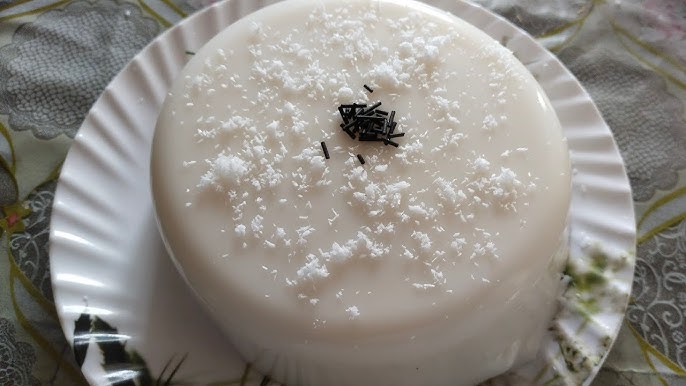
Coconut Pudding Recipe: Coconut pudding is a rich, smooth, and deeply satisfying dessert that combines the natural sweetness of coconut with a soft, creamy texture that feels both comforting and elegant. It is the kind of dessert we can serve warm for a cozy finish to dinner or chilled for a refreshing treat on a hot day. With the right ingredients and a careful method, we can create a homemade coconut pudding recipe that tastes far better than any boxed version and delivers a full, authentic coconut flavor in every spoonful.
This guide covers everything needed to make a perfect coconut pudding recipe, from ingredient selection to the final texture, with clear steps that make the process easy to follow.
Ingredients You’ll Need for Coconut Pudding
To make a flavorful and silky pudding, we need a balanced combination of dairy, coconut, thickener, and sweetener. Each ingredient plays an important role in the final result.
Main Ingredients
- 2 cups whole milk
- 1 cup coconut milk
- 3/4 cup granulated sugar
- 1/3 cup cornstarch
- 1/4 teaspoon salt
- 3 large egg yolks
- 2 tablespoons unsalted butter
- 1 teaspoon vanilla extract
- 1 cup sweetened shredded coconut
Optional Toppings
- Toasted coconut flakes
- Whipped cream
- Fresh berries
- A light dusting of cinnamon or nutmeg
- Chopped roasted nuts
These ingredients produce a pudding that is creamy, rich, and smooth, with enough coconut flavor to stand out clearly without becoming overpowering.
Why This Coconut Pudding Recipe Works
A good pudding should never be thin, grainy, or overly gelatinous. This recipe works because it relies on a dependable combination of cornstarch and egg yolks, which creates structure while keeping the texture delicate and spoonable. The use of both whole milk and coconut milk builds depth. Whole milk gives the pudding body, while coconut milk adds the signature tropical richness that defines the dessert.
The shredded coconut adds flavor and texture, turning a simple pudding into a fuller, more satisfying dessert. Butter gives the final mixture a glossy finish, while vanilla rounds out the sweetness and softens the edges of the coconut flavor.
Best Ingredient Tips for a Rich Coconut Flavor
The quality of the ingredients matters, especially in a recipe with a short ingredient list.
Choose Full-Flavored Coconut Milk
For the best results, use canned coconut milk rather than refrigerated coconut beverage. Canned coconut milk has a thicker consistency and a more concentrated flavor, which gives the pudding a true coconut taste.
Use Whole Milk for Creaminess
Whole milk creates a fuller, smoother pudding than low-fat milk. It supports the texture and helps the pudding feel rich rather than watery.
Use Cornstarch Carefully
Cornstarch thickens the pudding quickly and efficiently, but it must be whisked thoroughly to prevent lumps. Mixing it well with sugar before adding liquid helps distribute it evenly.
Do Not Skip the Egg Yolks
Egg yolks enrich the pudding and improve its texture. They create a more luxurious mouthfeel and help the dessert set beautifully.
Step-by-Step Guide to Making Coconut Pudding
Step 1: Prepare the Dry Ingredients
In a medium saucepan, combine the granulated sugar, cornstarch, and salt. Whisk them together until evenly blended. This step helps prevent clumping when the liquid is added.
Step 2: Add the Milk Mixture
Slowly pour in the whole milk and coconut milk, whisking continuously as you go. The mixture should become smooth and uniform before heat is applied. This ensures the cornstarch dissolves properly and reduces the risk of lumps.
Step 3: Heat the Base Gently
Place the saucepan over medium heat. Stir constantly with a whisk or wooden spoon, making sure to scrape along the bottom and edges of the pan. As the mixture heats, it will begin to thicken gradually. This usually takes several minutes, so patience is important.
The goal is to warm the pudding base until it is hot and slightly thickened, but not boiling aggressively.
Step 4: Temper the Egg Yolks
In a separate bowl, beat the egg yolks until smooth. Take a small amount of the hot milk mixture and slowly whisk it into the yolks. Repeat with another small amount. This process, known as tempering, gently raises the temperature of the yolks so they blend smoothly into the pudding without scrambling.
Step 5: Combine and Cook Until Thick
Pour the tempered egg yolk mixture back into the saucepan. Continue cooking over medium to medium-low heat, whisking constantly. The pudding will become visibly thicker and smoother. Once it reaches a consistency similar to thick custard and begins to bubble lightly, cook it for another minute while stirring.
This final cooking stage activates the cornstarch fully and creates the classic pudding texture.
Step 6: Add Butter, Vanilla, and Coconut
Remove the saucepan from the heat. Stir in the butter, vanilla extract, and shredded coconut. Mix until the butter melts completely and the ingredients are fully incorporated.
At this stage, the pudding should look glossy, thick, and rich, with the shredded coconut distributed evenly throughout.
Step 7: Strain if Needed
For an extra-silky finish, we can pass the pudding through a fine-mesh sieve before chilling. This step is optional, especially if a textured pudding with coconut shreds is preferred. If we want the pudding completely smooth, straining is useful.
Step 8: Chill the Coconut Pudding
Spoon the pudding into serving dishes or ramekins. Cover the surface directly with plastic wrap to prevent a skin from forming. Refrigerate for at least 2 to 4 hours, or until fully chilled and set.
The pudding will continue to thicken slightly as it cools.
How to Serve Coconut Pudding
Once chilled, the pudding is ready to serve as it is, but a few finishing touches can make it even more appealing.
Classic Serving Style
Top each serving with toasted coconut flakes and a small spoonful of whipped cream. This keeps the dessert simple while adding texture and visual appeal.
Elegant Dessert Presentation
Serve the pudding in glass dessert cups with layers of whipped cream and toasted coconut. A few berries on top can add brightness and color.
Warm Serving Option
Although coconut pudding is usually chilled, it can also be served slightly warm. Warm pudding has a softer texture and a cozy, comforting character that works especially well after dinner.
Common Mistakes to Avoid
Even a straightforward pudding recipe can go wrong if the method is rushed. These are the most common mistakes to avoid.
Using High Heat
High heat can scorch the milk or cause the eggs to curdle. A moderate temperature gives better control and a smoother result.
Not Stirring Constantly
Pudding thickens at the bottom first. Without constant stirring, lumps can form and the base may stick or burn.
Skipping the Tempering Process
Adding raw yolks directly to hot liquid can scramble them. Tempering is essential for a smooth custard-like finish.
Under-Cooking the Pudding
If the pudding is removed from the heat too early, it may remain thin. It should be thick before chilling.
Overloading with Coconut
Too much shredded coconut can make the pudding dense rather than silky. A measured amount keeps the balance right.
How to Store Coconut Pudding Properly
Coconut pudding stores well, which makes it useful for preparing ahead of time.
- Keep it in the refrigerator in covered containers.
- It stays fresh for up to 3 days.
- Place plastic wrap directly on the surface if storing in one larger bowl to prevent a skin.
Before serving, stir gently if needed to refresh the texture. If it thickens too much after refrigeration, a small spoonful of milk can be mixed in to loosen it slightly.
Easy Variations of Coconut Pudding
One of the strengths of this dessert is how easy it is to adapt.
Coconut Chocolate Pudding
Add a small amount of melted dark chocolate or cocoa powder to create a chocolate-coconut version with deeper flavor.
Coconut Vanilla Bean Pudding
Replace vanilla extract with vanilla bean paste for a richer, more fragrant finish.
Tropical Coconut Pudding
Serve with diced mango, pineapple, or passion fruit for a bright tropical presentation.
Dairy-Free Coconut Pudding
Replace the whole milk with more coconut milk or another creamy plant-based milk. This produces a richer coconut-forward dessert with no dairy.
Why Homemade Coconut Pudding Is Better
Homemade pudding gives us complete control over the flavor, sweetness, and texture. It avoids the artificial taste common in instant mixes and delivers a cleaner, fresher dessert. The coconut flavor tastes natural, the consistency is smoother, and the overall dessert feels more refined.
Making it from scratch also allows us to customize the result. We can make it richer, lighter, smoother, or more textured depending on preference. That flexibility makes this coconut pudding recipe a dependable favorite for everyday desserts and special occasions alike.
FAQs about Coconut Pudding Recipe
1. What is coconut pudding?
Coconut pudding is a creamy dessert made with coconut milk, sugar, and a thickening ingredient such as cornstarch, eggs, or gelatin. It has a smooth texture and a light coconut flavor.
2. Can I use coconut milk or coconut cream?
Yes. Coconut milk gives a lighter texture, while coconut cream makes the pudding richer and thicker. Some recipes even use both for a balanced result.
3. How do I make coconut pudding thicker?
You can thicken it with cornstarch, flour, egg yolks, or gelatin, depending on the recipe. Cooking it long enough while stirring also helps it set properly.
4. Why is my coconut pudding lumpy?
Lumps usually happen when the mixture is not whisked well or when it cooks too quickly over high heat. Stirring constantly and cooking gently helps keep it smooth.
5. Can I make coconut pudding dairy-free?
Yes. Many coconut pudding recipes are naturally dairy-free if they use only coconut milk or coconut cream instead of regular milk or cream.
6. Can I serve coconut pudding warm or cold?
Yes. It can be served warm, chilled, or at room temperature, but many people prefer it cold for a firmer, more refreshing texture.
7. What toppings go well with coconut pudding?
Popular toppings include toasted coconut, whipped cream, fresh fruit, chocolate shavings, or chopped nuts. These add flavor and texture.
8. How should I store coconut pudding?
Store it in an airtight container in the refrigerator for up to 3 to 4 days. Covering the surface can help prevent a skin from forming.
Final Thoughts
A well-made coconut pudding should be creamy, smooth, rich, and full of real coconut flavor. With the right ingredients, steady stirring, and proper chilling time, we can produce a dessert that is simple in method but impressive in taste. Whether served plain, topped with whipped cream, or dressed up with toasted coconut and fruit, this dessert remains a timeless choice that never feels heavy or complicated.
For anyone looking for a dessert that is easy to prepare, deeply flavorful, and elegant enough to serve to guests, this step-by-step coconut pudding recipe is an excellent one to keep and make again.