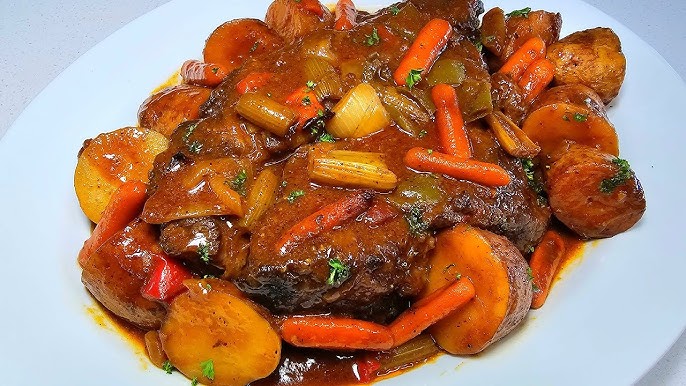
Chuck Tender Roast Recipe: A Chuck Tender Roast is a flavorful, affordable cut of beef that becomes wonderfully tender when cooked low and slow. When prepared the right way, it delivers a rich, hearty meal perfect for family dinners, weekend gatherings, or meal prep.
In this guide, we will walk through everything you need to know about making a delicious chuck tender roast, from the ingredients to the cooking process, serving ideas, storage tips, and helpful expert techniques.
What Is Chuck Tender Roast?
Despite the name, chuck tender roast is not naturally as tender as premium cuts like tenderloin. It comes from the shoulder area of the cow, which means it contains a good amount of connective tissue and muscle. However, that is exactly what makes it ideal for slow roasting or braising. With enough moisture and time, the meat transforms into a juicy, fork-tender roast packed with deep beefy flavor.
This cut is often chosen because it offers the perfect balance between taste, affordability, and versatility. It absorbs seasoning beautifully and pairs well with potatoes, carrots, onions, herbs, and rich pan juices.
Ingredients You’ll Need
Below is a classic ingredient list for a traditional chuck tender roast recipe.
For the Roast
- 3 to 4 pounds chuck tender roast
- 2 tablespoons olive oil
- 1 tablespoon salt
- 1 teaspoon black pepper
- 1 teaspoon garlic powder
- 1 teaspoon onion powder
- 1 teaspoon paprika
- 1 teaspoon dried thyme
- 1 teaspoon dried rosemary
For the Braising Base
- 1 large onion, sliced
- 4 cloves garlic, minced
- 3 cups beef broth
- 2 tablespoons tomato paste
- 1 tablespoon Worcestershire sauce
For the Vegetables
- 4 large carrots, peeled and cut into chunks
- 1½ pounds baby potatoes or chopped Yukon Gold potatoes
- 2 stalks celery, chopped
Optional Add-Ins
- 1 cup mushrooms
- 1 bay leaf
- Fresh parsley for garnish
- Cornstarch slurry for thickening gravy if desired
Kitchen Tools You May Need
To make this recipe easier and more effective, gather the following tools:
- Dutch oven or heavy roasting pan with lid
- Sharp knife
- Cutting board
- Measuring spoons
- Tongs
- Wooden spoon
- Meat thermometer
A Dutch oven is highly recommended because it distributes heat evenly and helps keep the roast moist throughout cooking.
Why This Chuck Tender Roast Recipe Works
This recipe works so well because it uses the key techniques that turn a firm cut of beef into a deeply satisfying meal:
1. Searing for Flavor
Searing the roast before slow cooking creates a golden-brown crust that adds depth and richness.
2. Moist Heat Cooking
A chuck tender roast benefits from braising, which means cooking it slowly in liquid. This helps break down tough fibers.
3. Aromatic Seasoning
Garlic, onion, thyme, rosemary, and paprika build a balanced flavor profile that enhances the beef without overpowering it.
4. Vegetables Cooked in the Same Pot
The vegetables soak up the savory juices from the roast, making them exceptionally delicious.
Step-by-Step Guide for Chuck Tender Roast
Step 1: Prepare the Roast
Remove the chuck tender roast from the refrigerator about 30 minutes before cooking. Letting it sit at room temperature briefly helps it cook more evenly. Pat the roast dry with paper towels. This is an important step because a dry surface helps the meat brown properly during searing.
In a small bowl, mix together the salt, black pepper, garlic powder, onion powder, paprika, dried thyme, and dried rosemary. Rub the seasoning mixture all over the roast, making sure every side is coated well.
Step 2: Sear the Meat
Heat 2 tablespoons of olive oil in a large Dutch oven over medium-high heat. Once the oil is hot, place the roast into the pot. Sear it for about 3 to 4 minutes per side until a rich brown crust forms. Use tongs to turn the roast carefully.
Do not rush this step. Searing does not lock in juices, but it does create a bold, savory flavor that gives the finished dish much more character.
Once browned on all sides, remove the roast and set it aside on a plate.
Step 3: Build the Flavor Base
In the same pot, add the sliced onion and cook for 2 to 3 minutes until it starts to soften. Stir in the minced garlic and cook for another 30 seconds until fragrant.
Next, add the tomato paste and stir it into the onions and garlic. Let it cook for about 1 minute to develop a richer flavor.
Pour in the beef broth and Worcestershire sauce, scraping the bottom of the pot with a wooden spoon to loosen any browned bits. These bits add tremendous flavor to the roast and gravy.
Step 4: Return the Roast to the Pot
Place the seared roast back into the Dutch oven. The liquid should come about halfway up the sides of the meat, not fully cover it. Add the bay leaf if using.
Arrange the carrots, potatoes, and celery around the roast. You can also add mushrooms at this point if you enjoy them.
Cover the pot with a lid.
Step 5: Slow Cook in the Oven
Preheat your oven to 325°F (163°C). Place the covered Dutch oven in the oven and cook for about 3 to 3½ hours.
The exact cooking time will depend on the size and thickness of the roast. Check for doneness by inserting a fork into the meat. It should be very tender and easy to pull apart. If it still feels tough, it likely needs more time.
A chuck tender roast is not the kind of cut you remove early. It becomes better as the connective tissue melts into the braising liquid.
Step 6: Check the Vegetables
About 2 hours into cooking, check the vegetables. If you prefer firmer vegetables, you can add them later in the cooking process. If they are already in the pot, make sure they are submerged at least partially in the broth so they cook evenly and absorb flavor.
Once the roast is tender, remove the pot from the oven.
Step 7: Rest the Roast
Transfer the roast to a cutting board and let it rest for 10 to 15 minutes before slicing. This resting period helps the juices redistribute through the meat, giving you a more flavorful and moist result.
Remove the vegetables and set them aside in a serving dish.
Step 8: Make the Gravy
If you want a thicker gravy, place the Dutch oven back on the stovetop over medium heat. Skim off excess fat if needed.
Mix 1 tablespoon cornstarch with 2 tablespoons cold water to form a slurry. Stir it into the cooking liquid and simmer for 2 to 3 minutes until slightly thickened.
Taste and adjust seasoning with more salt or pepper if necessary.
Step 9: Slice and Serve
Slice the roast against the grain for the most tender texture. If the roast is extremely tender, you may prefer to shred it gently into chunks instead of slicing.
Serve the meat with the cooked vegetables and spoon the rich gravy over the top. Garnish with fresh parsley for a bright finishing touch.
Tips for the Best Chuck Tender Roast
Choose the Right Pan
A heavy pan with a lid is essential for trapping moisture and ensuring even cooking.
Do Not Skip the Sear
That browned crust creates a much deeper overall flavor in the final dish.
Cook Low and Slow
This cut needs patience. High heat or short cooking time will leave it chewy.
Use Enough Liquid
The roast should braise, not bake dry. Keep enough broth in the pan throughout cooking.
Check for Tenderness, Not Just Temperature
While beef can be technically cooked through, it will not be enjoyable until the connective tissues have softened.
Common Mistakes to Avoid
1. Cooking It Too Fast
Chuck tender roast needs time. Rushing the process often results in a dry, tough roast.
2. Not Seasoning Enough
Because this is a large cut, seasoning generously is important.
3. Skipping Rest Time
Cutting immediately after cooking can cause juices to run out.
4. Using Too Little Braising Liquid
Too little broth can make the bottom burn and the roast dry out.
5. Overcooking Vegetables
If you like vegetables with more bite, add them later instead of at the start.
Serving Suggestions
Chuck tender roast is a complete comfort meal on its own, but it also pairs beautifully with other side dishes.
Best Side Dishes
- Mashed potatoes
- Buttered green beans
- Steamed rice
- Dinner rolls
- Roasted Brussels sprouts
- Creamy polenta
Topping Ideas
- Fresh parsley
- Cracked black pepper
- Extra gravy
- A touch of horseradish sauce
How to Store Leftovers
Allow the roast to cool completely before storing.
In the Refrigerator
Place leftovers in an airtight container and refrigerate for up to 4 days.
In the Freezer
Freeze the meat and gravy in freezer-safe containers for up to 3 months. Thaw overnight in the refrigerator before reheating.
How to Reheat
Reheat gently on the stovetop or in the oven with a little extra broth to keep the meat moist. Avoid overheating, as this can dry the beef.
Can You Make Chuck Tender Roast in a Slow Cooker?
Yes, absolutely. A slow cooker works very well for this cut.
Slow Cooker Method
- Season and sear the roast first.
- Transfer it to the slow cooker.
- Add onions, garlic, broth, Worcestershire sauce, tomato paste, and vegetables.
- Cook on low for 8 to 9 hours or on high for 5 to 6 hours.
The result will be tender, juicy, and easy to shred.
Can You Make It Without Vegetables?
Yes. You can cook the roast by itself and serve it with separate side dishes. In fact, some people prefer this method because it allows more control over vegetable texture. The roast will still be delicious with just onions, broth, and herbs in the pot.
Flavor Variations to Try
One of the best things about a chuck tender roast recipe is how flexible it is.
Garlic Herb Version
Use extra garlic, rosemary, thyme, and a splash of red wine for a more classic roast flavor.
Smoky Version
Add smoked paprika and a little chipotle powder for a subtle smoky depth.
Mushroom Roast
Include mushrooms and finish with a mushroom gravy for an earthy variation.
Rustic Tomato Roast
Use diced tomatoes along with broth for a slightly brighter, richer braising liquid.
Why Families Love This Recipe
There is something deeply satisfying about a meal like this. It is:
- Comforting
- Budget-friendly
- Easy to prepare
- Perfect for leftovers
- Packed with flavor
- Ideal for special dinners or everyday meals
A chuck tender roast recipe is the kind of meal that fills the house with irresistible aroma and brings everyone to the table.
FAQs about Chuck Tender Roast Recipe
1. What is a chuck tender roast?
A chuck tender roast is a cut of beef from the shoulder area. Despite the name, it is usually lean and firm, so it benefits from slow cooking to become tender.
2. Is chuck tender roast the same as chuck roast?
No. They come from a similar part of the animal, but they are not exactly the same. Chuck tender roast is leaner and can be a bit less juicy than a regular chuck roast.
3. What is the best way to cook chuck tender roast?
The best method is usually slow roasting, braising, or cooking in a slow cooker. Low and slow heat helps soften the meat and improve its texture.
4. Can I cook chuck tender roast in the oven?
Yes. It can be cooked in the oven with broth or other liquid in a covered pan or Dutch oven. This helps keep the meat moist while it cooks.
5. Why is my chuck tender roast tough?
It is often tough because it has not cooked long enough. This cut needs time and gentle heat for the connective tissue to break down properly.
6. Should I sear the roast first?
Yes, searing adds a richer flavor and gives the outside a better color. It is not required, but it can improve the final result.
7. What seasonings go well with chuck tender roast?
Common choices include salt, pepper, garlic, onion, rosemary, thyme, and paprika. These seasonings pair well with the rich beef flavor.
8. How should I store leftovers?
Store leftovers in an airtight container in the refrigerator for up to 3 to 4 days. You can also freeze the cooked roast for longer storage.
Final Thoughts
A well-made Chuck Tender Roast Recipe is the definition of a hearty, satisfying meal. With the right seasoning, proper searing, and low-and-slow cooking, this affordable cut transforms into a tender and flavorful centerpiece. Whether you serve it for Sunday dinner, a holiday meal, or a cozy family gathering, it is a recipe worth keeping in your collection.
The beauty of this dish lies in its simplicity. Basic ingredients, patient cooking, and a few classic techniques come together to create something deeply comforting and memorable. Once you master this recipe, you will have a dependable, impressive meal you can return to again and again.