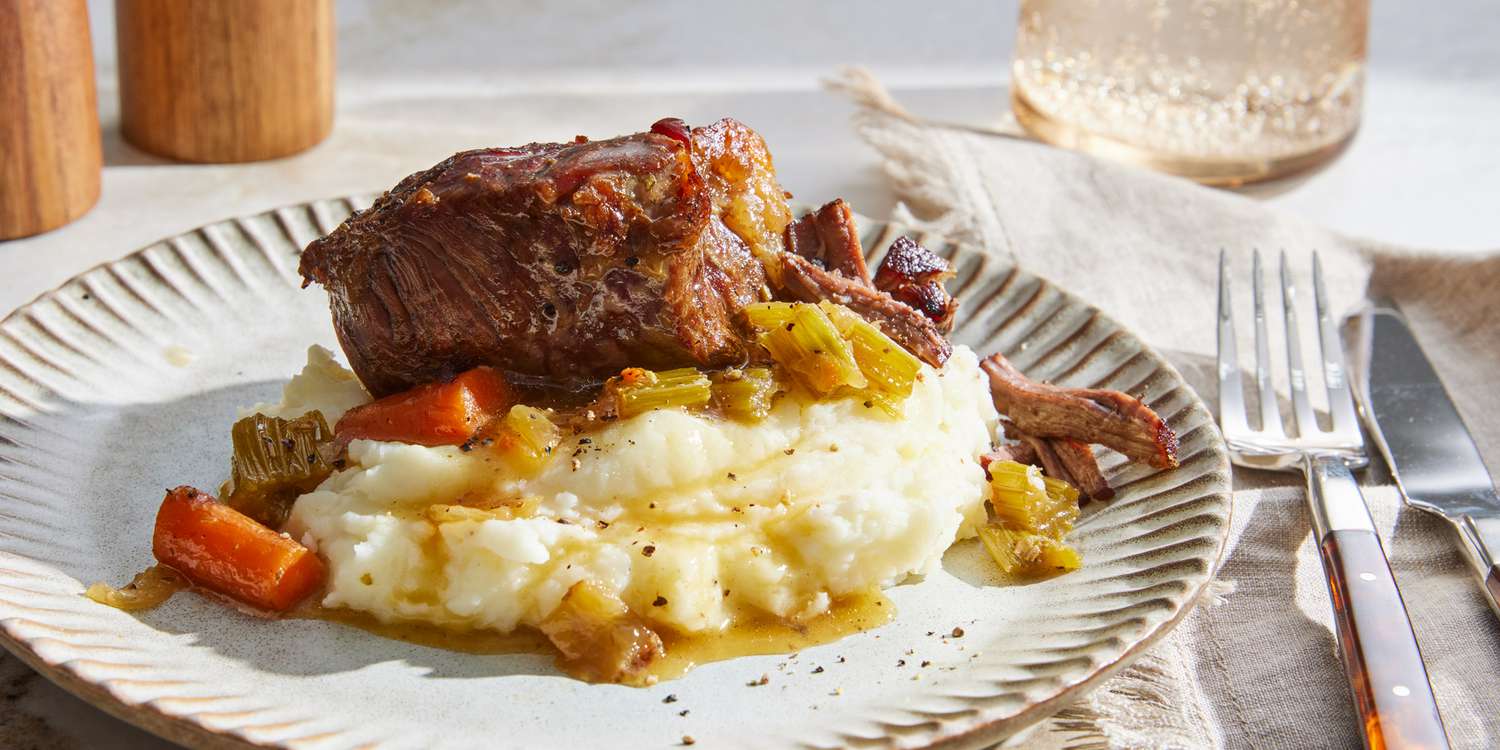
Beef Pot Roast Recipe: A beef pot roast is one of the most satisfying comfort meals we can prepare in a home kitchen. It is rich, tender, deeply flavorful, and perfect for a family dinner, weekend meal prep, or a special gathering where a hearty main dish is needed. A properly cooked pot roast delivers melt-in-your-mouth beef, soft vegetables, and a savory sauce that feels complete on its own or served over mashed potatoes, rice, or crusty bread.
The beauty of this dish lies in slow cooking. With the right cut of beef, balanced seasoning, proper searing, and enough simmering time, we can create a restaurant-quality roast using simple pantry ingredients. This guide covers everything needed to make a classic beef pot roast recipe with dependable results.
Ingredients You’ll Need
To make a flavorful and tender beef pot roast, we need the following ingredients:
For the Roast
- 3 to 4 pounds beef chuck roast
- 2 teaspoons salt
- 1 teaspoon black pepper
- 1 teaspoon garlic powder
- 1 teaspoon onion powder
- 2 to 3 tablespoons all-purpose flour
- 2 tablespoons olive oil
For the Vegetables
- 4 large carrots, peeled and cut into chunks
- 4 medium potatoes, peeled and cut into large pieces
- 2 celery stalks, cut into chunks
- 1 large onion, sliced thick
- 4 to 5 cloves garlic, minced
For the Cooking Liquid
- 2 cups beef broth
- 1 cup red wine or extra beef broth
- 2 tablespoons tomato paste
- 1 tablespoon Worcestershire sauce
- 2 sprigs fresh rosemary
- 2 sprigs fresh thyme
- 2 bay leaves
Optional for Gravy
- 1 to 2 tablespoons cornstarch
- 2 tablespoons cold water
These ingredients build deep flavor in layers. The beef brings richness, the vegetables provide body and sweetness, and the broth mixture forms the base of a delicious sauce.
Why Chuck Roast Is Best for Pot Roast
For the most tender and juicy result, beef chuck roast is the ideal choice. It comes from a hardworking part of the cow, which means it contains enough connective tissue and marbling to become incredibly soft when cooked slowly. While leaner cuts may dry out, chuck transforms into a fork-tender roast with a full, beefy flavor.
Other cuts such as brisket or round roast can work, but chuck roast remains the most reliable option when we want a traditional oven-braised beef pot roast.
How to Prepare Beef Pot Roast for Maximum Flavor
Before the roast goes into the oven or pot, preparation matters. We should begin by patting the beef dry with paper towels. This helps the surface brown properly. Then season it generously with salt, black pepper, garlic powder, and onion powder. A light coating of flour helps create a beautiful crust and slightly thickens the cooking liquid later.
Searing is essential. When we brown the roast on all sides in hot oil, we build a deep savory flavor that defines a great pot roast. This caramelized layer adds richness to the finished dish and gives the broth a stronger base.
Step-by-Step Guide for Beef Pot Roast
Step 1: Prepare the Beef
Start by patting the chuck roast dry with paper towels. This helps it brown properly. In a small bowl, mix the salt, black pepper, garlic powder, onion powder, and paprika. Rub this seasoning mixture all over the beef, covering every side well. Proper seasoning is important because it builds the base flavor of the entire dish.
Step 2: Sear the Roast
Heat the olive oil in a large Dutch oven or heavy pot over medium-high heat. Once the oil is hot, place the roast into the pot. Sear it for about 3 to 4 minutes per side until a deep brown crust forms. Do not rush this step. Browning the meat creates a rich, savory flavor that gives the pot roast its signature taste.
Step 3: Sauté the Aromatics
Remove the seared roast and set it aside on a plate. In the same pot, add the onions, celery, and minced garlic. Stir and cook for about 2 to 3 minutes until fragrant. Then add the tomato paste and cook for another minute. This deepens the flavor and adds richness to the broth.
Step 4: Build the Cooking Liquid
Pour in the beef broth and stir in the Worcestershire sauce, thyme, rosemary, and bay leaves. Use a wooden spoon to scrape up any browned bits stuck to the bottom of the pot. These bits are packed with flavor and will make the sauce even better.
Step 5: Return the Roast to the Pot
Place the seared roast back into the pot, nestling it into the liquid. The broth should come about halfway up the meat, not fully cover it. This allows the beef to braise slowly and become tender without losing texture.
Step 6: Add the Vegetables
Arrange the carrots and potatoes around the roast. These vegetables will absorb the rich juices as the roast cooks. Keeping the pieces large helps them stay firm and prevents them from becoming mushy during the long cooking time.
Step 7: Cook Low and Slow
Cover the pot with a tight-fitting lid and cook in a 325°F (163°C) oven for about 3 to 4 hours. You can also simmer it on very low heat on the stovetop if preferred. The roast is ready when it becomes fork-tender and easily pulls apart. Slow cooking is the secret to a juicy, tender beef pot roast.
Step 8: Check for Tenderness
After about 3 hours, carefully test the beef with a fork. If it still feels firm, continue cooking for another 30 to 60 minutes. Every roast is a little different, so the exact cooking time may vary depending on size and thickness.
Step 9: Make the Gravy (Optional)
Once the roast is done, remove the meat and vegetables from the pot. Skim off excess fat from the liquid if needed. To make a thicker gravy, mix the cornstarch and cold water in a small bowl, then stir it into the hot cooking liquid. Let it simmer for a few minutes until thickened.
Step 10: Serve and Enjoy
Slice or shred the beef and serve it with the cooked vegetables. Spoon the rich gravy over the top for extra flavor. A beef pot roast pairs beautifully with crusty bread, green beans, or a simple side salad.
How to Serve Beef Pot Roast
A classic beef pot roast dinner is best served hot with the cooked carrots, potatoes, onions, and a generous spoonful of gravy. We can present the roast in thick slices or gently shred it into large chunks for a more rustic serving style.
This dish pairs exceptionally well with:
- Mashed potatoes
- Buttered noodles
- Steamed rice
- Crusty artisan bread
- Green beans or roasted Brussels sprouts
For a complete and comforting plate, spoon extra gravy over the beef and vegetables just before serving.
Tips for the Best Beef Pot Roast
Use a Heavy Pot
A Dutch oven works best because it holds heat evenly and maintains moisture throughout the cooking process.
Do Not Skip Searing
This step creates the rich flavor base that separates an average roast from an outstanding one.
Cook Low and Slow
High heat does not tenderize tough beef properly. Slow braising is what makes the roast succulent and easy to pull apart.
Cut Vegetables Large
Large chunks of potatoes and carrots hold their shape better during long cooking.
Let the Roast Rest
Resting keeps the beef juicy and prevents the juices from running out too quickly when sliced.
Common Mistakes to Avoid
One common mistake is not allowing enough cooking time. Pot roast is not a fast recipe. If the beef feels chewy, it usually needs more time rather than less. Another issue is adding too much liquid. The roast should be partially submerged, not floating.
Using a lean cut is also a mistake if the goal is tenderness. A well-marbled chuck roast gives the best texture and flavor. Another detail that matters is seasoning. A large piece of beef requires a generous amount of seasoning to ensure every bite tastes complete.
How to Store and Reheat Pot Roast
Leftover beef pot roast stores very well, which makes it perfect for meal planning. Place the cooled beef, vegetables, and sauce in an airtight container and refrigerate for up to 4 days. For longer storage, freeze in sealed containers for up to 3 months.
To reheat, place the roast and sauce in a covered pan over low heat until warmed through. Adding a small splash of broth helps maintain moisture. Microwave reheating also works, but gentle stovetop reheating preserves the texture better.
Why This Beef Pot Roast Recipe Works
This recipe works because every stage contributes to the final result. The seasoning creates a flavorful surface, the searing builds richness, the vegetables add sweetness, and the braising liquid infuses the beef over time. The low oven temperature allows the connective tissue in the chuck roast to break down naturally, producing a tender and deeply savory dish.
A good homemade beef pot roast recipe does not rely on complicated techniques. It depends on sound preparation, proper timing, and quality ingredients handled with care. When made this way, the roast becomes soft, juicy, and loaded with classic comfort-food flavor.
FAQs about Beef Pot Roast Recipe
1. What cut of beef is best for pot roast?
Chuck roast is the most popular choice because it becomes tender and flavorful after slow cooking. Brisket and bottom round can also work well.
2. Why is my pot roast tough?
Pot roast usually turns tough when it has not cooked long enough. This dish needs low, slow cooking so the connective tissue breaks down and the meat becomes tender.
3. Should I brown the meat first?
Yes, browning the roast before slow cooking adds deeper flavor and improves the overall taste of the dish. It is a simple step that makes a big difference.
4. What vegetables go well with beef pot roast?
Classic choices include carrots, potatoes, onions, and celery. These vegetables cook nicely with the meat and soak up the rich juices.
5. Can I make pot roast in a slow cooker?
Yes. A slow cooker is one of the easiest ways to make beef pot roast. It helps the meat cook gently over several hours until it is very tender.
6. How much liquid do I need?
You do not need to fully cover the roast. Usually broth, stock, or a mix of broth and wine about one-third to halfway up the meat is enough.
7. How do I know when pot roast is done?
It is done when the beef is fork-tender and pulls apart easily. If it still feels firm, it likely needs more cooking time.
8. How should I store leftovers?
Store leftover pot roast in an airtight container in the refrigerator for up to 3 to 4 days. It also freezes well for longer storage.
Final Thoughts
A well-made beef pot roast is timeless. It is hearty, flavorful, and dependable, making it one of the best meals for family dinners, special Sunday cooking, or whenever a deeply satisfying dish is needed. With a good chuck roast, aromatic vegetables, and a slow braise in a savory broth, we can create a meal that tastes rich, balanced, and beautifully homemade.
This is the kind of recipe worth returning to again and again because it delivers the same reward every time: tender beef, soft vegetables, and a deeply flavorful sauce in every serving.