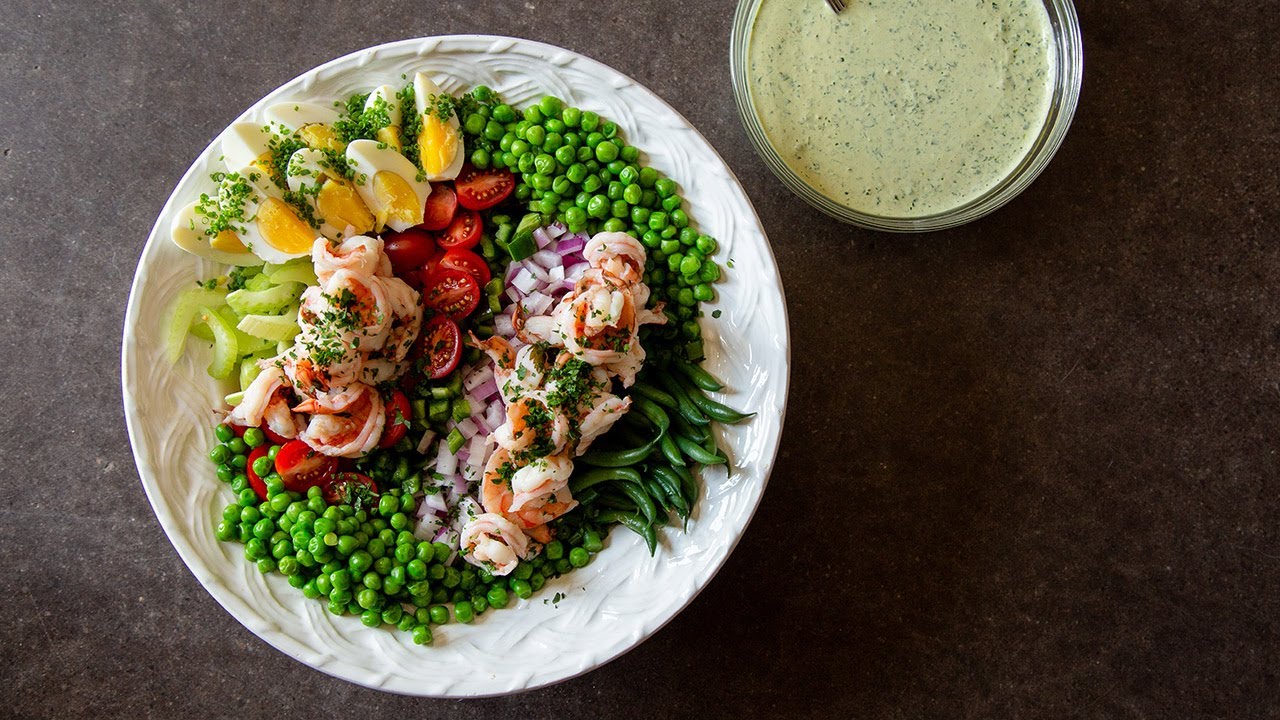
Chopped Salad Recipe: A chopped salad recipe is one of the most practical, flavorful, and visually appealing dishes we can prepare for lunch, dinner, meal prep, or entertaining. What makes it exceptional is the balance of fresh vegetables, crisp texture, bold dressing, and evenly cut ingredients that deliver flavor in every bite. Unlike ordinary salads with oversized leaves and uneven toppings, a properly made chopped salad is carefully prepared so that each forkful contains a little of everything.
This makes it ideal for anyone seeking a dish that feels fresh, satisfying, and easy to customize. Whether we want a lighter side dish or a complete meal, chopped salad gives us flexibility without sacrificing taste. With the right ingredients, a simple homemade dressing, and a few smart preparation techniques, we can create a salad that tastes restaurant-quality while remaining easy enough for everyday cooking.
What Is a Chopped Salad?
A chopped salad is a salad made with ingredients that are cut into small, uniform pieces. This method is the defining characteristic of the dish. Instead of large lettuce leaves and chunky toppings placed on top, every ingredient is chopped into bite-sized pieces and mixed together evenly.
The result is a salad that is easier to eat, more balanced in flavor, and more attractive in presentation. It often includes a combination of lettuce, crunchy vegetables, protein, cheese, fresh herbs, and a zesty dressing. Because of its structure, it is also one of the best salads for meal prep and serving to guests.
Why This Chopped Salad Recipe Works
This recipe works because it focuses on the key details that matter most: texture, contrast, and consistency. Crisp romaine provides structure, cucumbers and bell peppers add freshness, tomatoes bring juiciness, red onion adds bite, and a balanced dressing ties everything together. Optional add-ins such as chickpeas, grilled chicken, avocado, feta, or salami can turn it into a more filling dish.
Another reason this salad performs so well is that every ingredient is cut small enough to combine beautifully. That makes the final salad more cohesive and flavorful. It is fresh, colorful, easy to adapt, and suitable for both casual family meals and elegant presentation.
Ingredients You’ll Need
Below is a classic ingredient list for a homemade chopped salad recipe that is fresh, vibrant, and full of flavor.
For the Salad
- 1 large head romaine lettuce, washed and dried
- 1 cup cucumber, diced
- 1 cup cherry tomatoes, halved or chopped
- 1 red bell pepper, diced
- 1 yellow bell pepper, diced
- 1/2 red onion, finely chopped
- 1 cup sweet corn, cooked or canned and drained
- 1 cup chickpeas, drained and rinsed
- 1/2 cup black olives, sliced
- 1 avocado, diced
- 1/2 cup feta cheese or shredded mozzarella
- 2 tablespoons fresh parsley, chopped
- 2 tablespoons fresh basil, chopped
Optional Protein Additions
- Grilled chicken breast
- Boiled eggs
- Turkey breast
- Tuna
- Salami
- Tofu
For the Dressing
- 1/4 cup extra virgin olive oil
- 2 tablespoons red wine vinegar
- 1 tablespoon fresh lemon juice
- 1 teaspoon Dijon mustard
- 1 teaspoon honey
- 1 small garlic clove, minced
- 1/2 teaspoon salt
- 1/4 teaspoon black pepper
- 1/2 teaspoon dried oregano
How to Choose the Best Ingredients
A good chopped salad starts with fresh produce. Romaine lettuce is an excellent base because it is crisp and sturdy. Iceberg lettuce can also be used for extra crunch, while a blend of romaine and green leaf lettuce creates a softer texture with body. Cucumbers should be firm and fresh. Bell peppers should feel heavy and glossy. Tomatoes should be ripe but not overly soft so they do not water down the salad.
For cheese, feta brings saltiness and tang, while mozzarella adds a milder creaminess. Avocado adds richness, but it is best added just before serving. If using protein, grilled chicken is one of the best options because it holds up well and makes the salad more complete.
Step-by-Step Guide for Chopped Salad
Step 1: Wash and Dry the Vegetables
Begin by washing all vegetables thoroughly under cold water. Lettuce should be rinsed carefully to remove any grit hidden between the leaves. Once washed, dry everything completely. This step is essential because excess moisture can dilute the dressing and make the salad soggy.
A salad spinner works especially well for drying lettuce, but clean kitchen towels or paper towels also work. Dry vegetables help the dressing cling better and preserve the crisp texture that makes a chopped salad so appealing.
Step 2: Prepare the Lettuce Base
Place the romaine lettuce on a cutting board and slice it into thin strips, then cross-cut those strips into small pieces. The goal is to create bite-sized chopped lettuce that blends easily with the other ingredients. Avoid making the pieces too large, as the beauty of a chopped salad lies in its even texture.
Transfer the chopped lettuce to a large mixing bowl. Use a bowl with enough space to toss the salad comfortably without spilling ingredients.
Step 3: Chop the Vegetables Evenly
Dice the cucumber, bell peppers, onion, and tomatoes into small, uniform pieces. This consistency is important because it ensures that every bite contains a balanced combination of flavors. Slice the olives, chop the herbs, and prepare any additional ingredients such as avocado or protein.
Try to keep the size of each ingredient relatively similar. This improves not only the appearance of the salad but also how it feels when eaten. A well-chopped salad should be easy to scoop up with a fork and enjoyable in every bite.
Step 4: Prepare the Dressing
In a small bowl or jar, combine the olive oil, red wine vinegar, lemon juice, Dijon mustard, honey, minced garlic, salt, black pepper, and oregano. Whisk until smooth and fully blended. If using a jar, close the lid tightly and shake vigorously until the dressing emulsifies.
The flavor should be bright, slightly tangy, and balanced with a mild hint of sweetness. Taste and adjust if needed. A little more lemon juice can sharpen the flavor, while a touch more honey can soften the acidity.
Step 5: Combine the Salad Ingredients
Add the cucumber, tomatoes, bell peppers, red onion, corn, chickpeas, olives, cheese, and herbs into the bowl with the chopped lettuce. If using protein such as grilled chicken or boiled eggs, add it now. Reserve avocado for last if possible so it holds its shape.
At this stage, the salad should already look colorful and abundant. The mix of greens, reds, yellows, and creamy accents makes it visually appealing and ideal for both casual meals and presentation on a dining table.
Step 6: Dress the Salad Properly
Pour the dressing over the salad gradually rather than all at once. Toss gently using large spoons or salad tongs until everything is lightly coated. We want the dressing to enhance the ingredients, not overpower them.
A common mistake is overdressing the salad. Chopped salad tastes best when every piece is lightly coated and still fresh, not soaked. Start with part of the dressing, toss, and add more only if needed.
Step 7: Add Final Ingredients and Serve
Add diced avocado at the end and fold it in gently. This prevents it from turning mushy. Once everything is mixed, transfer the salad to a serving bowl or platter. Finish with a little extra cheese, herbs, or a crack of black pepper for a polished look.
Serve immediately for maximum crunch and freshness.
Best Dressing Pairings for Chopped Salad
Although the red wine vinaigrette in this recipe is a strong all-purpose option, chopped salad can also pair beautifully with several other dressings depending on the flavor profile we want.
A lemon herb vinaigrette brings brightness and a clean finish. A creamy garlic dressing adds richness and depth. An Italian dressing works especially well if using salami, mozzarella, and olives. A balsamic vinaigrette gives the salad a slightly sweeter and more robust flavor.
The best dressing is one that complements the ingredients without masking their freshness.
Easy Variations of Chopped Salad
One of the greatest strengths of a chopped salad recipe is how easy it is to customize. We can create multiple variations using the same chopping method and base preparation.
Mediterranean Chopped Salad
Use romaine, cucumbers, tomatoes, olives, red onion, chickpeas, feta, and a lemon-oregano dressing.
Italian Chopped Salad
Add salami, mozzarella, pepperoncini, tomatoes, olives, and an Italian vinaigrette.
Southwest Chopped Salad
Use black beans, corn, avocado, tomatoes, cheddar cheese, cilantro, and a lime dressing.
Protein-Packed Chopped Salad
Add grilled chicken, hard-boiled eggs, chickpeas, seeds, and extra vegetables for a filling meal.
Low-Carb Chopped Salad
Skip corn and chickpeas, then focus on lettuce, cucumber, avocado, cheese, eggs, and grilled chicken.
How to Keep Chopped Salad Fresh
To keep chopped salad fresh, store the ingredients separately when possible. Lettuce should be washed, dried, and refrigerated in an airtight container lined with paper towel. Chopped vegetables can be stored in separate containers. Dressing should be refrigerated in a sealed jar.
When ready to serve, combine the ingredients and add dressing just before eating. If the salad is already dressed, it is best consumed the same day. Avocado should also be added only at the last minute to prevent browning.
Common Mistakes to Avoid
A few small mistakes can reduce the quality of a chopped salad significantly. Wet lettuce is one of the biggest issues because it makes the salad watery. Uneven chopping can also disrupt the texture. Too much onion can overpower the whole bowl, while too much dressing can make the salad heavy.
Another mistake is underseasoning. Even a fresh salad needs enough salt, acid, and balanced dressing to taste complete. Careful preparation turns a basic vegetable bowl into a memorable dish.
Serving Ideas
This chopped salad recipe pairs well with many meals. It can be served beside grilled chicken, roasted fish, steak, sandwiches, wraps, pasta, or soup. It also works as a main course when topped with extra protein.
For gatherings, serve it on a wide platter and finish with extra herbs and cheese for a restaurant-style look. For lunch, portion it into containers and keep the dressing separate until ready to eat.
Why Chopped Salad Is Perfect for Meal Prep
Meal prep works especially well with chopped salad because the ingredients are already cut into ready-to-use pieces. Once the vegetables are washed and chopped, assembling a fresh salad becomes quick and convenient. This makes it ideal for busy weekdays, office lunches, or healthy eating plans.
The key is storing ingredients correctly and avoiding early dressing. With that one simple rule, a chopped salad can remain crisp, fresh, and flavorful for several days.
FAQs about Chopped Salad Recipe
1. What is a chopped salad?
A chopped salad is a salad where all the ingredients are cut into small, bite-sized pieces. This makes it easy to eat and helps every bite include a mix of flavors and textures.
2. What ingredients go into a chopped salad?
A chopped salad can include lettuce, cucumbers, tomatoes, onions, peppers, cheese, beans, chicken, eggs, or nuts. The recipe is very flexible, so you can use what you have on hand.
3. What is the best lettuce for chopped salad?
Romaine, iceberg, green leaf, and mixed greens all work well. Romaine is especially popular because it stays crisp and adds a fresh crunch.
4. Can I make chopped salad ahead of time?
Yes, but it is best to store the dressing separately until serving. This keeps the vegetables crisp and prevents the salad from becoming soggy.
5. What dressing goes well with chopped salad?
Many dressings work well, including Italian, ranch, vinaigrette, balsamic, or lemon dressing. The best choice depends on the ingredients you use and the flavor you want.
6. How do I keep chopped salad fresh?
Store it in an airtight container in the refrigerator and keep wet ingredients and dressing separate when possible. It is best eaten within 1 to 2 days.
7. Can I add protein to chopped salad?
Yes. Grilled chicken, tuna, chickpeas, beans, boiled eggs, tofu, or turkey can turn a simple chopped salad into a filling meal.
8. Why is everything chopped small?
The small pieces make the salad easier to mix, easier to eat, and more balanced in flavor. It also gives the salad its signature texture and look.
Final Thoughts
A well-made chopped salad recipe delivers everything we want in a fresh dish: crunch, color, balance, and full flavor in every bite. Its beauty lies in its simplicity, but the result feels elevated when we focus on fresh ingredients, uniform chopping, and a carefully balanced dressing.
Whether we serve it as a side, a light lunch, or a hearty main dish with added protein, chopped salad remains one of the most versatile recipes we can keep in regular rotation. It is easy to adapt, simple to prepare, and consistently satisfying. With the step-by-step method above, we can create a chopped salad that looks beautiful, tastes fresh, and works for nearly any occasion.