Chocolate Custard Recipe: There is something almost magical about chocolate custard. It sits right in that sweet spot between comfort food and elegant dessert, which is probably why people keep coming back to it generation after generation.
One spoonful feels silky, rich, and deeply satisfying, yet it does not need fancy techniques or rare ingredients to taste incredible. That is the charm of it. It is simple enough for a home cook on a regular weeknight, but impressive enough to serve at a dinner party when you want people to pause and say, “Wait, you made this yourself?”
This guide breaks the process down in a clear and practical way so you can make a professional-looking chocolate custard at home. From the ingredients to the exact cooking method, every step matters. The good news is that none of it is difficult when you understand what the custard needs. Think of it like building something delicate but dependable: a little patience, a little attention, and a very delicious reward at the end.
What Makes a Good Chocolate Custard
A truly good chocolate custard recipe is not just about making something sweet. It is about getting the structure, flavor, and consistency just right so every spoonful feels smooth and balanced. Good custard should hold its shape gently while still feeling creamy on the tongue. It should not be runny like chocolate milk, and it should not be thick like pudding straight from a packet. The sweet spot is somewhere in between—rich, soft, and elegant.
The first thing that defines quality is the texture. Custard is built on eggs, dairy, and careful heat. That means the cooking process matters just as much as the ingredients themselves. If the heat is too high, the eggs can scramble. If the mixture is not cooked enough, the custard stays thin and never sets properly. So yes, chocolate brings the flavor, but technique brings the final result to life. Think of chocolate as the singer and the custard base as the sound system. Even the best voice needs the right setup.
Flavor is the second big factor. A good chocolate custard tastes clearly of chocolate, but it should also have depth. That often comes from using a combination of quality cocoa powder, chopped chocolate, vanilla, and a small pinch of salt. Salt may seem tiny in quantity, but it has a huge job. It sharpens the chocolate and keeps the sweetness from becoming flat or one-dimensional. That is the difference between “pretty good” and “can I have seconds?”
Balance matters too. Too much sugar can mute the chocolate. Too little fat can make the custard feel thin. Too much chocolate can make it dense or overly intense. A professional result comes from harmony, not excess. You want a dessert that tastes indulgent without becoming overwhelming.
The best part is that once you understand these basics, making perfect custard becomes far less intimidating. Instead of guessing, you start recognizing what the mixture should look like, how it should coat the spoon, and when it is ready to chill. That is when homemade custard stops feeling tricky and starts feeling almost effortless.
Texture, Flavor, and Balance
When people remember a great dessert, they usually talk about flavor first, but with chocolate custard, texture is just as important. The texture should be glossy, smooth, and spoonable, with no graininess or lumps. It should glide across the tongue instead of sitting heavily on it. That silky feel comes from properly cooked egg yolks and dairy working together. It is a little like magic, except the magic comes from patience and low heat.
Flavor needs to be layered rather than loud. Chocolate is the star, of course, but if it is the only note you taste, the custard can feel flat. Adding vanilla softens the edges of the cocoa, while a pinch of salt deepens the overall profile. If you use good-quality chocolate, you get more than sweetness—you get complexity. Some chocolates bring fruity notes, others feel roasted or earthy, and those small differences show up beautifully in custard.
Balance is where home cooks often win or lose. Too much sugar can turn the dessert into a sugary blur. Too much cream without enough chocolate can make it feel rich but forgettable. Too many egg yolks can make it taste overly eggy. A well-balanced custard feels intentional, almost like every ingredient knows its role and stays in its lane.
What you are aiming for is a dessert that feels luxurious but not exhausting. You want someone to finish a serving and immediately think about another bite. That is the beauty of balance. It makes the custard feel polished and professional, even though it came from a simple home kitchen. Once you get those three things right—texture, flavor, and balance—your chocolate custard stops being just another dessert and starts becoming a recipe people ask you to make again.
Common Mistakes Home Cooks Make
Even though chocolate custard is a fairly straightforward dessert, there are a few classic mistakes that can trip people up. The biggest one is rushing. Custard does not reward impatience. Turn the heat too high, and the eggs can curdle before you know it. It is one of those desserts that asks you to slow down and stay present. Think of it like watering a plant—you cannot pour an entire bucket at once and expect better results.
Another common mistake is skipping the tempering step. When hot milk is poured too quickly into egg yolks, the eggs can cook on contact and create tiny scrambled bits. That ruins the smoothness you want. Tempering simply means adding the hot liquid slowly while whisking constantly, so the eggs warm up gradually. It sounds technical, but it is really just a gentle introduction between two ingredients that need to get along.
Using low-quality chocolate is another issue. Since chocolate is the main flavor, you really do taste the difference. Cheap chocolate can be overly sweet, waxy, or dull, and no amount of vanilla can completely rescue that. The same goes for cocoa powder. A rich, unsweetened cocoa makes a deeper and more satisfying custard.
Many people also undercook or overcook the custard because they rely only on time instead of paying attention to visual clues. Custard is ready when it thickens enough to coat the back of a spoon. Draw your finger through it, and the line should stay visible. That tells you the mixture has reached the right consistency. If you keep cooking beyond that point, the texture may become grainy.
One last mistake is not straining the custard before chilling. Even if it looks smooth, straining catches any tiny lumps and gives you that professional finish. It is a tiny step with a big payoff. When people say a homemade dessert tastes restaurant-quality, it is often because of little details exactly like this.
Ingredients You’ll Need
The beauty of this dessert is that the ingredient list is short, familiar, and easy to find. You do not need a long shopping list or specialty items to make a rich and smooth chocolate custard. What matters most is choosing ingredients with decent quality because every single one plays a visible role in the final taste and texture.
Core Ingredients
For this chocolate custard recipe, you will need:
- 2 cups whole milk
- 1 cup heavy cream
- 4 large egg yolks
- 1/2 cup granulated sugar
- 2 tablespoons unsweetened cocoa powder
- 120 grams dark or semi-sweet chocolate, finely chopped
- 1 teaspoon vanilla extract
- A small pinch of salt
These ingredients create a custard that is rich, smooth, and deeply chocolatey. The whole milk provides body without making the dessert too heavy, while the heavy cream adds that luxurious mouthfeel everyone wants in a custard. Egg yolks are the heart of the recipe because they thicken the mixture and create the classic custard texture. Sugar sweetens and balances the slight bitterness of the cocoa and dark chocolate.
The combination of cocoa powder and chopped chocolate is a smart move because it creates deeper flavor than using only one or the other. Cocoa powder brings a concentrated chocolate base, while melted chocolate adds richness and silkiness. Vanilla extract rounds everything out, and that little pinch of salt quietly sharpens the flavor in the background.
Optional Ingredients for Extra Flavor
If you want to add a personal touch, a few optional ingredients can make the recipe feel more special:
- 1/2 teaspoon instant coffee or espresso powder for deeper chocolate flavor
- A pinch of cinnamon for warmth
- Orange zest for a bright citrus note
- Whipped cream for serving
- Chocolate shavings or cocoa powder for garnish
- Fresh berries for contrast and freshness
These extras are not necessary, but they can elevate the dessert in a very natural way. Coffee, for example, does not make the custard taste like coffee. It simply nudges the chocolate flavor forward, almost like turning up the contrast in a photo. That is why many professional bakers use it in chocolate desserts.
Kitchen Tools That Make the Process Easier
You do not need a professional pastry kitchen to make homemade chocolate custard, but having the right tools definitely makes the process smoother. A medium saucepan is essential because it gives you enough room to heat the milk and cream evenly without risking spills. A heavy-bottomed pan works especially well because it helps prevent scorching, which matters when dairy and chocolate are involved. Custard is gentle by nature, so it needs equipment that encourages even, controlled heat.
A good whisk is one of the most important tools here. You will use it to combine the egg yolks and sugar, to temper the eggs, and to keep the custard smooth while it cooks. This is not the time for lazy stirring with a spoon. A whisk helps break up clumps and creates a more uniform mixture. It is the quiet hero of the whole recipe.
You will also want a heatproof bowl for mixing the eggs, plus a fine-mesh strainer. That strainer might seem optional at first glance, but it really is worth using. Even if your custard looks smooth, straining it catches tiny bits of cooked egg or unmelted chocolate and gives the final dessert a polished, silky finish. That one detail can make homemade custard feel bakery-level.
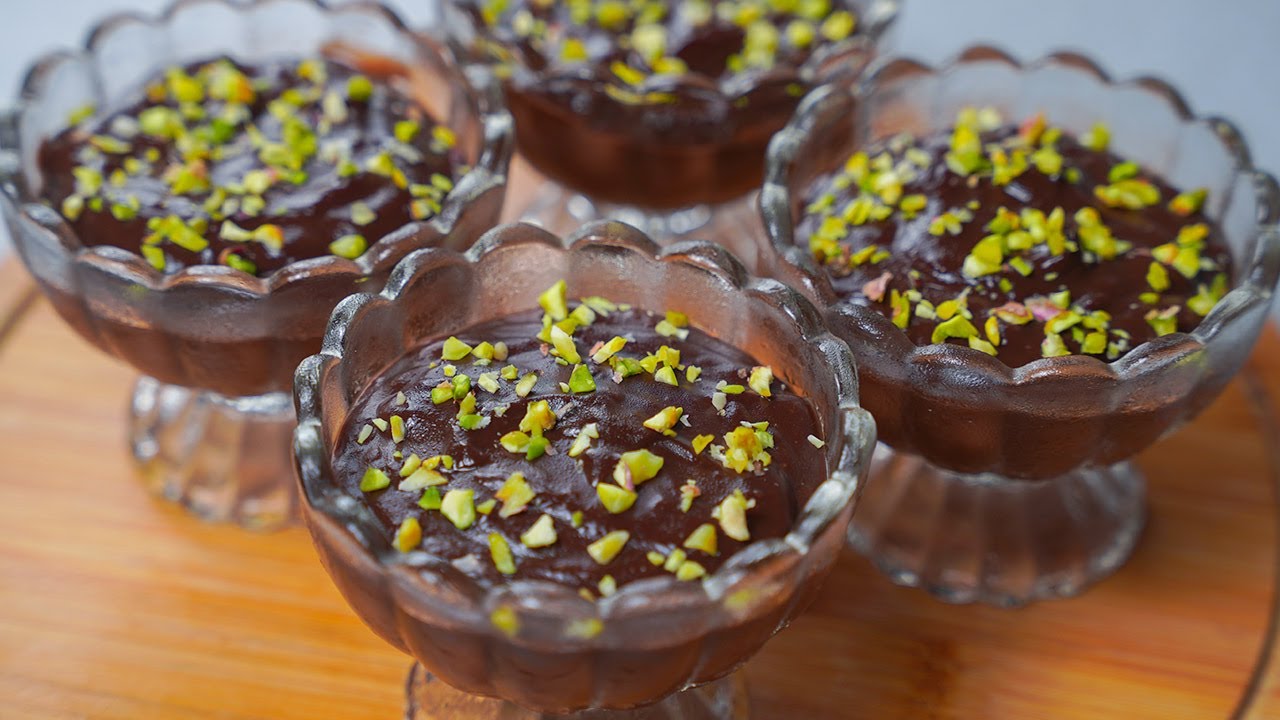
Small ramekins, dessert glasses, or serving bowls are useful for chilling and serving the custard. Clear glass cups can make the dessert look especially elegant because they show off the glossy texture. A ladle helps transfer the custard neatly, but a measuring cup with a spout works too.
If you have a thermometer, it can be helpful, though it is not mandatory. Custard usually thickens around 170°F to 175°F, but visual cues matter just as much. Once you see it coating the back of a spoon, you are in good shape. In the end, the best tools are the ones that help you stay calm and precise. Chocolate custard is not difficult, but it does appreciate a cook who is organized and paying attention.
Choosing the Best Chocolate for Custard
Since chocolate is the main event in this recipe, the kind you choose matters a lot. A professional chocolate custard starts with chocolate that actually tastes good on its own. If you would not enjoy eating it plain, it probably will not give your custard the deep, satisfying flavor you want. That does not mean you need the most expensive chocolate in the store, but it does mean quality counts.
Dark chocolate and semi-sweet chocolate are the best choices for most people because they create a rich flavor without becoming too sugary. Around 60% to 70% cocoa is usually a great range. It gives you enough intensity to taste truly chocolatey while still blending smoothly into the creamy custard base. Milk chocolate can work, but it often makes the final result sweeter and less complex.
Chocolate chips are usually not the best option because they are made to hold their shape during baking. That means they can contain stabilizers that affect how smoothly they melt. A chopped chocolate bar is usually a better choice. It melts more evenly and gives a silkier finish.
Cocoa powder also plays a big role. Using a good-quality unsweetened cocoa deepens the overall flavor and adds a darker, more rounded chocolate note. Dutch-processed cocoa gives a smoother, less acidic flavor, while natural cocoa has a sharper bite. Both can work, but the final taste will be slightly different.
This is one of those recipes where small ingredient upgrades create noticeable results. Better chocolate means deeper flavor, smoother texture, and a dessert that tastes more thoughtful from the first spoonful to the last. If custard is the stage, chocolate is the performer under the spotlight. So yes, choose carefully.
Cocoa Powder vs Melted Chocolate
A lot of people wonder whether they should use cocoa powder, melted chocolate, or both in custard. The truth is that each one brings something different to the dessert. Cocoa powder gives a bold, concentrated chocolate flavor. It blends into the milk easily and adds depth without extra fat. Melted chocolate, on the other hand, contributes richness, body, and a smoother finish.
Using only cocoa powder can create a good result, but the texture may feel a little lighter and less luxurious. Using only melted chocolate can be delicious too, but sometimes the flavor is not as intense or layered as it could be. That is why combining both is often the smartest approach. Cocoa powder builds the chocolate backbone, while melted chocolate rounds it out and makes it feel indulgent.
Think of cocoa powder as the foundation and melted chocolate as the polished top layer. One gives structure, the other gives shine. Together, they create a fuller and more complex dessert. That balance is part of what makes this recipe taste more professional than a basic chocolate pudding.
Dark, Milk, or Semi-Sweet Chocolate
The type of chocolate you use shapes the personality of the custard. Dark chocolate creates a deeper, slightly more intense dessert with a richer finish. It is great for people who want their chocolate flavor to feel bold and elegant. Semi-sweet chocolate is often the safest all-around choice because it balances sweetness and cocoa depth beautifully. It gives you that familiar chocolate dessert taste without becoming too sweet or too bitter.
Milk chocolate makes the custard softer, sweeter, and more mellow. It can be lovely, especially for kids or anyone who prefers gentler chocolate desserts. But because milk chocolate contains more sugar and milk solids, the custard can lose some intensity. You may need to reduce the sugar a little if you use it.
For a professional-style result, dark or semi-sweet usually wins. They bring the kind of flavor that feels mature, balanced, and full. It is the difference between a dessert that tastes pleasant and one that tastes memorable.
Step-by-Step Guide for Chocolate Custard
Now for the part that matters most: how to actually make the custard. This step-by-step chocolate custard guide keeps things clear and manageable, so you can move through the process with confidence instead of guesswork.
Step 1 – Prepare Your Ingredients
Measure all your ingredients before you begin, including milk, cream, egg yolks, sugar, chocolate, and vanilla. Chop the chocolate into small pieces so it melts quickly and evenly later. Having everything ready makes the cooking process smoother and helps prevent mistakes.
Step 2 – Heat the Milk and Cream
Pour the milk and cream into a saucepan and place it over medium heat. Warm the mixture gently until it is hot but not boiling. Stir occasionally so it heats evenly and does not scorch at the bottom.
Step 3 – Whisk Egg Yolks and Sugar
In a separate bowl, whisk the egg yolks and sugar together until the mixture looks smooth and slightly lighter in color. This step helps create the rich base for the custard. Make sure the sugar is well combined with the yolks.
Step 4 – Temper the Eggs Carefully
Slowly pour a small amount of the hot milk mixture into the egg yolks while whisking constantly. This gently raises the temperature of the eggs without scrambling them. Continue adding a little more warm liquid until the mixture is smooth and warmed through.
Step 5 – Cook the Custard Until Thickened
Pour the tempered egg mixture back into the saucepan and cook over low heat, stirring constantly. Keep stirring until the custard thickens enough to coat the back of a spoon. Do not let it boil, or the eggs may curdle.
Step 6 – Add Chocolate and Flavoring
Remove the custard from the heat and add the chopped chocolate and vanilla. Stir until the chocolate melts completely and the custard becomes smooth, rich, and glossy.
Step 7 – Strain and Chill
Pour the custard through a fine strainer into a clean bowl to remove any small lumps. Let it cool slightly, then chill in the refrigerator until set. Serve cold.
Tips for Serving Chocolate Custard Beautifully
Serving matters more than people sometimes realize. A good dessert can become a memorable one just by being presented with a little care. Chocolate custard already has natural elegance because of its glossy, silky look, so it does not need much. A few thoughtful touches go a long way.
You can spoon the chilled custard into small glass dessert cups, ramekins, or even espresso glasses for a stylish presentation. Top it with softly whipped cream for contrast, then add shaved chocolate, cocoa dust, or a few fresh berries. The dark richness of the custard looks especially beautiful beside bright raspberries or strawberries. That bit of color makes the dessert feel polished without turning it into a complicated project.
Texture contrast also helps. A few toasted hazelnuts, crushed biscuits, or chocolate curls can make each spoonful more interesting. It is like adding a little crunch to a song that already has a smooth melody. You do not need much—just enough to keep every bite engaging.
Serve the custard chilled, straight from the fridge, for the best consistency. If it sits out too long, it softens. That is not a disaster, but the texture is nicest when cool and set. Whether you are serving guests or treating yourself quietly after dinner, presentation gives the dessert that final touch of intention. It says this was not just made—it was cared for.
How to Store and Make It Ahead
One of the best things about this easy chocolate custard recipe is that it is a fantastic make-ahead dessert. In fact, it needs chilling time anyway, which means it naturally fits into party prep, holiday menus, or simply planning dessert before a busy evening. Once the custard is poured into ramekins or storage containers, cover it well and place it in the refrigerator.
It will usually keep well for about 3 to 4 days in the fridge. The key is making sure the surface is protected so it does not develop a skin or absorb fridge odors. Pressing plastic wrap directly onto the surface works best. If you prefer to store it in an airtight container, that works too, though the plastic wrap method still gives the smoothest top.
Do not freeze custard if you want the best texture. Freezing can cause separation and make the custard watery or grainy when thawed. Since the texture is such a big part of the dessert’s appeal, refrigeration is the safer and smarter option.
Making it ahead can actually improve the dessert because the flavor settles and deepens as it chills. The chocolate tastes more rounded, and the custard becomes more velvety. It is one of those rare desserts that asks for patience and then genuinely rewards it.
FAQs about Chocolate Custard Recipe
1. What is chocolate custard?
Chocolate custard is a smooth, creamy dessert made with milk, cream, egg yolks, sugar, and chocolate. It has a rich texture and can be served chilled as a pudding-like treat.
2. Why are egg yolks used in custard?
Egg yolks help thicken the custard and give it a rich, silky texture. They are one of the key ingredients that make custard smooth and creamy.
3. What does it mean to temper the eggs?
Tempering means slowly adding hot liquid to the egg mixture while whisking constantly. This helps warm the eggs gently and prevents them from scrambling.
4. How do I know when the custard is thick enough?
The custard is ready when it coats the back of a spoon and leaves a clear line when you run your finger through it. It should be thick but still pourable before chilling.
5. Why should I not boil the custard?
Boiling can cause the eggs to curdle, making the custard grainy instead of smooth. It should be cooked gently over low heat.
6. Why is the custard strained?
Straining removes any tiny lumps or bits of cooked egg, giving the custard a silky and smooth finish.
7. Can I use dark or milk chocolate?
Yes, both can be used. Dark chocolate gives a richer and deeper flavor, while milk chocolate makes the custard sweeter and milder.
Conclusion
This dessert works because it delivers on every level. It is easy enough for a home kitchen, impressive enough for guests, and flexible enough to adapt with your own favorite toppings and flavor twists. Whether you keep it plain and classic or dress it up with whipped cream and berries, the custard stays the star. Every spoonful offers that velvety texture and deep chocolate flavor people crave in a proper homemade dessert.
Once you make it successfully, it becomes the kind of recipe you return to again and again. Not because it is flashy, but because it is reliable, delicious, and quietly special. That is often what the best desserts are. They do not need to shout. They just need to be good enough that everyone goes silent for the first bite.