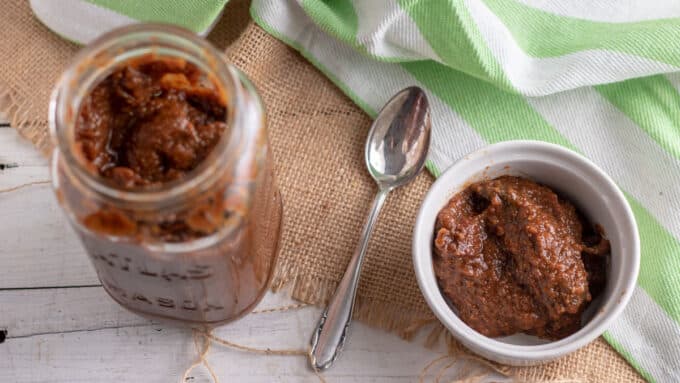
Chipotle Sauce Adobo Recipe: If you have ever tasted a smoky, spicy sauce that somehow manages to feel bold, rich, earthy, and slightly tangy all at once, there is a good chance you have met chipotle adobo sauce.
At its core, this sauce is made from chipotle peppers, which are simply ripe jalapeños that have been smoked and dried, blended or simmered with a deeply seasoned red sauce called adobo.
The result is one of those kitchen staples that can wake up almost anything. It can turn a plain chicken dinner into something restaurant-worthy, give tacos a punch of character, or act like the secret weapon in marinades, dips, burger sauces, soups, and even roasted vegetables.
It is the kind of sauce that does not whisper from the background. It walks into the room and makes itself known.
Why This Recipe Works So Well
A great chipotle adobo recipe is not only about heat. That is where many recipes go sideways. They chase spice so aggressively that they forget flavor has layers. This version works because it builds those layers deliberately. First, you get smokiness from the chipotle peppers. Then you get body and natural sweetness from tomato.
Aromatics like onion and garlic create a savory backbone, while vinegar adds brightness and keeps the sauce from feeling flat or heavy. A small amount of sugar or honey can soften the edges, and warm spices help tie everything together so the final result tastes rounded rather than sharp. It is a bit like painting with darker colors and then adding just enough light to make the whole image pop.
Ingredients You’ll Need
Here is the heart of the recipe, and yes, the Ingredients You’ll Need are listed clearly below so you can follow along without guesswork. A strong chipotle sauce adobo recipe depends on a short but powerful set of ingredients that each bring something important to the table. You are not just mixing random pantry items here. You are building a sauce with depth, balance, and enough personality to elevate whatever it touches.
Main Ingredients
- 4 to 5 chipotle peppers in adobo sauce
- 2 tablespoons adobo sauce from the can
- 1 tablespoon olive oil
- 1 small onion, chopped
- 3 cloves garlic, minced
- 1 cup tomato sauce
- 2 tablespoons apple cider vinegar
- 1 tablespoon brown sugar or honey
- 1 teaspoon smoked paprika
- 1/2 teaspoon ground cumin
- 1/2 teaspoon dried oregano
- 1/2 teaspoon salt
- 1/4 teaspoon black pepper
- 1/2 cup water or chicken broth
Optional Add-Ins for Extra Flavor
- 1 tablespoon lime juice
- 1 pinch cinnamon
- 1 tablespoon tomato paste for a thicker sauce
- 1 teaspoon maple syrup for a richer sweetness
- A small pinch of cloves for a more traditional adobo-style depth
These ingredients work together like a really good band. The chipotle peppers are the lead singer, obviously bold and impossible to ignore. Tomato sauce is the bass line, giving body and steadiness. Onion and garlic fill in the background with savory richness, while vinegar acts like the sharp, bright note that keeps the whole thing lively. Sugar or honey does not make the sauce sweet in a dessert sense. It just smooths out the smoky heat so the flavor feels complete. Optional ingredients let you customize the result to your own taste. If you like a thicker, richer sauce, tomato paste helps. If you want a fresher finish, lime juice can brighten it. This ingredient list is professional, balanced, and practical, which makes it ideal whether you are making the sauce for tacos on a Tuesday or for meal prep that lasts all week.
Kitchen Tools You Should Have Ready
Before you start cooking, it helps to have your equipment lined up. This is not just about being organized for the sake of it. It genuinely makes the cooking process smoother, faster, and much less stressful. A homemade chipotle adobo sauce recipe comes together quickly once the pan is hot, so you do not want to be halfway through sautéing onions and suddenly rummaging through drawers for a blender lid. That kind of scramble can turn a relaxed recipe into a messy race. A little prep up front helps you cook with more control, and control is one of the biggest differences between a recipe that turns out good and one that turns out excellent.
You will need a medium saucepan or skillet, a wooden spoon or spatula, a chef’s knife, a cutting board, measuring spoons and cups, and a blender or immersion blender. A small bowl or two for pre-measured ingredients also helps, especially if you like a cleaner workflow. If you want an ultra-smooth sauce, a high-speed blender will give the most polished result, but an immersion blender works well and cuts down on cleanup. A fine mesh strainer is optional, though it can help if you are aiming for a silky restaurant-style finish. Think of the tools like a stage setup before a performance. You can still sing without the perfect sound system, but having everything in place makes the final performance stronger, clearer, and a lot more enjoyable. When your tools are ready, the cooking feels less like chaos and more like a rhythm you can follow.
Choosing the Right Chipotle Peppers
The quality of your chipotle peppers matters more than many people realize. Since they are the main flavor driver in the sauce, choosing the right ones has a direct effect on the final result. Most home cooks use canned chipotle peppers in adobo, which is smart because they are convenient, flavorful, and widely available. Still, not every can tastes the same. Some brands lean smoky and rich, while others are saltier or more acidic. When you open the can, the peppers should look soft, dark red-brown, and glossy, coated in a thick seasoned sauce. If they seem dried out, unusually pale, or lacking aroma, that is not a great sign.
The smartest move is to taste a tiny bit before using them. You are looking for a balance of smoke, heat, tang, and savory depth. One pepper can vary quite a bit from another in spice level, so tasting gives you a better feel for how many to use. That is especially useful if you are cooking for people with different heat tolerance. Some recipes assume every chipotle pepper behaves the same way, but that is a gamble. Cooking well often comes down to paying attention, and this is one of those moments where a small check makes a big difference. If you want a milder sauce, start with fewer peppers and build up. If you want an intense smoky punch, go heavier. The peppers are the soul of the recipe, so treat them like your headline ingredient, not an afterthought. Choosing well at this stage sets up everything else to succeed.
Understanding the Flavor Profile of Adobo Sauce
A lot of people hear the word adobo and think it is just another spicy red sauce, but it has more going on than that. Traditional adobo-style sauces are layered with ingredients that create a balance of savory, tangy, smoky, and gently sweet notes. In a chipotle adobo sauce, the chipotle peppers bring the smoke and heat, while the tomato and aromatics create body. Vinegar cuts through the richness, and spices like cumin, oregano, and paprika round things out. The sauce should feel bold, but not one-dimensional. It should taste like several flavors are taking turns instead of everyone shouting at once.
The easiest way to understand the flavor profile is to think of it as controlled intensity. It is powerful, yes, but not wild. Good adobo sauce does not burn your mouth and disappear. It lingers in a pleasant way. First comes the smoky aroma, then the warmth of spice, then a slight tang, and finally a savory finish that invites another bite. That layered effect is exactly why this sauce works so well in so many dishes. It can hold its own against grilled meats, but it can also blend beautifully into creamy sauces or soups. This balance is what gives the recipe its professional feel. It is not only about adding heat. It is about creating a sauce with shape and movement. Once you understand that, you stop seeing the sauce as just a topping and start using it like a proper flavor-building ingredient in your cooking.
How to Prepare Your Ingredients Before Cooking
Preparation might not be the glamorous part of cooking, but it is often where the magic actually starts. Before any heat touches the pan, take a few minutes to chop the onion, mince the garlic, measure the spices, and portion out the tomato sauce, vinegar, and water or broth. If your chipotle peppers are whole and large, roughly chop them so they break down more easily during cooking and blending. This step may seem simple, but it creates flow. Instead of constantly pausing to open containers and measure ingredients while something is already sizzling, you can stay focused and cook with confidence.
This setup matters even more for sauces because small timing differences change flavor. Garlic can go from fragrant to bitter in a hurry. Tomato can caramelize beautifully if added at the right moment, but scorch if the pan is too dry or the cook is distracted. When everything is ready to go, you can move naturally from one stage to the next. It is like laying out all your tools before building something. The work becomes cleaner and more precise. Preparing ingredients also gives you one final chance to shape the recipe. Want more tang? Add a touch more vinegar to your measured bowl. Want less heat? Hold back one pepper before cooking starts. By the time your pan is hot, you should feel like the sauce is already halfway made in your mind. That calm preparation often leads to the best results because you are no longer reacting. You are leading the recipe.
Step-by-Step Guide for Chipotle Sauce Adobo
Step 1 – Gather and Measure Everything
Start by preparing all your ingredients before cooking. Measure the chipotle peppers, tomato paste or tomatoes, garlic, onion, vinegar, broth or water, and your spices. Having everything ready helps the sauce come together smoothly and prevents overcooking.
Step 2 – Sauté the Aromatics
Heat a little oil in a saucepan over medium heat. Add chopped onion and garlic, then cook until soft and fragrant. Stir often so they do not burn. This step builds a flavorful base for the adobo sauce.
Step 3 – Add the Chipotle Peppers and Tomato Base
Stir in the chipotle peppers along with the tomato paste or tomatoes. Cook for a minute or two so the flavors deepen. This creates the smoky, rich center of the sauce.
Step 4 – Season and Simmer
Add vinegar, a little broth or water, salt, black pepper, paprika, cumin, oregano, and a pinch of sugar if needed. Stir well and let the mixture simmer gently for several minutes. Simmering helps the ingredients blend and softens the peppers further.
Step 5 – Blend Until Smooth
Remove the sauce from the heat and let it cool slightly. Transfer it to a blender or use an immersion blender to puree it until smooth. Add a little more liquid if needed to reach your preferred consistency.
Step 6 – Taste and Adjust
Taste the sauce and adjust the seasoning as needed. Add more vinegar for tang, more sugar to soften the heat, or more salt for depth. Use the chipotle adobo sauce for tacos, grilled meats, marinades, sandwiches, or rice bowls.
Tips for Getting the Best Texture
Texture can make or break a sauce. You might have perfect flavor, but if the texture is grainy, watery, or too thick to spread properly, the whole experience suffers a little. For the best texture, start by cooking the onions until they are genuinely soft. Undercooked onion pieces can make blending less smooth and leave a rough finish. Using enough liquid during simmering also helps the blender do its job efficiently. If the sauce is too dry before blending, it may turn pasty instead of silky.
A high-speed blender will produce the smoothest finish, but even a regular blender can get excellent results if you blend long enough. Do not rush this part. Let it run until the sauce looks glossy and fully combined. If you are aiming for restaurant-style smoothness, strain the sauce through a fine mesh sieve after blending. That extra step removes any bits of pepper skin or fiber and gives the sauce a polished finish. At the same time, do not become so obsessed with perfection that you lose the homemade charm. This sauce is meant to feel rich and real, not sterile. The best texture is one that matches how you plan to use it and feels luxurious on the tongue.
How Spicy Is Chipotle Adobo Sauce?
The spice level of chipotle adobo sauce usually falls into the medium-to-hot range, but that answer comes with a big asterisk because chipotle peppers can vary. Since they come from smoked jalapeños, they are not usually as scorching as habaneros or ghost peppers, but they can still bring a real kick. What makes them interesting is that the heat comes wrapped in smoke and depth, so it often feels warmer and richer rather than sharp and aggressive. That smoky heat is a huge part of the sauce’s appeal. It builds slowly and lingers in a satisfying way.
For many people, the heat becomes much more manageable when the sauce is used in context. Mixed into a marinade, spread on a sandwich, swirled into sour cream, or spooned over rice, it feels balanced rather than overwhelming. The tomato, onion, and sweet elements in the recipe also help soften the burn. If you are cooking for a mixed crowd, the safest move is to begin with fewer peppers and add more after blending if needed. It is easier to build heat than to pull it back once the sauce is already too spicy. Think of spice like volume on a speaker. A little boost adds energy, but if you crank it too high too quickly, the details disappear.
Easy Ways to Adjust the Heat Level
One of the best things about making this sauce at home is how easy it is to control the heat. For a milder version, use fewer chipotle peppers and increase the tomato sauce slightly to keep the body of the recipe balanced. You can also add a bit more honey or brown sugar, since sweetness helps soften the impact of spice without making the sauce taste sugary. A splash of lime juice or extra vinegar can brighten the sauce and make the heat feel cleaner rather than heavier. Another smart trick is blending in a spoonful of sour cream or mayonnaise later if you are turning the sauce into a creamy spread.
If you want more heat, simply add another pepper, a little more adobo sauce from the can, or even a pinch of cayenne. Do it gradually. The flavor should still stay balanced and smoky, not become a pure fire test. This is where homemade sauce has a real advantage over store-bought versions. You are not locked into somebody else’s idea of what spicy should mean. You get to set the dial. That flexibility is especially useful if you are serving the sauce in multiple ways. Keep the base moderate, then increase the heat in individual portions as needed. It is an easy way to please both spice lovers and cautious eaters without making two separate sauces.
Best Foods to Serve with Chipotle Adobo Sauce
This sauce is incredibly versatile, which is one reason it becomes a favorite so quickly. It works beautifully with grilled chicken, steak, shrimp, tacos, burritos, quesadillas, burgers, roasted potatoes, rice bowls, and sandwiches. Stir it into mayo for an instant smoky spread, whisk it into sour cream for a taco topping, or brush it over meat as a glaze before roasting. It can even bring life to simple vegetables like cauliflower, sweet potatoes, and corn. A spoonful can change the mood of a whole plate.
Here is a quick comparison of how it pairs with common foods:
| Food | Why It Works |
|---|---|
| Grilled chicken | The smoky sauce adds depth and juiciness |
| Tacos | Gives bold heat and rich flavor in every bite |
| Burgers | Works well as a spicy spread or glaze |
| Roasted vegetables | Adds contrast and warmth to sweet vegetables |
| Rice bowls | Ties together grains, protein, and toppings |
| Fries or wedges | Makes an easy dipping sauce with mayo |
The beauty of this sauce is that it behaves like a bridge ingredient. It connects plain foods to bigger flavor without requiring much extra work. That makes it useful not only for special dinners but also for everyday meals that need a little help. When you keep a jar of it in the fridge, leftovers suddenly become opportunities instead of chores.
How to Store and Reheat It
Once the sauce has cooled completely, transfer it to a clean airtight jar or container and refrigerate it. It should keep well for about 5 to 7 days. The flavor often gets even better after a day because the ingredients continue settling together in the fridge. If you want to store it longer, freezing works very well. Portion it into small freezer-safe containers or ice cube trays so you can thaw only what you need. That way, you are not defrosting a large batch just to use one spoonful.
To reheat, warm the sauce gently in a small saucepan over low heat, stirring occasionally. Add a splash of water or broth if it has thickened too much in storage. You can also microwave it in short bursts, though stovetop reheating gives more control. Avoid blasting it with high heat because that can make the sauce separate or reduce too aggressively. Stored properly, this sauce becomes one of those meal-prep heroes that saves you on busy days. Open the fridge, spoon some out, and suddenly a plain lunch has a plan.
Common Mistakes to Avoid
A few common mistakes can keep a chipotle sauce adobo recipe from reaching its full potential. One is using too many peppers right away without tasting first. Heat builds fast, and once the sauce is too spicy, fixing it becomes harder. Another mistake is rushing the sauté stage. Raw onion and undercooked garlic create a harsh background flavor that blending cannot magically erase. Burning the garlic is equally problematic, because bitterness tends to spread through the whole sauce.
Another issue is skipping the taste-and-adjust stage at the end. A sauce can be technically cooked and still feel unbalanced. Maybe it needs more salt, maybe the vinegar is too sharp, maybe it wants a little sweetness. The final tasting is where those problems get solved. Also watch your texture. Too little liquid can make the sauce dense and pasty, while too much can make it watery and weak. The good news is that these mistakes are easy to avoid once you know where they happen. Pay attention, taste as you go, and let the sauce develop at its own pace. That steady approach usually leads to the best results.
FAQs about Chipotle Sauce Adobo Recipe
1. What is chipotle sauce adobo?
Chipotle sauce adobo is a smoky, spicy sauce made with chipotle peppers, tomatoes, garlic, onion, vinegar, and seasonings. It is often used for marinades, tacos, grilled meats, sandwiches, and rice dishes.
2. What are chipotle peppers in adobo?
They are smoked and dried jalapeños that have been rehydrated and packed in a flavorful, tangy tomato-based sauce. They give the recipe its signature smoky heat.
3. Is chipotle adobo sauce very spicy?
It usually has a medium to hot spice level, but the heat can be adjusted. Using fewer peppers or adding more tomato base can make it milder.
4. Can I make it smoother?
Yes, blend the sauce thoroughly until smooth. You can also strain it if you want an even silkier texture.
5. What can I use chipotle adobo sauce for?
It works well as a marinade, dip, taco sauce, sandwich spread, cooking sauce, or flavor booster for soups, beans, and rice.
6. How long does homemade chipotle adobo sauce last?
When stored in a clean airtight container in the refrigerator, it can last about 1 week. Always use a clean spoon when serving.
7. Can I freeze chipotle adobo sauce?
Yes, it freezes very well. You can freeze it in small portions or ice cube trays for easy use later.
8. How do I reduce the heat?
Use fewer chipotle peppers, add more tomato, or stir in a small amount of sugar or cream to soften the spiciness.
9. Is vinegar necessary?
Yes, vinegar helps give the sauce its tangy flavor and also supports preservation. It is an important part of the classic adobo taste.
Conclusion
A good chipotle sauce adobo recipe is one of those kitchen skills that gives back far more than the effort it takes. With a handful of ingredients, a few simple techniques, and a little attention to balance, you can create a sauce that tastes smoky, spicy, rich, and incredibly versatile. It works as a marinade, dip, drizzle, spread, and cooking base, which means it earns its place in the fridge very quickly. The best part is that homemade gives you total control over the flavor, texture, and heat level.
Once you make it yourself, you start to understand why this sauce has such a loyal following. It is bold without being reckless, complex without being complicated, and flexible enough to fit into all kinds of meals. Whether you spoon it over tacos, blend it into mayo, or use it to wake up leftover chicken and rice, it brings energy and character to the plate. That is what makes it more than just another sauce recipe. It becomes a tool, a shortcut to deeper flavor, and a small secret that makes home cooking feel a little more professional.