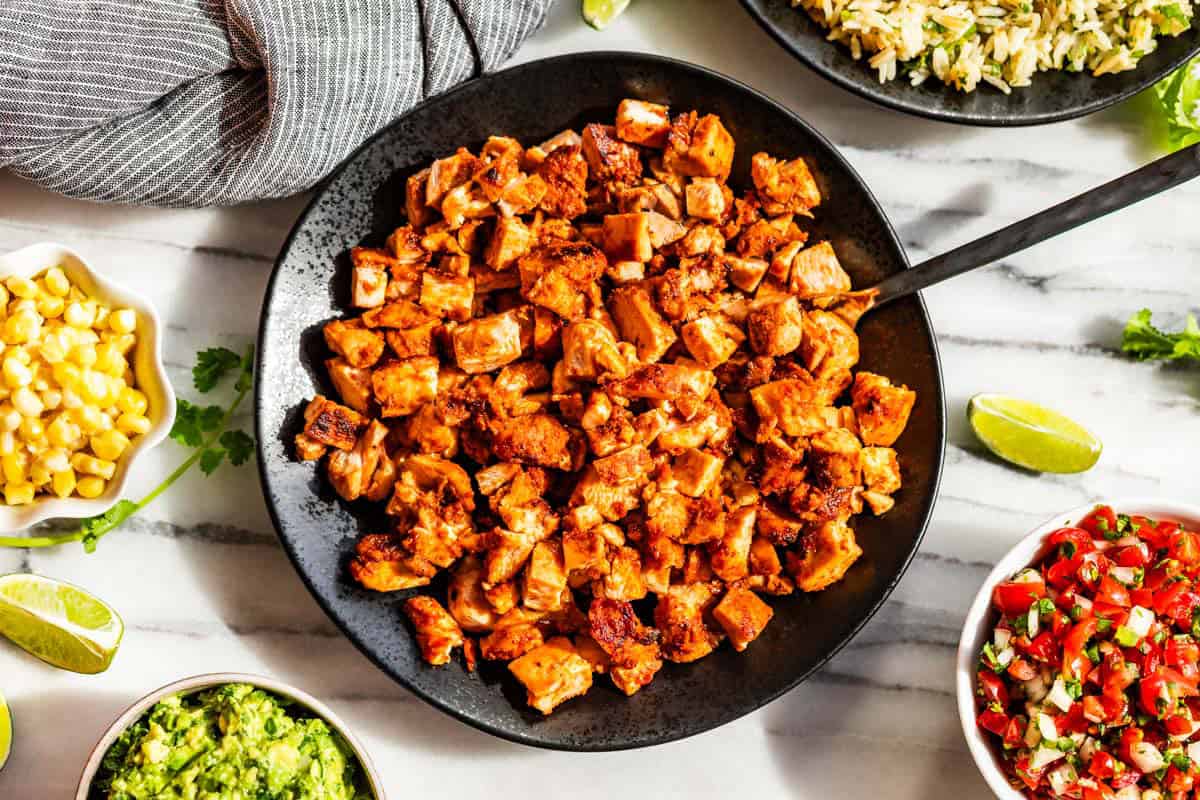
Copycat Chipotle Chicken Recipe: There is something almost unfairly good about Chipotle-style chicken. It is smoky, juicy, just a little spicy, and packed with that bold grilled flavor that somehow tastes fresh and comforting at the same time. The good news is that you do not need a restaurant line, a foil-wrapped burrito, or an extra side of guac to enjoy it. With the right ingredients, a balanced marinade, and a few smart cooking techniques, you can recreate that signature flavor at home and make it taste incredibly close to the real thing.
This copycat Chipotle chicken recipe works because it focuses on the details that actually matter. Instead of drowning the chicken in random spices and hoping for the best, this recipe builds flavor in layers. You get heat from chipotle peppers in adobo, brightness from lime juice, earthy depth from cumin, and a savory backbone from garlic, oil, and a handful of pantry staples. The marinade is not just there to season the surface. It helps tenderize the chicken while giving every bite that unmistakable smoky kick.
Another reason this recipe stands out is that it is practical. You do not need a commercial grill, a fancy smoker, or restaurant-level equipment. A cast-iron skillet, grill pan, outdoor grill, or even a heavy frying pan can do the job beautifully. The end result is versatile enough for burrito bowls, tacos, salads, quesadillas, meal prep containers, and rice plates. It is one of those recipes that feels like a secret weapon in your kitchen. Once you make it once, it will quickly become part of your regular rotation because it delivers big flavor without making your life complicated.
What Makes Chipotle Chicken So Addictive
The appeal of Chipotle chicken is not just about spice. Plenty of chicken recipes are spicy, but not all of them leave you thinking about your next bite before you finish the current one. What makes this style of chicken so addictive is the balance. The smoky heat does not overpower the meat. The acidity does not make it sour. The seasoning does not feel heavy. Everything lands right in the sweet spot, where the flavors feel bold but still clean and fresh.
Another big factor is texture. Good Chipotle-style chicken is never bland and rubbery. It should be juicy inside, lightly charred outside, and chopped into small pieces that are easy to layer into different meals. Those little browned edges are doing a lot of work. They bring the flavor home in a way that plain baked chicken never can. That slight caramelization from high heat gives the meat a roasted, grilled character that makes it feel almost impossible to resist.
There is also a comfort factor that should not be ignored. This recipe checks a lot of boxes at once. It is protein-rich, meal-prep friendly, easy to pair with rice or vegetables, and satisfying enough to carry an entire dinner. It feels casual, but the flavor is far from boring. That is why so many people search for the best copycat Chipotle chicken recipe. They are not only looking for chicken. They are chasing a very specific combination of smoky, savory, tangy, and spicy that feels like restaurant food but fits right into home cooking.
The Flavor Profile Behind the Famous Taste
The flavor starts with smokiness, and that comes mostly from the chipotle peppers. These are smoked, dried jalapeños packed in adobo sauce, which adds both heat and a rich, almost earthy depth. Then comes acidity, usually from lime juice and a bit of vinegar in the adobo itself. This wakes everything up and keeps the chicken from tasting flat. Garlic adds pungency, cumin contributes warmth, oregano rounds it out, and oil helps carry the flavors into the meat.
Salt is another quiet hero here. Without enough salt, the marinade just sits on the surface and tastes incomplete. With the right amount, every ingredient becomes more vivid. The end result is not one-note heat. It is layered flavor. Think of it like a band where every instrument matters. The chipotle is the lead singer, but lime, garlic, cumin, and char are the backup musicians making the whole thing unforgettable.
Why Homemade Beats Takeout
Making it at home gives you control, and that changes everything. You can choose better chicken, adjust the spice level, and cook it exactly the way you like it. Maybe you want more char. Maybe you want it less salty. Maybe you want to meal prep a big batch without paying restaurant prices for every serving. Homemade wins on all of those fronts.
It also tastes fresher. Restaurant food has to be made for speed and consistency, but home cooking has the advantage of timing. When you marinate the chicken properly and cook it just before serving, the flavor feels brighter and the texture stays juicier. There is a difference between chicken that has been sitting in a warming pan and chicken that came right off your skillet five minutes ago. It is the difference between good and “wow, I should make this every week.”
Ingredients You’ll Need
This section matters because the ingredients are the backbone of the entire recipe. A good copycat Chipotle chicken recipe does not rely on mystery flavor. It depends on a short list of ingredients that work hard together. Most of them are easy to find in a regular grocery store, and once you have them, you can use them in countless other dishes too.
Chicken
- 2 pounds boneless, skinless chicken thighs
Chicken thighs are the best option for juicy, flavorful results. They stay tender, handle high heat well, and mimic the rich texture most people expect from restaurant-style chicken.
Marinade Ingredients
- 2 to 3 chipotle peppers in adobo sauce
- 2 tablespoons adobo sauce from the can
- 3 tablespoons olive oil
- 2 tablespoons fresh lime juice
- 4 cloves garlic, minced
- 1 tablespoon ground cumin
- 1 teaspoon dried oregano
- 1 teaspoon smoked paprika
- 1 teaspoon chili powder
- 1 teaspoon onion powder
- 1 teaspoon kosher salt
- 1/2 teaspoon black pepper
Pantry Staples and Seasonings
- 1 tablespoon neutral oil for cooking, if needed
- Extra lime wedges for serving
- Fresh cilantro for garnish, optional
These ingredients create the signature balance of smoky heat, citrus brightness, and savory depth. The most important item is the chipotle peppers in adobo, so do not skip them or swap them for plain hot sauce. That one ingredient is doing the heavy lifting. If you are sensitive to spice, use two peppers instead of three. If you want more fire, add an extra spoonful of adobo sauce. This recipe is forgiving, but the core flavor should always stay anchored in smokiness rather than aggressive heat alone.
Kitchen Tools That Make the Process Easier
You do not need a restaurant kitchen to pull this off, but a few tools make the process smoother. A blender or food processor helps create a smooth marinade quickly, though finely chopping and whisking by hand can still work. A large mixing bowl or zip-top bag is useful for marinating the chicken thoroughly. A cast-iron skillet is one of the best cooking tools here because it gets hot, holds heat well, and creates those beautiful browned edges that make the chicken taste grilled even indoors.
A meat thermometer is also worth having. It takes the guesswork out of cooking and helps ensure the chicken reaches a safe internal temperature of 165°F. That matters because overcooked chicken loses the juicy texture you worked so hard to build with the marinade. Tongs, a cutting board, and a sharp knife round out the basics. Once the chicken is cooked, letting it rest and then chopping it into bite-sized pieces gives it that familiar burrito-bowl texture people expect.
If you are using an outdoor grill, that is fantastic too. The open flame brings extra char and smokiness. Still, do not feel locked out if all you have is a stovetop. Plenty of home cooks make outstanding copycat versions using nothing more than a heavy pan and a little patience. The real key is high heat, enough space in the pan, and not moving the chicken too soon. Let it sear first. That is where the flavor develops.
How to Choose the Best Chicken for This Recipe
Choosing the right cut of chicken can make or break the final result. While both thighs and breasts can work, they do not perform the same way. For the most authentic restaurant-style texture, boneless, skinless chicken thighs are the clear winner. They have more fat than chicken breasts, which means more flavor and a much better chance of staying juicy under high heat. Since this recipe aims to recreate that slightly charred, tender, flavorful bite, thighs are the most reliable option.
Chicken breasts are leaner and can still be used, but they require a bit more care. They dry out faster, especially if you cook them too long or slice them too thin before cooking. If breasts are what you have on hand, marinate them well and monitor the internal temperature closely. Pull them from the heat as soon as they hit 165°F and let them rest before slicing. That one step can save the entire batch.
Another tip is to avoid chicken that has too much excess moisture in the package. Patting the chicken dry before marinating helps the mixture cling better and encourages browning during cooking. If the surface is too wet, the chicken may steam instead of sear. It is a small step, but it matters. Think of it like painting a wall. If the surface is not ready, the finish will never look quite right. Great texture starts before the chicken ever touches the pan.
Chicken Thighs vs. Chicken Breasts
| Feature | Chicken Thighs | Chicken Breasts |
|---|---|---|
| Flavor | Richer and more savory | Milder |
| Texture | Juicy and tender | Leaner, can dry out |
| Best for high heat | Excellent | Fair |
| Closest to restaurant style | Yes | Not quite |
| Meal prep quality | Stays moist longer | Can toughen after reheating |
For this recipe, chicken thighs are the easiest route to a successful result. They forgive small mistakes and reward you with better flavor.
The Secret to a Deep, Smoky Marinade
The marinade is where the magic begins. It is not just a flavor coating. It is the entire personality of the dish. Without a proper marinade, this recipe becomes ordinary spicy chicken. With it, the chicken develops that smoky, tangy, rich taste people immediately associate with Chipotle copycat chicken. The trick is balance. Too much lime and the meat gets harsh. Too much chipotle and it can overwhelm the other seasonings. Too little salt and everything tastes muted.
Blend the chipotle peppers, adobo sauce, olive oil, lime juice, garlic, cumin, oregano, smoked paprika, chili powder, onion powder, salt, and black pepper until mostly smooth. The smell alone will tell you that you are on the right track. It should be bold, smoky, and sharp in the best way. Once blended, coat the chicken thoroughly so every surface gets covered. This is not the time to be timid. You want the marinade to hug the meat like a proper winter coat.
The length of marination also matters. Give it at least 30 minutes, but ideally go for 4 to 8 hours. That gives the flavors enough time to settle into the chicken without making the texture mushy. Overnight can work, but it is not always necessary. What you are aiming for is depth, not domination. A well-marinated piece of chicken tastes seasoned all the way through, not just spicy on the outside. That difference is what separates a pretty decent homemade dinner from a recipe people ask you to make again.
Why Chipotle Peppers in Adobo Matter
This ingredient is the heart of the recipe. Chipotle peppers bring smoky heat, while the adobo sauce adds acidity, sweetness, and spice from the blend it is packed in. Plain chili powder cannot replicate that complexity. Hot sauce cannot either. If you leave this out, you do not really have copycat Chipotle chicken. You just have seasoned chicken with a different vibe.
How Long to Marinate for Best Results
For solid flavor, marinate the chicken for at least 30 minutes. For the best result, aim for 4 to 8 hours in the refrigerator. That window gives you a strong flavor payoff without compromising texture. If you are pressed for time, even a short marination is better than none, but longer almost always tastes better here.
Step-by-Step Guide for Copycat Chipotle Chicken
Now for the part that brings everything together. This step-by-step guide is designed to be easy to follow, even if this is your first time making a restaurant-style chicken marinade at home. Each step has a purpose, and none of them are filler. Stick with the sequence, and you will get tender, smoky, flavorful chicken that tastes excellent in bowls, tacos, wraps, or straight off the cutting board.
Step 1: Prepare the Marinade
In a bowl, combine oil, lemon juice or vinegar, garlic, salt, black pepper, paprika, and any other preferred spices. You can also add yogurt for extra tenderness, depending on the style of chicken you want. Mix well until the marinade is smooth and evenly blended.
Step 2: Marinate the Chicken
Place the chicken in the marinade and coat each piece thoroughly. Make sure the marinade covers all sides so the flavor can soak in well. Cover and let it rest for at least 30 minutes, or longer in the refrigerator for deeper flavor and more tender meat.
Step 3: Cook the Chicken
Heat a grill pan, skillet, oven, or outdoor grill over medium heat. Cook the marinated chicken until it is golden on the outside and fully cooked inside. Turn it as needed so it cooks evenly and does not burn. The cooking time will depend on the cut and thickness of the chicken.
Step 4: Rest, Chop, and Serve
Once the chicken is fully cooked, remove it from the heat and let it rest for a few minutes. This helps the juices settle and keeps the meat tender. Chop or slice the chicken into serving pieces and serve hot with rice, salad, bread, or your favorite side dish.
Serving Ideas for Copycat Chipotle Chicken
One of the best things about this recipe is how flexible it is. You can serve it in a classic burrito bowl with cilantro-lime rice, black beans, corn salsa, fajita veggies, cheese, and sour cream. You can tuck it into warm tortillas with avocado and shredded lettuce. You can add it to salads for a protein boost that does not feel boring or repetitive. This is the kind of chicken that makes leftovers exciting instead of disappointing.
It also works beautifully in meal prep. Portion it into containers with rice and vegetables for easy lunches, or pair it with roasted sweet potatoes and a simple slaw for a different twist. The smoky flavor holds up well across several types of meals, which makes it much more useful than plain grilled chicken. It is like having a versatile base ingredient that already did the hard work of being delicious.
For a family dinner, set up a DIY bowl or taco bar. Let everyone choose their toppings and build their own plate. That keeps dinner interactive and solves the age-old problem of everyone wanting something slightly different. A good recipe earns its place not just by tasting great once, but by being useful again and again. This one absolutely does.
Common Mistakes to Avoid
The biggest mistake is under-seasoning the marinade. Because the chicken is chopped after cooking and usually paired with rice, tortillas, or vegetables, it needs enough seasoning to stand out. Another common issue is overcrowding the pan. When too much chicken goes in at once, the meat releases moisture and starts steaming instead of browning. That means less char, less texture, and less flavor.
Skipping the resting time is another easy mistake. It seems small, but cutting the chicken right away lets the juices run out, which can leave the meat drier than it should be. Using low heat is also a problem. This recipe needs strong heat to develop those dark edges that make it taste authentic. You are not trying to gently poach flavor into the chicken. You are aiming for a bold sear.
The last mistake is expecting the marinade alone to do all the work. Great flavor comes from a combination of marinade, proper cooking, and final chopping after resting. It is a three-part system. Miss one piece, and the result is still decent, but it will not have that irresistible restaurant-style finish people are hoping for.
How to Store and Reheat Leftovers
Store leftover chicken in an airtight container in the refrigerator for up to 4 days. For longer storage, freeze it in portions for up to 2 months. If you plan to meal prep, dividing the chicken into smaller containers makes reheating easier and helps preserve texture. The flavor holds up very well, especially because the marinade is bold enough to stay noticeable even after chilling.
To reheat, warm the chicken in a skillet over medium heat with a tiny splash of water or oil. This helps restore moisture and keeps the edges from drying out. You can also microwave it, but cover it loosely and use short intervals to avoid overcooking. The goal is to warm it through, not cook it again. Overheating leftover chicken is one of the fastest ways to lose that tender texture.
A squeeze of fresh lime after reheating can wake the flavor right back up. It is a simple trick, but it works. Leftovers are often where recipes reveal their true quality. Some dishes fade overnight. This one stays strong, which is exactly what you want from a smart, flavor-packed chicken recipe.
FAQs about Copycat Chipotle Chicken Recipe
1. What is copycat Chipotle chicken?
Copycat Chipotle chicken is a homemade version of the flavorful chicken served at Chipotle-style restaurants. It is usually marinated in a smoky, slightly spicy blend of peppers, garlic, oil, and seasonings.
2. What gives it the smoky flavor?
The smoky flavor usually comes from chipotle peppers, smoked paprika, or a blend of spices. These ingredients help recreate the bold taste of the original style.
3. What cut of chicken works best?
Boneless chicken thighs are often the best choice because they stay juicy and flavorful. Chicken breast can also be used if you prefer a leaner option.
4. How long should I marinate the chicken?
It is best to marinate the chicken for at least 30 minutes, but a few hours will give deeper flavor. Overnight marinating can make it even more delicious.
5. Is copycat Chipotle chicken very spicy?
It has a mild to medium heat level, depending on how many chipotle peppers or spicy ingredients you use. You can adjust the heat to match your taste.
6. How should I cook it?
You can grill, pan-sear, bake, or air fry the chicken. Grilling or searing often gives the best charred flavor.
7. What can I serve with it?
It goes well with rice, burrito bowls, tacos, salads, wraps, beans, corn salsa, or roasted vegetables.
8. How do I store leftovers?
Store leftover chicken in an airtight container in the refrigerator for up to 3 days. Reheat gently before serving.
9. Can I use it for meal prep?
Yes, it is excellent for meal prep because it can be used in different meals throughout the week, such as bowls, wraps, salads, and tacos.
Conclusion
This copycat Chipotle chicken recipe delivers everything people love about the original: smoky heat, juicy texture, bold seasoning, and endless serving options. It is simple enough for a weeknight dinner but flavorful enough to feel special. With the right chicken, a well-balanced marinade, and high-heat cooking, you can recreate that restaurant-style taste at home without much fuss.
The real strength of this recipe is that it fits real life. It works for meal prep, family dinners, taco nights, rice bowls, and quick lunches. Once you get the method down, you can make it almost on autopilot. That is the sweet spot of home cooking: food that tastes exciting without becoming exhausting to make. This recipe lands there beautifully.