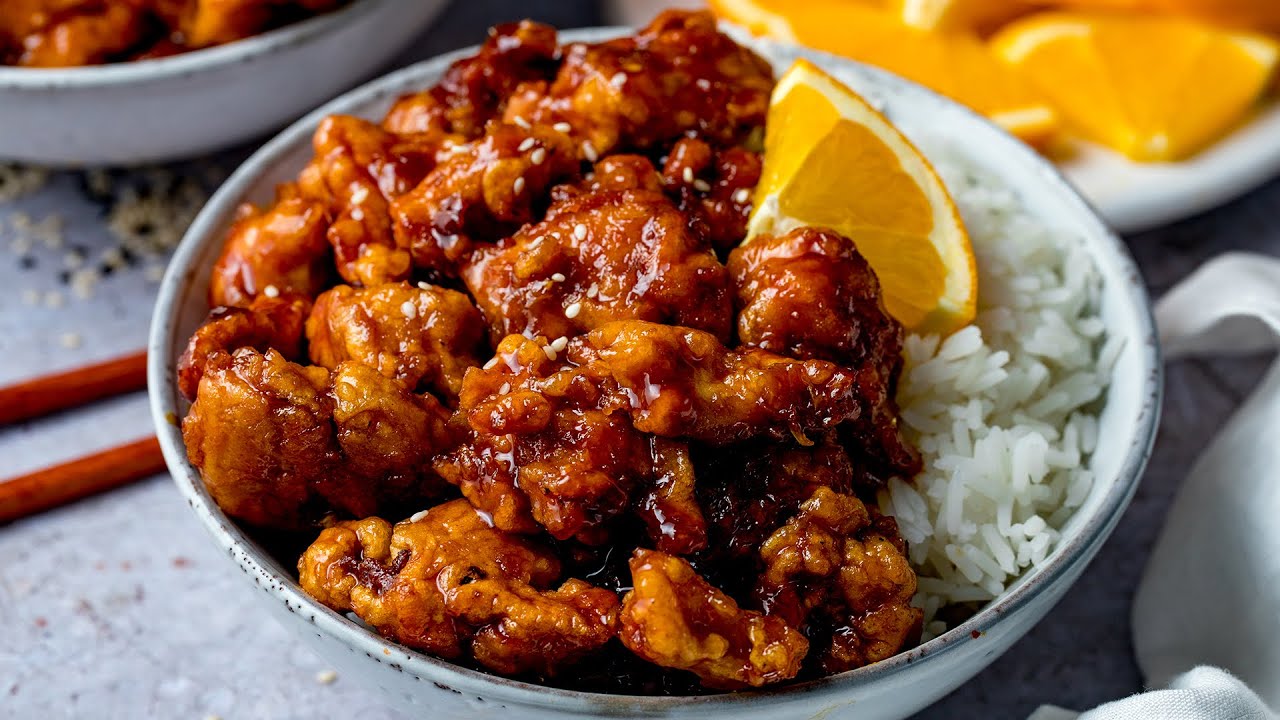
Chinese Orange Chicken Recipe: There is something almost magical about Chinese orange chicken. It hits that sweet spot between crispy, sticky, tangy, and savory in a way that makes you want just one more bite, then another, then somehow the plate is empty before you realize what happened. The dish has become one of the most loved takeout-style meals because it feels comforting and exciting at the same time. You get tender bites of chicken wrapped in a crisp coating, then covered in a glossy orange sauce that balances citrus brightness with sugar, soy sauce, garlic, and a little heat. It is bold without being overwhelming, and familiar without being boring.
This step-by-step orange chicken recipe is built for home cooks who want that restaurant-style flavor without the guesswork. It gives you a clear ingredient list, simple instructions, and practical tips that actually help. So whether you are cooking for a weeknight dinner, a family meal, or just craving something better than takeout, this guide will walk you through it from start to finish.
Ingredients You’ll Need
Below is a complete, organized ingredient list so you can shop, prep, and cook without missing a thing. Since you specifically asked for the Ingredients You’ll Need to be listed clearly, each section is broken down in a practical way.
For the Chicken
Here is what you need for the chicken itself:
- 1 1/2 pounds boneless, skinless chicken thighs or chicken breast
- 1/2 teaspoon salt
- 1/4 teaspoon black pepper
Chicken thighs are often the better choice because they stay juicy and tender even after frying. Chicken breast works too, especially if you prefer a leaner bite, but it can dry out faster if overcooked. Cut the chicken into evenly sized, bite-sized pieces so they cook at the same speed. That one small detail makes a big difference. Uneven pieces can leave you with a strange mix of undercooked chunks and overdone edges, and nobody wants that.
Seasoning the chicken lightly before marinating is also a smart move. It builds flavor from the inside instead of relying only on the sauce later. Orange chicken is often known for its coating and glaze, but the meat itself should not taste plain. Even a little salt and pepper helps create a stronger foundation. Think of it like painting a wall: the final color looks better when the base underneath is prepared properly.
For the Marinade
Use these ingredients to marinate the chicken:
- 1 large egg
- 1 tablespoon soy sauce
- 1 tablespoon cornstarch
- 1 teaspoon sesame oil (optional)
This marinade does more than just flavor the chicken. The egg helps the coating cling better, while the cornstarch creates a light barrier that keeps the chicken tender during frying. Soy sauce adds umami and a little saltiness, which prevents the inside from tasting flat. Sesame oil is optional, but it brings a gentle nutty aroma that makes the chicken feel more layered and rich.
Marinating does not have to take all day. Even 15 to 20 minutes can make a noticeable difference. During that time, the chicken absorbs seasoning and the surface becomes ready for the coating step. It is a small pause that improves texture and taste in one shot. In a dish where the outside gets all the attention, the marinade quietly does some of the most important work.
For the Coating
For that signature crispy shell, gather:
- 1 cup cornstarch
- 1/2 cup all-purpose flour
- 1 teaspoon baking powder
- Oil for frying (vegetable, canola, or peanut oil)
The combination of cornstarch and flour is where the crunch begins. Cornstarch gives you that light, crackly crispness that stays appealing under sauce, while flour adds a little structure and color. Baking powder helps puff the coating slightly, giving it a more textured, restaurant-style finish. It is the difference between chicken that feels heavy and chicken that shatters lightly when you bite into it.
Choose a neutral oil with a high smoke point. Vegetable oil and canola oil are practical and affordable. Peanut oil is excellent if you want a cleaner fry and richer result, though not everyone keeps it on hand. The main goal is steady heat. Good frying is not about drama; it is about consistency. When the oil temperature stays balanced, the coating crisps quickly and the chicken cooks through without soaking up too much oil.
For the Orange Sauce
For the sauce, you will need:
- 3/4 cup fresh orange juice
- 1 tablespoon orange zest
- 1/4 cup sugar
- 3 tablespoons soy sauce
- 2 tablespoons rice vinegar
- 2 tablespoons ketchup
- 1 tablespoon hoisin sauce (optional)
- 2 cloves garlic, minced
- 1 teaspoon fresh ginger, minced
- 1/4 to 1/2 teaspoon red chili flakes (adjust to taste)
- 1 tablespoon cornstarch
- 2 tablespoons water
- 1 tablespoon oil
This sauce is the heart of the recipe. Fresh orange juice gives it brightness that bottled versions often cannot match. Orange zest deepens that citrus flavor and keeps it from tasting watered down. Sugar rounds out the acidity, soy sauce adds depth, and rice vinegar keeps the whole thing lively instead of overly sweet. Ketchup may seem unexpected, but it brings both color and a subtle tang that works beautifully here. Hoisin sauce is optional, though it adds a richer, darker sweetness.
Garlic, ginger, and chili flakes are the supporting cast that make the sauce feel complete. Without them, the sauce can taste one-note. The cornstarch slurry is what turns everything into that thick, glossy glaze that clings to the chicken instead of pooling at the bottom of the bowl. It is the finishing move, the final brushstroke, the thing that makes homemade orange chicken look and taste like the real deal.
Kitchen Tools That Make the Process Easier
You do not need a professional kitchen to make homemade orange chicken, but having the right tools can make the entire process smoother, cleaner, and less stressful. At the very least, you will want a sharp knife, a sturdy cutting board, two or three mixing bowls, a whisk or fork, a medium saucepan or skillet for the sauce, and a heavy pot or deep frying pan for frying. Tongs or a slotted spoon also help a lot, especially when you need to lift hot chicken safely out of the oil. A wire rack is even better than paper towels if you want to keep the crust crisp after frying, because it lets extra oil drip away without trapping steam underneath.
A thermometer is one of the most useful extras here, even though some home cooks skip it. Oil temperature matters a lot in a recipe like this. Too hot, and the coating browns before the chicken cooks through. Too cool, and the chicken absorbs oil and turns greasy instead of crisp. A kitchen thermometer removes the guesswork and gives you much more control. If you do not have one, you can still cook successfully, but you will need to pay closer attention to how the oil behaves and how quickly the coating colors.
Another underrated tool is simple mise en place, or setting out your ingredients before cooking. It is not fancy. It is just smart. Since orange chicken comes together fast in the final stages, having your sauce ingredients measured and your coating ready will make the whole experience feel easier. Instead of scrambling, you get to move from one step to the next with confidence. That calm, organized rhythm is often what separates a frustrating cooking session from one that feels almost effortless.
Step-by-Step Guide for Chinese Orange Chicken
Follow the steps below carefully the first time, and the second time will already feel more natural. By the third time, you will probably be adjusting the sauce or spice level to fit your own taste and wondering why you ever paid takeout prices for something this satisfying.
Step 1: Prepare and Cut the Chicken
Cut the chicken into bite-sized pieces and pat them dry with paper towels. Using evenly sized pieces helps the chicken cook at the same rate and gives a better final texture. Season lightly with salt and pepper if desired.
Step 2: Marinate for Tender, Flavorful Chicken
Place the chicken in a bowl and add a simple marinade such as soy sauce, garlic, ginger, and a little egg or cornstarch. Mix well so every piece is coated. Let it rest for about 20 to 30 minutes to help the chicken stay juicy and absorb flavor.
Step 3: Make the Crispy Coating
In a separate bowl, combine flour and cornstarch with a little salt. This mixture helps create a light and crispy coating. Dredge each piece of marinated chicken until evenly coated, shaking off any excess.
Step 4: Fry the Chicken Until Golden
Heat oil in a deep pan over medium heat. Fry the chicken in batches until golden brown, crispy, and fully cooked inside. Avoid overcrowding the pan so the pieces fry evenly. Remove and drain on paper towels or a wire rack.
Step 5: Build the Orange Sauce
In a clean pan, combine orange juice, orange zest, soy sauce, sugar or honey, garlic, ginger, and a little vinegar. Bring it to a gentle simmer, then stir in a small cornstarch slurry to thicken the sauce. Cook until it becomes glossy and slightly sticky.
Step 6: Toss, Glaze, and Finish
Add the fried chicken to the orange sauce and toss until every piece is well coated. Let it cook for another minute so the glaze clings nicely to the chicken. Garnish with sesame seeds or chopped spring onions, then serve hot with rice or vegetables.
Tips for Restaurant-Style Orange Chicken at Home
If you want your homemade orange chicken to taste like something from a really good takeout spot, a few smart techniques make all the difference. First, use fresh orange juice and zest whenever possible. Bottled juice can work in a pinch, but it often lacks the bright, lively flavor that makes orange chicken taste fresh instead of flat. The zest is especially powerful because it holds concentrated orange oils that deepen the citrus profile without adding extra liquid. It is like turning the volume up on the orange flavor without making the sauce watery.
Second, do not skip the cornstarch in either the coating or the sauce. Cornstarch is one of the quiet heroes of this recipe. It creates that light, crisp shell during frying and that shiny, clingy glaze in the sauce. Without it, the dish often feels less polished. Another important tip is to fry in small batches. Yes, it takes a little longer, but it protects the oil temperature and gives you much better texture. Good orange chicken should be crisp and airy, not greasy and heavy.
One more trick is to toss the chicken in sauce just before serving. This preserves the crust better and keeps the dish from becoming soggy. Some people even serve the sauce on the side for maximum crunch, though the classic version is fully glazed. Finally, taste as you go. Maybe you like it sweeter, spicier, or more tangy. The best home-cooked recipes are not carbon copies. They are tuned to the people eating them. That is where the real restaurant-quality feeling comes in: not just technique, but confidence.
What to Serve with Orange Chicken
Orange chicken is rich, sticky, and full of strong flavor, so it pairs best with sides that either soak up the sauce or bring some freshness and balance to the plate. The classic choice is steamed white rice, and there is a good reason for that. Rice acts like a soft, neutral backdrop that lets the orange chicken shine while catching every drop of that glossy sauce. Jasmine rice is especially nice because of its light fragrance, but plain long-grain rice works beautifully too.
If you want more texture or a slightly healthier feel, brown rice is a solid option. It has a nuttier flavor and a chewier bite, which can be a nice contrast to the tender chicken. Fried rice also works, though it can make the whole meal feel heavier. On the vegetable side, simple is best. Steamed broccoli, bok choy, snap peas, or stir-fried green beans help cut through the sweetness of the sauce and make the plate feel more balanced. A crisp vegetable next to sticky orange chicken is like adding a cool breeze to a warm room. It just makes everything feel better.
Noodles can also be a fun pairing, especially lo mein or lightly seasoned stir-fried noodles, but be careful not to overload the meal with too many saucy components. Orange chicken already carries plenty of personality. It does not need a side dish trying to steal the spotlight. Keep the supporting pieces simple, and the main dish will feel even more satisfying.
Common Mistakes to Avoid
One of the most common mistakes people make with orange chicken is using oil that is either too hot or too cool. Both can ruin the texture. Oil that is too hot browns the outside too fast, leaving the inside undercooked. Oil that is too cool makes the coating absorb grease and lose that crisp, delicate bite. Steady temperature is one of the biggest secrets behind a clean, restaurant-style fry. A thermometer helps, but even without one, paying attention to the frying behavior matters a lot.
Another frequent mistake is making the sauce too sweet. Orange chicken should absolutely have sweetness, but it should also have tang, saltiness, and a little aromatic depth from the garlic and ginger. If the sugar overpowers everything else, the dish can taste heavy and one-dimensional. The same thing happens when people skip the acid. Rice vinegar may seem like a small ingredient, but it keeps the sauce lively and balanced. Without it, the glaze can feel sticky in the wrong way.
Crowding the pan is another problem, whether during frying or sauce-making. When too much chicken goes into the fryer at once, the oil temperature drops. When too much chicken goes into too little sauce or too small a pan, tossing becomes uneven and messy. Another issue is leaving the chicken in the sauce too long before serving. Orange chicken should be glazed, not drowned. The longer it sits, the softer the crust becomes. Timing matters. A few thoughtful choices can turn a decent dish into a genuinely memorable one.
FAQs about Chinese Orange Chicken Recipe
1. What is Chinese orange chicken?
Chinese orange chicken is a popular dish made with crispy fried chicken pieces tossed in a sweet, tangy, and slightly savory orange-flavored sauce. It is known for its glossy coating and bold citrus taste.
2. What gives orange chicken its flavor?
Orange juice and orange zest give the dish its signature citrus flavor. Ingredients like soy sauce, garlic, ginger, sugar, and vinegar help balance the sweetness and tanginess.
3. Is orange chicken very spicy?
Traditional orange chicken is usually more sweet and tangy than spicy. However, chili flakes or hot sauce can be added if you want extra heat.
4. What cut of chicken works best?
Boneless chicken thighs are often preferred because they stay juicy and tender. Chicken breast can also be used for a leaner version.
5. Why is the chicken coated before frying?
The coating helps create the crispy texture that makes orange chicken so satisfying. It also helps the sauce cling better to each piece.
6. Can I bake or air fry the chicken instead of deep frying?
Yes, you can bake or air fry the chicken for a lighter option. The texture may be a little different, but it can still be crispy and delicious.
7. What can I serve with orange chicken?
Orange chicken pairs well with steamed rice, fried rice, noodles, or stir-fried vegetables.
8. How do I store leftovers?
Store leftovers in an airtight container in the refrigerator for up to 3 days. Reheat gently in a pan, oven, or microwave.
9. Can I make the sauce ahead of time?
Yes, the orange sauce can be made ahead and stored in the refrigerator. Warm it before tossing it with freshly cooked chicken.
Conclusion
A great Chinese orange chicken recipe is not about complicated chef tricks or hard-to-find ingredients. It is about understanding a few simple building blocks and letting them work together. Tender marinated chicken, a crisp coating, a glossy orange sauce, and careful timing can turn everyday ingredients into something that feels exciting, comforting, and completely worth making from scratch. Once you have done it once, the whole process becomes much less intimidating. It starts to feel like a recipe you can own rather than one you have to follow nervously.
With the ingredients clearly listed and the step-by-step method laid out, you have everything you need to bring this takeout favorite into your own kitchen with confidence. Serve it hot, pair it with rice or vegetables, and enjoy the kind of meal that feels both fun and deeply satisfying. Sometimes the best recipes are the ones that make you wonder why you waited so long to try them.