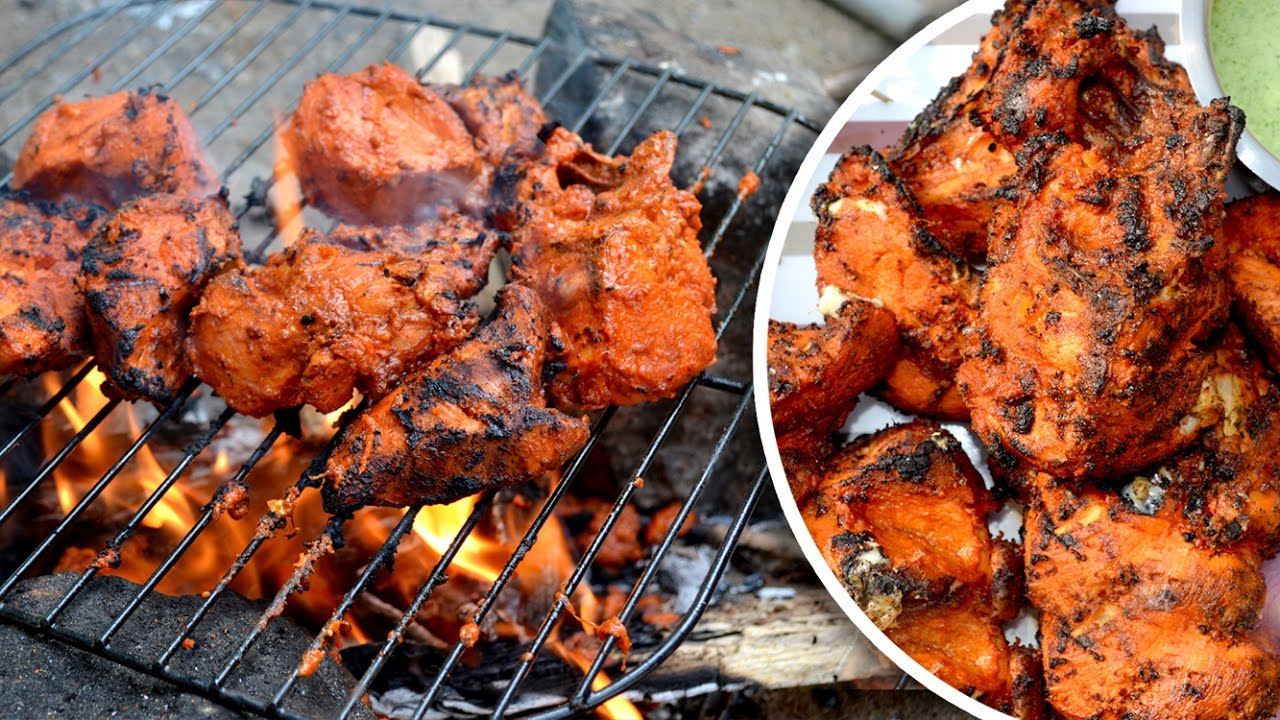
Chicken Tandoori Recipe: There is something unforgettable about chicken tandoori. The color grabs your attention first, that deep reddish-orange glow that looks like it belongs on a festive table. Then comes the aroma: smoky, spiced, slightly tangy, and rich without feeling heavy. One bite and you get why this dish has become a favorite far beyond Indian restaurants. It is bold, juicy, charred in all the right places, and somehow manages to taste both comforting and exciting at the same time.
What makes this dish such a crowd-pleaser is balance. The yogurt marinade tenderizes the meat, the spices add warmth and complexity, and the cooking method creates those irresistible edges that taste almost fire-kissed. It is the kind of recipe that feels special enough for guests but simple enough to make at home once you know the process. Think of it like learning a great signature dish that instantly makes your kitchen smell like a celebration.
Another reason people love this recipe is flexibility. You can use a regular oven, a grill, an air fryer, or even finish it on a stovetop. You do not need a traditional clay tandoor to make excellent results. That is good news, because the heart of a professional chicken tandoori recipe is not fancy equipment. It is the marinade, the timing, and the small details that lock in flavor. Get those right, and you can make restaurant-style tandoori chicken in a home kitchen without stress.
What Makes a Great Chicken Tandoori Recipe
A great chicken tandoori recipe does not rely on food coloring, shortcuts, or a mountain of random spices. It relies on technique. The real magic begins with a layered marinade. First, the chicken is seasoned with salt, lemon juice, and sometimes ginger-garlic paste. That initial coating works like a warm-up act before the main performance. It starts flavoring the meat from the inside while also helping the second marinade cling better.
The second key is the yogurt-based marinade. Thick yogurt is essential because it coats the chicken instead of sliding off. Mixed with ginger, garlic, chili powder, turmeric, cumin, coriander, garam masala, and a bit of mustard oil or regular oil, it becomes a flavor-packed paste that seeps into every cut and slit. A proper tandoori marinade does two jobs at once: it builds flavor and keeps the chicken juicy while cooking. That is why even the most charred-looking pieces still taste tender inside.
The third piece of the puzzle is high heat. Tandoori chicken should never taste pale or timid. It needs intense cooking so the outside gets slightly blistered while the inside stays moist. That contrast is the soul of the dish. You want a little tang, a little smoke, a little spice, and a lot of flavor in every bite. When all of that comes together, the result is not just chicken with spices on it. It becomes a dish with personality, the kind that makes people go quiet for a second because they are too busy enjoying the food.
Ingredients You’ll Need
To make a flavorful and authentic-style chicken tandoori recipe, you need a handful of basic ingredients and a few classic Indian spices. The list looks longer than it feels in practice, and every ingredient has a clear job. Some tenderize. Some deepen flavor. Some add heat. Some help create that famous color and aroma. Once you lay everything out, the recipe becomes much easier to follow.
Here is the full list of ingredients you’ll need:
| Ingredient | Quantity | Purpose |
|---|---|---|
| Chicken legs or bone-in thighs/drumsticks | 1 kg | Main protein, stays juicy during cooking |
| Lemon juice | 2 tablespoons | Adds tang and helps tenderize |
| Salt | 2 teaspoons, divided | Seasons the chicken throughout |
| Kashmiri red chili powder | 2 tablespoons | Adds color and mild heat |
| Ginger-garlic paste | 2 tablespoons | Classic savory base |
| Thick plain yogurt | 1 cup | Tenderizes and binds marinade |
| Turmeric powder | 1/2 teaspoon | Earthy color and flavor |
| Roasted cumin powder | 1 teaspoon | Warm, nutty depth |
| Coriander powder | 1 teaspoon | Citrus-like spice note |
| Garam masala | 1 teaspoon | Rich finishing spice |
| Black pepper | 1/2 teaspoon | Gentle heat |
| Mustard oil or neutral oil | 2 tablespoons | Richness and better coating |
| Paprika | 1 teaspoon | Extra color and mild sweetness |
| Fenugreek leaves (crushed, optional) | 1 teaspoon | Restaurant-style aroma |
| Chaat masala (optional) | 1 teaspoon | Final sprinkle for serving |
| Butter or ghee | 1 tablespoon | Brushing before or after cooking |
| Red onion rings | For serving | Crunch and freshness |
| Lemon wedges | For serving | Bright finishing touch |
| Fresh cilantro | 2 tablespoons | Garnish |
This is the kind of ingredient list that rewards accuracy. You do not need to make it complicated, but you do want to be intentional. Use fresh chicken, thick yogurt, and good-quality spices. That alone can lift the result from decent to memorable.
Main Chicken Ingredients
The best cut for chicken tandoori is bone-in chicken, especially drumsticks, thighs, or leg quarters. Why bone-in? Because the bone helps the meat stay moist during high-heat cooking. Boneless chicken can work, but it cooks faster and dries out more easily, especially if you are chasing those charred edges that tandoori is known for. Bone-in cuts give you a little margin for error, which is always helpful when you want a professional result at home.
Skinless chicken works best because the marinade clings directly to the meat. Before marinating, wash if that is your normal kitchen practice, then pat the chicken completely dry. Moisture on the surface can water down the marinade. After drying, make 2 to 3 deep slits on each piece. This step matters more than many people realize. Those cuts act like tiny flavor tunnels, letting the seasonings reach deeper into the meat instead of just sitting on top.
Lemon juice and salt are the first two must-have ingredients here. They start seasoning the chicken before the full marinade goes on. It is a little like priming a wall before painting it. You could skip it, but the final finish will not be the same. That first marinade wakes up the chicken and creates a stronger foundation for everything that follows. With just that small extra step, the flavor becomes more layered and the final bite tastes more complete.
Marinade Ingredients
The marinade is the heartbeat of this recipe. Without a good marinade, tandoori chicken is just roasted chicken wearing a spice jacket. The essential base is thick plain yogurt, and it needs to be thick for a reason. Thin yogurt turns runny, and a runny marinade slides right off the chicken before it has a chance to do its job. Greek yogurt or strained plain yogurt is ideal because it coats beautifully and keeps the spices where they belong.
Then comes ginger-garlic paste, which is one of the biggest flavor builders in Indian cooking. It adds sharpness, depth, and that unmistakable savory backbone. Oil also matters. Traditionally, mustard oil is often used because it has a stronger, punchier character that complements the spices beautifully. A neutral oil works too, but mustard oil gives a more classic result. A little oil helps the marinade spread evenly and supports browning during cooking.
Salt, lemon juice, and yogurt together create the tenderizing system. They work quietly in the background, breaking down the surface just enough to help the chicken stay juicy and flavorful. That is why marinated tandoori chicken tastes so much better than chicken that is simply seasoned right before cooking. Every bite feels like the flavor belongs inside the meat, not just sitting on top of it. That is the difference between homemade that tastes okay and homemade that tastes restaurant-worthy.
Spice Mix and Flavor Boosters
This is where the personality of chicken tandoori really comes alive. The core spice mix usually includes Kashmiri red chili powder, turmeric, cumin, coriander, black pepper, and garam masala. Kashmiri chili is especially important because it gives the dish a vibrant red color without making it unbearably hot. That is one of the secrets behind those gorgeous restaurant-style tandoori pieces. If you use only standard hot chili powder, the dish can become too spicy before it develops the right color.
Cumin brings warmth, coriander adds a slightly citrusy lift, turmeric gives earthiness, and garam masala ties the whole thing together with a richer aroma. Black pepper adds a subtler form of heat that rounds things out. You are not just piling in spices for the sake of it. Each one contributes a note, the same way instruments build a song. Take one out and the melody changes. Use them in the right amounts, though, and the flavor becomes layered instead of muddy.
Paprika is a smart addition for extra color and a mild sweetness. Crushed dried fenugreek leaves are optional, but they add a restaurant-style aroma that can make your kitchen smell amazing. They bring that hard-to-describe flavor you often notice in Indian restaurant dishes and cannot quite name. It is earthy, slightly bitter, deeply aromatic, and very effective in small amounts. These little boosters are not always essential, but they can turn a good recipe into one that people ask you to make again.
Optional Ingredients for Extra Flavor
Once you have the core recipe down, there are a few optional ingredients that can elevate your chicken tandoori recipe without changing its character. The first is smoked paprika or a quick charcoal smoke finish. That smoky note is what many people associate with food cooked in a traditional tandoor, and while your oven cannot fully copy that clay-oven effect, you can get surprisingly close with smart finishing touches. Even a light char from the grill or broiler can add that extra layer.
Another optional upgrade is chaat masala sprinkled right before serving. It adds a tangy, salty, slightly funky finish that wakes up the whole plate. It is the seasoning equivalent of opening a window in a warm room. Suddenly everything feels brighter. A little melted butter or ghee brushed over the cooked chicken also adds richness and a beautiful shine. That finishing gloss is not just about appearance. It helps carry the aroma of the spices right to your nose.
You can also add a spoon of gram flour, also called besan, to thicken the marinade if it feels loose. Some cooks use a small amount to help the coating stick and roast beautifully. Another optional ingredient is orange or red natural coloring, though it is absolutely not necessary. Good Kashmiri chili and paprika usually give enough color on their own. The point of extras is not to overcomplicate the dish. It is to let you tweak the final result to match the style you love most.
Kitchen Tools You’ll Need
A professional-looking recipe does not need a professional kitchen, but the right tools make the process smoother. At minimum, you need a mixing bowl, a sharp knife, a baking tray or rack, and either an oven, grill, or air fryer. A rack is particularly useful because it allows heat to circulate around the chicken, helping it cook more evenly and develop better browning on all sides. If you bake directly on a flat tray, it still works, but the underside may not char as well.
Tongs are another small but useful tool. They help you turn the chicken without tearing the marinade coating. A pastry brush is helpful too, especially when brushing with butter or ghee near the end of cooking. Then there is the most important tool of all if you want accuracy: a meat thermometer. It takes the guesswork out of cooking chicken and helps you hit that sweet spot where the meat is cooked through but still juicy.
You also want parchment paper or foil for easy cleanup, because this marinade can get messy once it bakes and caramelizes. That is not a bad thing. In fact, those baked-on drips usually smell amazing. But less scrubbing after dinner is always welcome. The tools are not glamorous, but they support the kind of cooking that feels calm and controlled instead of chaotic. And when a recipe has a few stages like this one, calm and controlled is exactly where you want to be.
How to Prepare Chicken for Tandoori
Preparation is the bridge between the ingredient list and the actual magic. Start by choosing chicken pieces that are roughly similar in size so they cook evenly. Wash and dry them thoroughly, then use a sharp knife to make deep slashes across the thickest parts. This is one of the most important parts of the entire recipe. Those cuts allow the marinade to seep in, and they also help the heat penetrate more evenly while cooking.
After scoring, rub the chicken with lemon juice, salt, and a little chili powder or ginger-garlic paste if you like. This first layer should sit for about 15 to 20 minutes. It is a small waiting period, but it makes a difference. It begins the seasoning process and helps remove any blandness from the center of the meat. Think of it as the foundation under the foundation. It is quiet work, but it shows up in the final taste.
Once the chicken has rested, it is ready for the yogurt marinade. Be generous and make sure every slit is packed with flavor. Use your hands if needed. Tandoori chicken is not a neat little recipe where you stay perfectly clean from start to finish. It is hands-on cooking, and that is part of the charm. Cover the bowl and let the chicken marinate long enough for the flavor to develop properly. The waiting is not a delay. It is where a big part of the flavor is built.
Step-by-Step Guide for Chicken Tandoori
Below is the full method laid out in a practical way. Follow it closely the first time, then adjust to your kitchen after that. Once you have made it once or twice, it starts to feel less like a recipe and more like a dependable routine. And that is when home-cooked tandoori chicken gets really fun, because you are no longer just following instructions. You are owning the dish.
Step 1: Clean and Score the Chicken
Rinse the chicken and pat it dry with paper towels. Make a few deep cuts (scores) on the surface of the chicken pieces. This helps the marinade penetrate deeper and ensures even cooking.
Step 2: Make the First Marinade
In a small bowl, mix lemon juice, salt, and a little chili powder. Rub this mixture all over the chicken, making sure it gets into the cuts. Let it rest for about 10–15 minutes. This step helps tenderize the meat and adds a base layer of flavor.
Step 3: Prepare the Second Marinade
In another bowl, combine yogurt, garlic, ginger, paprika, turmeric, garam masala, cumin, and a little oil. Mix until smooth. This marinade gives the chicken its rich color and deep, spiced flavor.
Step 4: Coat the Chicken and Marinate
Add the chicken to the second marinade and coat it thoroughly. Make sure every piece is well covered, including inside the cuts. Cover and refrigerate for at least 1 hour, or longer for more intense flavor.
Step 5: Cook the Chicken in the Oven
Place the marinated chicken on a baking tray and cook in a preheated oven until it is nearly done and slightly browned. Turn once if needed to ensure even cooking.
Step 6: Grill, Air Fry, or Pan-Finish for Smoky Flavor
For extra flavor, finish the chicken on a grill, in an air fryer, or in a hot pan. This step adds a light char and enhances the smoky taste.
Step 7: Check Doneness and Let It Rest
Ensure the chicken is fully cooked and the juices run clear. Let it rest for a few minutes before serving to keep it juicy and flavorful.
Common Mistakes to Avoid
One of the biggest mistakes is using thin yogurt. It creates a watery marinade that slips off and prevents good browning. Another common problem is not making deep enough cuts in the chicken. Without proper scoring, the flavor stays mostly on the outside, and the inside can taste underseasoned. Skipping the first marinade is another shortcut that weakens the final result more than people expect.
Overcrowding the tray is also a problem. When chicken pieces are packed too tightly, they steam instead of roast. That means less char, less color, and a softer texture. High heat is important, but so is airflow around the chicken. Another mistake is pulling the chicken out too early because the outside looks colorful. Color can be misleading, especially with chili powder in the marinade. Always check doneness properly.
Then there is overcooking, the sneaky enemy of good tandoori chicken. Because the outside gets dark and dramatic, some people keep cooking in hopes of even more char. But juicy chicken can become dry fast, especially smaller pieces. The goal is not maximum blackening. It is balanced cooking. Think of the char as the accent, not the whole story. When the inside stays tender, the outside shines even more.
Serving Suggestions
Chicken tandoori is wonderfully versatile, which is one reason it remains such a beloved dish. You can serve it as a starter with mint chutney and onion rings, or make it the centerpiece of a full meal with naan, jeera rice, or a simple salad. It also pairs beautifully with green chutney, cooling yogurt dips, and lightly pickled onions. That contrast between smoky spice and cool freshness makes every bite more exciting.
For a restaurant-style plate, serve the chicken on a platter with shredded cabbage, sliced onions, lemon wedges, and a sprinkle of fresh cilantro. A side of butter naan or roomali roti turns it into a complete and satisfying dinner. If you want something lighter, tuck the chicken into wraps with salad and a yogurt sauce. Leftovers can even be sliced and used in sandwiches, rice bowls, or tandoori chicken salads.
What makes this dish especially fun is how easily it fits different moods. It can feel festive, casual, or weeknight-friendly depending on how you serve it. Put it on a platter for guests and it looks impressive. Pair it with simple rice and salad and it becomes a practical dinner. Either way, the chicken does not need much help. It arrives with enough personality to carry the meal on its own.
FAQs about Chicken Tandoori Recipe
1. What is chicken tandoori?
Chicken tandoori is a popular dish made by marinating chicken in yogurt and spices, then cooking it at high heat. It is known for its smoky flavor, vibrant color, and tender texture.
2. Why is the chicken scored before marinating?
Scoring the chicken allows the marinade to penetrate deeper into the meat, resulting in more flavor and even cooking.
3. Do I need a tandoor oven to make it?
No, you can make chicken tandoori in a regular oven, on a grill, in an air fryer, or even in a pan. A tandoor gives a traditional smoky flavor, but other methods still work well.
4. How long should I marinate the chicken?
At least 1 hour is recommended, but for best results, marinate the chicken for several hours or overnight in the refrigerator.
5. What gives tandoori chicken its color?
The color comes from spices like paprika, chili powder, turmeric, and sometimes food coloring. The spices alone can give a natural reddish color.
6. Is chicken tandoori spicy?
It can be mildly spiced or quite hot depending on the amount of chili used. You can adjust the spice level to suit your taste.
7. How do I know when it is fully cooked?
The chicken is done when the juices run clear and the internal temperature reaches 75°C (165°F).
8. What can I serve with chicken tandoori?
It pairs well with naan, rice, salad, yogurt sauce (raita), or grilled vegetables.
9. Can I store leftovers?
Yes, store leftover chicken tandoori in an airtight container in the refrigerator for up to 3 days. Reheat before serving.
Conclusion
The real secret is not complexity. It is care. Thick yogurt, fresh spices, proper scoring, a patient marinade, and a strong final roast all work together to create something memorable. Every stage adds something important, and none of them are there just for show. That is what makes this dish so rewarding. It is built from practical steps that lead to dramatic flavor.
Whether you bake it, grill it, or air fry it, this step-by-step guide gives you a reliable path to juicy, smoky, deeply spiced tandoori chicken. Make it once, and you will probably start imagining all the ways to make it again. That is the kind of recipe worth keeping close: dependable, bold, and always welcome at the table.