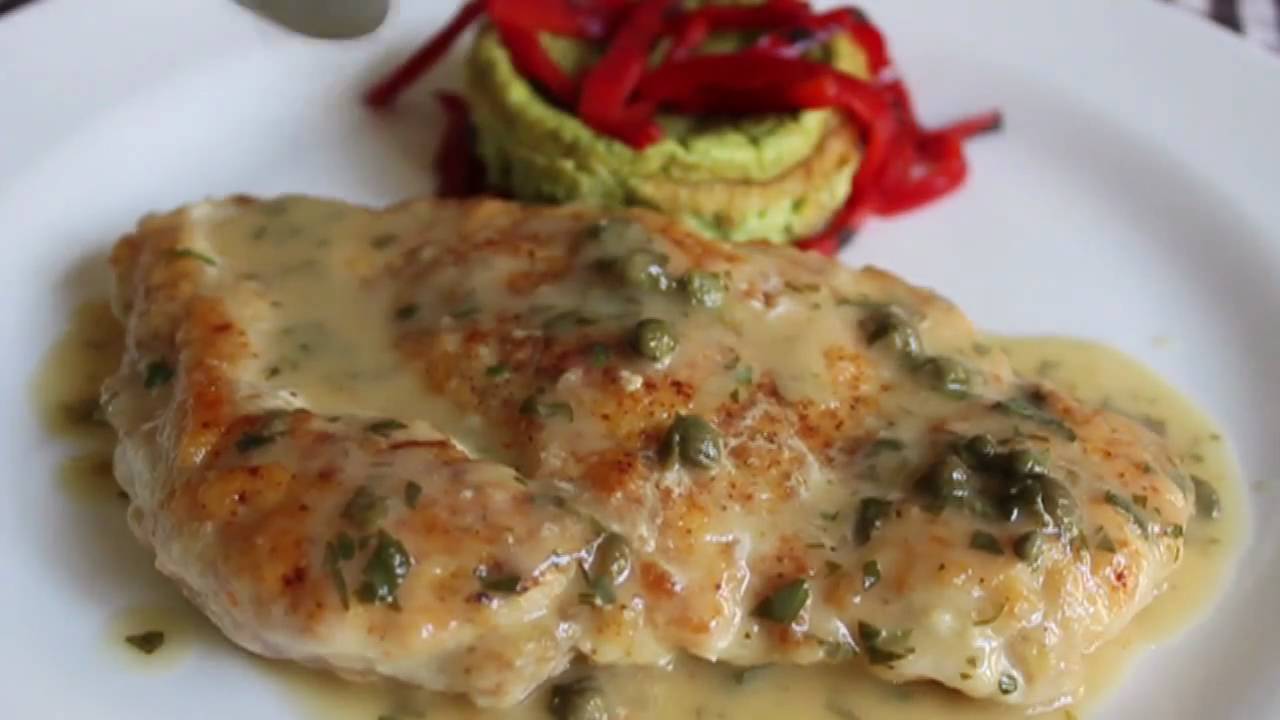
Chicken Piccata Recipe: Chicken Piccata is one of those dishes that sounds fancy enough for a restaurant menu but is surprisingly simple to make at home.
At its heart, it is a classic Italian-American recipe made with thin pieces of chicken that are lightly dredged in flour, pan-seared until golden, and finished in a bright, silky sauce made from lemon juice, butter, broth, and capers.
The flavor is what makes this dish unforgettable. It is tangy, savory, buttery, and just a little briny, all at the same time. Think of it like a clean white shirt with a bold yellow tie—it looks elegant, but it still knows how to stand out.
Why This Chicken Piccata Recipe Works
There are plenty of chicken piccata recipes floating around online, but the best ones all have something in common: they respect the basics. This version works because it focuses on a few essential techniques that dramatically improve both texture and flavor. First, the chicken is sliced or pounded thin so it cooks quickly and evenly. That means no dry outer edges and no undercooked center. Thin chicken also gives you more surface area for browning, and browning is where flavor starts to build. It is like setting the foundation before you decorate a house. Without it, everything else feels a little flat.
The second reason this recipe succeeds is the way the sauce is built directly in the same pan. After the chicken is seared, the skillet is already packed with flavorful browned bits. When broth and lemon juice hit the pan, those bits loosen and melt into the sauce. This gives the final dish a depth you simply cannot get by making the sauce separately. Butter is added at the end, not all at once, so the sauce turns glossy and smooth instead of greasy. That small detail changes the entire feel of the dish.
This recipe also works because it keeps the ingredient list focused. There is no need to overload chicken piccata with cream, cheese, or a dozen spices. The beauty of the dish is in its clean, sharp, buttery profile. Salt, pepper, lemon, capers, butter, broth, and parsley do more than enough when they are used correctly. Every ingredient has a job. Nothing is there just to look busy on the plate.
One more thing matters here: timing. Chicken piccata comes together fast, so preparation matters. When your ingredients are ready before the pan gets hot, the process feels smooth and controlled. When they are not, the dish can go from golden and elegant to overcooked and chaotic in minutes. This guide is designed to help you avoid that. The result is a plate of chicken piccata that tastes bright, tender, and restaurant-worthy without being fussy.
Ingredients You’ll Need
The ingredient list for Chicken Piccata is refreshingly short, but each item plays a very specific role. This is one of those recipes where quality matters because there is nowhere for bland ingredients to hide. Fresh lemon juice, good butter, and properly prepared chicken are the backbone of the dish. When these elements come together, the final result tastes sharp, savory, rich, and balanced. You do not need a pantry full of rare ingredients. You just need the right ones lined up and ready to go.
Here is the full Ingredients You’ll Need list:
- 2 large boneless, skinless chicken breasts
- Salt, to taste
- Black pepper, to taste
- 1/2 cup all-purpose flour
- 3 tablespoons olive oil
- 3 tablespoons unsalted butter, divided
- 3/4 cup chicken broth
- 1/3 cup fresh lemon juice
- 2 to 3 tablespoons capers, drained
- 2 tablespoons chopped fresh parsley
- Lemon slices, for garnish (optional)
These ingredients may look simple, but together they create layers of flavor that feel anything but ordinary. The flour gives the chicken a delicate coating that helps it brown beautifully and also slightly thickens the sauce later. The olive oil helps sear the chicken without burning too fast, while the butter adds richness and that signature silky finish. Chicken broth provides savory depth, and fresh lemon juice gives the sauce its bright, clean personality. Capers might be small, but they hit like tiny sparks of flavor, adding the salty, briny notes that make piccata taste like piccata.
Fresh parsley and lemon slices are technically optional, but they should not be underestimated. Parsley brings a little color and a mild herbal lift that makes the finished dish look and feel fresher. Lemon slices do more than decorate the plate; they hint at the citrus flavor in the sauce and make the meal feel complete. When you gather these ingredients ahead of time, you set yourself up for a much easier cooking process. In a recipe this quick, preparation is not just helpful—it is part of the method.
Chicken and Flour Components
The chicken is the star, so choosing and preparing it correctly matters. Boneless, skinless chicken breasts are the classic choice because they cook quickly and absorb flavor well. Still, they need a little attention before they hit the pan. If they are too thick, they may brown on the outside before they cook through inside. That is why most great piccata recipes call for slicing them horizontally into thinner cutlets or pounding them evenly. This small step makes a huge difference in tenderness and consistency.
The flour may seem minor, but it has a dual purpose that often gets overlooked. First, it creates a very light crust when the chicken is seared. Not a heavy breading, not a crunchy coating—just a whisper-thin layer that helps the surface turn beautifully golden. Second, a little of that flour stays in the pan and contributes to the body of the sauce. It helps the lemon-butter mixture cling to the chicken instead of pooling thinly on the plate. That is exactly what you want.
Seasoning the flour or the chicken with salt and black pepper is also important. Since the recipe is simple, each layer of seasoning counts. Bland chicken will stay bland even with a flavorful sauce. The goal is to season lightly but intentionally from the beginning so the final dish tastes balanced rather than rushed. A well-prepared cutlet should feel like it is already on the right path before the sauce even enters the picture.
Sauce Ingredients
The sauce is where chicken piccata earns its reputation. It is not just lemony chicken with random extras tossed in. The combination of chicken broth, lemon juice, butter, and capers creates a sauce that feels bright and rich at the same time, which is not easy to pull off unless the ratios are right. The broth gives you the savory backbone. It softens the sharpness of the lemon and keeps the sauce from feeling too acidic. Fresh lemon juice brings that fresh, clean zing that cuts through the richness of the butter and keeps the whole dish lively.
Butter is what pulls the sauce together emotionally, so to speak. Without it, the sauce would still taste good, but it would not have that velvety texture or glossy finish that makes piccata feel luxurious. Adding the butter toward the end helps emulsify the liquid, giving it a smooth, cohesive texture. Capers are the ingredient that often surprises people the most. They are small, but they add an unmistakable salty, briny depth that turns the sauce from pleasant to memorable. Skip them, and the dish starts drifting away from true piccata territory.
Because the sauce is so exposed, fresh ingredients really matter. Bottled lemon juice tends to taste dull or overly harsh compared to freshly squeezed juice. Low-quality broth can taste flat or overly salty. A great sauce is not about complexity; it is about freshness and balance. When these ingredients are treated with care, the final flavor lands exactly where it should: bright, buttery, savory, and just bold enough to keep every bite interesting.
Garnish and Serving Additions
A good garnish is not just decoration—it is the final polish that makes a dish feel complete. In Chicken Piccata, fresh parsley and lemon slices are the finishing touches that bring freshness, color, and just a little extra personality to the plate. Parsley adds a mild herbal brightness that keeps the butter sauce from feeling too rich. It also creates contrast against the golden chicken and pale sauce, making the dish look more vibrant and appetizing. Lemon slices reinforce the citrus character and let anyone eating the meal know exactly what kind of flavor to expect.
These serving additions also help when you are pairing the dish with sides. A plate of piccata served with plain pasta or mashed potatoes can look a little soft and monochrome without some fresh green and yellow on top. A sprinkle of parsley and a few lemon slices instantly wake up the presentation. It is the same meal, but it feels more polished. Sometimes food really does eat with the eyes first.
You can also add small serving upgrades without changing the character of the recipe. A little extra black pepper over the top, a spoonful of sauce drizzled just before serving, or a few extra capers scattered on the plate can make the dish feel even more intentional. The key is restraint. Chicken piccata shines because it is elegant in a simple way. You are not trying to bury it under garnish. You are just giving it a final spotlight before it hits the table.
Kitchen Tools to Prepare First
Chicken piccata is not a difficult recipe, but it moves quickly once the pan is hot. That is why having your kitchen tools ready before you start makes such a big difference. This is one of those dishes where organization acts like a secret ingredient. If you are scrambling for a whisk while the sauce is reducing or searching for tongs while the chicken is browning, the cooking process starts working against you. A little preparation up front makes the entire experience smoother and more enjoyable.
The most important tool is a large skillet, preferably stainless steel or a heavy nonstick pan. You want enough room to lay the chicken pieces flat without crowding them. If the pan is too small, the chicken will steam instead of sear, and you will miss out on the golden crust and those flavorful browned bits in the bottom of the pan. Tongs are useful for flipping the chicken cleanly without tearing the coating. A sharp knife is essential for slicing the chicken breasts into thinner cutlets, and a meat mallet or rolling pin helps pound them evenly if needed.
You will also want shallow bowls or plates for dredging the chicken in flour, measuring cups and spoons for the sauce ingredients, and a small cutting board for prepping lemons and parsley. A whisk or spoon helps bring the sauce together, and a plate for resting the seared chicken keeps the process orderly. None of these tools are fancy, and that is part of the beauty of chicken piccata. It feels elegant on the plate, but in the kitchen, it remains approachable and practical. Set everything out before you start, and the recipe becomes much easier to execute well.
How to Choose the Best Chicken for Piccata
Choosing the right chicken is not the flashiest part of the recipe, but it can quietly decide whether the final dish turns out tender and juicy or dry and forgettable. Boneless, skinless chicken breasts are the standard choice for chicken piccata because they have a neutral flavor that lets the lemon-butter sauce take center stage. They also slice neatly into thin cutlets, which is exactly what you want for quick, even cooking. Look for chicken breasts that are fresh, firm, and similar in size so they cook at roughly the same rate.
Very large chicken breasts can still work, but they often need more trimming and pounding. In a way, oversized chicken breasts are like oversized sweaters—they can look fine from a distance, but once you try to shape them properly, they take more effort. Smaller or medium-sized breasts are usually easier to handle and give you more control. If the chicken looks watery in the package, that is not ideal. Excess moisture can interfere with browning and make the coating less effective. Patting the chicken dry before seasoning is a simple step that helps immensely.
Some people wonder whether chicken thighs can be used instead. Technically, yes, but they will not give you the classic piccata texture or appearance. Thighs are richer, darker, and a little less delicate. For the traditional result, breasts are still the best option. If you can buy thin-sliced chicken cutlets, that saves time, but even then, it is smart to check the thickness and pound them lightly if needed. Good chicken piccata starts with chicken that is prepared for speed and evenness. That is what helps it stay tender under such a quick cooking method.
How to Prepare Chicken for Even Cooking
Preparing the chicken properly is one of the most important parts of this recipe, and it is often where home cooks either set themselves up for success or accidentally create problems. Since chicken piccata cooks quickly, uneven pieces can become a real issue. One side may dry out while the thicker part is still finishing. That is why the goal is simple: create thin, uniform cutlets that cook fast and evenly. Once you do that, the rest of the recipe becomes far more forgiving.
Start by placing the chicken breasts on a cutting board and slicing them horizontally to create thinner pieces. This step is easier if the chicken is slightly chilled because it stays firmer under the knife. After slicing, place the cutlets between sheets of plastic wrap or parchment paper and gently pound them to an even thickness. You are not trying to smash them paper-thin. You are just evening them out so the whole cutlet cooks at the same pace. About 1/4 to 1/2 inch thick is a good range.
This preparation also improves texture. Thin chicken cutlets stay more tender because they need less time in the pan. They brown quickly, absorb the sauce better, and feel more elegant on the plate. Thick, bulky chicken can make piccata feel heavy, which goes against the light, lively personality of the dish. Once pounded, season the chicken lightly with salt and pepper, then dredge it in flour just before cooking. That final dusting should be light, not cakey. A little structure is perfect; too much turns the dish into something else entirely.
Slicing and Pounding the Chicken
Slicing and pounding the chicken might sound like a small prep detail, but it is one of the key differences between average chicken piccata and truly great chicken piccata. When you slice a thick breast horizontally into two thinner cutlets, you are doing more than reducing cooking time. You are creating pieces that cook in a controlled, predictable way. That means less guesswork at the stove and a better chance of getting juicy chicken every single time. Think of it like cutting firewood into smaller pieces so it burns evenly. The principle is the same.
Pounding comes next, and it is not about aggression. It is about precision. Place the chicken between plastic wrap or parchment and tap it gently with a mallet, rolling pin, or even a heavy pan. Focus on the thicker parts first so the cutlet becomes uniform. When the surface is even, the pan can do its job properly. The chicken sears more consistently, the flour coating adheres better, and the final result looks cleaner on the plate.
This step also helps the chicken feel more tender when you eat it. Uneven pieces can have chewy sections and dry edges, which makes the texture less pleasant no matter how good the sauce is. Thin, even cutlets, on the other hand, almost melt into the sauce. They feel lighter, more delicate, and much closer to what you expect from a restaurant-quality piccata. It only takes a few extra minutes, but those minutes pay you back all the way to the dinner table.
Seasoning and Dredging Tips
Seasoning and dredging seem simple, and they are—but only if you avoid overdoing them. The seasoning for chicken piccata should be straightforward: salt and black pepper. Since the sauce has strong character from lemon and capers, the chicken does not need a long spice list. What it does need is enough seasoning to ensure that every bite has flavor all the way through. Season both sides lightly before dredging. That way, the flavor is built into the chicken itself rather than relying entirely on the sauce to carry the dish.
When it comes to dredging, the goal is a thin, even coating of flour. Shake off the excess so the chicken is dusted, not buried. Too much flour can create a gummy or heavy layer in the pan, and that works against the light elegance that makes piccata special. A light coat helps the surface brown beautifully and gives the sauce just a hint of body later on. It is less about crunch and more about structure.
Another helpful tip is to dredge the chicken right before it goes into the pan. If it sits too long after being coated, the flour can absorb moisture and turn patchy. Working in small batches keeps everything cleaner and more controlled. Once you understand how little flour is actually needed, it becomes easier to trust the process. The result is chicken that looks golden, tastes seasoned, and slips naturally into the lemon-butter sauce without feeling heavy or overly coated.
Step-by-Step Guide for Chicken Piccata
Step 1: Prep All Ingredients Before Cooking
Slice or pound the chicken breasts to an even thickness so they cook quickly and evenly. Season them with salt and black pepper, then lightly coat them in flour. Also prepare the garlic, lemon juice, chicken broth, butter, parsley, and capers so everything is ready before you start cooking.
Step 2: Pan-Fry the Chicken Until Golden
Heat oil and a little butter in a large skillet over medium heat. Add the chicken and cook for a few minutes on each side until golden brown and nearly cooked through. Work in batches if needed so the pan does not become crowded. Remove the chicken and set it aside.
Step 3: Build the Piccata Sauce
In the same skillet, add garlic and cook briefly until fragrant. Pour in the chicken broth and lemon juice, scraping up the browned bits from the bottom of the pan. Stir in the capers and let the sauce simmer for a few minutes to reduce slightly. Add a little butter to make the sauce smooth and glossy.
Step 4: Return the Chicken to the Pan
Place the chicken back into the skillet and spoon the sauce over the top. Let it simmer gently for a few minutes until the chicken is fully cooked and has absorbed the bright, savory flavors of the sauce.
Step 5: Finish, Garnish, and Serve
Sprinkle with chopped parsley and add extra lemon slices if desired. Serve the chicken piccata hot with pasta, mashed potatoes, rice, or steamed vegetables. The light lemon-butter sauce makes it fresh, rich, and very satisfying.
Common Mistakes to Avoid
Even though chicken piccata is a straightforward recipe, a few common mistakes can throw off the final result. One of the biggest is using chicken pieces that are too thick. Thick chicken takes longer to cook, which often leads to dry edges and an uneven center. Since this recipe is built around quick cooking, thin, even cutlets are essential. Another mistake is using too much flour. A heavy coating can make the chicken feel clunky and muddy the sauce. Piccata should feel light on its feet, not weighed down.
Another issue is overheating the pan or burning the flour during searing. Golden brown is perfect; dark brown tipping toward burnt will create bitterness that the lemon cannot fix. The same goes for the sauce. If you reduce it too aggressively, the lemon can become sharp and unpleasant rather than bright and fresh. Butter should be stirred in at the end for a smooth finish, not boiled into the pan until it separates.
Skipping the capers is another common misstep. Some people do it because they are unsure about the flavor, but the dish loses a lot of its identity without them. Capers are not just garnish here—they are part of the signature taste. Finally, do not forget to taste the sauce before serving. A few seconds of adjustment can make the difference between a sauce that tastes flat and one that sings. Great chicken piccata is not about complexity. It is about paying attention to a handful of details and letting those details work together beautifully.
Best Side Dishes for Chicken Piccata
Chicken piccata pairs well with all kinds of sides because its sauce is both bold and flexible. One of the most popular choices is angel hair pasta or spaghetti, since the noodles catch the lemon-butter sauce beautifully. A plate of piccata over pasta feels classic and comforting, almost like the sauce was made to weave itself around every strand. Mashed potatoes are another excellent option because they soak up the sauce in a richer, more cozy way. It becomes less breezy and more comforting, which can be perfect on a cooler evening.
If you want something lighter, rice pilaf, steamed green beans, roasted asparagus, or sautéed spinach all work well. Vegetables with a mild flavor let the chicken remain the star while still bringing freshness and texture to the plate. Roasted potatoes can also be wonderful if you want a little crispness against the silky sauce. It really depends on whether you want the meal to lean elegant, hearty, or somewhere in between.
A good side dish should support the sauce, not fight it. That is the easiest way to think about it. Chicken piccata already brings lemon, butter, and capers, so your sides do not need to be loud. They just need to make room for the main event. A simple starch plus a green vegetable is often the perfect formula. When the plate comes together, it feels balanced, colorful, and satisfying without becoming complicated.
How to Store and Reheat Leftovers
Chicken piccata is best served fresh, but leftovers can still be delicious if handled gently. Let the chicken cool, then store it in an airtight container with the sauce. Keeping the sauce with the chicken helps prevent it from drying out in the refrigerator. It will usually keep well for about 3 days. The key is protecting both texture and flavor, because the lemon-butter sauce can lose some of its shine if reheated too aggressively.
For reheating, the stovetop is usually the best option. Place the chicken and sauce in a skillet over low heat and warm it gently until heated through. You can add a splash of broth or water if the sauce has thickened too much. Avoid high heat, which can toughen the chicken and cause the sauce to separate. The microwave works in a pinch, but it is more likely to overcook the chicken, especially if the pieces are thin.
Freezing is possible, though not ideal. The chicken itself can freeze well, but the sauce may change texture slightly once thawed and reheated. If you do freeze it, wrap it tightly and use it within a couple of months for best quality. Leftover chicken piccata can also be sliced and served over pasta, tucked into a grain bowl, or paired with a fresh salad for an easy next-day meal. It is one of those recipes that still carries a lot of charm, even after the first night.
FAQs about Chicken Piccata Recipe
1. What is chicken piccata?
Chicken piccata is a classic dish made with lightly floured chicken cooked in a bright lemon-butter sauce with capers. It is known for its fresh, tangy, and savory flavor.
2. What do capers do in chicken piccata?
Capers add a salty, briny taste that balances the richness of the butter and the acidity of the lemon. They are one of the key ingredients in traditional chicken piccata.
3. Can I make chicken piccata without capers?
Yes, you can leave them out if you prefer, but the dish will lose some of its signature flavor. A small amount of chopped green olives can be used as a substitute.
4. What cut of chicken is best?
Chicken breast is most commonly used because it can be sliced or pounded thin for quick, even cooking. Chicken thighs can also be used for a juicier option.
5. Why is the chicken coated in flour?
The light flour coating helps the chicken brown nicely and also helps thicken the sauce slightly as it simmers.
6. What can I serve with chicken piccata?
It pairs well with pasta, mashed potatoes, rice, roasted vegetables, or a simple green salad. These sides soak up the sauce beautifully.
7. Is chicken piccata very sour?
It has a fresh lemon flavor, but it should be balanced with butter and broth. You can adjust the lemon juice to suit your taste.
Conclusion
Chicken Piccata proves that a dish does not need a long ingredient list or complicated technique to feel polished and memorable. With a handful of smart steps—thin chicken, a light flour coating, a golden sear, and a balanced lemon-butter-caper sauce—you get a meal that feels elegant without being difficult. That is part of its lasting appeal. It gives you restaurant-style flavor in a way that still feels practical for a home kitchen.
Whether you serve it with pasta, potatoes, rice, or vegetables, chicken piccata has a way of making dinner feel just a little more special. And that, really, is the sweet spot for any great recipe. It should be simple enough to repeat and good enough to crave. This one absolutely is.