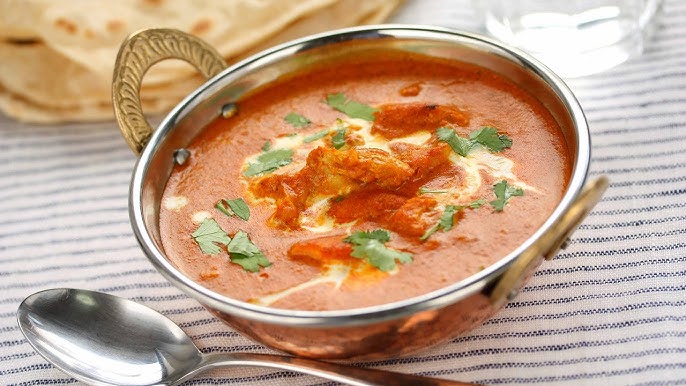
Chicken Makhani Recipe: Chicken Makhani, often called Butter Chicken, is one of the most loved Indian dishes in the world, and once you taste it, it is easy to understand why. It is rich, creamy, mildly spiced, and beautifully balanced with the tang of tomatoes and the softness of butter and cream.
The word “makhani” comes from “makhan,” which means butter, and that tells you a lot about the soul of this dish. This is not a dry curry or a fiery hot gravy that punches you in the face. Instead, it wraps around the chicken like a velvet blanket, giving you layers of flavor that feel both comforting and luxurious at the same time.
Think of it as the kind of recipe that can impress dinner guests while still being cozy enough for a quiet family meal on a weeknight.
Why This Chicken Makhani Recipe Works
A great Chicken Makhani recipe is not just about throwing chicken into a tomato sauce with cream and calling it a day. The reason this recipe works so well is because every layer is built with purpose. First, the chicken is marinated in yogurt, spices, ginger, and garlic, which tenderizes the meat and gives it deep flavor before it even touches the heat. That marinade does a lot of heavy lifting. It ensures the chicken stays juicy and absorbs those warm, aromatic spices from the inside out. Then comes the gravy, which is where the real magic happens. Butter, tomatoes, onions, cream, and spices come together to create a smooth, luxurious sauce that tastes rich without feeling heavy.
Another reason this recipe stands out is its balance. A lot of home cooks struggle with Indian gravies because one element takes over. Sometimes the tomato becomes too sour, sometimes the cream dulls everything, and sometimes the spices become sharp instead of warm. This version avoids those problems by building the sauce in stages and tasting as you go. It gives you enough control to adjust the sweetness, spice, and creaminess without losing the authentic character of the dish. It is like tuning a guitar string until it sounds just right. Too tight, and it snaps. Too loose, and it falls flat. This recipe aims for that perfect middle ground.
It also works because it is realistic. You do not need a tandoor oven or highly specialized restaurant equipment. A skillet, pan, blender, and a little patience are enough to create a dish that feels polished and impressive. Whether you are making it for a special occasion, meal prep, or just because you have been craving a proper Indian comfort dish, this step-by-step method is built to help you succeed.
Ingredients You’ll Need
The list below is divided into marinade ingredients, gravy ingredients, and optional finishing touches so the process stays clean and simple.
Ingredients for the Chicken Marinade
For the marinade, gather the following ingredients:
- 700 g boneless chicken thighs or breasts, cut into medium-sized pieces
- 1/2 cup plain yogurt
- 1 tablespoon ginger-garlic paste
- 1 teaspoon red chili powder
- 1/2 teaspoon turmeric powder
- 1 teaspoon garam masala
- 1 teaspoon ground coriander
- 1/2 teaspoon cumin powder
- 1 tablespoon lemon juice
- 1 tablespoon oil
- Salt, to taste
This marinade is where the chicken starts developing its personality. The yogurt gently tenderizes the meat, making it softer and more succulent after cooking. The lemon juice adds brightness, while the spice blend brings warmth, color, and that classic Indian flavor profile. Oil helps everything cling to the chicken evenly, ensuring each piece is coated well. Once mixed, this marinade should sit long enough to let the flavors settle into the meat. Even 30 minutes helps, but a longer rest creates better depth.
Ingredients for the Makhani Gravy
For the rich, creamy sauce, you will need:
- 2 tablespoons butter
- 1 tablespoon oil
- 1 medium onion, roughly chopped
- 4 medium tomatoes, chopped, or 1 1/2 cups tomato puree
- 1 tablespoon ginger-garlic paste
- 12 to 15 cashews
- 1 teaspoon Kashmiri red chili powder
- 1/2 teaspoon garam masala
- 1 teaspoon coriander powder
- 1/2 teaspoon cumin powder
- 1 small bay leaf
- 1 small cinnamon stick
- 2 green cardamom pods
- 1/2 to 1 teaspoon sugar or honey
- 1/2 cup fresh cream
- 1 teaspoon kasuri methi, crushed
- Salt, to taste
- 1/2 cup water, or as needed
This is the engine room of the dish. Butter and oil create the base, onions and tomatoes provide depth, and the cashews help produce that smooth restaurant-style texture. Kashmiri chili powder is especially useful because it gives vibrant color without overwhelming heat. The whole spices quietly perfume the sauce, while cream softens everything into a rich finish. Kasuri methi, added near the end, brings the unmistakable aroma people often associate with restaurant butter chicken.
Optional Garnishes and Serving Add-Ons
To finish and serve your Chicken Makhani recipe, you can use:
- Fresh cream, for drizzling
- Fresh coriander leaves, chopped
- A small cube of butter
- Sliced ginger, for garnish
- Naan, roti, or basmati rice, for serving
These extras are not just decorative. A swirl of cream makes the curry look elegant and adds another layer of richness. Chopped coriander brings freshness, and a final dab of butter gives the top a glossy finish that looks incredibly inviting. Serving it with warm naan or fluffy rice turns the dish into a complete and deeply comforting meal.
Kitchen Tools for the Best Results
Before you start cooking, it helps to set up your kitchen like a calm workspace rather than a battlefield. A few basic tools can make your Chicken Makhani recipe much easier and more polished. You will need a large mixing bowl for marinating the chicken, a heavy-bottomed pan or skillet for cooking the gravy, and either a grill pan, oven, or stovetop pan for cooking the marinated chicken. A blender is also very helpful because the makhani sauce is known for its smooth, velvety consistency. Without blending, the sauce can still taste good, but it will not have that signature silky texture that makes the dish feel special.
A fine mesh strainer is optional, but if you want a truly restaurant-style finish, it is worth using. Straining the blended sauce removes any fibrous tomato skin, onion bits, or cashew graininess that might remain after blending. This small step can transform a homemade gravy from rustic to refined. Tongs or a spatula will help with the chicken, and measuring spoons are useful for keeping the spice balance under control. Indian cooking often looks effortless, but that ease usually comes from good preparation and smart organization.
It also helps to have your ingredients prepped before the pan goes on the stove. Chop the onions, tomatoes, and herbs. Measure the cream, butter, and spices. Crush the kasuri methi ahead of time. When everything is in place, the process flows smoothly and you are less likely to overcook something while scrambling for the next ingredient. Cooking this dish is a little like conducting an orchestra. Each ingredient enters at the right moment, and when that timing is right, the final result feels harmonious and rich.
Step-by-Step Guide to Making Chicken Makhani
Step 1 – Marinate the Chicken
In a bowl, combine chicken pieces with yogurt, lemon juice, garlic, ginger, salt, chili powder, turmeric, and a little garam masala. Mix well so the chicken is fully coated. Let it marinate for at least 30 minutes to help the flavors soak in and keep the chicken tender.
Step 2 – Cook the Chicken
Heat a little oil or butter in a pan over medium heat. Add the marinated chicken and cook until it is lightly browned and nearly cooked through. Remove and set aside. This step helps build flavor before adding the chicken to the sauce.
Step 3 – Prepare the Makhani Base
In the same pan, melt butter and sauté chopped onion until soft. Add garlic, ginger, and tomato puree, then cook until the mixture thickens and the raw tomato taste fades. Stir in spices such as garam masala, paprika, cumin, and a little sugar for balance.
Step 4 – Blend and Simmer the Sauce
For a smoother sauce, blend the tomato mixture carefully until silky, then return it to the pan. Pour in cream and stir well until the sauce becomes rich and velvety. Let it simmer gently for a few minutes over low heat.
Step 5 – Combine and Finish
Return the cooked chicken to the sauce and stir to coat each piece well. Simmer for a few more minutes until the chicken is fully cooked and the flavors come together. Finish with extra butter, chopped coriander, and a drizzle of cream if desired. Serve hot with naan or rice.
Tips to Make Restaurant-Style Chicken Makhani
If you want your homemade Chicken Makhani to taste like something served in a good restaurant, a few smart techniques can make a surprising difference. First, do not skip the marinade time. Chicken that has only been briefly coated will never have the same depth as chicken that has rested and absorbed the spices. Second, use butter and cream with confidence, because this dish is meant to be rich and smooth. That does not mean greasy, of course. It means balanced richness, where the butter rounds out the tomato and the cream softens the spice. Another major trick is to use Kashmiri red chili powder for color. It gives the dish that beautiful red-orange hue without making it overly hot.
Blending and straining the sauce is another professional touch that matters more than people expect. The flavor may be similar without it, but the mouthfeel becomes dramatically better with it. Also, crush the kasuri methi between your palms before adding it. That simple step releases more aroma and helps the dish smell like proper restaurant butter chicken. A tiny bit of sugar can also be your secret weapon. It should not make the dish sweet, but it can smooth out the sharp edge of tomatoes and create a more rounded, polished taste.
One final tip is to avoid overcooking the chicken after it goes into the gravy. Think of it like adding the lead singer at the right moment in a song. Too early, and the effect gets muddy. Too late, and the performance feels disconnected. Simmer just enough for the flavors to come together. That is where the magic happens.
Common Mistakes to Avoid
A lot of people think Chicken Makhani is difficult, but most problems come down to a few very fixable mistakes. One of the biggest is using too much tomato without balancing it. Tomatoes bring body and tang, but if they dominate the dish, the gravy can taste acidic and one-dimensional. That is why butter, cream, cashews, and sometimes a pinch of sugar are so important. They do not just add richness. They create harmony. Another common mistake is undercooking the tomato-onion mixture. If that base still tastes raw, the final curry will never feel finished, no matter how much cream you stir in later.
Overcooking the chicken is another issue. Since the chicken is cooked once on its own and then simmered again in the gravy, it is easy to go too far. Dry chicken in a creamy sauce is disappointing because the contrast becomes obvious in every bite. It is much better to cook the chicken until nearly done, then let the gravy complete the process. People also sometimes use too much garam masala, assuming more spice means more flavor. But this dish is about warmth and depth, not spice overload. Too much can muddy the sauce and overpower the butter-tomato balance.
Skipping the final taste adjustment is also a mistake. Good cooking often comes down to those last 30 seconds when you ask, does this need a little more salt, a touch more cream, or a pinch more sweetness? That final adjustment is what turns a good curry into a memorable one.
What to Serve with Chicken Makhani
One of the best things about a rich Chicken Makhani recipe is how easily it pairs with different sides. The most classic choice is naan, because the soft, warm bread is perfect for scooping up the silky gravy. Garlic naan works especially well if you want another layer of flavor, while plain naan lets the curry remain the star. Jeera rice or plain basmati rice are also excellent choices. The light fluffiness of the rice balances the richness of the sauce and gives you a calmer, more delicate eating experience. It is like giving the curry a soft stage to perform on.
You can also serve it with roti, paratha, or even a mild pulao if you are planning a larger Indian meal. For contrast, a simple salad of sliced onions, cucumber, and lemon wedges can help cut through the richness. A bowl of cool yogurt or raita on the side also works beautifully, especially if you have made your version a little spicier. The beauty of Chicken Makhani is that it sits comfortably at the center of both everyday meals and festive spreads. It can be dressed up or kept simple without losing its charm.
If you are serving guests, a lovely combination would be Chicken Makhani with butter naan, basmati rice, cucumber raita, and a fresh salad. That gives you richness, texture, cooling elements, and enough variety to make the meal feel complete and professional. It is comforting food, yes, but it can also feel elegant with very little extra effort.
Storage and Reheating Tips
One of the hidden advantages of Chicken Makhani is that it often tastes even better the next day. Once the chicken rests in the gravy for several hours, the flavors deepen and meld in a way that feels more rounded and satisfying. To store it, let the curry cool fully, then transfer it to an airtight container and refrigerate for up to 3 days. Keep it away from repeated temperature changes, and always use a clean spoon when serving leftovers. Because the sauce contains cream and butter, proper storage matters for both taste and safety.
When reheating, use low heat on the stovetop rather than blasting it in a hot pan. Add a small splash of water or cream if the gravy has thickened too much in the fridge. Stir gently and heat until just hot throughout. Avoid overboiling, because that can make the chicken tougher and may cause the cream to separate. If using a microwave, heat in short intervals and stir in between. The goal is to warm the dish evenly, not punish it.
You can also freeze Chicken Makhani, though the texture is best when frozen before adding too much cream. If freezing the finished dish, store it in freezer-safe containers for up to 2 months. Thaw overnight in the fridge before reheating slowly. This makes it a fantastic meal prep option. On a busy day, having a rich, homemade curry ready to warm up can feel like opening a treasure chest in your kitchen.
Healthy Swaps and Easy Variations
Even though Chicken Makhani is known for richness, it can be adjusted to suit different preferences without losing its core identity. If you want a lighter version, you can reduce the butter and use less cream, replacing part of it with milk or plain yogurt added carefully at low heat. Boneless chicken breast can be used instead of thighs for a leaner protein choice, though you will want to watch the cooking time closely to avoid dryness. You can also skip cashews if needed, though they do help with texture and body.
For a dairy-free version, use plant-based butter and coconut cream or cashew cream. The flavor changes slightly, but the dish can still be rich and satisfying. Some people also like adding a little smoked paprika or using a charcoal smoke finish for extra depth. If you want a spicier variation, increase the chili powder or add a finely chopped green chili to the gravy. For a sweeter, milder family-style version, use a little extra cream and reduce the heat.
You can even turn this base into other makhani-style dishes. Paneer, tofu, roasted vegetables, or chickpeas can all work with a similar sauce. That is the beauty of a strong gravy foundation. Once you understand how it works, you can adapt it to your pantry and preferences. It becomes less of a rigid recipe and more of a reliable cooking style you can return to again and again.
FAQs about Chicken Makhani Recipe
1. What is chicken makhani?
Chicken makhani, also known as butter chicken, is a rich and creamy Indian-inspired dish made with marinated chicken cooked in a tomato, butter, and cream sauce. It is known for its smooth texture and mildly spiced flavor.
2. Is chicken makhani the same as butter chicken?
Yes, chicken makhani and butter chicken are commonly used to mean the same dish. “Makhani” refers to the buttery sauce.
3. What cut of chicken works best?
Boneless chicken thighs are often the best choice because they stay juicy and tender. Chicken breast can also be used if you prefer a leaner option.
4. Do I need to marinate the chicken?
Yes, marinating helps tenderize the chicken and adds deeper flavor. Yogurt, lemon juice, garlic, ginger, and spices are commonly used in the marinade.
5. Is chicken makhani very spicy?
Usually, chicken makhani is mildly spiced rather than very hot. You can easily adjust the chili level to suit your taste.
6. Can I make chicken makhani without cream?
Yes, you can use evaporated milk, coconut cream, or even cashew paste for a different but still creamy texture.
7. What do I serve with chicken makhani?
It is commonly served with naan, basmati rice, jeera rice, or roti. These sides pair very well with the rich sauce.
8. Can I store leftovers?
Yes, store leftover chicken makhani in an airtight container in the refrigerator for up to 3 days. Reheat gently before serving.
Conclusion
This recipe is perfect for home cooks who want something impressive without making the cooking process overwhelming. It works for family dinners, festive occasions, and even meal prep because it stores and reheats beautifully. Once you make it properly, you begin to understand why it has become such a global favorite. It is warm, fragrant, comforting, and just indulgent enough to feel special. Whether you serve it with naan, rice, or both, it is the kind of meal that turns an ordinary dinner into something memorable.