Chicken Kofta Recipe: There are some recipes that feel fancy enough for guests but easy enough for a weeknight dinner, and chicken kofta sits right in that sweet spot. It is packed with bold flavor, shaped by hand, and cooked in a way that makes even a simple dinner feel special.
The beauty of this dish is that it does not ask for complicated ingredients or restaurant-level skills. You take ground chicken, mix it with herbs, onion, garlic, and warming spices, then shape it into logs or oval patties and cook until juicy and golden. That is it. Yet the final result tastes like something you spent hours perfecting.
This step-by-step chicken kofta recipe is designed for home cooks who want clear instructions, a reliable ingredient list, and enough detail to get the texture and flavor exactly right. Whether you are making kofta for the first time or trying to improve your method, this guide will walk you through every important part of the process without making it feel overwhelming. Good kofta is not about luck. It is about balance, technique, and knowing a few small tricks that make a big difference.
What Is Chicken Kofta?
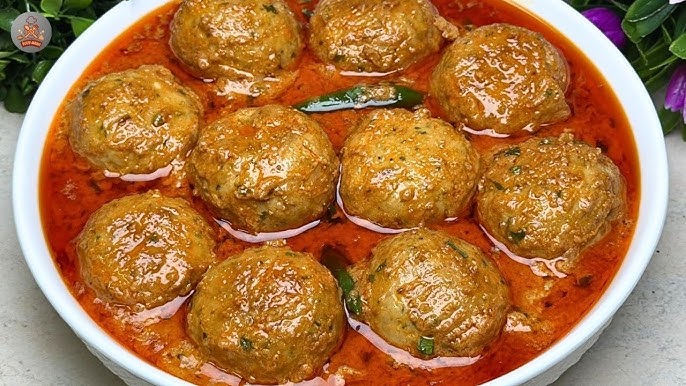
Chicken kofta is a dish made from minced or ground chicken mixed with herbs, onions, garlic, spices, and a binder, then shaped into small logs, cylinders, or patties before cooking. It appears in many cuisines across the Middle East, South Asia, the Mediterranean, and parts of Central Asia, with each region adding its own twist through spice blends, sauces, and serving styles. Some versions are cooked on skewers over open flame, while others are simmered in curry or tomato-based gravy. This version focuses on a dry-style kofta that is easy to make at home and ideal for serving with rice, flatbread, or salad.
The word “kofta” usually brings to mind rich, seasoned ground meat that is shaped rather than cut. That is part of the magic. Instead of relying on large chunks of meat or lengthy marination, kofta creates flavor by blending everything directly into the mince. Each bite carries the onion, spice, herb, and chicken together, so the taste is consistent and layered. It is a bit like stuffing all the good parts of a marinade into the center of the dish instead of just coating the outside.
Chicken kofta has become especially popular because it offers a lighter alternative to beef or lamb while still delivering plenty of flavor. Chicken also absorbs spices beautifully, which means ingredients like cumin, coriander, paprika, black pepper, garlic, and fresh parsley really shine. When mixed and cooked correctly, chicken kofta stays tender, juicy, and deeply savory. That combination makes it a strong choice for family meals, meal prep, party platters, or even protein-packed lunches during the week.
How Kofta Differs From Regular Meatballs
At first glance, chicken kofta may look like a close cousin of the classic meatball, but the two are not exactly the same. Meatballs are often round, heavily bound with breadcrumbs or egg, and sometimes simmered in sauce. Kofta, on the other hand, is usually shaped into oblong forms or molded around skewers, and its flavor profile leans more heavily on herbs and spices. Rather than tasting like a neutral base for sauce, kofta is meant to stand confidently on its own. The seasoning is the star, and the shape helps create more surface area for browning, grilling, or charring.
Texture also plays a major role in the difference. A meatball often aims for soft, almost pillowy tenderness, while kofta usually has a slightly firmer bite that holds together well during frying or grilling. That does not mean it should be dry. Quite the opposite. Good kofta should still be moist and tender inside, but it needs enough structure to keep its shape. That is why the ratio of onion, chicken, binder, and herbs matters so much. Too much moisture and the mixture falls apart. Too little and it becomes dense.
Another key difference is how kofta is served. Meatballs often appear with pasta or in sauce-heavy dishes, but kofta is usually part of a larger spread. It pairs naturally with flatbreads, yogurt sauces, pickled onions, rice, hummus, and fresh vegetables. In that way, it behaves less like a single main item and more like the anchor of a vibrant plate. It is practical, flavorful, and built for layering with other textures and tastes.
Why Chicken Is a Great Choice for Kofta
Chicken is a fantastic choice for kofta because it creates a lighter, more versatile version of the dish without sacrificing flavor. While lamb and beef kofta are classic and undeniably rich, chicken offers a cleaner base that allows aromatics and spices to come through more clearly. Garlic feels sharper, herbs taste brighter, and warm spices like cumin and coriander feel more balanced instead of heavy. That makes chicken kofta especially appealing for people who want something satisfying but not too rich.
There is also a practical reason many home cooks choose chicken: it is widely available, budget-friendly, and easy to work with. Ground chicken cooks quickly, adapts to different spice levels, and fits into a wide variety of diets and meal plans. You can tuck it into pita bread for lunch, serve it over rice for dinner, or slice leftovers into a salad bowl the next day. It is one of those recipes that stretches beyond one meal and keeps earning its place in your rotation.
The trick with chicken, of course, is moisture. Because it is leaner than many red meats, it needs a little help to stay juicy. That is where grated onion, a small binder, fresh herbs, and careful cooking come in. Get those details right and the result is tender and flavorful rather than dry. In other words, chicken kofta is like a sponge for seasoning and a canvas for creativity. It rewards attention, but it does not demand perfection. That is why once people learn how to make it properly, they tend to come back to it again and again.
Ingredients You’ll Need
Below is a reliable list of ingredients that works beautifully for home cooking. The quantities are friendly for a family-sized batch and can be doubled if you are cooking for guests or meal prepping for the week.
Main Ingredients for Chicken Kofta
Here is the full Ingredients You’ll Need list:
- 500 grams ground chicken
- 1 small onion, finely grated or very finely minced
- 3 garlic cloves, minced
- 2 tablespoons fresh parsley, finely chopped
- 2 tablespoons fresh cilantro, finely chopped
- 1 green chili, finely chopped (optional)
- 1 egg
- 3 tablespoons breadcrumbs
- 1 tablespoon lemon juice
- 1 tablespoon oil for the mixture
- 1 teaspoon salt
- 1 teaspoon ground cumin
- 1 teaspoon ground coriander
- 1 teaspoon paprika
- 1/2 teaspoon black pepper
- 1/2 teaspoon chili flakes or red pepper powder
- 1/2 teaspoon garam masala or allspice (optional)
- Oil for frying or brushing before baking/grilling
This ingredient list creates kofta that is savory, aromatic, and balanced. The egg and breadcrumbs help bind the chicken without making it heavy. The lemon juice brightens the mixture and keeps the flavor from feeling one-note. Fresh parsley and cilantro add color and freshness, while the spices build warmth and depth. It is a simple list, but the result tastes layered and complete. That is the beauty of cooking with intention instead of clutter.
Spices and Aromatics That Build Flavor
The spices in chicken kofta do more than season the meat. They create identity. Without them, the mixture would simply taste like seasoned ground chicken. With them, it transforms into something more fragrant, warm, and memorable. Cumin gives kofta its earthy backbone, the kind of flavor that makes a kitchen smell instantly comforting. Coriander adds a citrusy warmth that pairs beautifully with chicken, while paprika contributes gentle sweetness and a subtle red tint that makes the mixture look as good as it tastes.
Then come the fresh aromatics. Onion is one of the most important ingredients in the bowl because it brings both flavor and moisture. Finely grated onion works particularly well because it melts into the mixture instead of staying in sharp chunks. Garlic gives the kofta its savory edge, and fresh herbs like parsley and cilantro prevent the flavor from becoming too heavy. That herbaceous lift is what keeps the dish tasting alive rather than dull. Even a small amount of green chili can sharpen the whole recipe without making it aggressively spicy.
The secret is balance. Too much dry spice and the kofta can taste dusty. Too much onion and the mixture may turn soggy. But when each ingredient is measured with care, the final result feels seamless. Nothing sticks out awkwardly. The seasoning becomes part of the meat itself, not just something sprinkled onto it. That is exactly what good kofta should do: carry flavor all the way through, not just on the outside.
Optional Add-Ins for Extra Taste
One of the easiest ways to make this chicken kofta recipe your own is by adding a few extra ingredients without disturbing the core structure of the dish. A spoonful of Greek yogurt mixed into the mince can make the kofta slightly softer and more tender, especially if you are using very lean chicken breast mince. Some people like to add a little finely chopped mint for a cooler, fresher finish that works beautifully when serving the kofta with yogurt sauce or salad.
Another smart addition is finely chopped bell pepper or scallions, though these should be used lightly so they do not introduce too much moisture. You can also add a pinch of turmeric for color or a little smoked paprika if you want a deeper, almost grilled flavor even when cooking indoors. For a richer, more aromatic version, a pinch of ground cinnamon or allspice can add a subtle warmth that makes the kofta taste more complex without turning it sweet.
These extras are not required, and that is exactly why they are useful. They let you customize the dish according to your taste, the season, or what you already have in the kitchen. The core recipe stays dependable, while the edges remain flexible. It is like having a good base melody that can be remixed in small ways depending on your mood. That flexibility is one reason homemade chicken kofta becomes such a repeat recipe in many homes.
Kitchen Tools That Make the Process Easier
You do not need a long list of equipment to make chicken kofta, but a few simple tools can make the job cleaner, faster, and more enjoyable. At the center of everything is a large mixing bowl. You need enough space to combine the chicken, onion, herbs, spices, and binder thoroughly without compacting the mixture too much. A cramped bowl turns mixing into a struggle, and kofta responds best when the ingredients are evenly distributed with a light but thorough hand.
A box grater or small grater is extremely useful for the onion. Grating helps create a smooth texture and releases moisture evenly through the mixture. A sharp knife and cutting board are essential for finely chopping herbs, garlic, and chili. If you want an especially smooth mince, a food processor can help pulse onion, herbs, and garlic together, but it is not mandatory. Sometimes hand chopping gives better control and keeps the mixture from becoming watery.
For cooking, you will need either a nonstick skillet, a grill pan, an oven tray, or an outdoor grill depending on your method. Tongs or a spatula help turn the kofta gently, and skewers are useful if you want the classic elongated presentation. Parchment paper can also make shaping and transferring easier. None of these tools are fancy, and that is part of the appeal. This is a grounded, practical recipe. It is built for real kitchens, real schedules, and people who want impressive flavor without turning dinner into a full production.
How to Choose the Best Chicken for Kofta
Choosing the right chicken can make a noticeable difference in the final texture of your chicken kofta recipe. The best option is usually ground chicken that includes a little fat, often made from a blend of dark and white meat. Very lean ground chicken breast can work, but it has a greater risk of turning dry if overcooked. Since kofta relies on shaping and direct cooking rather than simmering in a sauce, a bit of natural fat helps keep the inside juicy and tender.
When buying packaged ground chicken, look for fresh color and avoid anything that seems watery in the package. Too much excess moisture can throw off the texture of the kofta mixture. If you are buying chicken to mince at home, boneless thighs are a strong choice because they contain more flavor and moisture than breast meat. A mix of thighs and breast can also work well, giving you a nice middle ground between richness and lightness.
Freshness matters too. Because the ingredients are mixed directly into the meat, you want the chicken to be as fresh as possible so the final flavor stays clean and savory. Kofta does not hide poor ingredients. It celebrates good ones. That is why even a simple recipe like this can taste exceptional when the base is chosen with care. Good chicken does not need to be expensive or gourmet. It just needs to be suitable for the job: flavorful, moist enough, and able to hold seasoning beautifully.
Ground Chicken vs Homemade Minced Chicken
There is no single right answer in the debate between store-bought ground chicken and homemade minced chicken, because both can produce excellent kofta. Store-bought ground chicken is convenient and saves time, which makes it perfect for busy weeknights. It is ready to season, easy to portion, and widely available. For many home cooks, that convenience is reason enough to use it regularly, especially when the rest of the recipe is already bringing in plenty of flavor.
Homemade minced chicken, though, gives you more control. You can decide how fine or coarse the texture should be, choose the exact balance of breast and thigh meat, and avoid excess moisture that sometimes appears in packaged ground meat. When you mince chicken at home using a food processor or a sharp knife, the texture can feel fresher and slightly more substantial. That can produce kofta with a pleasing bite instead of a soft, overly uniform texture.
The choice really comes down to your priorities. If speed matters most, packaged ground chicken is completely fine. If texture control matters most, homemade mince has the edge. Either way, the most important thing is not whether the chicken came from a processor or a package. It is how you treat it afterward. Season it carefully, handle it gently, and cook it attentively. Those factors shape the final result far more than people often realize.
Step-by-Step Guide for Chicken Kofta
Step 1: Prepare the Ingredients
Start by gathering ground chicken, finely chopped onion, minced garlic, chopped parsley or coriander, breadcrumbs, and your spices. Common seasonings include salt, black pepper, paprika, cumin, and a little chili powder if you like heat. Make sure the onion is chopped very finely so the mixture holds together well.
Step 2: Mix the Kofta Mixture Properly
Place the ground chicken in a large bowl and add the onion, garlic, herbs, breadcrumbs, and seasonings. Mix everything gently but thoroughly until well combined. Avoid overmixing, as this can make the kofta dense instead of tender.
Step 3: Shape the Chicken Kofta
Take small portions of the mixture and shape them into oval logs or sausage-like pieces. You can mold them around skewers if desired, especially for grilling. Keep the shapes even so they cook at the same rate.
Step 4: Cook the Kofta
Pan-Frying Method
Heat a little oil in a skillet over medium heat. Cook the kofta for several minutes, turning gently until browned on all sides and fully cooked through.
Oven-Baked Method
Place the shaped kofta on a lined baking tray and bake in a preheated oven until golden and cooked through. Turn once halfway through for even browning.
Grilled Method
Brush the kofta lightly with oil and grill over medium heat, turning carefully until nicely charred on the outside and fully cooked inside.
Serve hot with rice, flatbread, salad, yogurt sauce, or grilled vegetables.
Tips to Keep Chicken Kofta Juicy and Tender
The difference between dry kofta and irresistible kofta often comes down to a few small details. First, do not use chicken that is too lean unless you balance it with moisture from grated onion, herbs, and a proper binder. Second, avoid overmixing. The mixture should come together, not be kneaded endlessly. Too much mixing can make the texture firm in the wrong way, almost rubbery instead of tender.
Chilling the mixture before shaping is another underrated trick. It helps the ingredients bind naturally and reduces the risk of the kofta falling apart during cooking. Also, cook over moderate heat rather than blasting the pan or grill on full power. High heat can brown the outside too quickly while leaving the inside undercooked, which often leads people to keep cooking longer than necessary. That extra time is what dries the chicken out.
Finally, pay attention to size. Smaller kofta cook faster and more evenly, while oversized pieces are harder to control. Once cooked, let them rest for a few minutes before serving. This short rest helps the juices settle back into the meat instead of running out onto the plate. It is a small pause, but it makes the texture noticeably better. Recipes like this are often won or lost in these quiet little moments.
What to Serve With Chicken Kofta
One of the best things about chicken kofta is how easily it fits into different kinds of meals. Serve it with warm pita bread, mint yogurt sauce, and a crisp cucumber-tomato salad for a fresh and satisfying plate. For something more filling, pair it with basmati rice, pilaf, or spiced couscous. It also works beautifully with hummus, pickled onions, and a drizzle of tahini or garlic sauce. The kofta is flavorful enough to lead the plate, but friendly enough to work with many side dishes.
If you are planning a family dinner, kofta alongside rice and roasted vegetables makes a balanced, crowd-pleasing meal. If you are thinking about lunch or meal prep, wrap the kofta in flatbread with lettuce, sliced onions, and yogurt sauce for a handheld option that feels far more exciting than an ordinary sandwich. Leftovers also slice well into grain bowls or salads, which means the recipe keeps giving even after dinner is over.
Here is a quick serving guide:
| Side Dish | Why It Works |
|---|---|
| Pita or naan | Soft bread balances the savory kofta |
| Yogurt dip | Adds coolness and creaminess |
| Rice or couscous | Makes the meal more filling |
| Fresh salad | Brings crunch and brightness |
| Pickled onions | Adds tang and contrast |
| Hummus or tahini | Creates a richer, mezze-style plate |
A good meal is often about contrast, and kofta loves contrast. Warm meat, cool sauce, soft bread, crisp vegetables, and sharp pickles all play together like a well-rehearsed band.
Common Mistakes to Avoid
A few common mistakes can make chicken kofta harder than it needs to be. One of the biggest is adding too much moisture. Onion is important, but if it is too wet and not balanced properly, the mixture becomes loose and difficult to shape. Another mistake is not seasoning enough. Ground chicken is mild, so it needs help from salt, garlic, herbs, and spices to become truly flavorful. Underseasoned kofta can taste flat no matter how nicely it is cooked.
Another issue is overcooking. Since chicken must be cooked through, many people leave it on the heat too long out of caution. That usually dries it out. The solution is not guesswork but attention. Cook over moderate heat, keep the pieces evenly sized, and remove them once they are done. Overmixing is another trap. The kofta mixture should be blended evenly, but it should not be worked like bread dough.
Skipping the chill time can also cause trouble, especially for beginners. Chilled kofta are easier to shape and less likely to break apart. Finally, avoid overcrowding the pan. When too many pieces go in at once, the temperature drops and the kofta starts steaming instead of browning. Browning is where so much flavor develops, so give the pieces room. Good kofta is not complicated, but it rewards patience and a little bit of care.
FAQs about Chicken Kofta Recipe
1. What is chicken kofta?
Chicken kofta is a dish made from ground chicken mixed with herbs, spices, onion, and sometimes breadcrumbs, then shaped into logs, balls, or patties. It can be pan-fried, baked, or grilled.
2. What type of chicken is best for kofta?
Ground chicken with a little fat works best because it stays moist and tender during cooking. Very lean chicken can make the kofta dry.
3. Why is my chicken kofta falling apart?
This usually happens when the mixture is too wet or does not have enough binding ingredients. Breadcrumbs, egg, or chilling the mixture before shaping can help it hold together better.
4. Can I bake chicken kofta instead of frying it?
Yes, chicken kofta can be baked for a lighter option. It can also be grilled for a smoky flavor.
5. What herbs and spices go well in chicken kofta?
Popular choices include parsley, coriander, garlic, cumin, paprika, black pepper, chili powder, and onion. These ingredients give the kofta its bold flavor.
6. How do I know when chicken kofta is cooked?
Chicken kofta is done when it is firm, lightly browned, and the inside is no longer pink. The internal temperature should reach 75°C (165°F).
7. What can I serve with chicken kofta?
Chicken kofta pairs well with flatbread, rice, couscous, salad, yogurt sauce, hummus, or grilled vegetables.
8. Can I make chicken kofta ahead of time?
Yes, you can prepare and shape the kofta mixture ahead of time, then keep it in the refrigerator until ready to cook.
Conclusion
The key is not mystery. It is method. Use the right amount of moisture, season generously, shape gently, and cook with attention. Once you understand those basics, chicken kofta becomes one of those recipes you can adapt almost endlessly. Pan-fry it, bake it, grill it, wrap it, plate it over rice, or pair it with salad and dips. It bends without breaking. That kind of flexibility is gold in a home kitchen.
So when you want a recipe that feels a little special without becoming exhausting, this is a strong choice. It delivers on flavor, texture, and versatility all at once. And once you make it successfully the first time, chances are high it will stop being a one-time dish and start becoming part of your regular rhythm.