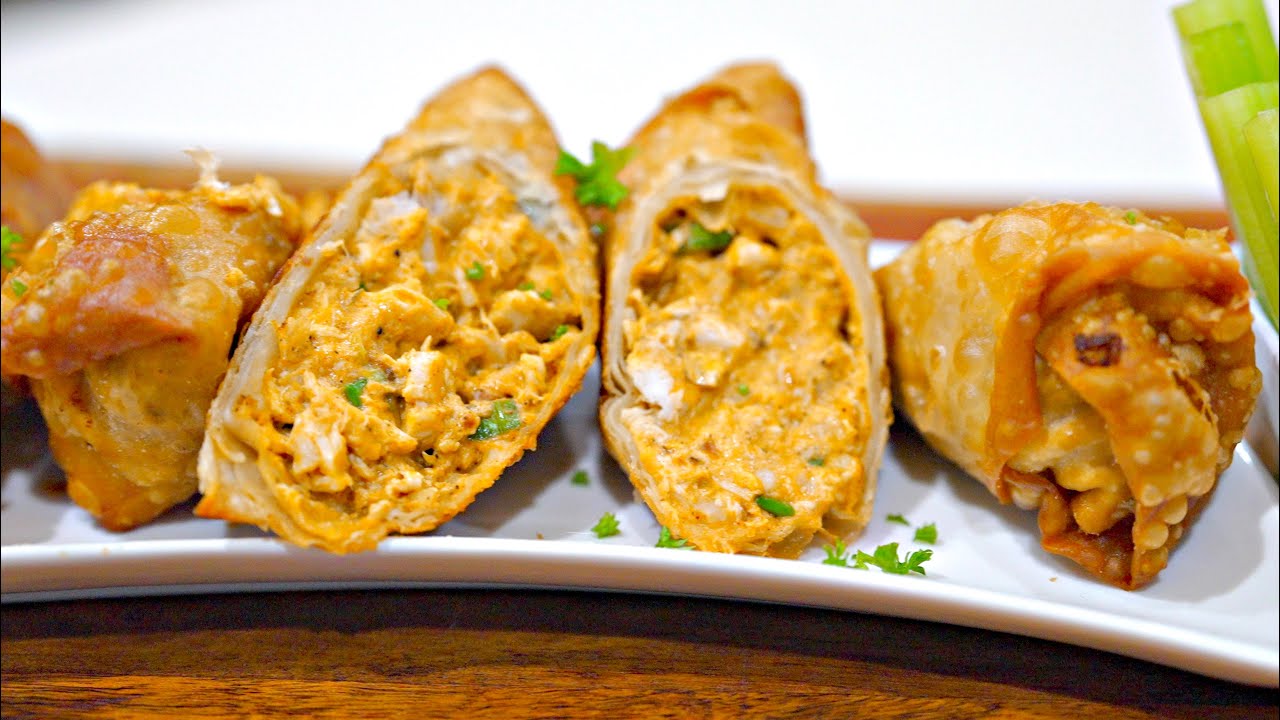
Chicken Egg Rolls Recipe: There is something deeply satisfying about biting into a hot, crispy chicken egg roll and hearing that light crackle before you reach the juicy, savory filling tucked inside.
It is the kind of food that feels like a treat, but it is also surprisingly doable in a home kitchen when you break the process down into simple steps. Many people assume egg rolls are fussy, tricky, or best left to takeout restaurants, but that really is not the case.
Once you understand how the filling should taste, how moist it should be, and how the wrapper folds around it, the whole thing starts to feel less like a restaurant secret and more like a repeatable home recipe you will want to make again and again.
Why This Chicken Egg Rolls Recipe Works So Well
A lot of recipes promise crispy egg rolls, but the real challenge is getting crispy chicken egg rolls that also have a flavorful filling and a wrapper that does not split or soak up too much oil. This recipe works because it pays attention to the small details that many quick recipes rush past. The chicken is cooked with aromatics first, so the protein itself carries flavor before the vegetables even go in. Then the vegetables are added just long enough to soften slightly while still keeping some bite, which helps the filling stay textured instead of turning mushy. That balance is what makes a homemade egg roll feel lively rather than flat.
Another key reason this recipe works is moisture control. That might sound boring, but in truth, it is the secret handshake of great egg rolls. If the filling is too wet, the wrappers soften, the oil spits, and the final rolls lose that shattering crunch everyone wants. If the filling is too dry, the inside feels dull and crumbly. This version keeps things in the sweet spot by cooking the filling until the excess moisture evaporates and then cooling it before wrapping. It is a little like letting a sauce settle before serving it. A few extra minutes of patience create a much better result.
The recipe is also built for real kitchens, not just ideal ones. You do not need restaurant equipment, a deep fryer, or hard-to-find specialty ingredients. A skillet, a mixing spoon, standard egg roll wrappers, and a frying pan are enough. The ingredient list is straightforward, and the flavors lean on familiar staples like garlic, ginger, soy sauce, cabbage, and green onions. Those ingredients work together because they build layers: savory, slightly sweet, fresh, aromatic, and rich. Every bite tastes complete.
Most importantly, this guide teaches method as much as recipe. Once you understand why the chicken is cooked first, why the filling must cool, and why you should not overcrowd the pan, you are no longer just following instructions. You are learning how to make egg rolls confidently. That confidence matters because it lets you repeat the recipe without stress, adjust it to your taste, and still get a reliable result. Good recipes feed you once. Great ones teach you how to cook them again without fear.
Ingredients You’ll Need
The beauty of this recipe is that the ingredients are simple, familiar, and easy to find in most grocery stores. Still, the ingredient list deserves real attention because each item plays a specific role in the flavor, texture, and structure of the final egg roll. You are not just tossing random vegetables and chicken into a wrapper. You are building a filling that needs to be savory, balanced, slightly juicy, and sturdy enough to hold together when wrapped and fried. That is why this section matters so much. A good egg roll starts long before the frying stage.
Here is the full Ingredients You’ll Need list for this recipe:
- 1 pound ground chicken or finely chopped cooked chicken
- 2 cups shredded cabbage
- 1 cup shredded carrots
- 1/2 cup thinly sliced green onions
- 1 small onion, finely chopped
- 3 garlic cloves, minced
- 1 tablespoon fresh ginger, grated
- 2 tablespoons soy sauce
- 1 tablespoon oyster sauce
- 1 teaspoon sesame oil
- 1/2 teaspoon black pepper
- 1/2 teaspoon salt or to taste
- 1/2 teaspoon sugar for balance
- 1 tablespoon cornstarch mixed with 1 tablespoon water if needed for binding
- 12 to 15 egg roll wrappers
- 1 egg, beaten, or a flour-water paste for sealing
- Oil for frying such as vegetable, canola, or peanut oil
Optional add-ins:
- 1 cup bean sprouts
- 1/2 cup mushrooms, finely chopped
- 1 teaspoon chili flakes or a little sriracha
- A few drops of rice vinegar
- Extra green onions for garnish
This ingredient combination works because it covers all the important notes. The chicken gives body and protein. The cabbage and carrots bring crunch, sweetness, and classic egg roll character. Garlic and ginger wake everything up and keep the filling from tasting heavy. Soy sauce and oyster sauce create that rich, savory depth you usually associate with restaurant-style filling. The sesame oil adds a final layer of aroma that makes the filling smell complete, almost like the difference between a sketch and a finished painting. Even the wrapper matters more than people think. A fresh, pliable wrapper folds neatly, seals well, and fries into that blistered golden shell that makes egg rolls irresistible.
Chicken and Protein Base
The chicken is the backbone of this recipe, so it is worth choosing and handling it thoughtfully. Ground chicken is the easiest option because it cooks quickly, mixes evenly with the vegetables, and creates a filling that is easy to spoon into wrappers. It also absorbs seasonings beautifully, almost like a sponge that soaks up soy sauce, ginger, garlic, and sesame oil. If you prefer, you can use finely chopped cooked chicken breast or thigh meat, but ground chicken usually gives the most even texture. Thigh meat, in particular, tends to be slightly juicier and more forgiving, while breast meat is leaner and lighter. Either one can work as long as you avoid overcooking it.
One thing that makes chicken egg rolls especially appealing is that the flavor is hearty without feeling too heavy. Pork is traditional in many egg roll recipes, but chicken gives you a cleaner, more versatile base that pairs easily with vegetables and different dipping sauces. It is the sort of protein that lets the aromatics shine rather than overpowering them. That makes this recipe a great option for family meals, potlucks, or anyone who wants something satisfying but not greasy or overly rich.
When cooking the chicken, the goal is not just to brown it. You want to break it up into small crumbles and cook off excess moisture so the filling stays compact and easy to wrap. Large chunks make rolling harder, and wet chicken filling is one of the fastest ways to ruin the texture of the finished egg rolls. It helps to cook it over medium to medium-high heat, stirring often, until it is fully cooked and lightly golden in places. Those slightly browned edges add flavor and keep the mixture from tasting flat.
Seasoning the chicken early also matters. A small amount of salt, pepper, soy sauce, and aromatics added during cooking creates a stronger foundation than trying to fix everything later. In other words, do not think of the chicken as just one ingredient in the filling. Think of it as the center of gravity. If the chicken tastes bland, the whole egg roll feels unfinished. If the chicken is well-seasoned and properly cooked, everything else falls into place much more naturally.
Vegetables and Aromatics
Vegetables do far more than bulk up the filling. In a well-made homemade chicken egg roll, they create contrast, freshness, sweetness, and crunch. The classic combination of cabbage and carrots is popular for a reason. Cabbage softens beautifully while still keeping a slight bite, and carrots add natural sweetness and color that brighten the filling. That contrast is important because chicken alone can feel one-dimensional. The vegetables give the filling movement and texture, which is exactly what keeps each bite interesting.
Cabbage is the real workhorse here. It wilts enough to become tender, but it still helps hold the filling together. Shredded green cabbage is the most common choice, though a mix of green and purple cabbage can make the filling look more vibrant. Carrots should be shredded thinly so they cook at the same pace as the cabbage and blend into the filling rather than sticking out in long strips. Thin slices of green onions add a fresh, slightly sharp finish that cuts through the savory richness. Finely chopped onion adds sweetness as it cooks and helps create a fuller flavor base.
Then come the aromatics, which are the soul of the recipe. Fresh garlic and ginger are non-negotiable if you want that unmistakable egg roll flavor. Garlic brings warmth and depth, while ginger adds brightness and a gentle heat that lifts the whole filling. Together, they do what a good soundtrack does in a movie: you may not always notice them individually, but you definitely notice when they are missing. Their job is to make the filling smell and taste alive.
Optional vegetables like bean sprouts and mushrooms can be added, but they need a little care. Bean sprouts add a satisfying crunch, though they also carry water, so they should be cooked briefly. Mushrooms add umami and richness, but they also release liquid, so they must be sautéed until that moisture cooks off. The golden rule is simple: every vegetable should contribute flavor and texture without making the filling watery. That is the balance you are chasing. When the vegetables are chosen well and cooked correctly, they do not just support the chicken. They complete it.
Sauces, Seasonings, and Flavor Builders
The difference between an average egg roll and one that makes people reach for a second before they finish the first often comes down to seasoning. The sauces and flavor builders in this recipe are not complicated, but they need to be balanced. Soy sauce provides saltiness, depth, and a savory backbone. Oyster sauce adds richness and a subtle sweetness that gives the filling a more restaurant-style taste. A touch of sesame oil brings an unmistakable toasted aroma that makes the whole mixture smell finished and intentional. These are not loud ingredients on their own, but together they create the kind of layered flavor that tastes fuller than the short list suggests.
Garlic and ginger do much of the aromatic work, but black pepper and a small pinch of sugar help round things out. Black pepper gives gentle warmth without turning the filling spicy, while sugar smooths the edges of the salty ingredients and helps the vegetables taste naturally sweeter. That little pinch is not there to make the filling sweet. It is there to make the overall flavor feel more balanced. Think of it the way a squeeze of lemon can sharpen a soup without making it taste lemony. Tiny adjustments often make the biggest difference.
You can also customize the seasoning slightly based on your preference. A few drops of rice vinegar can add brightness if you like a little tang. A spoonful of chili sauce or a pinch of chili flakes can bring some heat. A small amount of cornstarch slurry can help bind the filling if it seems loose, especially if your vegetables released more water than expected. That step is not always necessary, but it is useful to know because it can rescue a mixture that feels too wet for wrapping.
The most important thing is to taste the filling before you start wrapping. That moment is your chance to fix balance. Does it need more salt? Another dash of soy sauce? A little more pepper? Once the filling is inside the wrapper, your control is gone. Tasting before wrapping is the recipe’s safety net. It is like trying on shoes before you leave the house. Everything may look good, but comfort only becomes clear when you test it properly.
Wrappers, Oil, and Optional Add-Ins
Egg roll wrappers are the outer shell, but they are much more than packaging. They determine how easily the rolls fold, how well they seal, and how crisp the finished egg rolls become. Good wrappers should feel slightly soft and flexible, not dry, brittle, or sticky. When wrappers dry out, they crack during folding and split during frying. That is why it is smart to keep the stack covered with a lightly damp towel while you work. It is a small habit that prevents a lot of frustration. In many ways, wrappers behave like dough with a short attention span. Treat them gently, and they cooperate beautifully.
The oil matters too, especially for frying. A neutral oil such as vegetable oil, canola oil, or peanut oil works best because it lets the filling flavor shine without adding an overpowering taste. The oil should be heated properly before frying, usually around 350°F to 375°F if you are using a thermometer. Too cool, and the egg rolls absorb oil and turn greasy. Too hot, and the wrapper browns before the inside heats through. The right oil temperature is the bridge between pale and greasy on one side, and dark and bitter on the other.
Sealing the wrappers is another overlooked detail. A beaten egg works very well, but a simple flour-and-water paste can also do the job. Either way, the point is to create a tight seal that keeps the roll closed while frying. You do not need a heavy layer. Just enough to act like glue along the final edge is perfect.
Optional add-ins can personalize the recipe without changing its core identity. Bean sprouts create extra crunch. Mushrooms add earthy depth. Chili flakes or sriracha bring heat. A little rice vinegar can brighten the whole filling. Still, restraint is helpful. Egg rolls are best when they stay focused. You want the add-ins to support the classic chicken-and-cabbage combination, not bury it. A good egg roll is like a well-packed suitcase: there is room for extras, but only if the essentials still fit neatly and everything closes without strain.
Kitchen Tools That Make the Process Easier
You do not need special restaurant equipment to make great chicken egg rolls at home, but having the right basic tools makes the process smoother and more enjoyable. A large skillet or sauté pan is one of the most important pieces because it gives the chicken and vegetables enough room to cook properly. Crowding the pan traps steam, and trapped steam leads to soggy filling. A roomy pan lets moisture evaporate and helps the ingredients brown lightly instead of just sweating. That one difference can improve both flavor and texture before you even start wrapping.
A sharp knife and a good cutting board also matter more than people think. Even if you buy some pre-shredded vegetables, you will still need to chop onion, mince garlic, grate ginger, and slice green onions. Clean, even cuts help the filling cook at the same pace. A box grater or microplane is especially useful for ginger and carrots, and it saves time while keeping the texture fine enough for easy wrapping. You do not want giant chunks in the filling because they can poke through the wrapper or make rolling uneven.
For frying, a deep skillet, Dutch oven, or heavy-bottomed pot is ideal. You do not need a dedicated deep fryer, but you do need something sturdy enough to hold heat steadily. Tongs or a spider strainer help you turn and remove the egg rolls safely. A thermometer is helpful, even if you are an experienced cook, because oil can drift hotter or cooler than it looks. Guessing the temperature works sometimes, but a thermometer removes the gamble.
It also helps to have a small bowl of beaten egg or flour paste ready for sealing, plus a tray or plate lined with parchment for your assembled rolls. Another tray lined with paper towels or a wire rack is useful for draining after frying. These little setup choices create flow. Instead of scrambling mid-recipe, you move from filling to folding to frying without chaos. That is one of the quiet secrets of cooking confidently. It is not always about skill alone. Often, it is about making the process easy enough that the skill you already have can show up.
Step-by-Step Guide for Chicken Egg Rolls
Step 1: Prepare the Chicken Filling
Heat a little oil in a skillet over medium heat. Add ground or finely chopped chicken and cook until it is no longer pink. Break it up with a spoon as it cooks so the filling stays even and easy to wrap later.
Step 2: Add the Vegetables and Build Flavor
Stir in shredded cabbage, carrots, green onions, and minced garlic. Add soy sauce, a little sesame oil, black pepper, and a pinch of salt if needed. Cook for a few minutes until the vegetables soften slightly but still keep some texture. This gives the filling a tasty balance of meat and crunch.
Step 3: Cool the Filling Before Wrapping
Remove the filling from the heat and let it cool completely. This step is important because hot filling can make the wrappers soggy and harder to seal. A cooled filling also helps the egg rolls hold their shape better during frying.
Step 4: Wrap the Egg Rolls Properly
Place an egg roll wrapper on a clean surface in a diamond shape. Spoon a small amount of filling near the center, then fold the bottom corner over the filling. Fold in the sides, roll tightly, and seal the edge with a little water. Repeat with the remaining wrappers and filling.
Step 5: Fry Until Crispy and Golden
Heat oil in a deep pan over medium heat. Fry the egg rolls in batches until they are golden brown and crispy on all sides. Remove and drain on paper towels or a wire rack. Serve hot with your favorite dipping sauce.
Tips for Crispy, Non-Soggy Egg Rolls
The biggest difference between decent egg rolls and truly excellent ones often comes down to texture. Everyone wants that crisp, crackly exterior, but getting it consistently requires attention to a few details. The first and most important tip is to keep the filling from becoming too wet. Moisture is the hidden troublemaker in almost every egg roll problem, whether the wrapper tears, the oil splatters, or the rolls soften after frying. Cook the filling long enough to evaporate excess liquid, and always let it cool before wrapping. That single habit prevents several other issues before they even start.
The second tip is to avoid overfilling the wrappers. It is tempting to add an extra spoonful because more filling sounds better, but overstuffed rolls are harder to seal and more likely to burst. They also fry less evenly. A tighter, properly proportioned roll usually tastes better because the ratio of wrapper to filling stays balanced. Think of it like making a sandwich. Too much filling and the whole structure falls apart, no matter how good the inside tastes.
Oil temperature is another crucial factor. If the oil is too cool, the wrappers absorb oil and turn greasy instead of crisp. If it is too hot, the outside browns too quickly while the inside lags behind. Keeping the oil in that 350°F to 375°F range helps the wrapper seal, blister, and crisp as intended. Fry in small batches so the temperature does not drop too much between additions.
One more useful trick is to place fried egg rolls on a wire rack instead of flat paper towels whenever possible. Paper towels can trap steam underneath, especially if the rolls sit for a while. A rack lets excess oil drip away while keeping air circulating around the wrapper. And finally, serve them soon after frying. Egg rolls are at their absolute best when fresh. They can still be reheated well later, but that first window after frying is where the crisp texture shines brightest. Freshly fried egg rolls are like good fries or hot toast. Timing matters, and when you catch them at the right moment, the texture is hard to beat.
Best Dipping Sauces and Serving Ideas
A good egg roll is satisfying on its own, but the right dipping sauce turns it into a fuller experience. That contrast between hot, crispy shell and cool, punchy sauce is part of the fun. Sweet chili sauce is one of the most popular choices because it brings sweetness, tang, and mild heat without overpowering the chicken filling. Duck sauce offers a sweeter, fruitier profile that plays especially well with the savory cabbage and soy-based filling. If you like something saltier and sharper, a quick soy dipping sauce with rice vinegar, a little sesame oil, and sliced green onions works beautifully.
For a slightly creamy option, you can mix mayonnaise with sriracha and a touch of lime juice for a spicy dipping sauce that feels a bit modern but still fits the recipe nicely. Hot mustard is another strong option if you love that sharp, nose-tingling heat. The best part is that chicken egg rolls are flexible. Their filling is savory enough to pair with sweet sauces, tangy sauces, spicy sauces, or a combination of all three.
Serving ideas can be as casual or polished as you want. These egg rolls make an excellent appetizer for family dinners, parties, or game-day spreads. They also work as part of a larger meal alongside fried rice, stir-fried noodles, steamed rice, or a crisp cucumber salad. For a lighter plate, serve them with shredded lettuce, fresh herbs, and a simple dipping sauce so the crunch stays center stage.
Presentation does not have to be complicated. Arrange the egg rolls on a platter, slice a few diagonally to show off the filling, and place small bowls of sauce around them. A scatter of green onions or sesame seeds can add a clean final touch. The visual appeal matters because egg rolls already have strong texture and color. Golden wrappers, bright filling, glossy sauces—everything about them invites a hand to reach in. That is part of why they work so well for gatherings. They are easy to serve, easy to grab, and instantly recognizable as something crisp, savory, and worth eating while still warm.
How to Store, Freeze, and Reheat Chicken Egg Rolls
One of the best things about this chicken egg rolls recipe is that it can be made ahead in stages, which makes it practical for busy weeknights, parties, or meal prep. If you have leftovers, let the cooked egg rolls cool completely before storing them. Place them in an airtight container, ideally with a paper towel or parchment between layers if stacking is necessary. They will keep in the refrigerator for about 3 to 4 days. The wrapper will soften somewhat over time, which is normal, but proper reheating can bring back a surprising amount of the crispness.
For reheating, the oven or air fryer works much better than the microwave. A microwave warms the filling quickly, but it also softens the wrapper and leaves it chewy rather than crisp. Reheat in a 375°F oven for about 10 to 15 minutes, turning once if needed, until hot and re-crisped. In an air fryer, they usually need around 5 to 8 minutes at a similar temperature. These methods restore texture far better than quick steaming heat.
Freezing is also a great option, especially if you want to prepare a batch in advance. You can freeze egg rolls either before or after frying. For unfried egg rolls, place the wrapped rolls in a single layer on a tray and freeze until firm, then transfer them to a freezer bag or container. This prevents them from sticking together. Fry from frozen, adding an extra minute or two as needed, or thaw slightly before frying. Cooked egg rolls can also be frozen and reheated in the oven or air fryer.
The make-ahead flexibility is part of what makes this recipe so useful. You can cook the filling a day ahead, wrap the rolls later, and fry them fresh when needed. Or you can freeze a full batch and bring out a few whenever the craving hits. That is the real beauty of learning a recipe like this. It stops being a one-time project and becomes a practical kitchen tool. Once you know how to store and reheat them well, homemade chicken egg rolls become something you can enjoy far beyond the day you first make them.
FAQs about Chicken Egg Rolls Recipe
1. What are chicken egg rolls?
Chicken egg rolls are crispy rolls made with wrappers filled with seasoned chicken and vegetables, then fried or baked until golden. They are popular as snacks, appetizers, or light meals.
2. What type of chicken works best?
Ground chicken is often the easiest option because it cooks quickly and mixes well with the vegetables. Finely chopped cooked chicken can also be used.
3. Can I bake chicken egg rolls instead of frying them?
Yes, chicken egg rolls can be baked for a lighter version. Brush them lightly with oil and bake until crisp and golden, turning once if needed.
4. Why should the filling be cooled before wrapping?
Cooling the filling helps prevent the wrappers from becoming soggy or tearing. It also makes the egg rolls easier to roll tightly and seal properly.
5. What vegetables can I add?
Common choices include cabbage, carrots, green onions, bean sprouts, and bell peppers. You can adjust the filling to match your taste.
6. How do I keep egg rolls crispy?
Do not overcrowd the pan while frying, and let the cooked egg rolls drain on a wire rack instead of stacking them. This helps keep the outside crisp.
7. Can I freeze chicken egg rolls?
Yes, you can freeze them before or after cooking. Place them in a single layer first, then transfer to a freezer bag once firm.
8. What sauces go well with chicken egg rolls?
Sweet chili sauce, soy sauce, garlic sauce, plum sauce, or spicy mayo all pair well with chicken egg rolls.
9. How do I store leftovers?
Store leftover egg rolls in an airtight container in the refrigerator for up to 3 days. Reheat in an oven or air fryer for the best texture.
Conclusion
This recipe works especially well because it respects the details that matter most. The filling is seasoned enough to taste rich and complete. The vegetables add freshness and texture without making the mixture watery. The wrappers are handled gently and sealed properly so they fry into a golden shell instead of splitting apart. Every stage has a purpose, and when those stages come together, the final result tastes polished, crisp, and deeply satisfying.
At the heart of it, this is a recipe about texture and balance. You want the shell crisp, the filling juicy but not wet, and the flavor savory with enough aromatics to keep every bite lively. When that happens, the egg roll stops being just a fried snack and becomes one of those dishes people remember from the table. The kind they reach for twice. The kind they ask about. The kind that makes homemade feel better than takeout in the most convincing way possible.